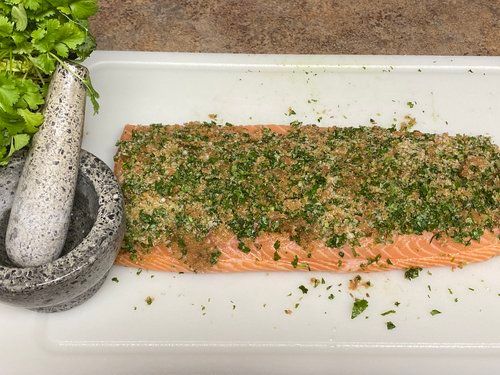
I taught garde manager for many years at the CIA and this is one of my favorite recipes from class. I actually developed this recipe with one of my students, inspired by a recipe he had learned on his externship.
Miso Cured Salmon Fillet

One of the most enjoyable parts of being an instructor at the CIA was the opportunity for learning. There is an abundance of experience and expertise at the institute and I was very fortunate to learn so many things about our craft from instructors, visiting chefs,  CMC’s and especially from the amazing students. I’ve always been a student at heart.


This is a recipe my Garde Manger students prepared weekly for class & when we served hot & cold hors d' oeuvres at the President's reception each block. I still prepare this for special occasions... it's so good.
Prep Time: 3o min

Cooking Time: 2 days to cure


Ingredients

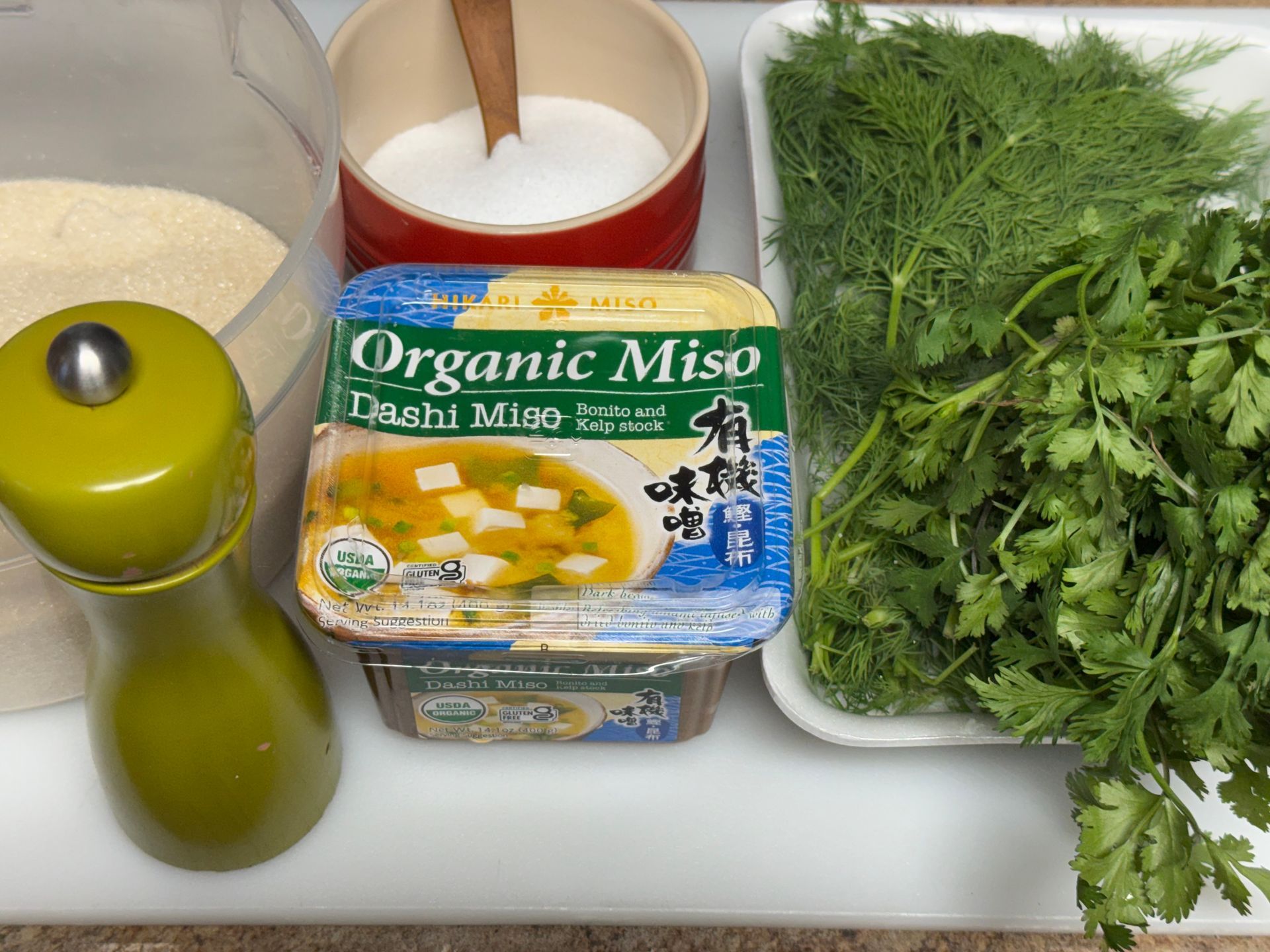
1 ea           Salmon fillet

2 lbs        Kosher salt

1 lb           Sugar

2 lb          Brown miso paste

2 Tbsp    Ginger root, minced

4 Tbsp    Onion powder

4 cups    Green onion, sliced thinly

1 Tbsp    Garlic powder

1 cup       Cilantro, fresh, chopped fine


How to prepare Miso Cured Salmon
Step 1

Mix all of the curing ingredients together in a bowl. Basically it is sugar, salt and flavorings (spices or herbs). I like miso and salt together with fresh herbs and sugar.


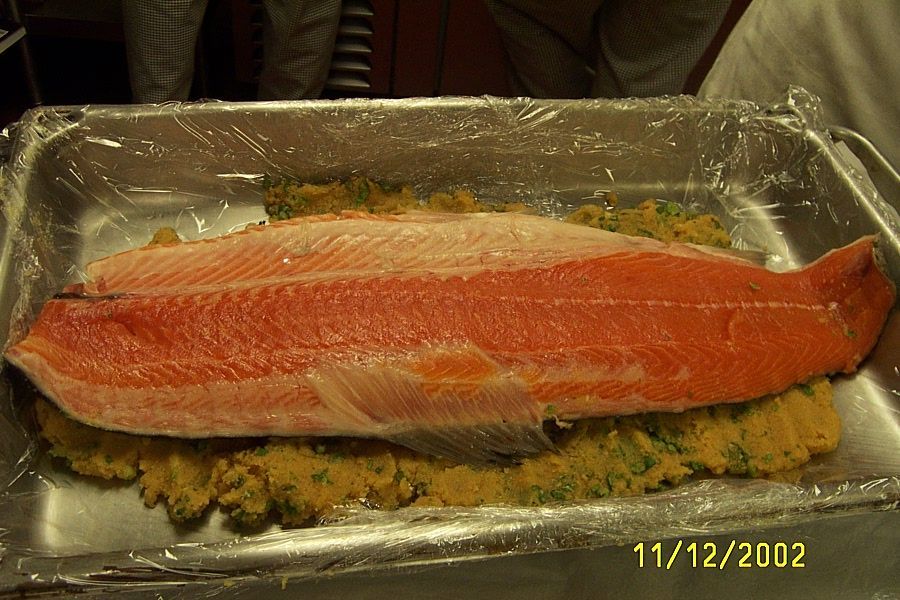
Make shallow slits in the skin of the salmon; lay a sheet of plastic wrap or cheesecloth on a flat surface. Place 1/2 of the cure onto the plastic (in a long row to rest the salmon fillet onto). Cover the salmon fillet with the remaining 1/2 of the cure and wrap with the plastic or cheesecloth. Place onto a 1/2 sheet pan and press with a very light weigh.


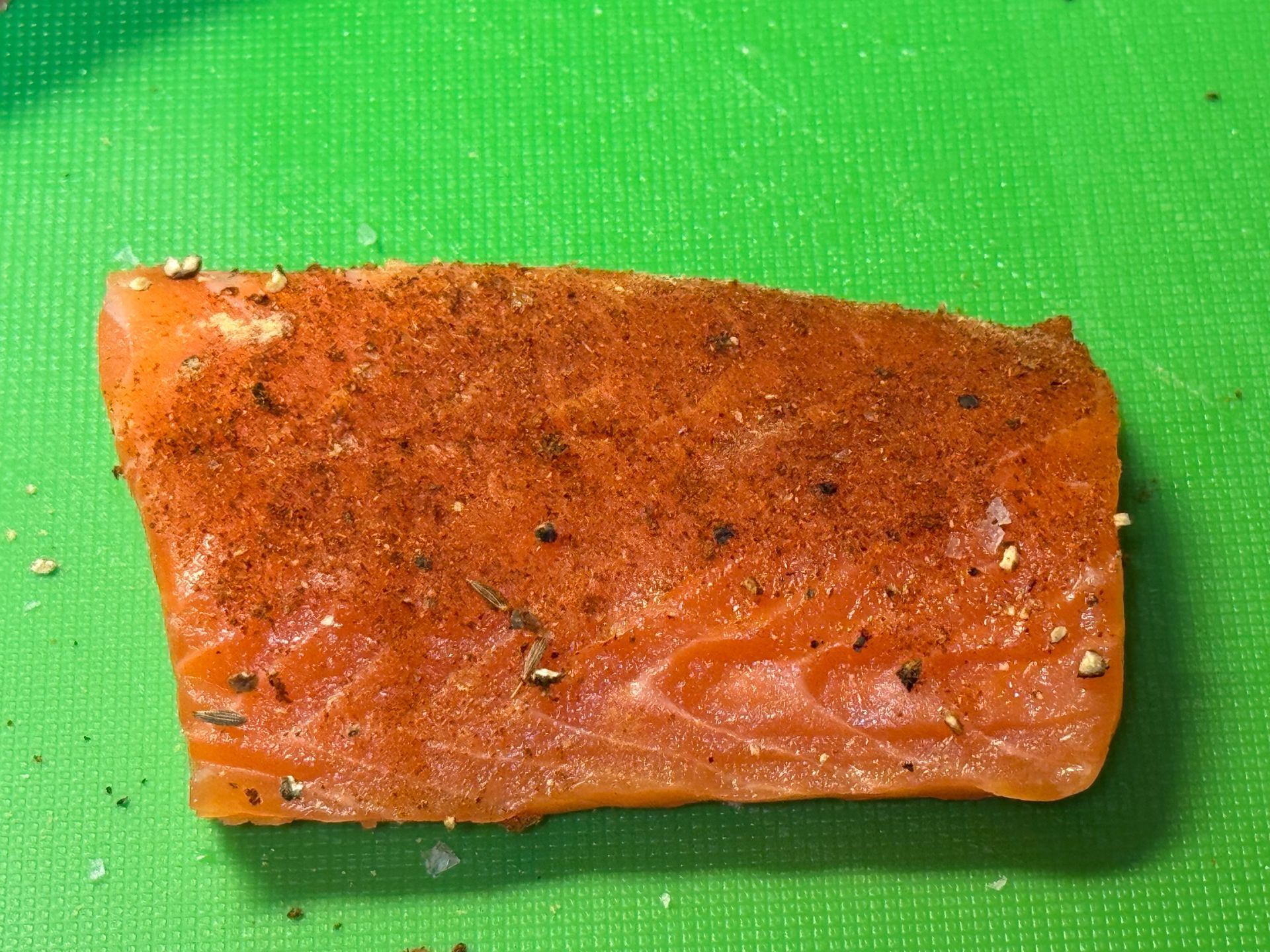
I also like to season individual sized portions of salmon fillet with a cure for about an hour and then baking or sauteing. The added flavor is amazing!


Step 2

Cure in the refrigerator for 3 days, inverting daily.


Step 3

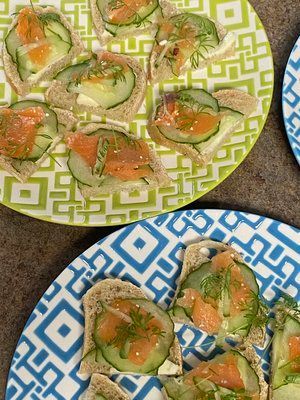
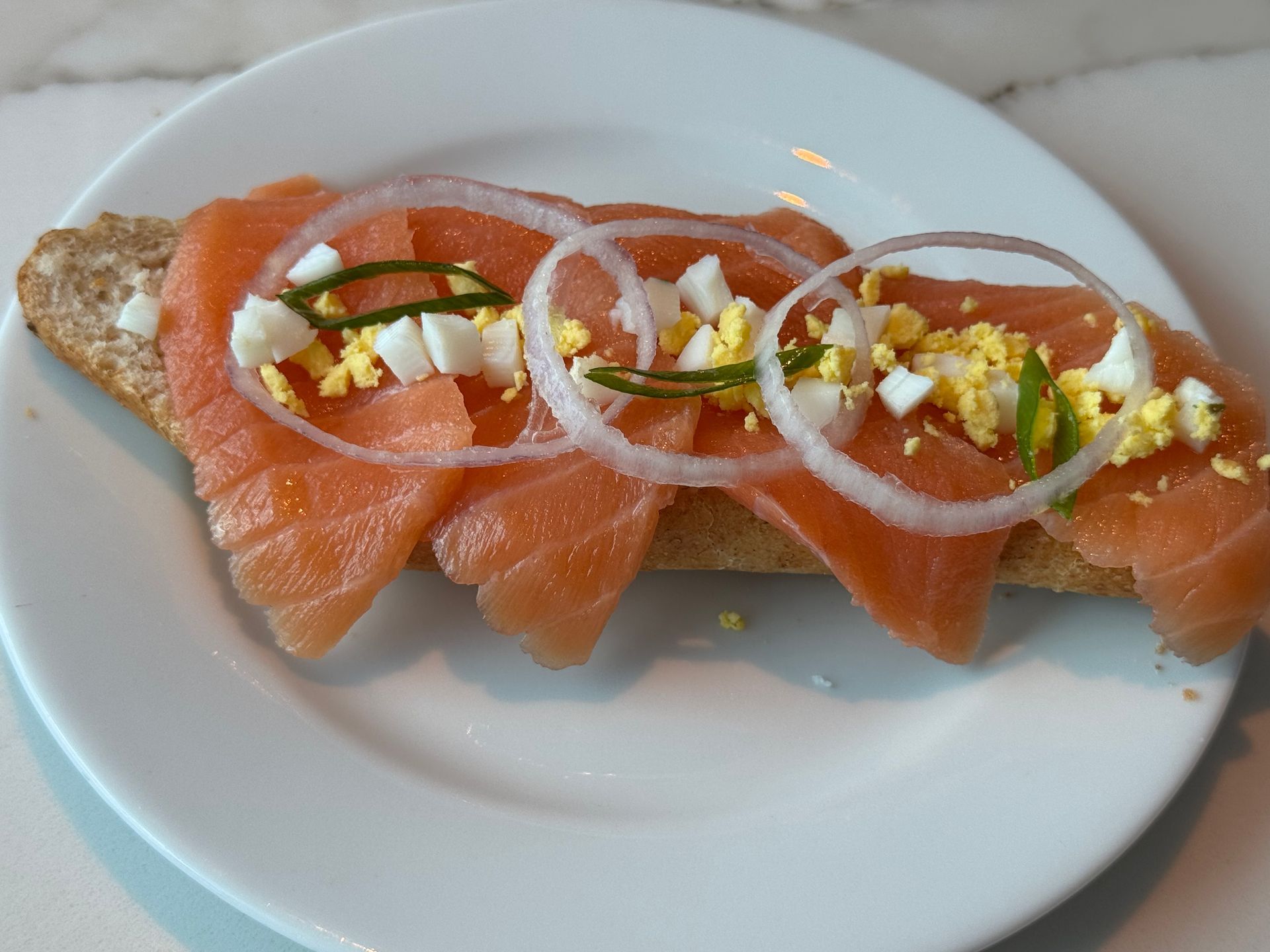
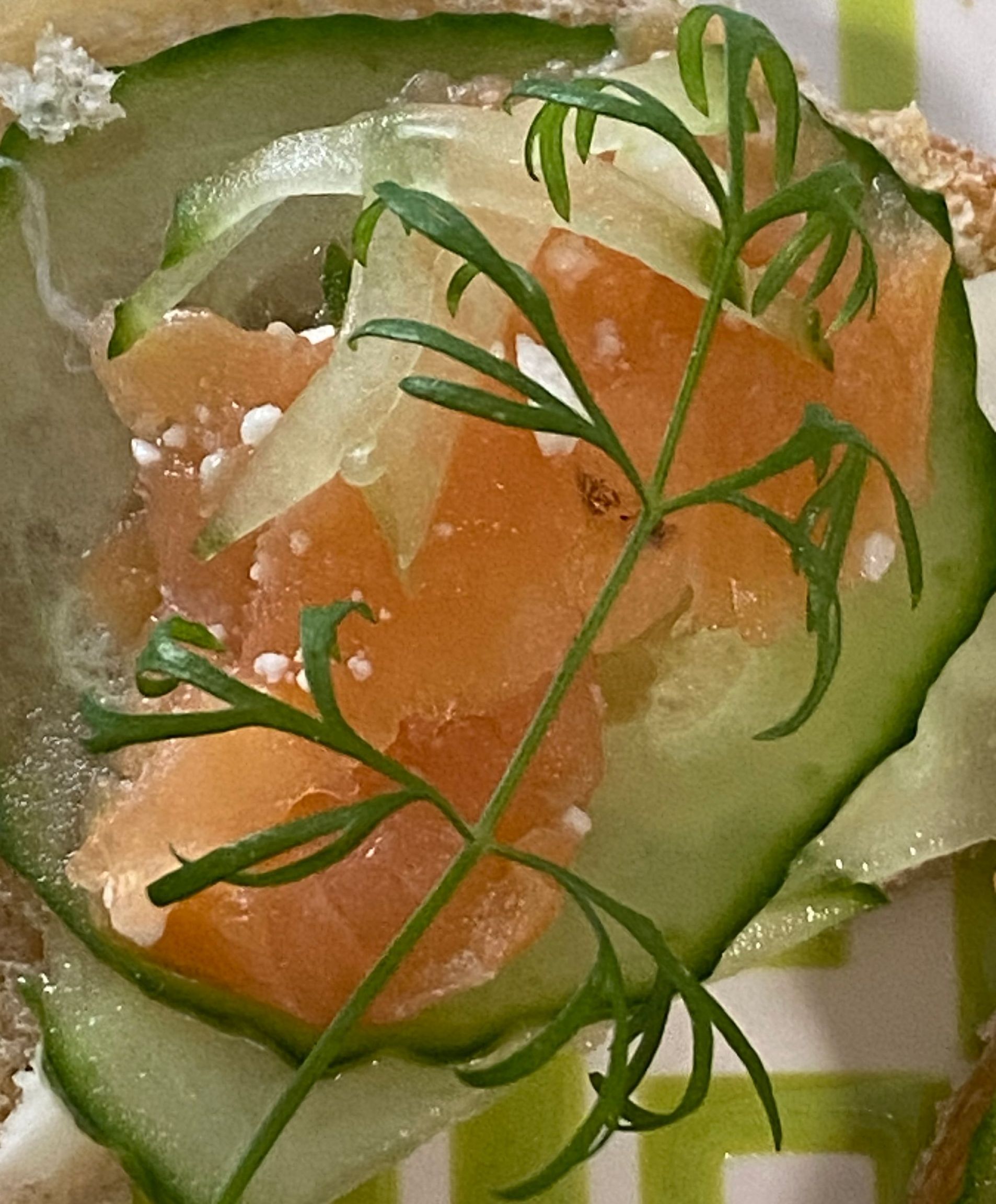
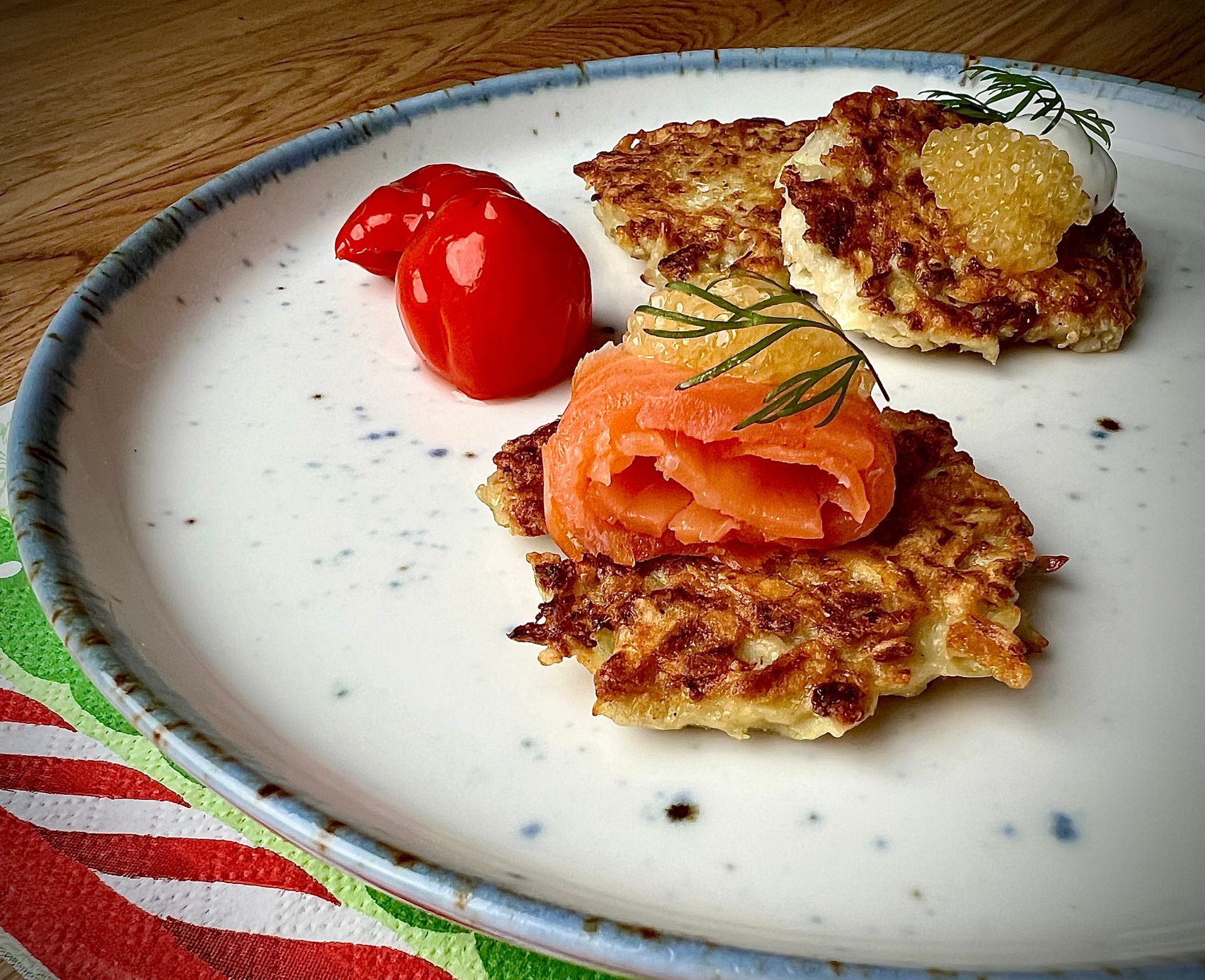
Wash off the cure and slice very thinly-enjoy… it’s delicious! I like to slice the miso salmon at buffets and serve on fried, lotus root chips or in Malaysian Pie Tee ‘cups’ with pickled vegetables. (Pie Tee cups are on the right)
By Tom Griffiths September 4, 2026
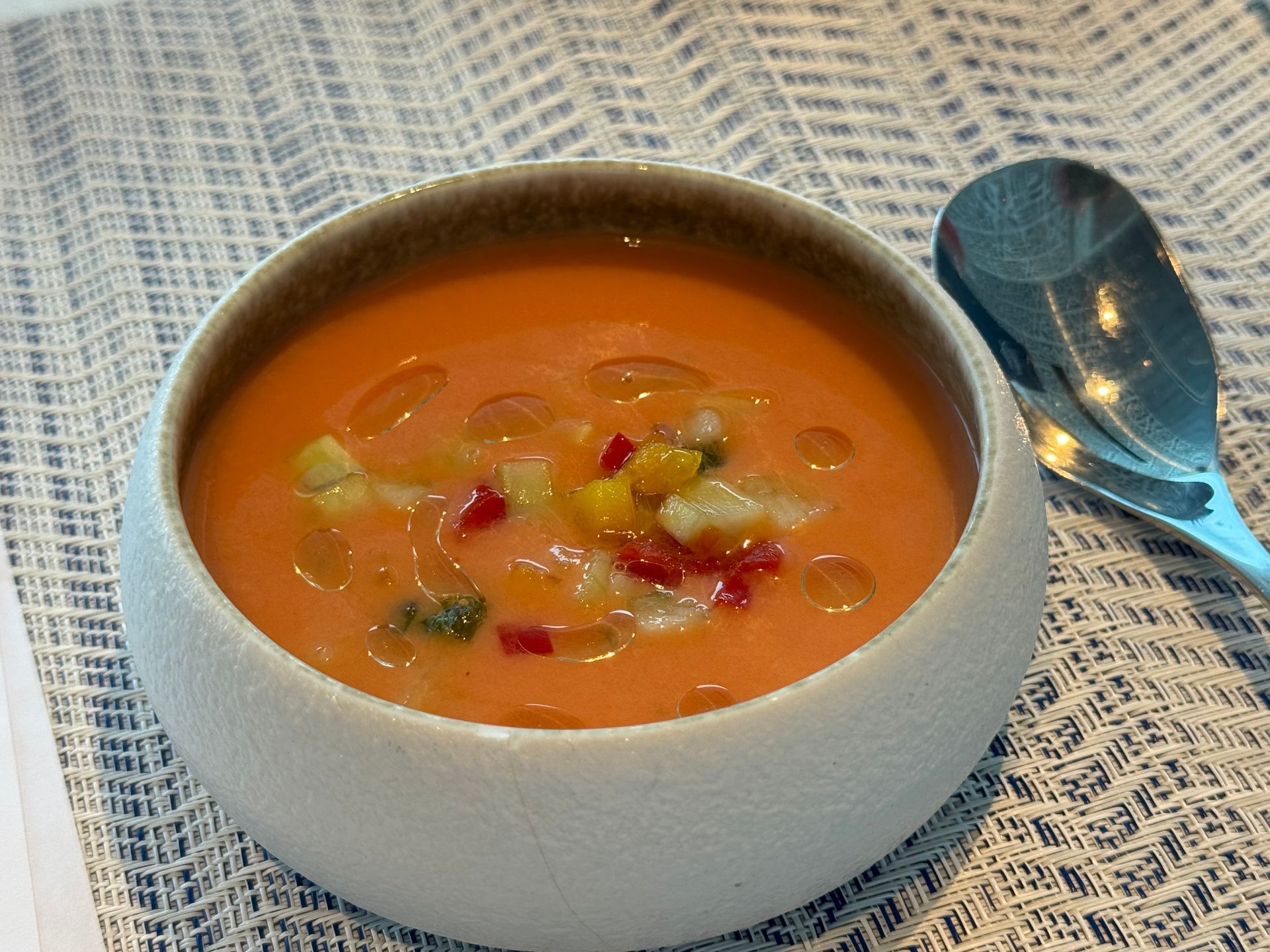
Chef Tom's Cooking Class Minute: Week 6 Gazpacho & Summer Tomatoes
By Tom Griffiths September 4, 2026
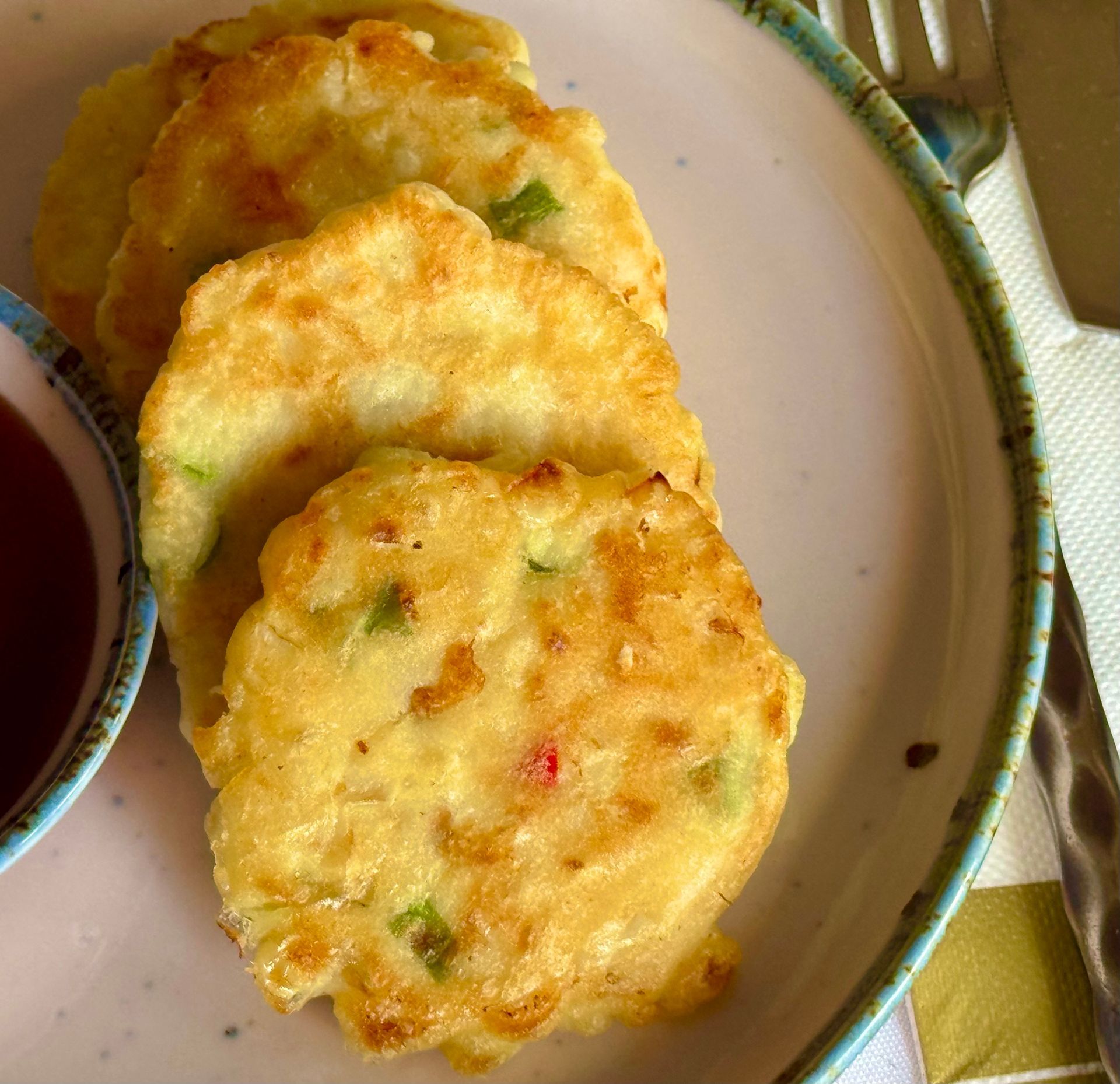
Chef Tom's Cooking Class Minute: Week 5 Summer Corn: Soup, Grill, Roast or Fritters? 
By Tom Griffiths September 4, 2026
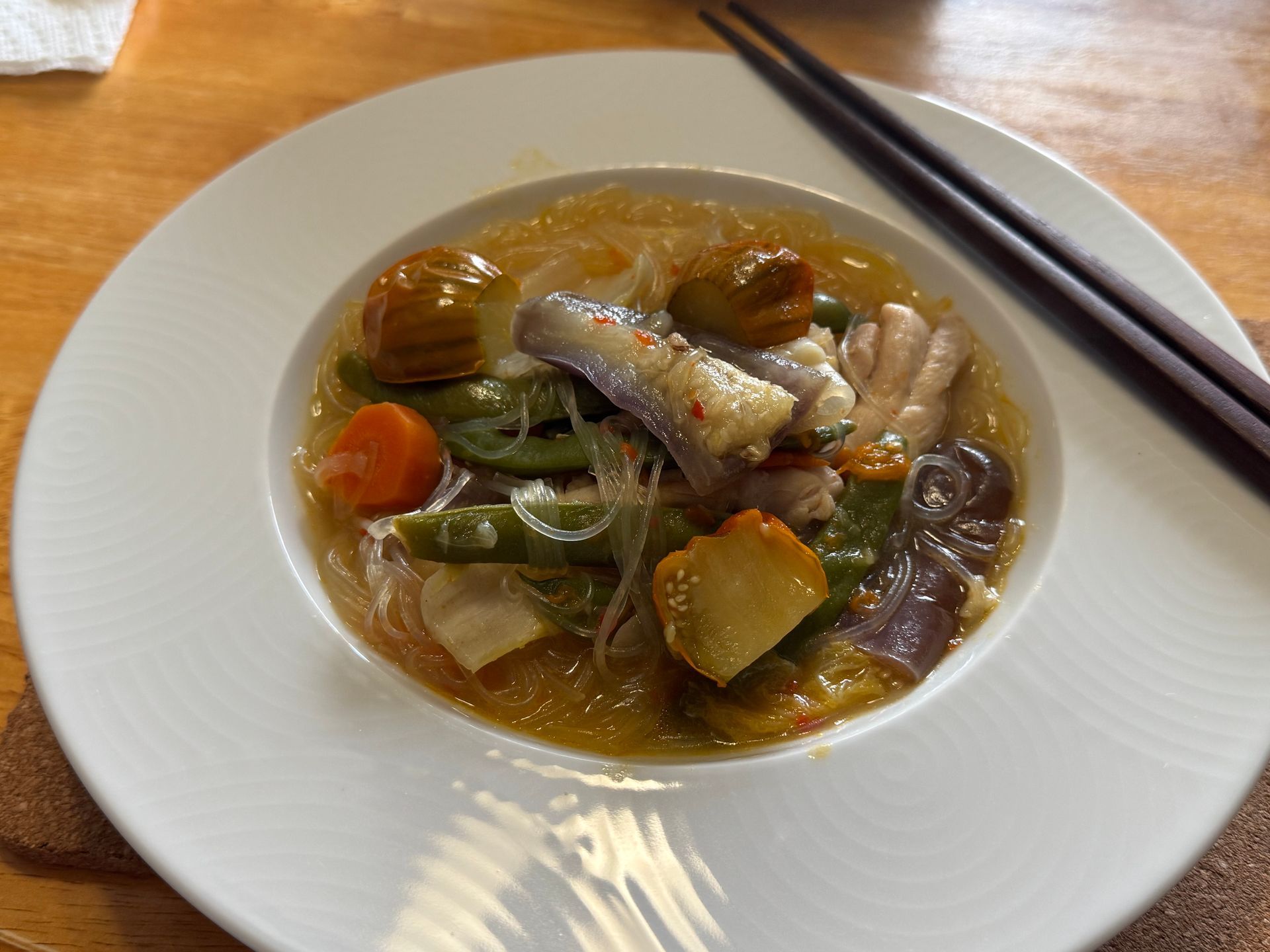
Chef Tom's Cooking Class Minute: Week 4 Cooking Summer Eggplant
By Tom Griffiths August 11, 2026
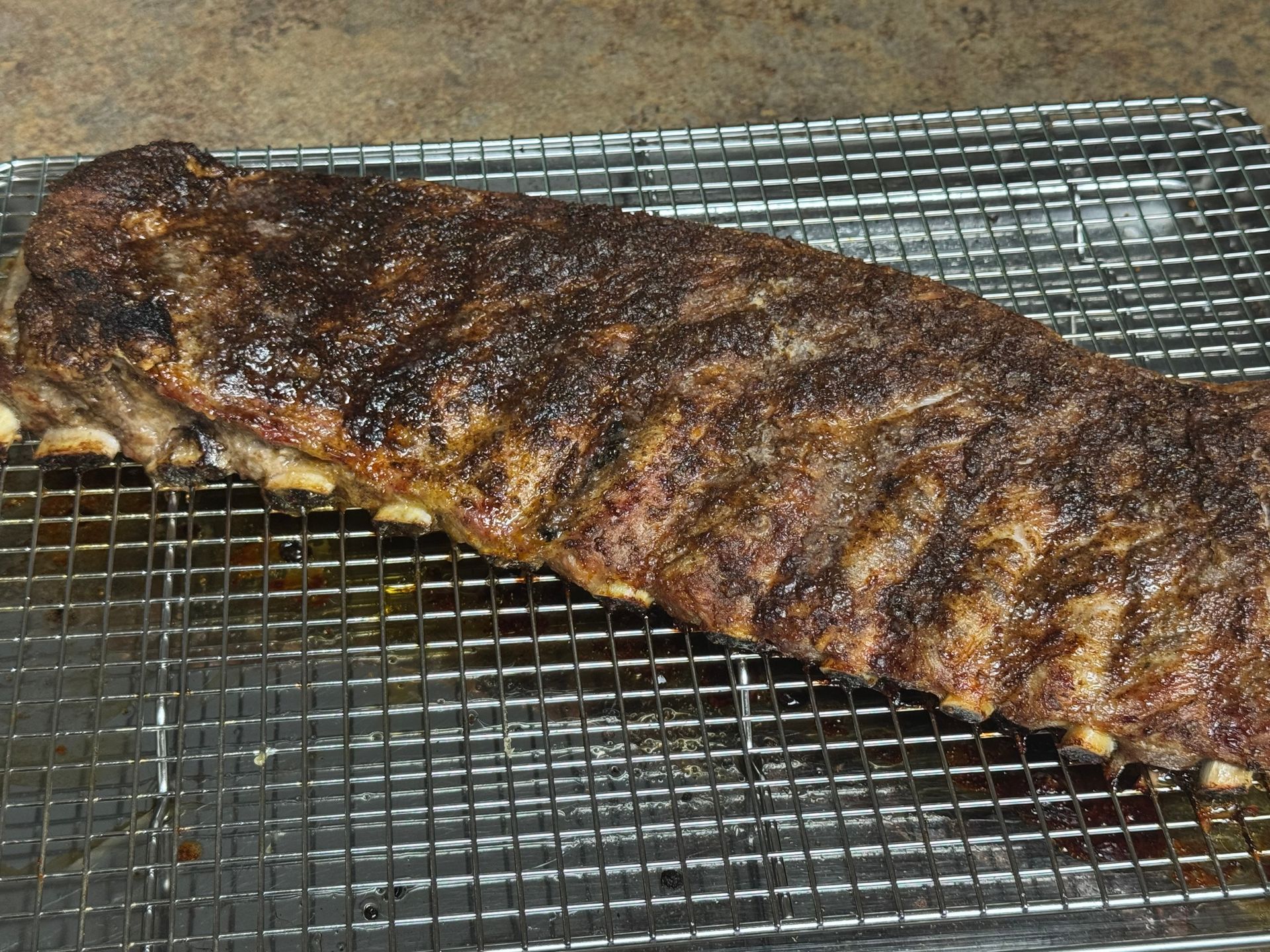
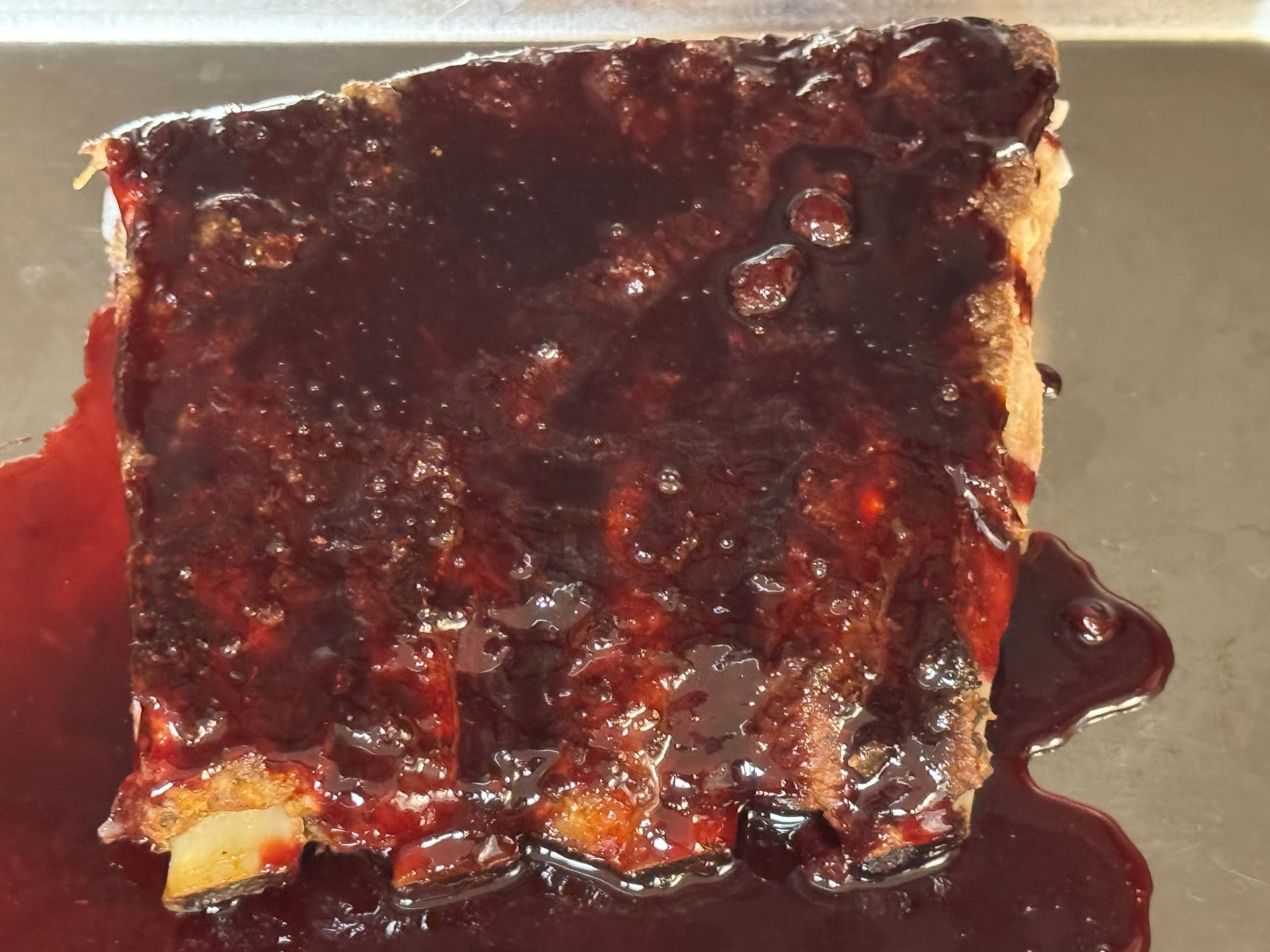
Chef Tom's Cooking Class Minute: Week 3 Cooking Pork Spare Ribs
By Tom Griffiths August 8, 2026
Years ago I traveled around the south for a few weeks researching some of the amazing foods of each region. In Charleston, I was introduced to a local pig farmer, Tank Jackson who manages Holy City Hogs. Tank and his wife raise heritage breed pigs and distribute the pigs around the country. He offers on-site cooking whole pig roasts, primal cuts and sausages, and I believe he produces the best pork in the country.
By Tom Griffiths August 8, 2026
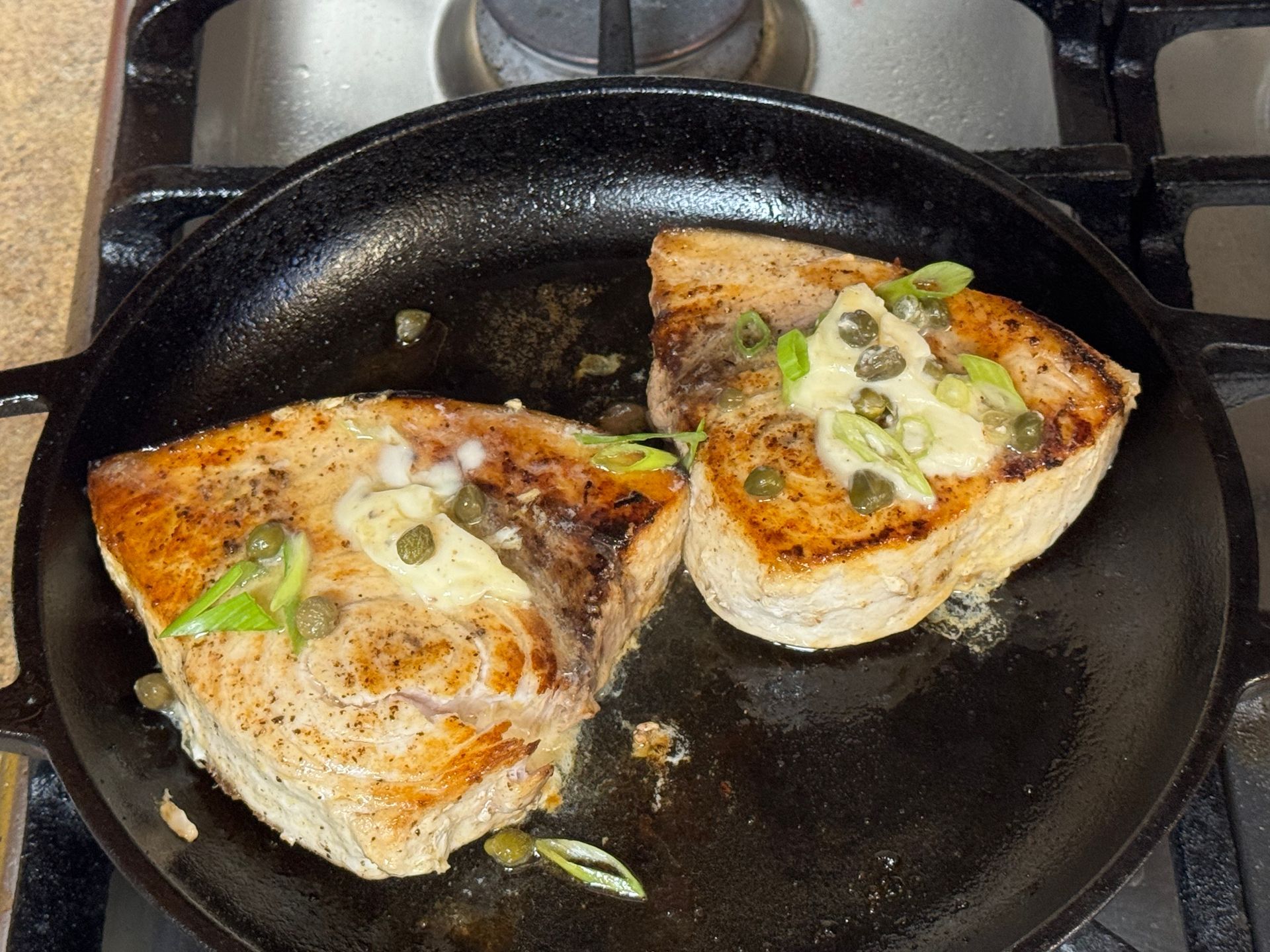
Years ago, while working as a chef in a busy continental restaurant, we featured grilled, fresh swordfish on the menu—finished with a generous spoonful of herbed compound butter and capers. It was popular and delicious. One afternoon, a seafood purveyor stopped by with a sample of frozen swordfish steaks, fully thawed and ready for evaluation. Curious, we grilled it side by side with the “fresh” swordfish we had been serving—fish we believed to be of high quality. The result was surprising. The frozen swordfish was superior—firmer, cleaner in flavor, and more consistent in texture. In contrast, our “fresh” fish, likely several days out of the water, lacked the same integrity. It was a defining moment and an important reminder: in many cases, properly handled and quickly frozen seafood can offer better quality than fish labeled as fresh. For chefs, understanding sourcing and handling is just as critical as technique—especially with a product as prized as swordfish.
By Tom Griffiths August 8, 2026
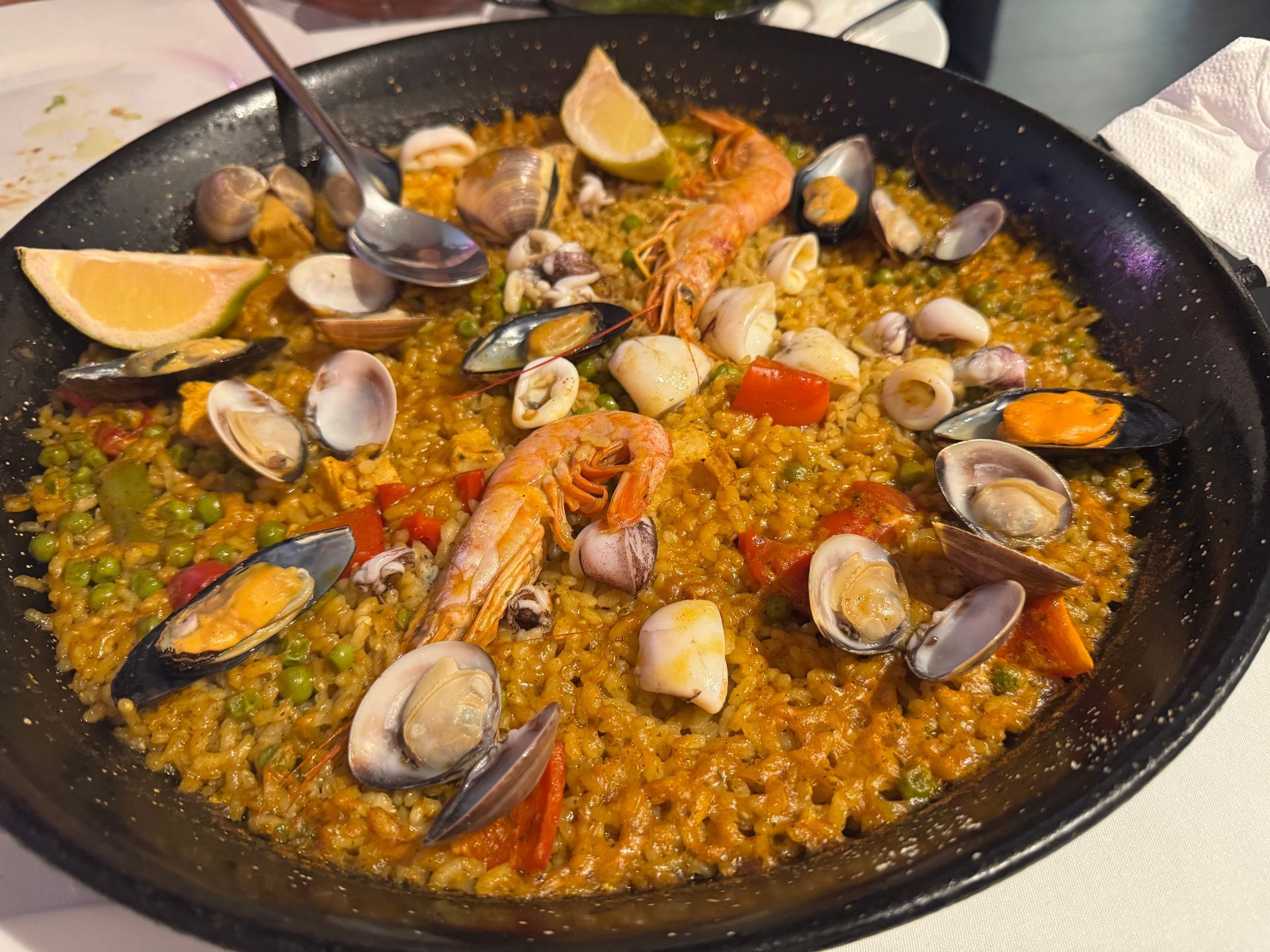
Chef Tom's Cooking Class Minute: Week 2 Cooking Rice: creating socarrat—
By Tom Griffiths August 6, 2026
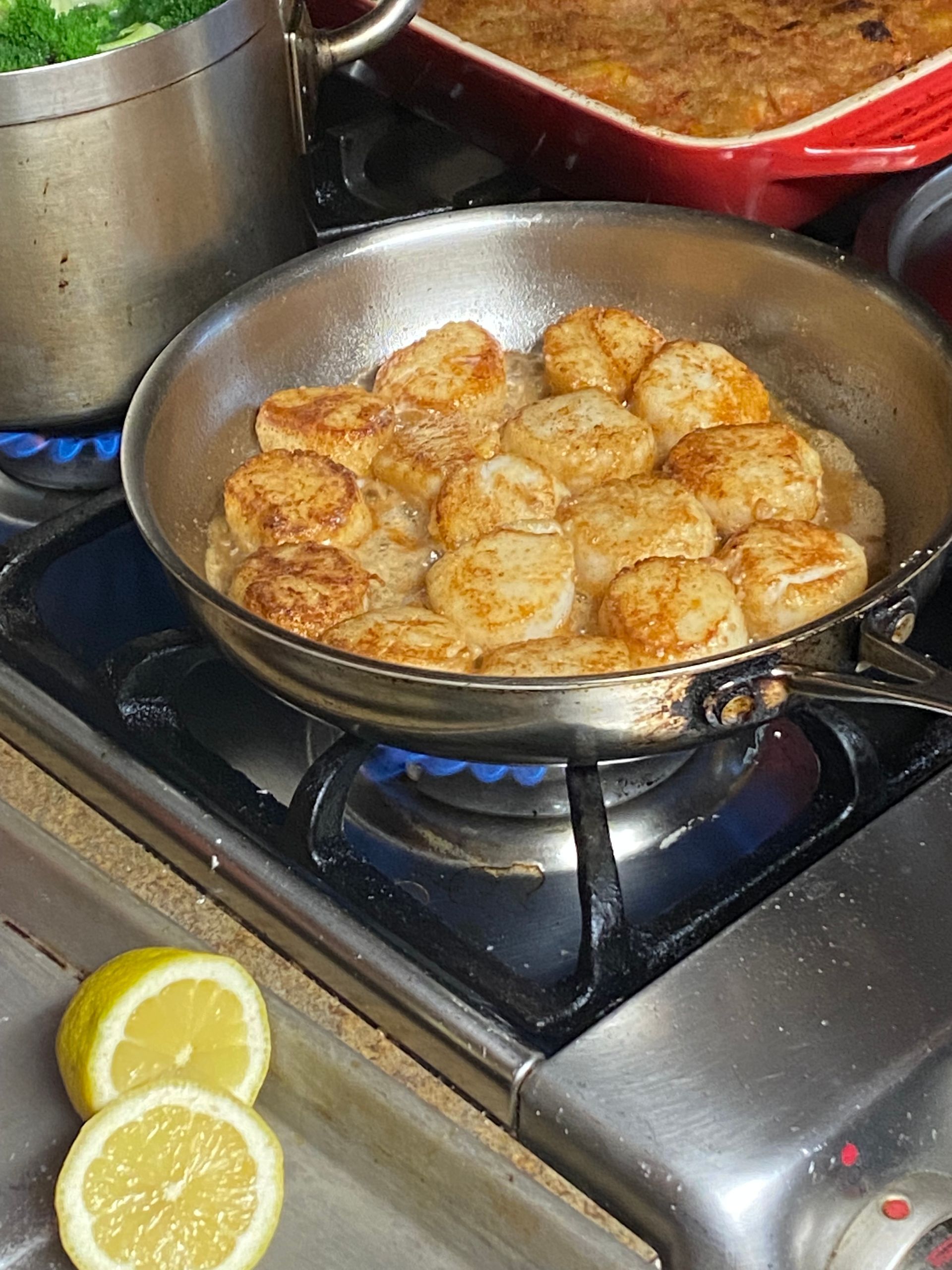
Chef Tom's Cooking Class Minute: Week 1 The Biggest Mistake People Make When Cooking Scallops 
By Tom Griffiths July 27, 2026
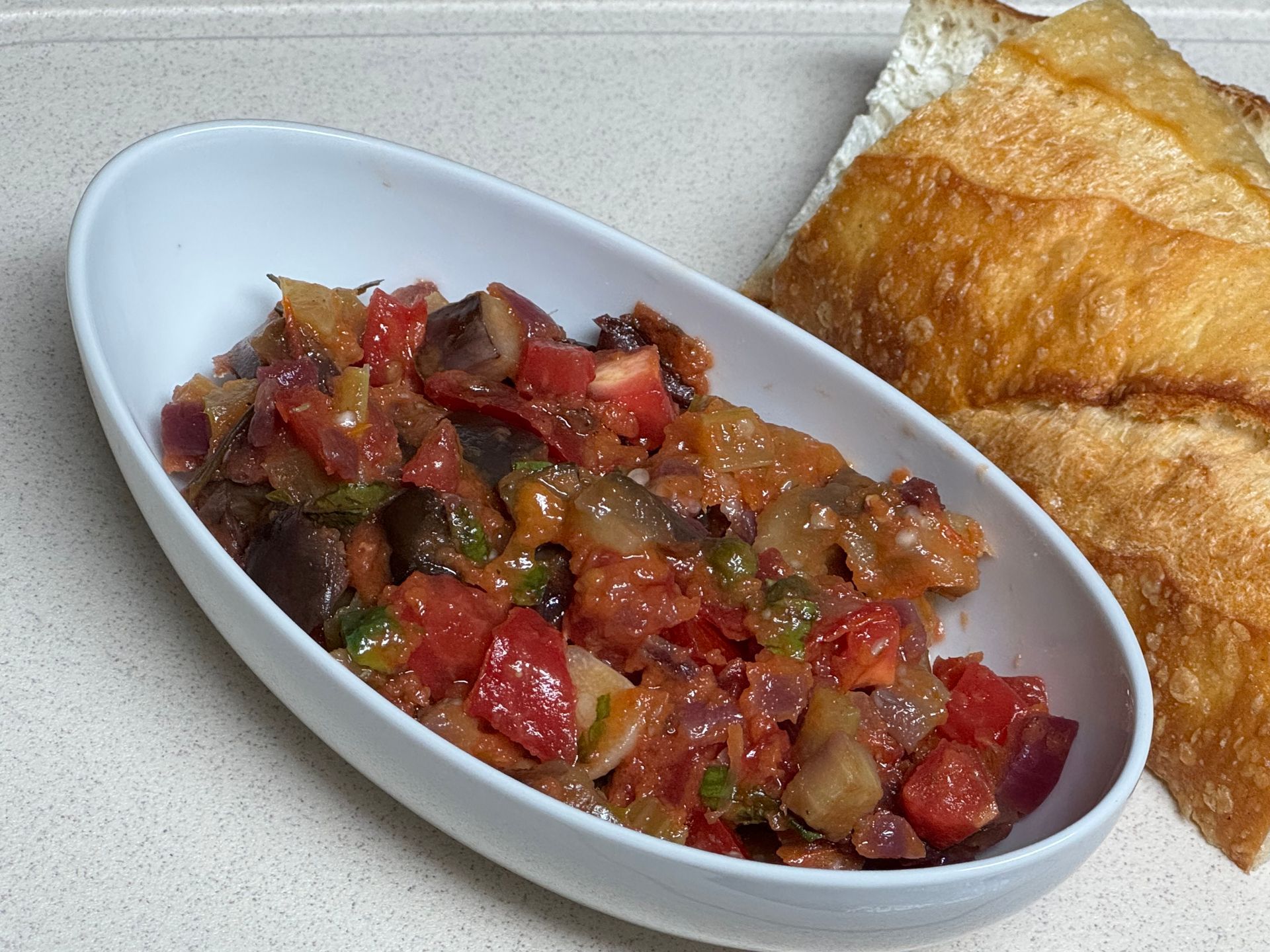
The name "caponata" itself has a fascinating origin story. One popular theory suggests it derives from capone, the Sicilian word for mahi-mahi. Historically, wealthy Sicilian aristocrats enjoyed a sweet-and-sour fish dish. Because seafood was too expensive for the working class, local home cooks substituted fish with affordable, meaty eggplant. Over time, this creative peasant food evolved into the beloved antipasto we celebrate today, often rounded out with celery, olives, and capers.
By Tom Griffiths July 23, 2026
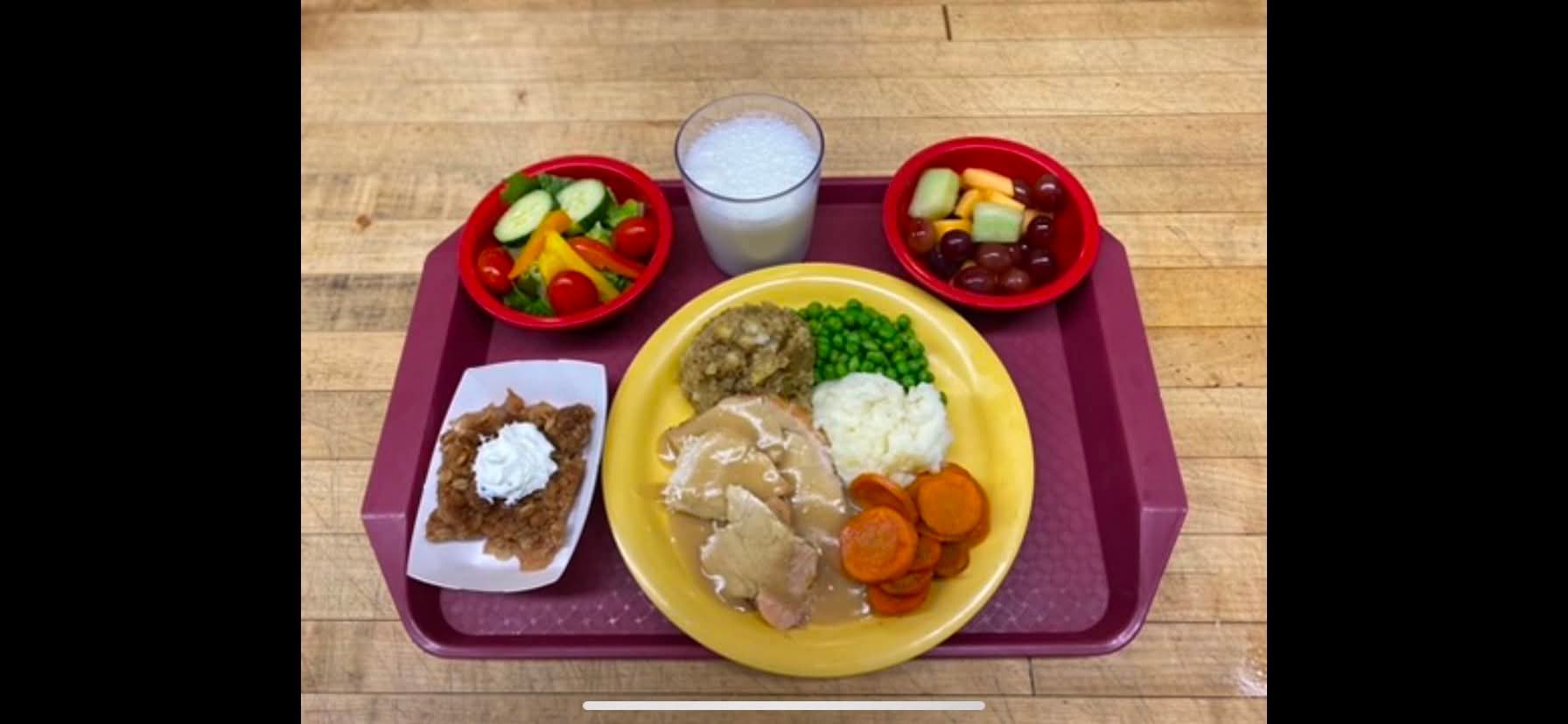
From Talk to Action: A Chef’s Challenge for School Lunches