Chef Tom's Cooking Class Minute-Week 13
What the Heck Is Bone Broth?
What’s your take on bone broth? Is it a new name for an old culinary tradition, or do you prepare yours differently?
It's soup season! I use stock as the foundation for most of my soups. I’m clear on what a stock is, but what exactly is bone broth? I’m not totally sure where the culinary definition ends and the marketing begins.
Broths seem to be healthy for us; they can provide protein, gelatin, collagen, electrolytes and amino acids, depending on the ingredients and how they’re prepared. The nutritional value varies, but they can help with hydration and protein intake.
I’ve traveled throughout Asia & Europe to learn about stocks, broths and soups-I didn't find much information on bone broths. I even visited Chef Marco Canora, bone broth expert to discuss the recipes & techniques he uses to prepare his delicious Brodo bone broths at his restaurant Hearth in NYC.
I think of bone broth as a traditional broth, similar to French petite marmite, Italian brodo, or the rich broths used as the foundation for Japanese ramen.
One thing I know for sure: bone broth is not simply a collection of leftover meat and vegetable scraps you’ve saved in the freezer and boiled together when you feel like it!
Chef Tom’s Tips: What’s the Difference?
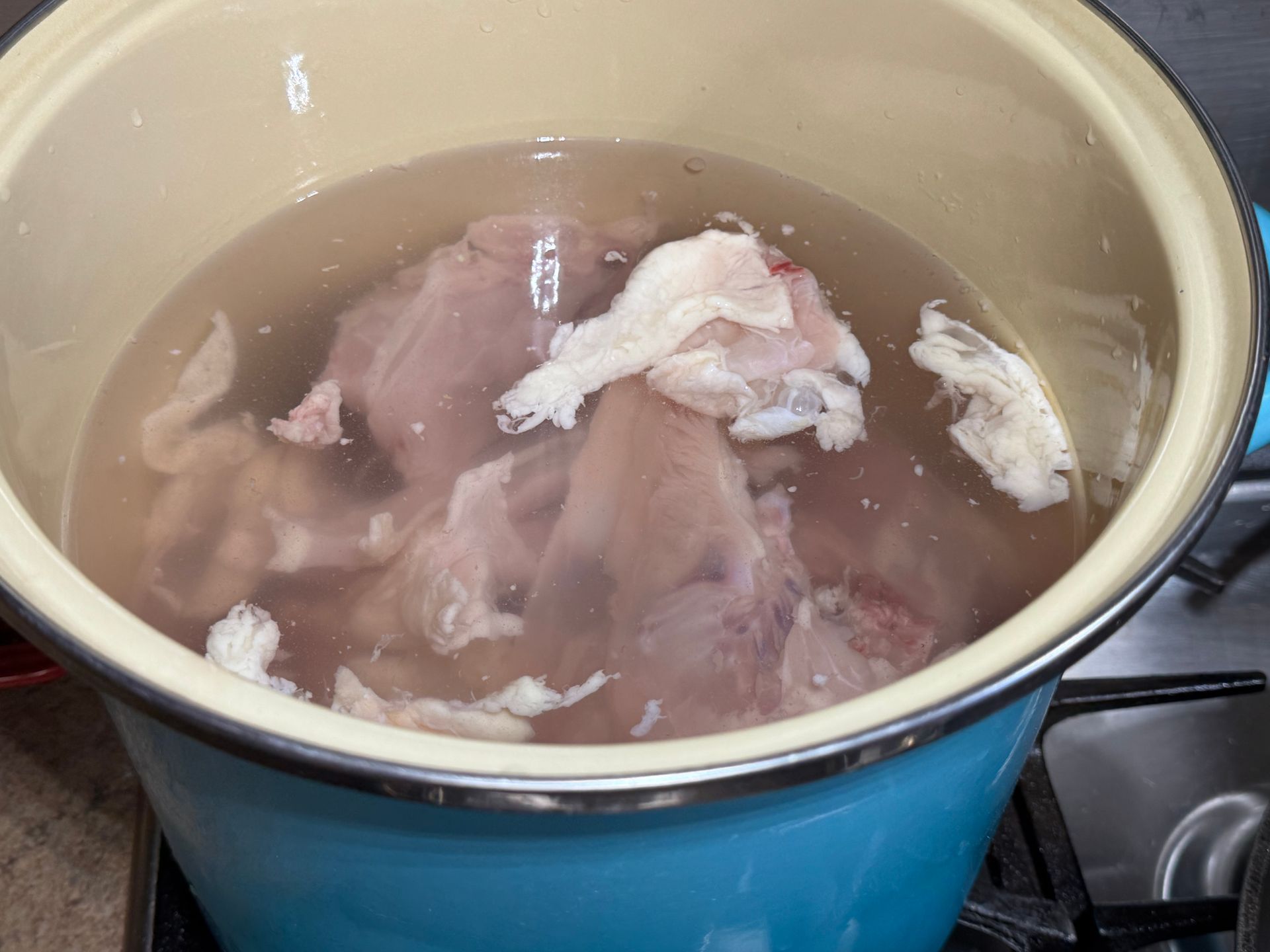
Stock: Traditionally prepared with bones, aromatics, seasonings & water.
Broth: Prepared with meaty bones, aromatics, seasonings & water.
Cooking time depends on the bones and the type of stock you’re making.
Fish stock, or fumet, needs only about 30–40 minutes.
Chicken stock generally simmers for 3–4 hours.
White beef stock may take 5–6 hours.
A few important points:
I prefer to keep stock at a gentle simmer rather than a rolling boil.
Some chefs bring the stock to a boil, strain and rinse the bones, and then start again with fresh water. I prefer not to use this method because I feel we may lose some flavor in the process.
Carefully skim fat and impurities from the surface as the stock simmers. This helps produce a cleaner, clearer stock.
Remember, stocks are recipes, too. Use consistent measurements so you can standardize your results and reproduce the same quality every time. Generally very little salt is added since stocks are used for a variety of cooking recipes.
I also like to experiment with ingredients that add flavor and acidity, such as tomatoes and leeks. Mushrooms, ginger, lemongrass, saffron, star anise and Parmesan cheese rinds can all add another dimension to a broth. Each ingredient brings something different to the pot, so consider the flavor you want in the finished product.
Check out my new Soup e-cookbook, 'From the Pot to the Table'
only $9.95! Order your copy here: https://www.globalcuisineconsulting.com/.../from-the-pot...

Chef Tom Griffiths, Certified Master Chef
Former CIA Instructor • R&D Chef • Hospitality Advisory Consultant
"Helping chefs, entrepreneurs, and food companies create exceptional food products."