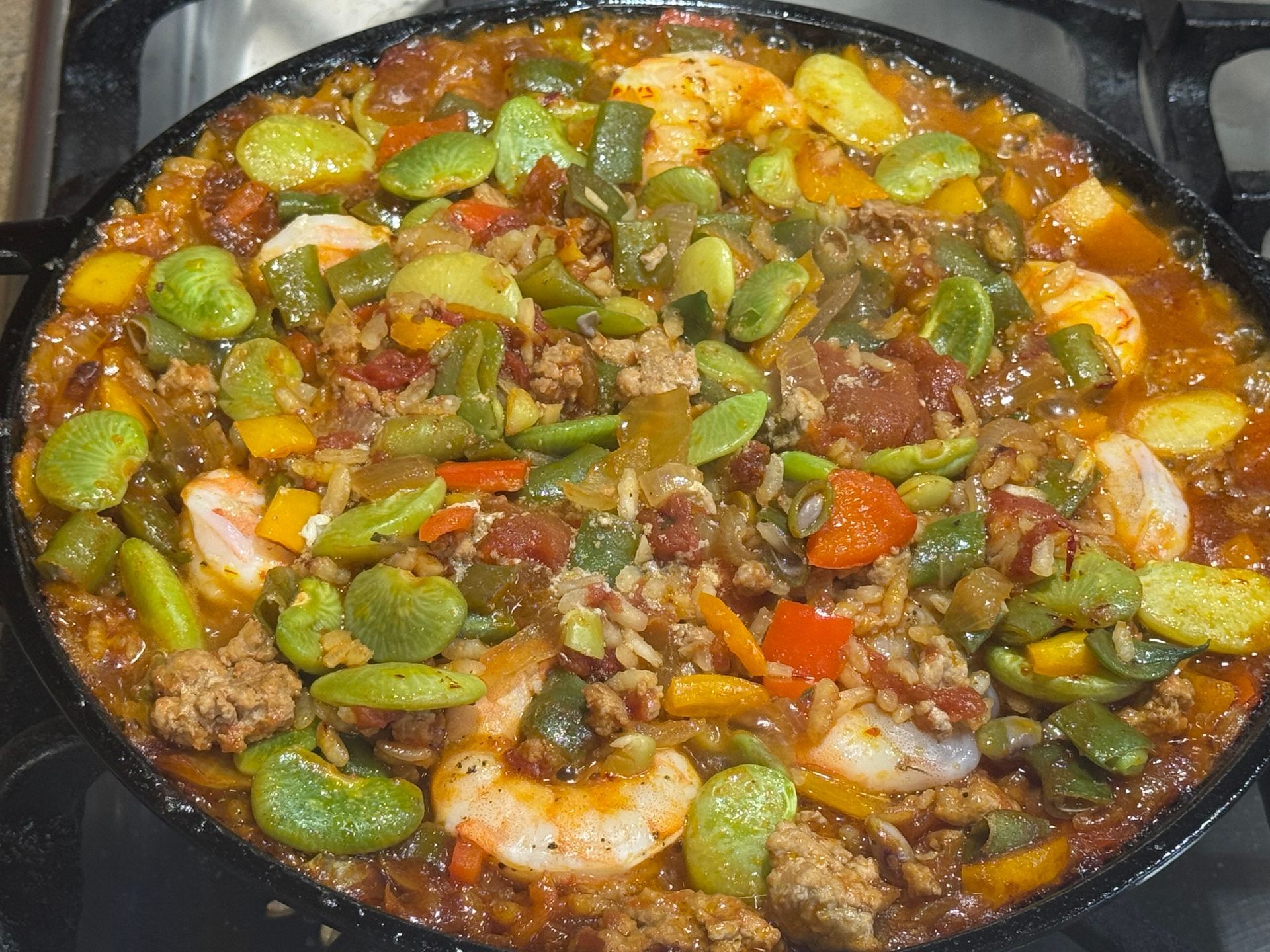
Chef Tom's Cooking Class Minute: Week 9

Late Summer Grilling: Great Steak Doesn’t Have to be a Ribeye
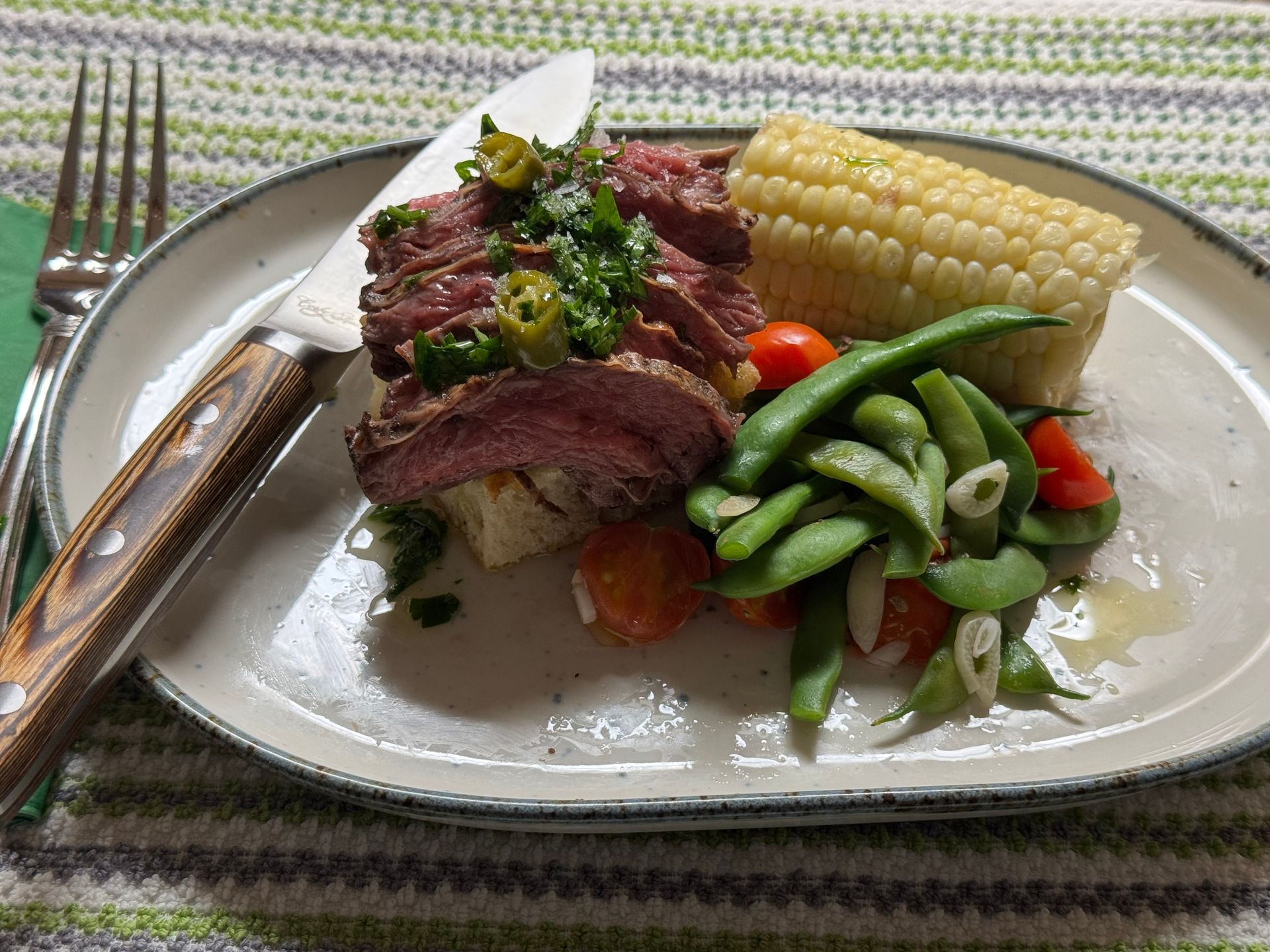

Late Summer Grilling: Great Steak Doesn’t Have to be a Ribeye

There’s still a little summer weather left, so before we move into fall, I want to talk about one of my favorite ways to cook… outdoors on the grill. (and never with a gas grill!)
When most people think about grilling meat, they probably think about burgers, kebobs or steaks-maybe a ribeye, NY strip or filet mignon. There’s nothing wrong with that, but my favorite steaks are the cuts that don't always get the attention they deserve-I call them the ‘butcher cuts’. Flat iron. Hanger steak. Picanha. Spinalis (cap of the ribeye etc... These cuts have incredible flavor, and when they are properly seasoned, grilled, rested and sliced, they make a fantastic meal.

Growing up in an Italian home, beef to us was meatballs and sometimes meatloaf. Steak wasn't something we had very often. One of my friends invited me to his house for their traditional Saturday night dinner—London broil, what they called a "French dip." His parents worked as a team. They would toast and butter the bread a few slices at a time, then pile on thinly sliced London broil and dip it into the jus. There were four of us kids, and we took turns being served while we sat around the table talking and laughing. I had never eaten anything quite like it. Talk about creating memories…
Years ago, I was eating at an enoteca in Chicago and ordered a flat iron steak. When the plate arrived, the steak had been perfectly grilled, rested and sliced thin. It was piled high on the plate with some sort of ‘Italian chimichurri’ sauce and those thin, crunchy onion rings on top. It was a simple meal, but I’ll always remember it. The steak had great flavor and texture, and it reminded me that you don't always need an expensive cut of beef to have a great steak dinner.

I grill all year long. I actually have several Big Green Eggs, but my favorite way to grill is on my Lodge hibachi. There is something about cooking a steak over a bed of hot coals that I really enjoy. I use aged peach or apple wood from my own trees when I grill. The smoke from well-seasoned fruit wood is subtle and works beautifully with beef.

 A Few Steak-Grilling Tips:

• Start with a good piece of beef. You don't have to buy the most expensive cut, but know what cut you're buying and understand how that cut should be cooked and sliced.


• Bring the steak to room temperature. Never grill a frozen or cold steak, it will cook unevenly.


• Season or marinade simply. Kosher salt, freshly cracked black pepper, garlic & herbs are usually all I need. For a good piece of beef, I don't want a spice blend covering up the flavor.


• Get the grill hot. A good sear comes from a hot cooking surface. If you're cooking a thick steak, use a two-zone fire so you can move the steak away from the direct heat if necessary.


• Don't keep moving the steak. Put it on the hot grill, let it develop a good crust, then turn it. You don't need to constantly flip it.


• Use a thermometer. The thickness of the steak makes a big difference, so cooking strictly by time isn't reliable. I prefer to cook to internal temperature rather than guessing.


• Rest the steak. Give it a few minutes before slicing. The exact time depends on the size of the steak, but don't cut into it immediately after it comes off the grill.


• Slice against the grain. This is especially important with cuts such as hanger, flat iron and London broil. Find the direction of the muscle fibers and slice across them, not with them.


• For thick steaks, think about reverse searing. Bring the steak slowly toward your desired internal temperature on indirect heat, then finish it over very high heat to develop the crust.


• Don't forget the condiments. Choose your favorite hot sauce, salsa, etc.. to turn a steak into a great meal.


A well-grilled flat iron, hanger steak or London broil can be just as memorable as a more expensive steak when you start with good beef and cook it properly.


What's the best steak you've ever had—and what cut was it?

#Steak #Grilling #GrillingTips #OutdoorCooking #Beef #SteakLovers #CookingTips #CulinaryInstituteofAmerica #CulinaryInstituteofAmerica #Proud2bCIA #acfchefs #ChefTips #CookingTechniques #ProfessionalChef #CulinaryArts #FoodInnovation #CorbyHall


Everything looks delicious on Corby Hall China

Let's Keep Learning Together

What topic would you like me to cover in a future Cooking Class Minute? I'm always looking for ideas from fellow cooks, chefs, and food enthusiasts.


If you'd like to learn more techniques-check out my Seafood e-Cookbook, designed to help home cooks prepare 12 delicious seafood recipes with confidence.

Click here to purchase

https://bit.ly/4e8fY7n


                                               Chef Tom Griffiths, Certified Master Chef
                           Former CIA Instructor • R&D Chef • Hospitality Advisory Consultant

       "Helping chefs, entrepreneurs, and food companies create exceptional food products."

By Tom Griffiths • November 16, 2026
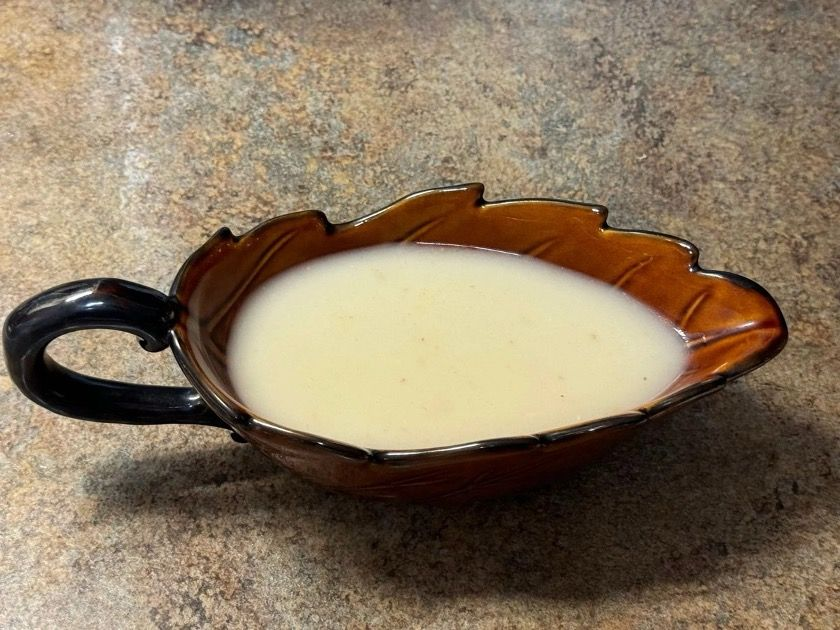
Chef Tom's Cooking Class Minute-Week 16 Mother Sauces – Velouté If you want to take the stress out of Thanksgiving Day, the secret starts days before the turkey even goes into the oven. It all comes down to mastering one of the classic French Mother Sauces: Velouté. Velouté, one of the five French mother sauces is basically a good stock thickened with a blond roux, simmered slowly until it’s smooth and velvety. Velouté is a sauce and used to make other sauces, stews and soups- it's the secret for my delicious Thanksgiving turkey gravy. At Campbell’s, my culinary and baking team and I cooked a holiday feast every year for more than 400 people at the Salvation Army Kroc Center in Camden. It will always be a highlight from my time at Campbell's. My chefs did most of the work, but I always made the gravy, about 20 gallons of it. These days, I make a turkey velouté from turkey stock I prepare with roasted turkey necks and legs a few days before Thanksgiving. On the big day, I fortify it with the fond and drippings from the pan I roasted the turkey in, then strain it. I add cooked giblets and cream-there are no lumps and no last-minute rush or mess. 
By Tom Griffiths • November 16, 2026
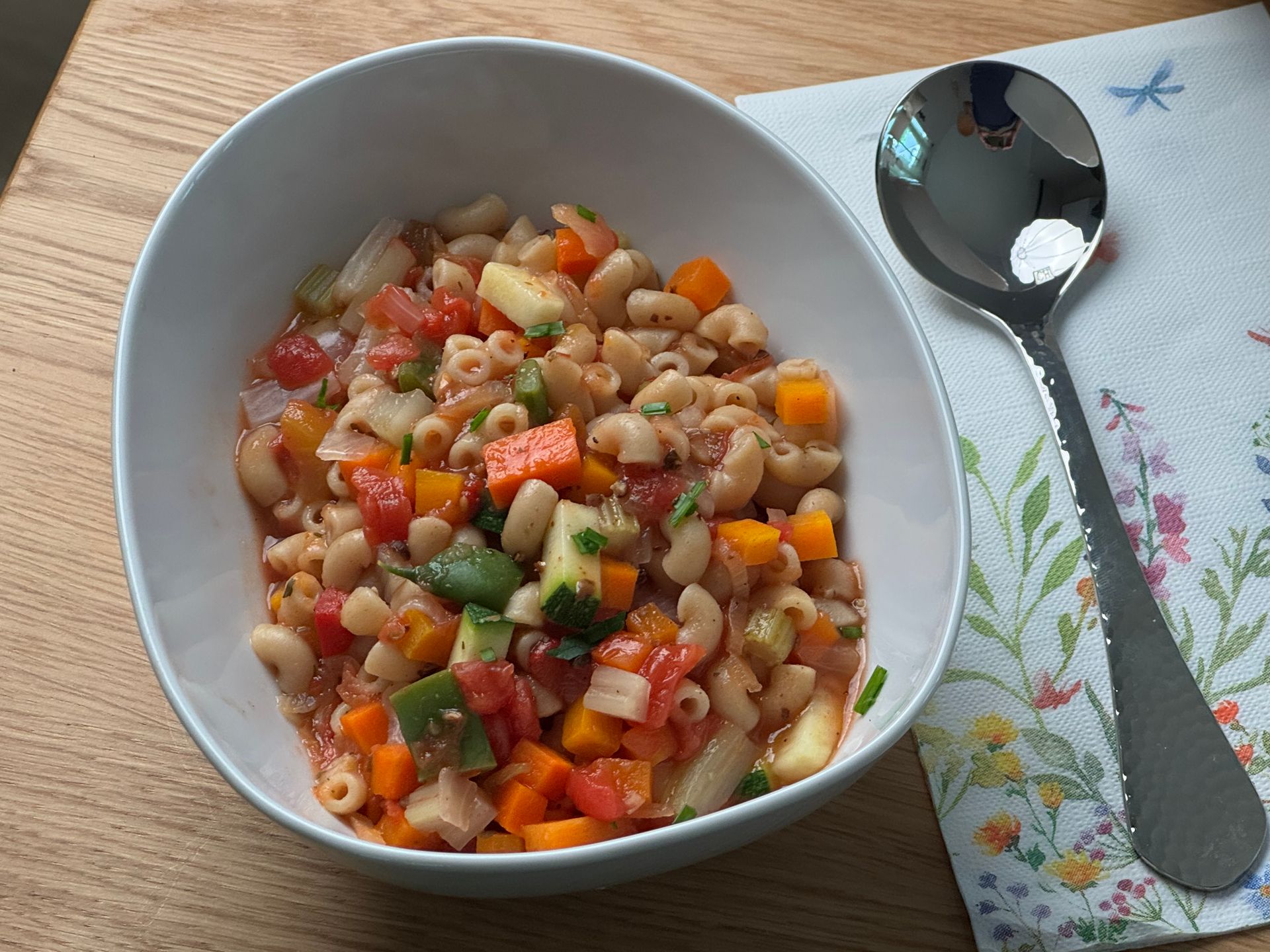
Chef Tom's Cooking Class Minute-Week 15 Raid the Garden Tomato Soup It's time to literally raid my garden and prepare a delicious soup with as many of my fresh vegetables as possible—especially the ripe tomatoes, peppers, autumn squash and sweet potatoes. It feels like the flavors are at their deepest and sweetest now. This recipe draws from two very meaningful chapters in my career. First, it is inspired by my time in Italy, researching gastronomy and eating my way through local markets and cafés. Second, it connects back to a special project I organized at Campbell’s. We brought a small group together to prepare a healthy, nutritious meal for families at our local food bank. Sourcing vegetable "seconds" from local farms, we created a delicious, low-sodium, no-sugar-added veggie sauce served with whole wheat macaroni—reminiscent of the SpaghettiOs from my own childhood memories. The families absolutely loved it.  Back in my home kitchen, my freezer is currently packed with diced San Marzano plum tomatoes and sweet cherry tomatoes from my harvest, perfect for bringing those vibrant Mediterranean flavors to life. And when my personal garden supply runs low, my absolute favorite secret weapon is opening a can of imported Italian cherry tomatoes to bring that authentic, sun-ripened sweetness right into the bowl.
By Tom Griffiths • November 16, 2026
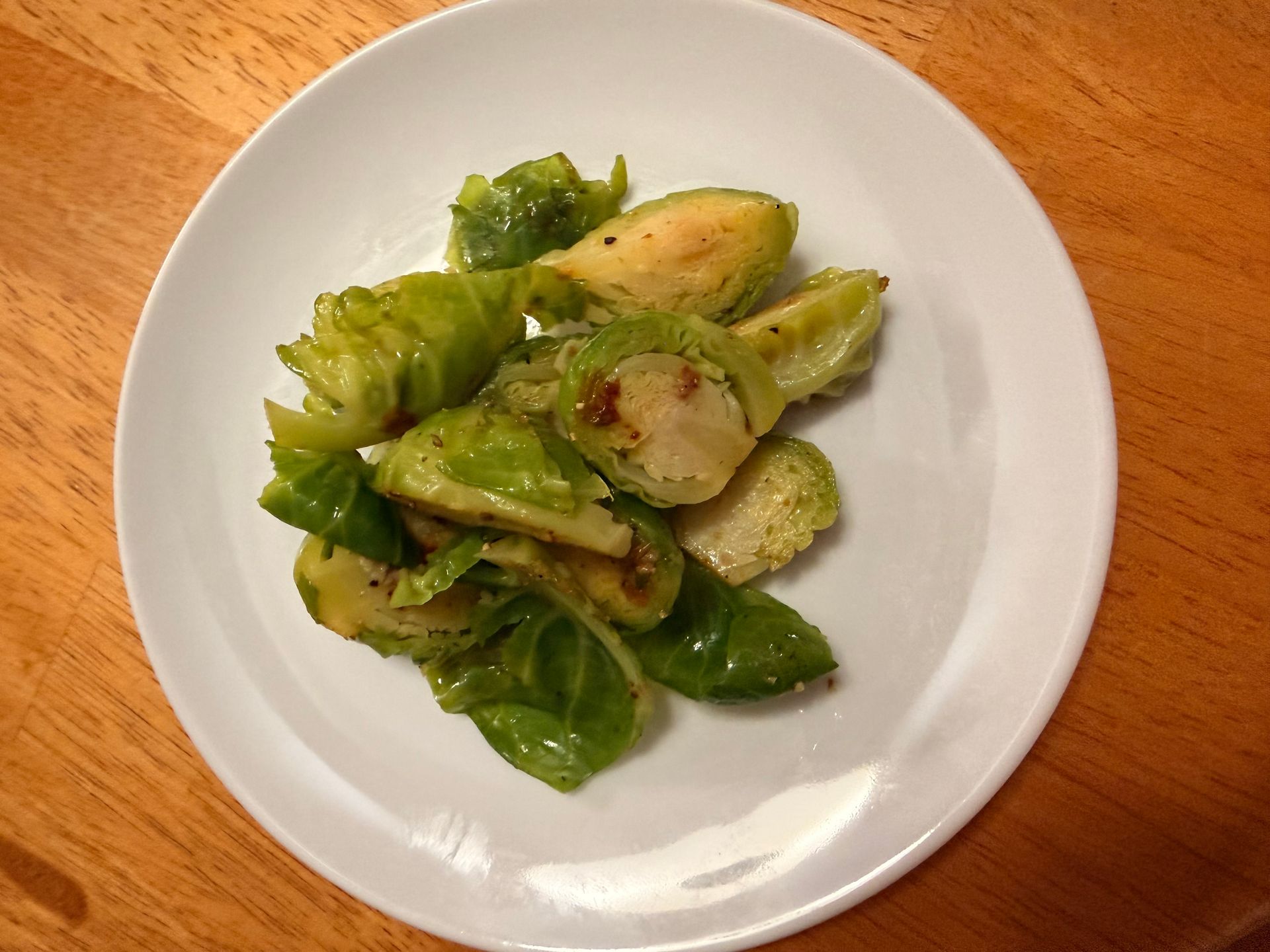
Chef Tom's Cooking Class Minute-Week 14 Cooking Green Vegetables: Autumn Brussels Sprouts Cooking green vegetables is one of the first skills young cooks learn when they begin their training at the CIA. I remember plenty of students telling me they didn't like Brussels sprouts, asparagus, or other green vegetables. Then we prepared them properly in class, and suddenly they liked them! They weren't anything like the vegetables they remembered eating at home.  Brussels sprouts are a good example. They need enough cooking to become tender and develop a sweeter flavor, without losing their color or turning mushy. Often times, we simply boiled the green vegetables in salted water and we all felt they were delicious.
By Tom Griffiths • October 28, 2026
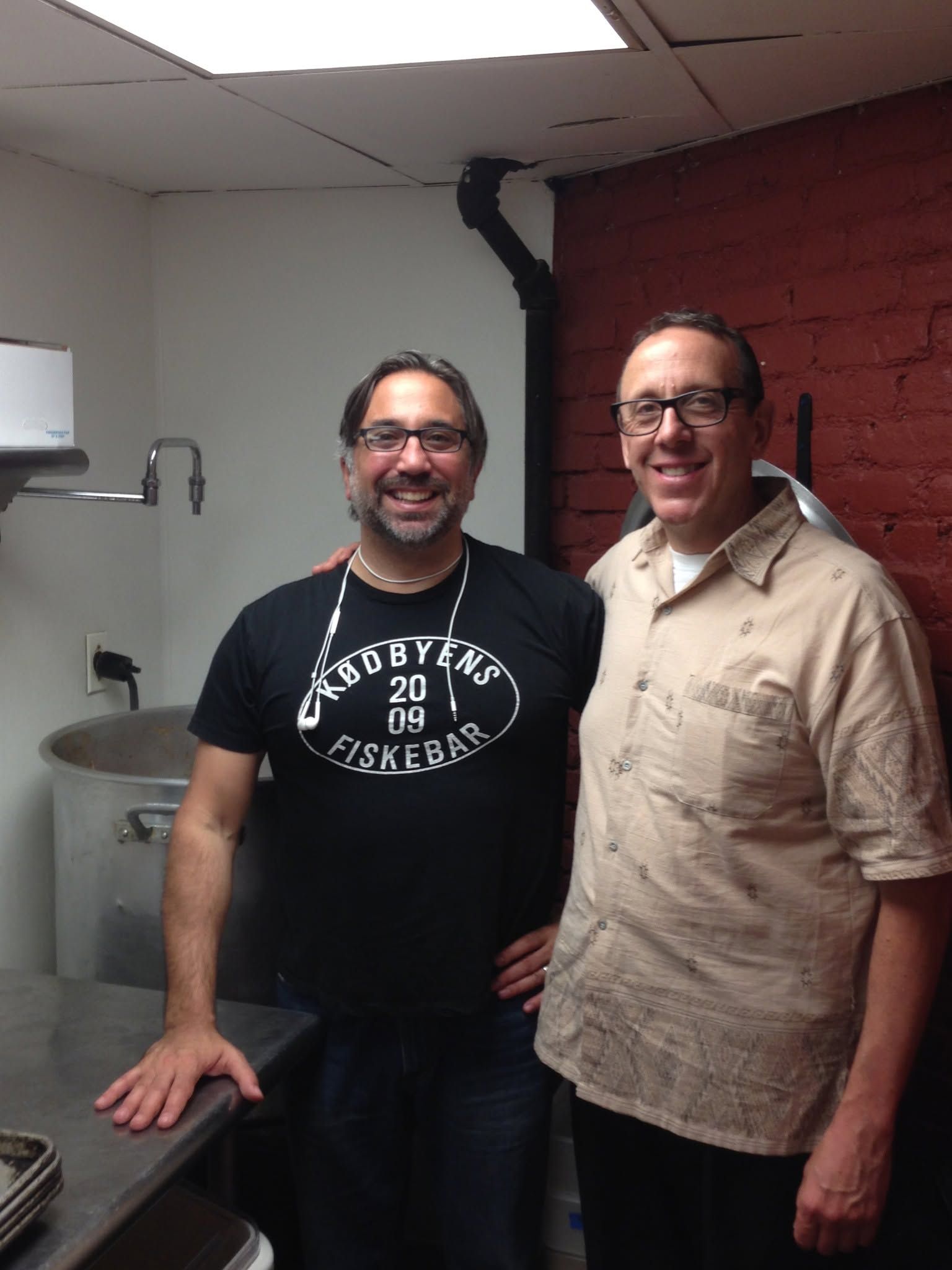
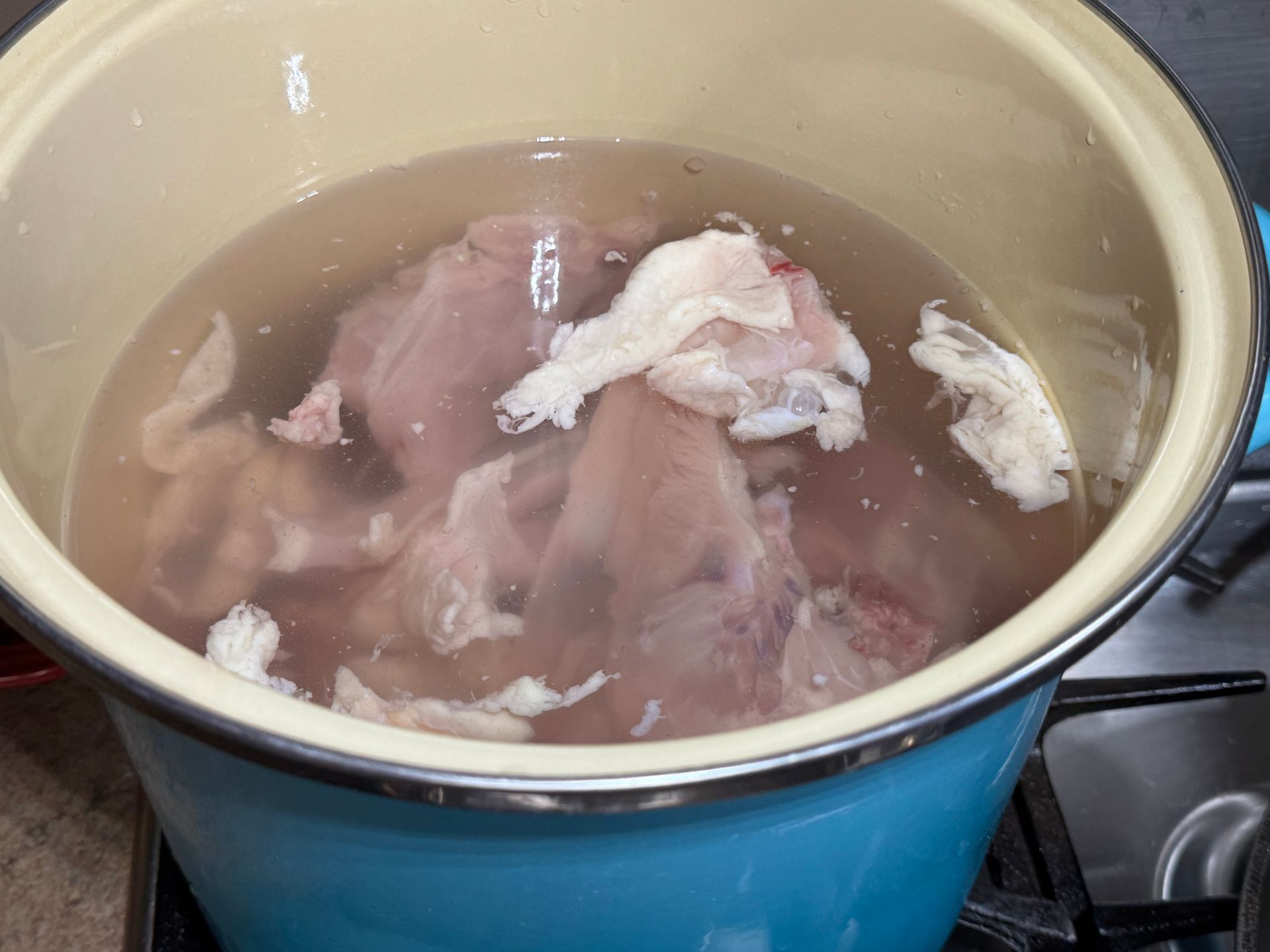
Chef Tom's Cooking Class Minute-Week 13 What the Heck Is Bone Broth? What’s your take on bone broth? Is it a new name for an old culinary tradition, or do you prepare yours differently? It's soup season! I use stock as the foundation for most of my soups. I’m clear on what a stock is, but what exactly is bone broth? I’m not totally sure where the culinary definition ends and the marketing begins. Broths seem to be healthy for us; they can provide protein, gelatin, collagen, electrolytes and amino acids, depending on the ingredients and how they’re prepared. The nutritional value varies, but they can help with hydration and protein intake. I’ve traveled throughout Asia & Europe to learn about stocks, broths and soups-I didn't find much information on bone broths. I even visited Chef Marco Canora, bone broth expert to discuss the recipes & techniques he uses to prepare his delicious Brodo bone broths at his restaurant Hearth in NYC. I think of bone broth as a traditional broth, similar to French petite marmite, Italian brodo, or the rich broths used as the foundation for Japanese ramen. One thing I know for sure: bone broth is not simply a collection of leftover meat and vegetable scraps you’ve saved in the freezer and boiled together when you feel like it! Chef Tom’s Tips: What’s the Difference? Stock: Traditionally prepared with bones, aromatics, seasonings & water. Broth: Prepared with meaty bones, aromatics, seasonings & water. Cooking time depends on the bones and the type of stock you’re making. Fish stock, or fumet, needs only about 30–40 minutes. Chicken stock generally simmers for 3–4 hours. White beef stock may take 5–6 hours. A few important points: I prefer to keep stock at a gentle simmer rather than a rolling boil. Some chefs bring the stock to a boil, strain and rinse the bones, and then start again with fresh water. I prefer not to use this method because I feel we may lose some flavor in the process. Carefully skim fat and impurities from the surface as the stock simmers. This helps produce a cleaner, clearer stock. Remember, stocks are recipes, too. Use consistent measurements so you can standardize your results and reproduce the same quality every time. Generally very little salt is added since stocks are used for a variety of cooking recipes. I also like to experiment with ingredients that add flavor and acidity, such as tomatoes and leeks. Mushrooms, ginger, lemongrass, saffron, star anise and Parmesan cheese rinds can all add another dimension to a broth. Each ingredient brings something different to the pot, so consider the flavor you want in the finished product.  Check out my new Soup e-cookbook, 'From the Pot to the Table' only $9.95! Order your copy here: https://www.globalcuisineconsulting.com/.../from-the-pot...
By Tom Griffiths • October 28, 2026
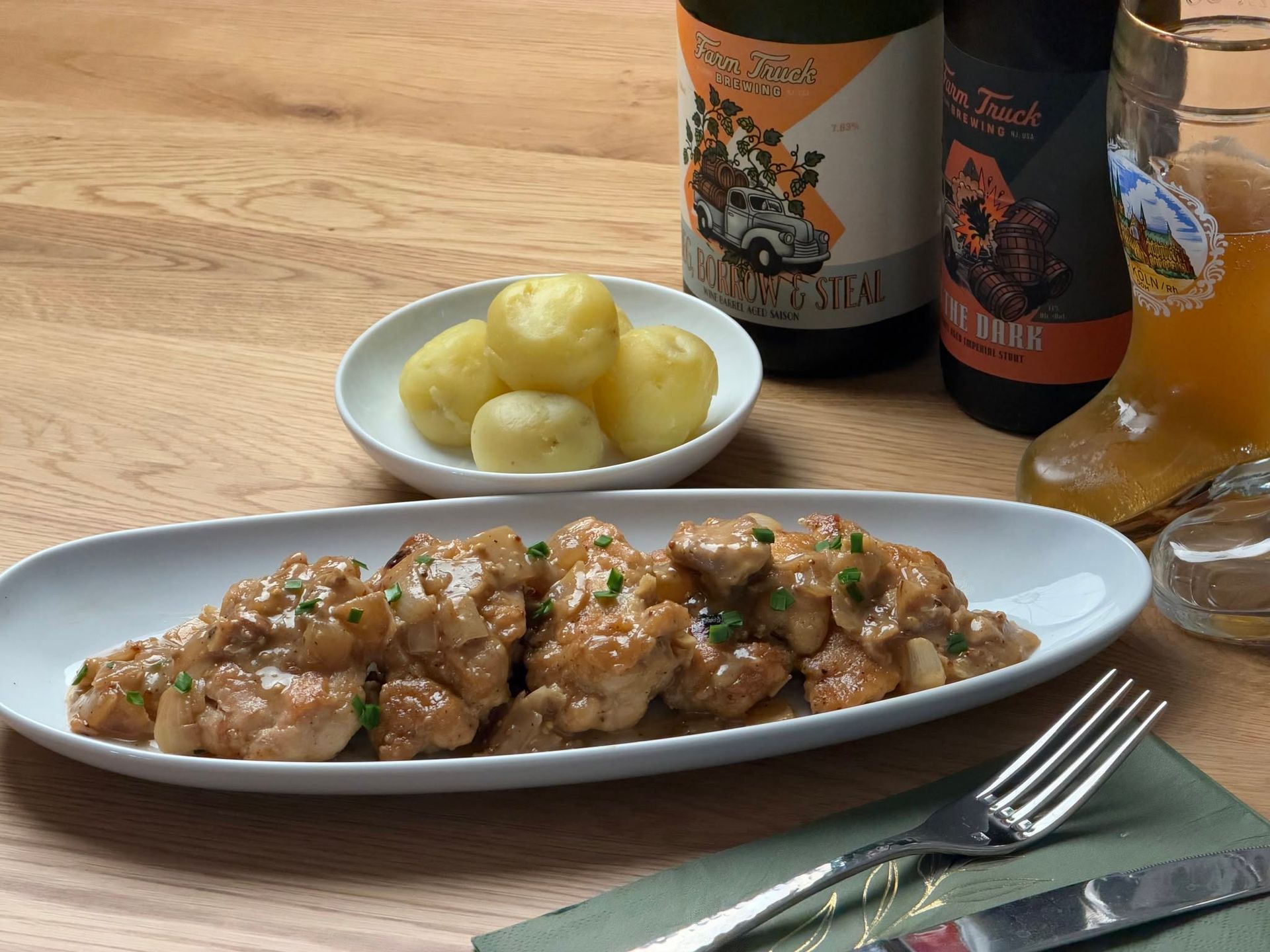
Chef Tom’s Cooking Class Minute – 𝐖𝐞𝐞𝐤 12 𝐌𝐨𝐢𝐬𝐭-𝐇𝐞𝐚𝐭 𝐂𝐨𝐨𝐤𝐢𝐧𝐠: 𝐁𝐞𝐞𝐫 𝐚𝐧𝐝 𝐚 𝐆𝐨𝐨𝐝 𝐁𝐫𝐚𝐢𝐬𝐞 I like beer! And of course, beer is good for more than drinking! It adds a wonderful depth of flavor to soups, stews and braised meats. The trick is choosing the right beer for the dish. A light lager, a malty brown ale and a dark stout each bring something different to the dish. And no, you don't need to use your most expensive bottle to make a good stew! I was reminiscing about International Cuisine class at the Culinary Institute of America. Chef Bruno Ehlmer was my instructor. I still remember the delicious foods we made in class; goulash soup, coulibiac, paella and carbonnade à la flamande, the traditional Flemish beef & onion stew made with dark beer. These were my favorites. There are several local breweries in town, so I recently stopped by to pick up a Belgian-style brown beer for my beer-braised chicken stew with onions. I use local, seasonal ingredients whenever I can, & this seemed like a good excuse to visit a brewery and bring a little Belgian inspiration into my kitchen. I had a fantastic Octoberfest in my research that day… hahaha 𝐀 𝐅𝐞𝐰 𝐓𝐢𝐩𝐬 𝐟𝐨𝐫 𝐚 𝐩𝐫𝐨𝐩𝐞𝐫 𝐁𝐫𝐚𝐢𝐬𝐞 𝐋𝐨𝐰 𝐚𝐧𝐝 𝐬𝐥𝐨𝐰 cook it slowly in a flavorful, fairly thick gravy. In my experience, cooking at too high a temperature or in a thin liquid leaves the meat stringy instead of tender & succulent. 𝐁𝐮𝐢𝐥𝐝 𝐭𝐡𝐞 𝐟𝐥𝐚𝐯𝐨𝐫 𝐟𝐢𝐫𝐬𝐭 dredge the seasoned meat in sifted flour & brown it in clarified butter with sliced onions. This dish is flavored with mustard, vinegar, a little brown sugar & thickened with bread. 𝐋𝐞𝐭 𝐭𝐡𝐞 𝐨𝐯𝐞𝐧 𝐝𝐨 𝐭𝐡𝐞 𝐰𝐨𝐫𝐤 braise or stew in a covered pot in the oven. I like Le Creuset pots & pans. The heat is more even, and there is less chance of scorching the bottom of the pan. Uncover the pan for the final 30 minutes so the sauce can reduce and form a delicious glaze over the meat. 𝐂𝐡𝐨𝐨𝐬𝐞 𝐲𝐨𝐮𝐫 𝐜𝐡𝐢𝐜𝐤𝐞𝐧. I like Bell & Evans chicken thighs for this method. I often leave the skin on for flavor and brown it well before braising. I leave the bones in, but boneless thighs are perfectly fine. You can even cut them into bite-sized pieces for easier serving. The skin can be left on the plate or eaten, depending on your preference. Serve the stew with buttered noodles or boiled potatoes. Both are excellent for soaking up the gravy. One last tip: Don't assume that any beer will give you the same result. Think about how the bitterness, maltiness or roasted flavors will work with the meat & sauce. What beer do you like to cook with?
By Tom Griffiths • October 22, 2026
In my opinion, a great broth begins with a properly prepared stock. Homemade stock is one of the fundamentals I encourage every cook to learn. It is quite simple to prepare but takes some time, but much of that time is hands-off, and the results are worth the effort. I understand that there are plenty of stock 'products' on the market-bases, bouillon cubes, shelf stable boxes etc... these are simply not good. My approach is straightforward: start with good ingredients and give them the time they need. Fish stock requires only about 30–40 minutes, while chicken stock generally takes three to four hours. Beef stocks can take considerably longer, depending on the bones and the result you want. I prefer a gentle simmer rather than a rolling boil. It helps keep the stock clear, and careful skimming and proper straining make a difference in the finished product. There is plenty of room to experiment, too. Mushrooms, ginger, lemongrass, herbs, spices and Parmesan rinds can add their own character to a broth.
By Tom Griffiths • October 9, 2026
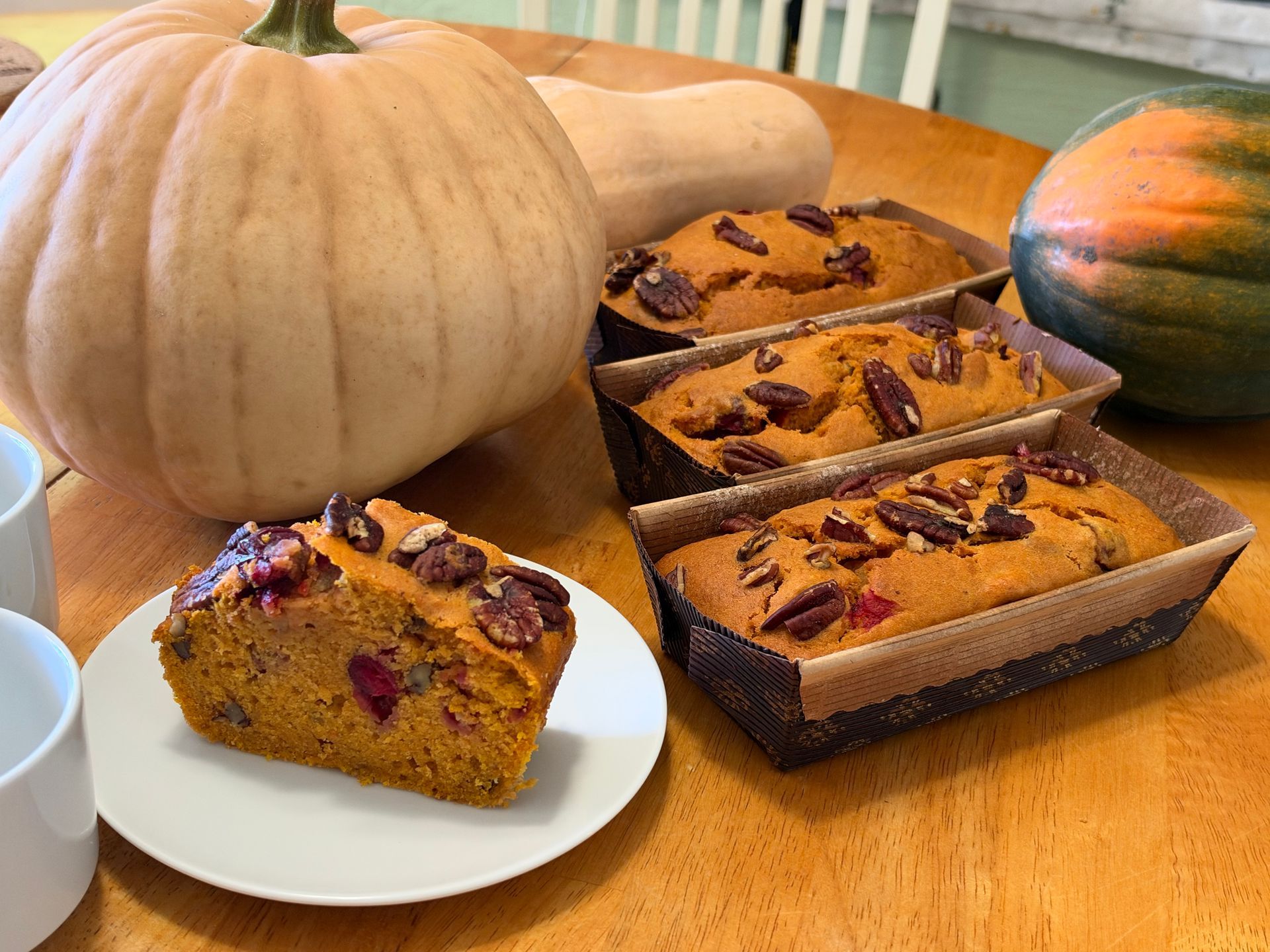
Chef Tom’s Cooking Class Minute — Week 11 The Garden Is Telling Me It’s Fall
By Tom Griffiths • October 1, 2026
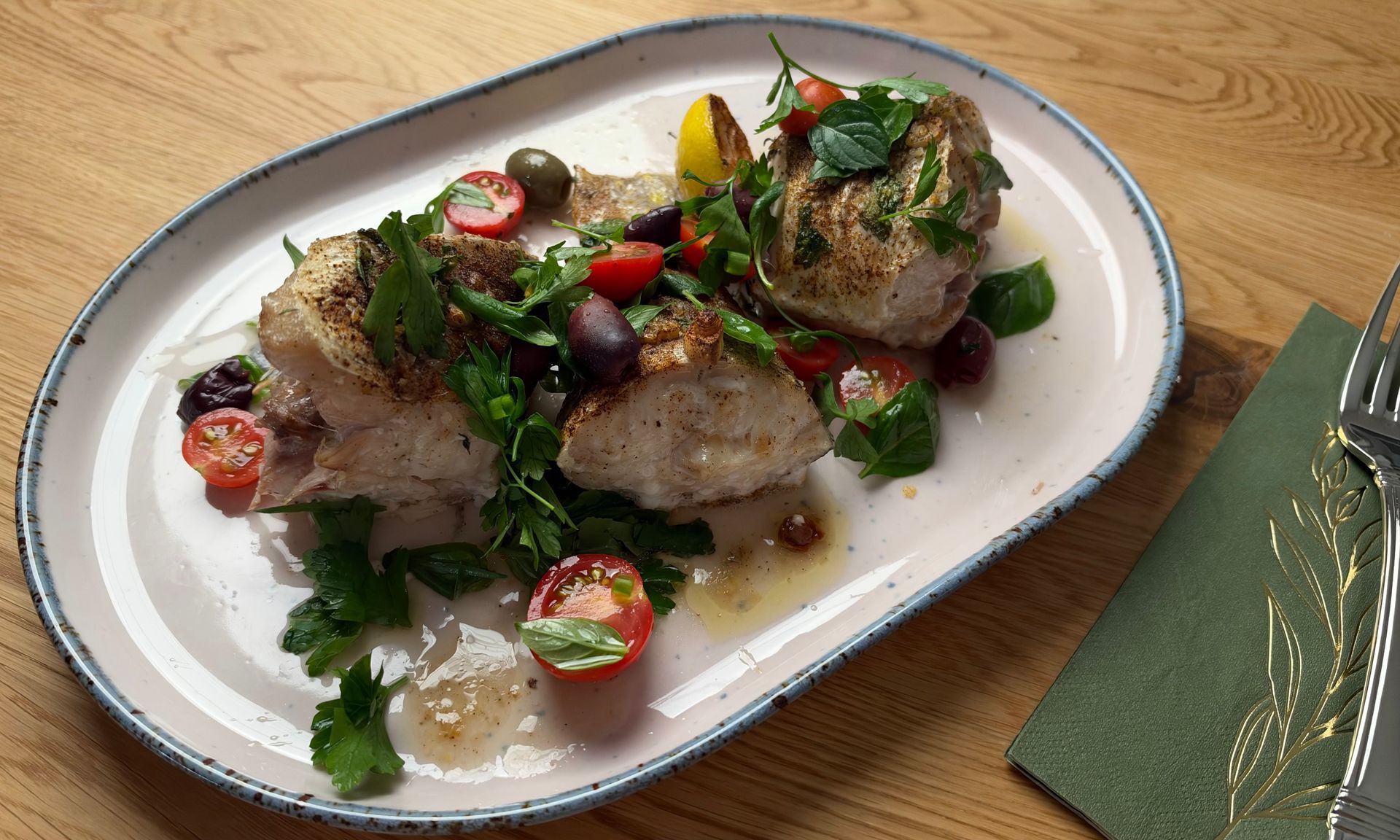
Chef Tom’s Cooking Class Minute — Week 10 Roasting Fish Let the Fish Taste Like Fish
By Tom Griffiths • October 1, 2026
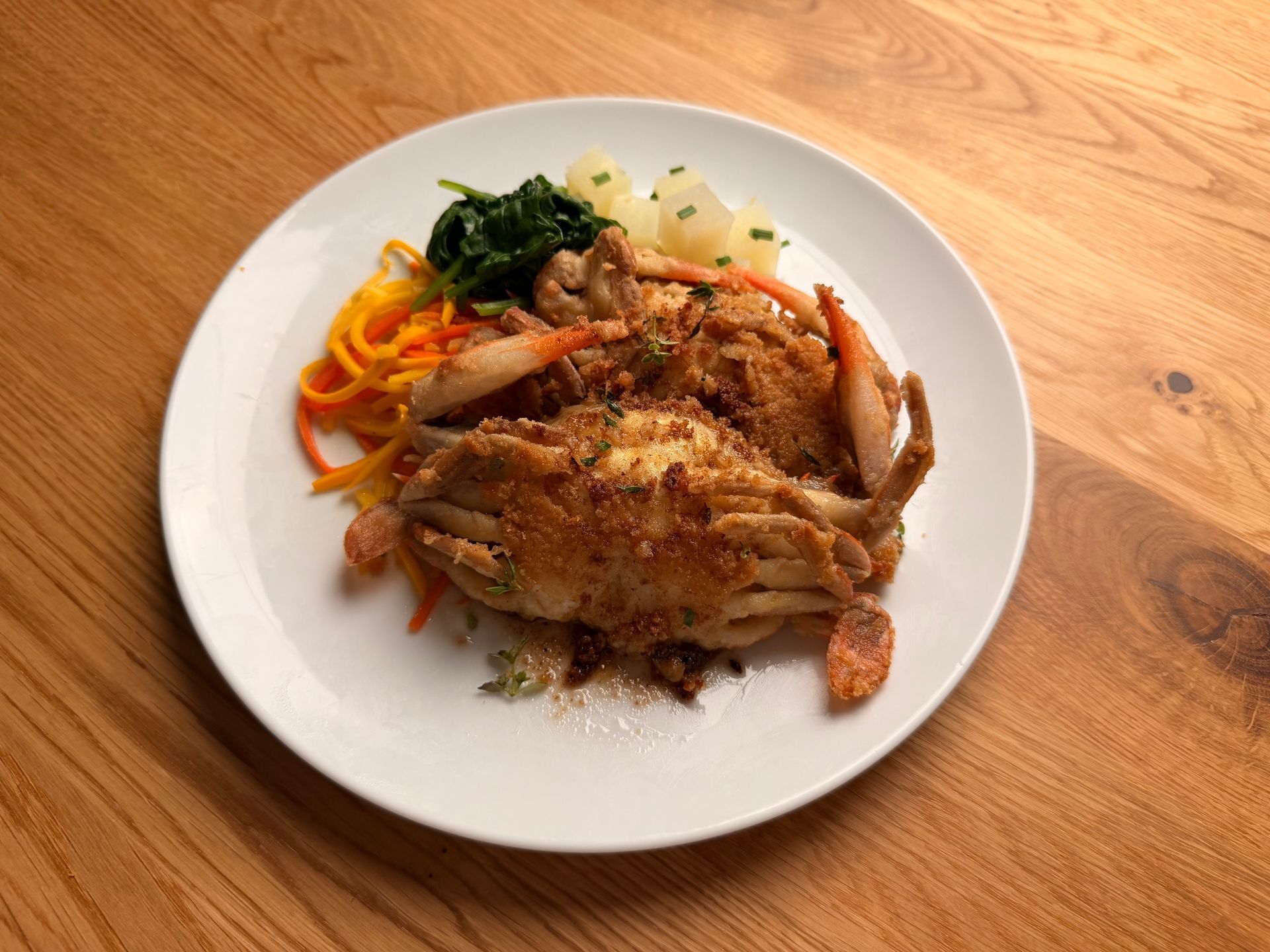
Chef Tom's Cooking Class Minute: Week 8 Soft Shell Crabs-What’s Your Favorite Way to Eat Them?
By Tom Griffiths • October 1, 2026
Chef Tom's Cooking Class Minute: Week 7 Fava Beans