Chef Tom's Cooking Class Minute: Week 7
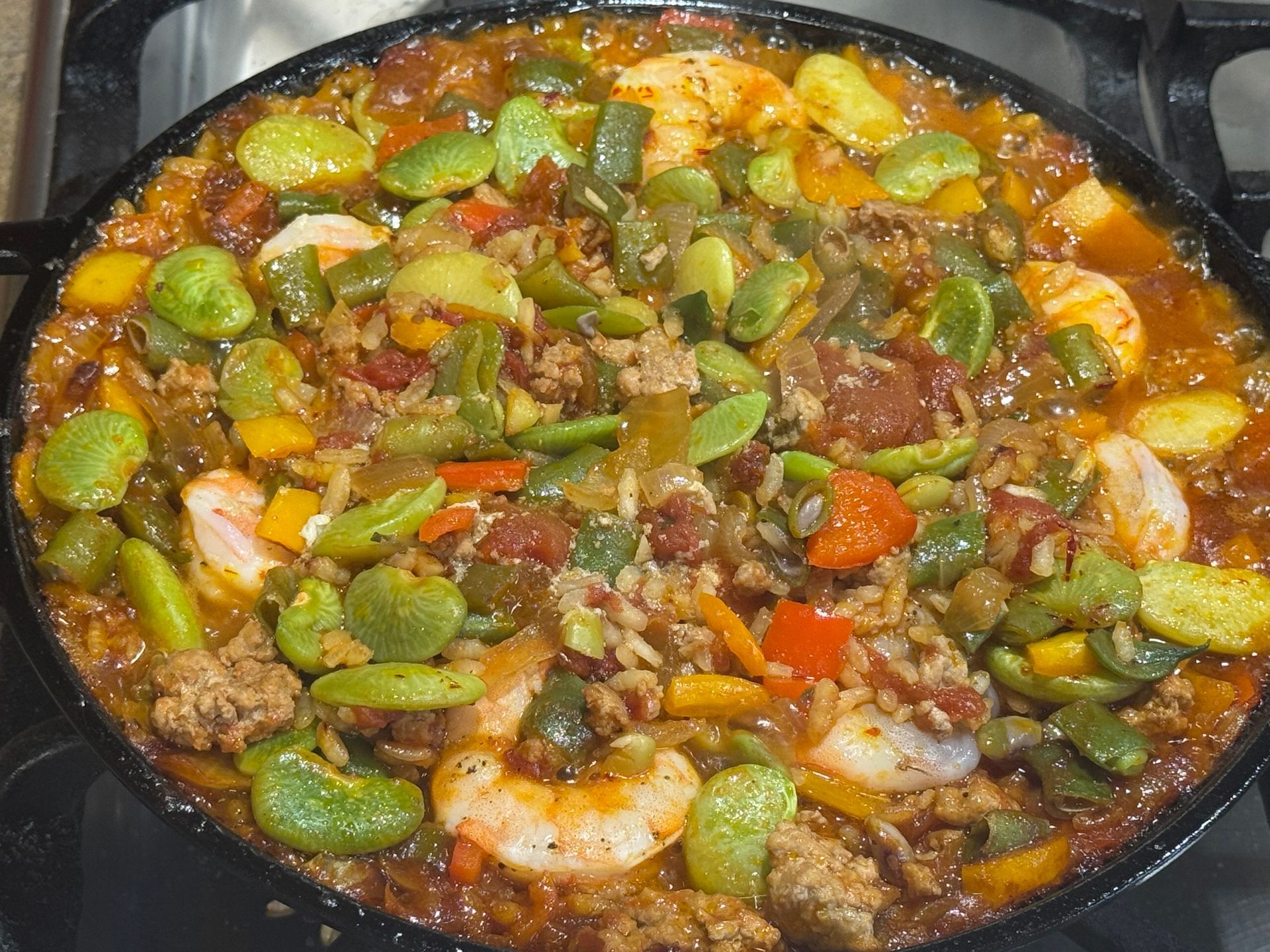
Fava Beans
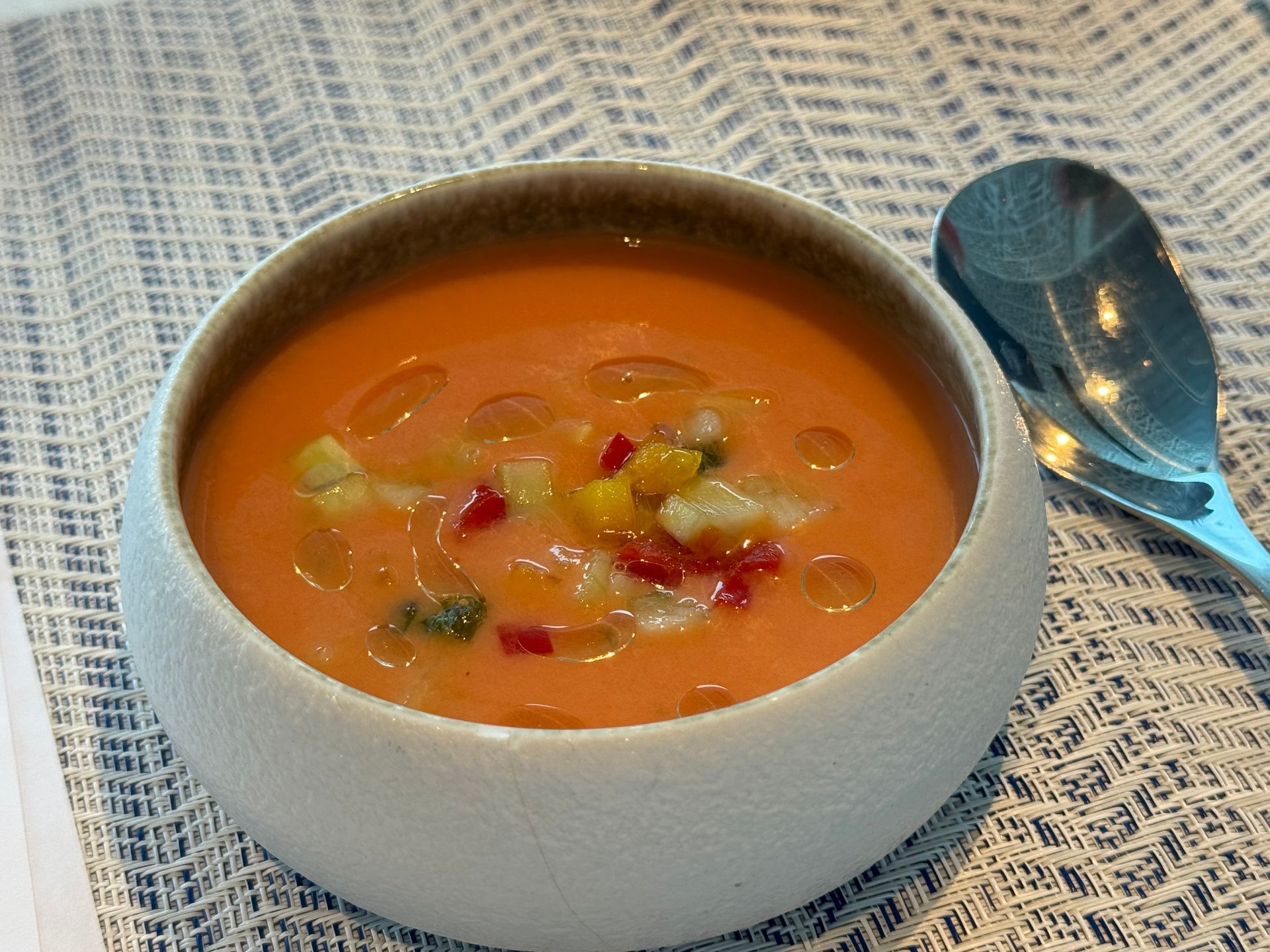
Gazpacho & Summer Tomatoes
I remember when I was a young boy, my father hired some Italian masons to build a brick wall in our front yard. As they dug, they found all kinds of old, small toys, bottles and interesting things- and would put them to the side for me.
At lunchtime, the workers would sit down with huge Italian sub sandwiches, thermos of coffee and ripe tomatoes. They would eat the tomatoes right out of their hand, just like an apple, with the juice running down their faces. I thought it was the oddest thing I had ever seen... Now I completely understand.
Summer tomatoes are one of the things I look forward to every year. There are so many different tomatoes to choose from. And if you grow them, you already know that not every tomato tastes the same. Tomatoes, cucumbers and peppers are at their best right now. My wife, Junnie, is preparing jars of pickled peppers, and I’m dicing and freezing beautiful plum tomatoes. It’s also a great time to make gazpacho.
I remember teaching students to prepare huge batches of gazpacho for CIA graduation meals years ago. We used local farm vegetables and fantastic, CIA baguettes, diced and baked in olive oil to thicken the gazpacho-it was amazing. I’ve become really interested in creating gazpacho recipes after spending time in Barcelona with my wife. We tasted gazpacho everywhere—from small cafés to markets—and I was surprised by how different they could be. Some were brilliant red, some pale green, and others almost white from almonds and garlic. Each was amazing-vibrant and delicious!
While researching recipes for my new cookbook on seasonal soups, I was reminded of something important about gazpacho: it benefits from time. I always prepare mine the day before and let the vegetables, olive oil and vinegar develop together overnight.
My tips:
Varieties of tomatoes taste different from each other. I suggest you grow or purchase different tomatoes and learn what type you prefer. There is also a terroir factor so that the same type of tomato may taste different from year to year.
Let's Keep Learning Together
What topic would you like me to cover in a future Cooking Class Minute? I'm always looking for ideas from fellow cooks, chefs, and food enthusiasts.
Chef Tom Griffiths, Certified Master Chef
Former CIA Instructor • R&D Chef • Hospitality Advisory Consultant
"Helping chefs, entrepreneurs, and food companies create exceptional food products."