
Beginner's Recipes
please enjoy preparing these delicious recipes for friends & family
These are a few of my favorite beginner's recipes,
enjoy the journey... Cooking is fun!
Thomas Griffiths
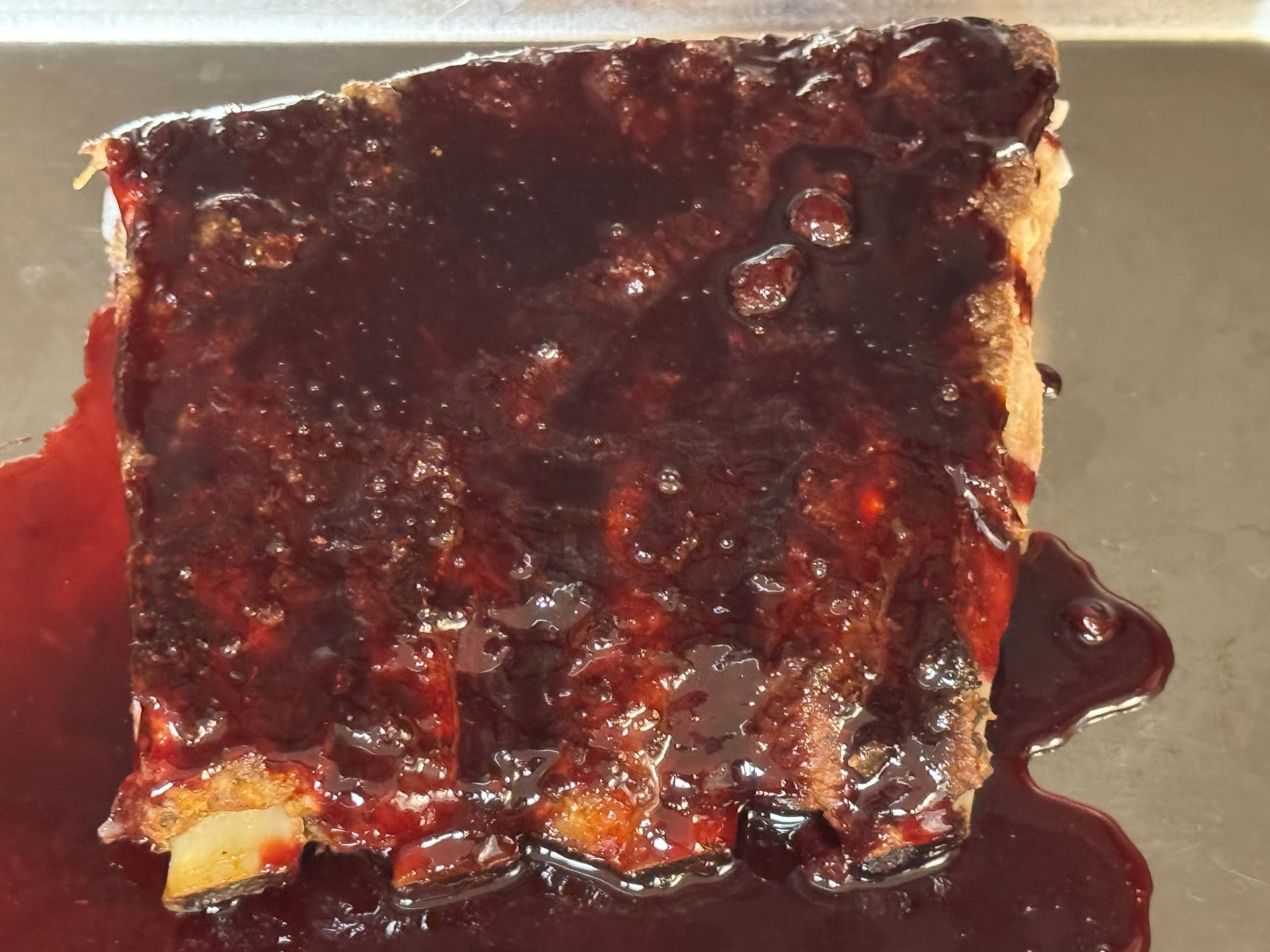
Years ago I traveled around the south for a few weeks researching some of the amazing foods of each region. In Charleston, I was introduced to a local pig farmer, Tank Jackson who manages Holy City Hogs. Tank and his wife raise heritage breed pigs and distribute the pigs around the country. He offers on-site cooking whole pig roasts, primal cuts and sausages, and I believe he produces the best pork in the country.
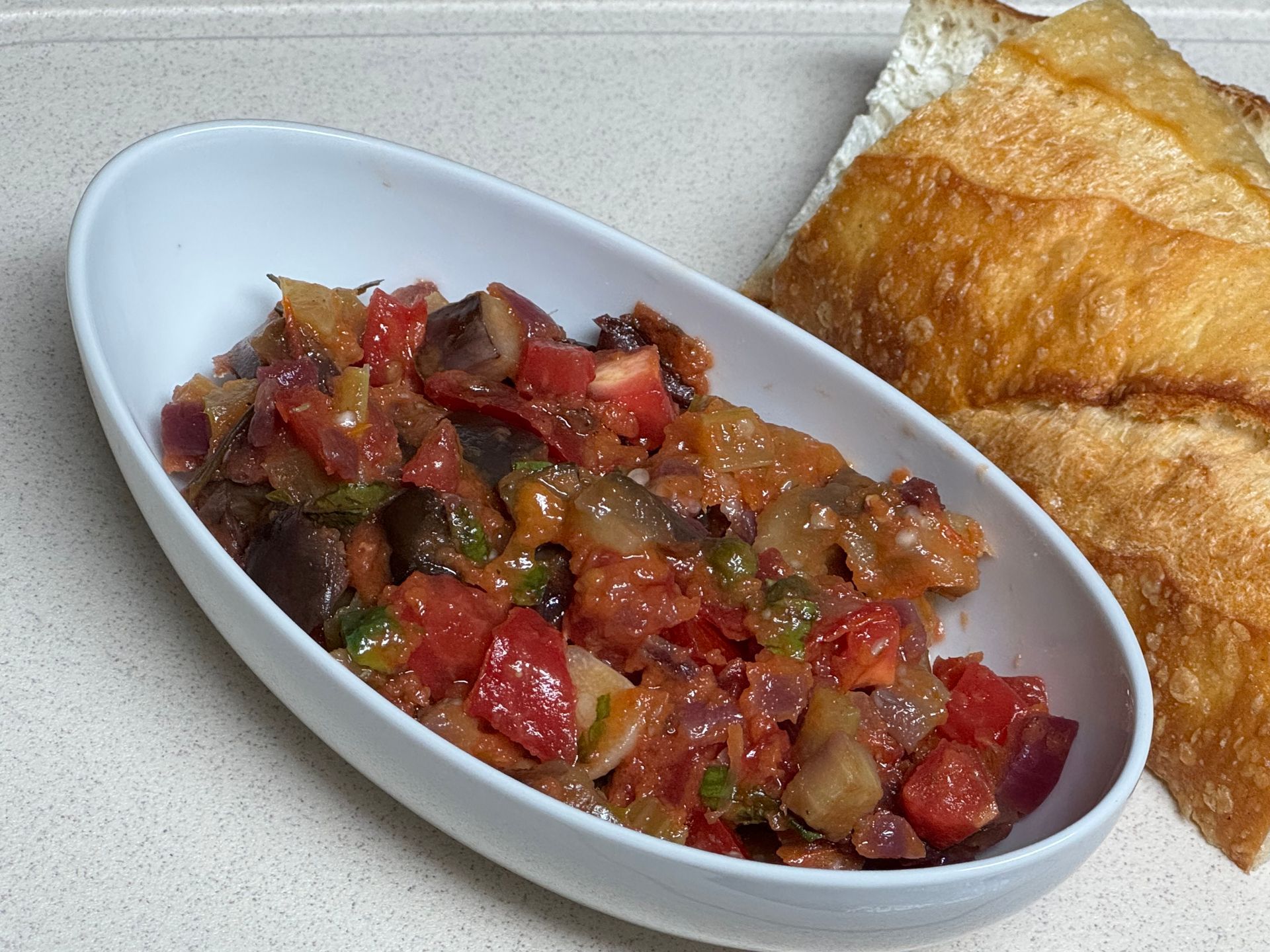
The name "caponata" itself has a fascinating origin story. One popular theory suggests it derives from capone, the Sicilian word for mahi-mahi. Historically, wealthy Sicilian aristocrats enjoyed a sweet-and-sour fish dish. Because seafood was too expensive for the working class, local home cooks substituted fish with affordable, meaty eggplant. Over time, this creative peasant food evolved into the beloved antipasto we celebrate today, often rounded out with celery, olives, and capers.
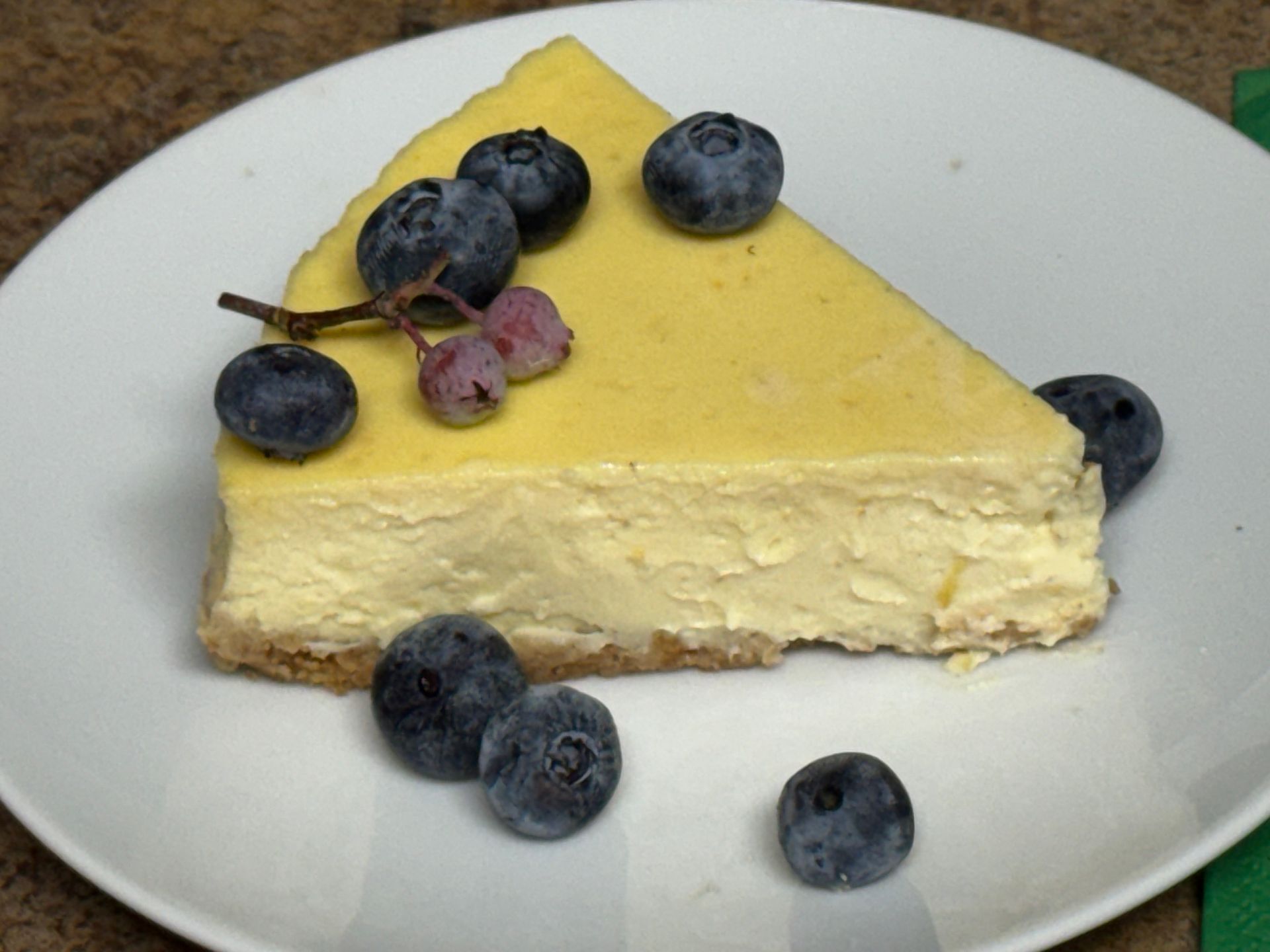
The legendary New York-style cheesecake was famously popularized by Lindy’s Restaurant , an iconic Theater District deli opened in 1921 by German-immigrant Leo "Lindy" Lindemann and his wife Clara . A NY-style cheesecake has a dense but velvety cream cheese base, citrus zest, and a distinct cookie-dough pastry crus t. For years, I took the bus into NYC to work in amazing restaurant kitchens. On one bus ride I met and became friends with a manager at the legendary Lindy’s Restaurant. One day, he did the ultimate honor: he shared the closely guarded, original cheesecake recipe with me. This new recipe is directly inspired by that legendary Lindy’s classic, capturing its iconic velvety richness and signature flavor profile, but re-engineered for a modern, protein-packed lifestyle. Why This Recipe Delivers High-protein swap : Cottage cheese provides a clean, protein-packed base that replaces heavy fats without sacrificing richness. Silky texture : Blending the batter thoroughly ensures a velvety smooth consistency that rivals any NY-style cake. Savory-approved : Simple, foolproof assembly that requires no pastry-chef precision to get a perfect bake every time.
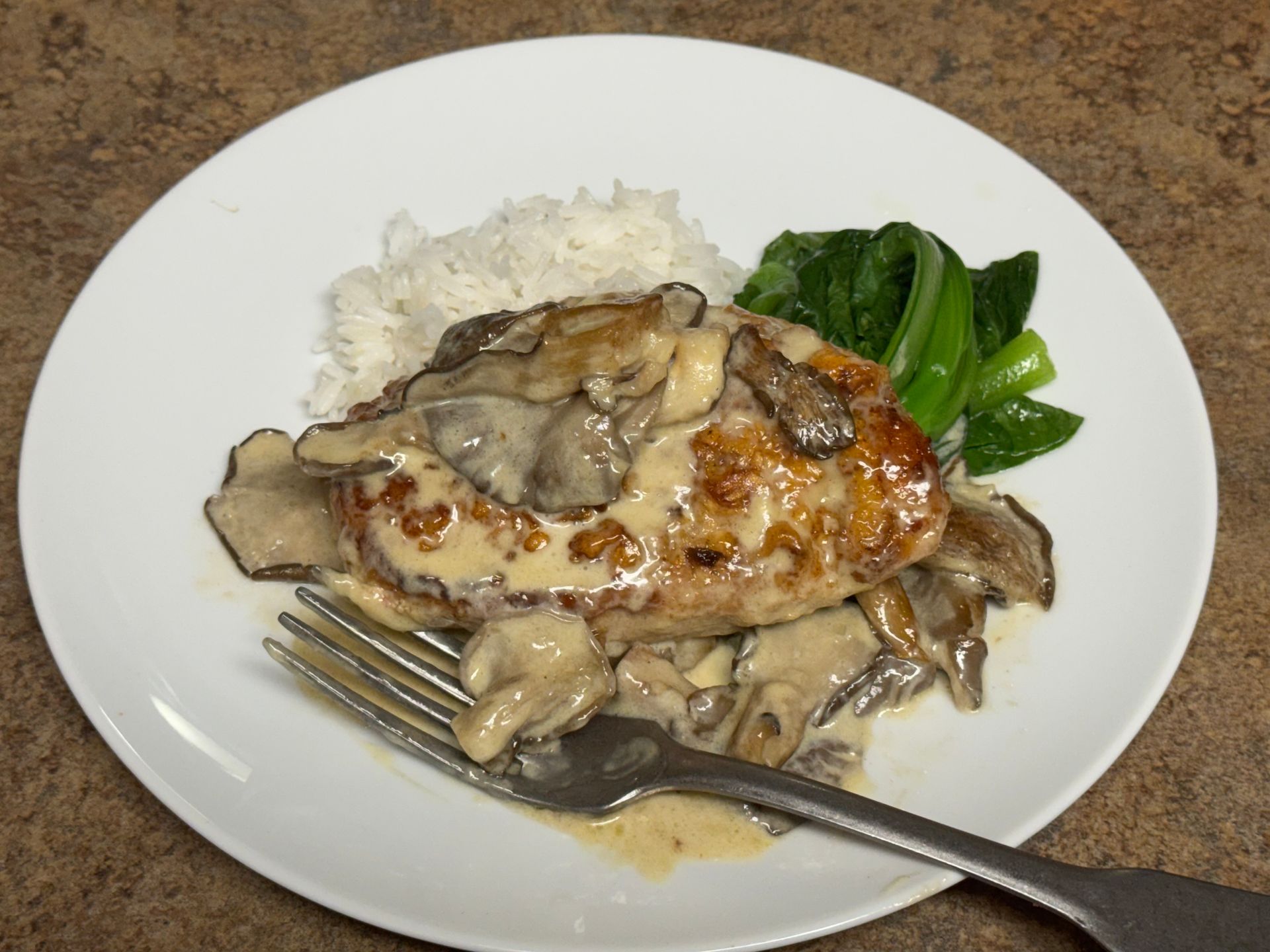
As chefs, we spend years mastering sauté work. I remember my early days working the sauté station for lunch in a French restaurant in NYC. We served over one hundred guests in an hour-and the food was excellent — a dozen hot pans on the flat top, stocks simmering, mise en place of freshly chopped herbs, minced shallots, butter for mounting into sauces à la minute. There is rhythm to good sauté cooking. You learn quickly that great sauté work is not about rushing — it is about organization and control .
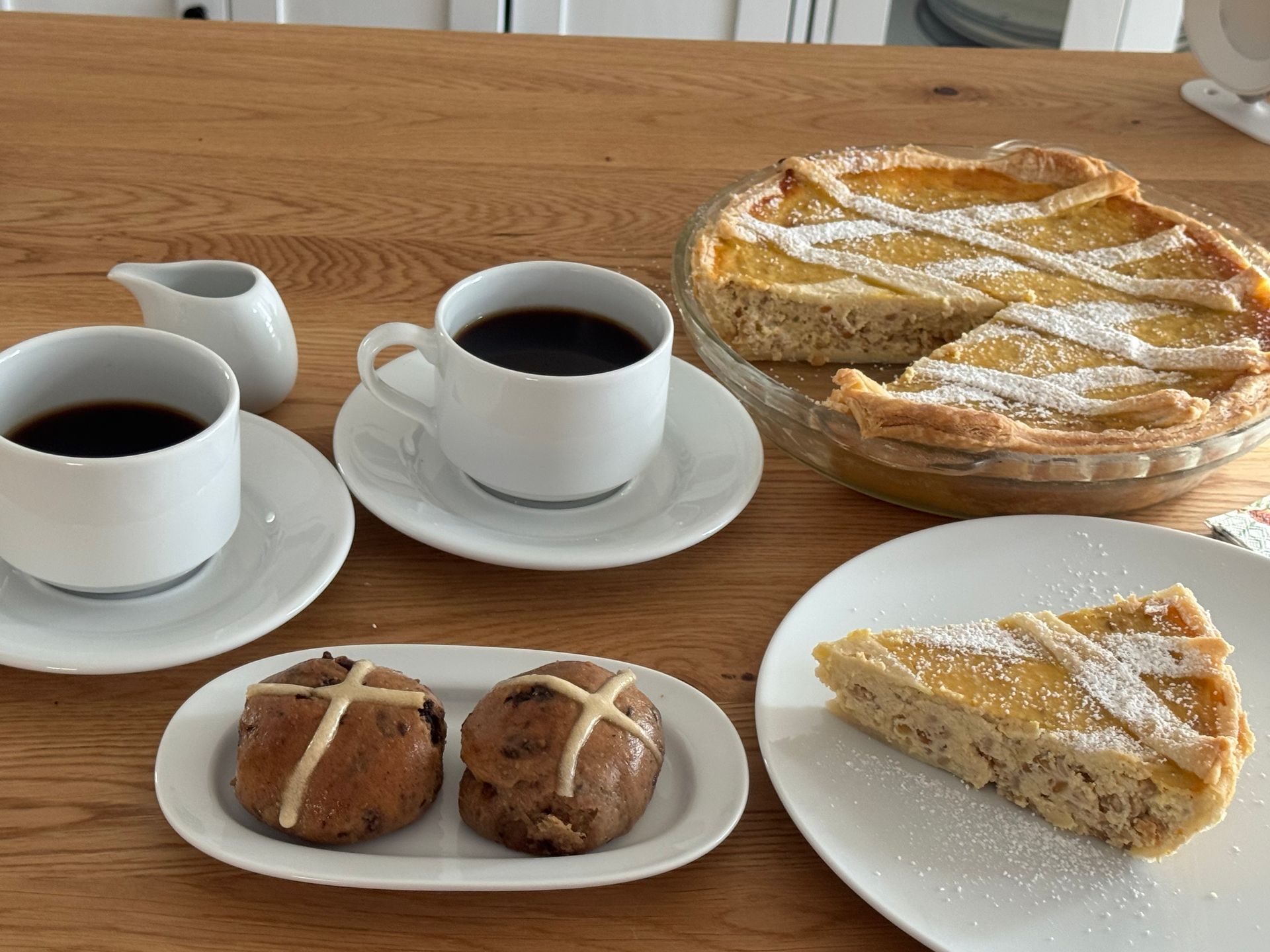
Our Easter and Christmas meals were feasts... my mother's family all met at Aunt Flora's home in Jersey City to enjoy and celebrate the holidays. Dinner began with platters of fresh mozzarella, roasted peppers, olives, Italian bread, then a pasta course (manicotti or lasagna for the religious holidays), a roast or sausages with plenty of vegetables and traditional Italian desserts with dark coffee.We ate Italian Easter Wheat Pie one day each year—and it was never store-bought. My Aunts brought Easter cookies and baked goods-the wheat pie was my favorite. I loved the slight 'bite' of the wheat and flavors of cinnamon, vanilla and citrus. My father sometimes let me have a sip of his espresso with the dessert. I'm not sure if my mother used lard for the pie crust-she was a fan of butter and Crisco but the crust was always flaky.
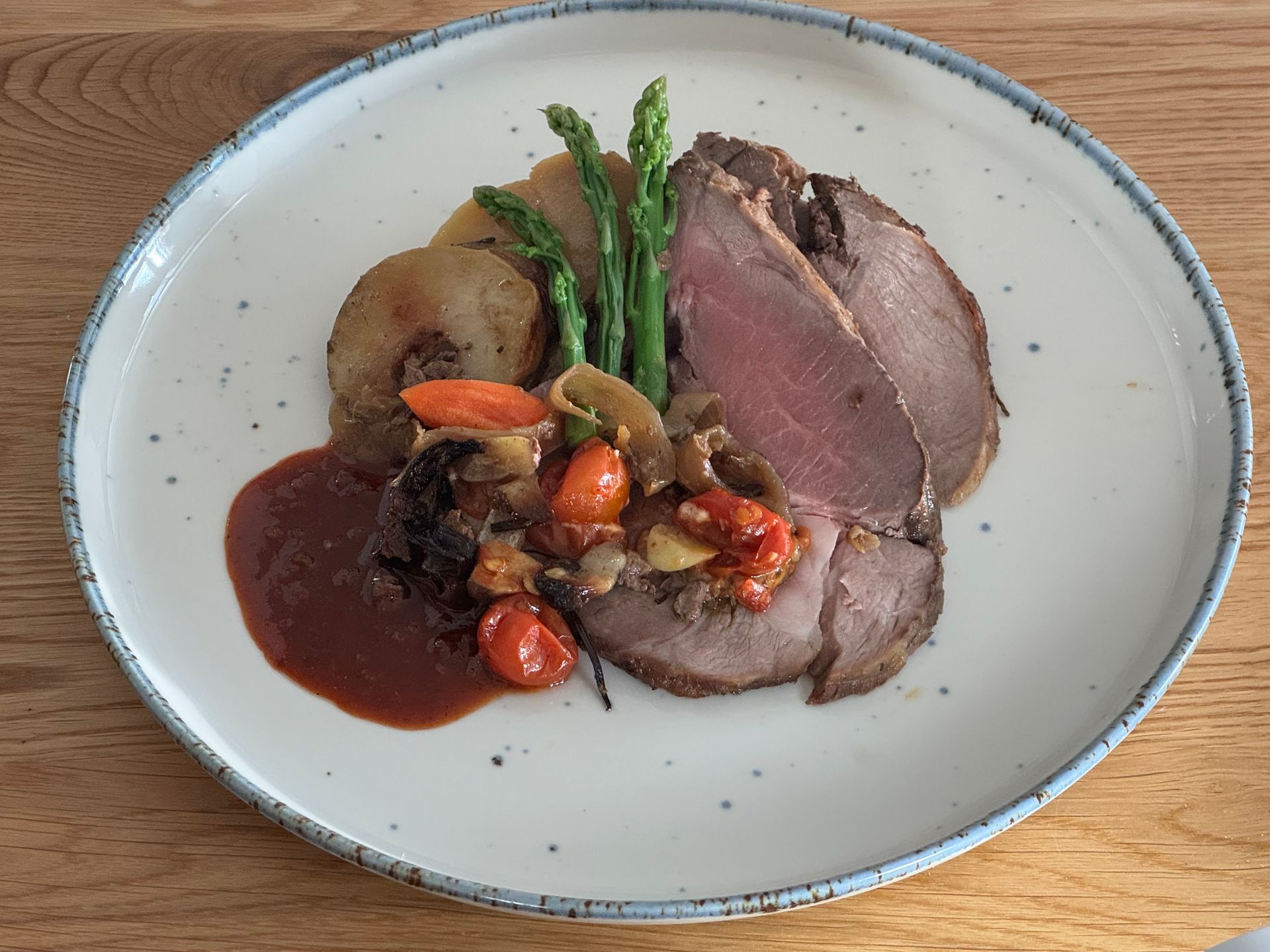
There are certain dishes that stay with you—not just for their flavor, but for what they represent. For me, roasting a leg of lamb over Pommes boulangère is one of those meals. I don't recall having lamb at any occasions growing up so this was a dish that I proudly introduced to our family. As a young cook, it was something I could prepare with limited experience, and it provided deeply satisfying results. The lamb roasts in the oven over a bed of potatoes, onions, and garlic, allowing its natural juices and fat to baste the vegetables below. It's actually a simple preparation but becomes a complete, delicious meal—the potatoes absorbing flavor and becoming just as important as the roast itself. These days I'm developing delicious recipes using spice blends such as Ras el hanout, Baharat, Za'atar, Togarashi and even Harissa. I also love roasting leg of lamb outdoors on a grill or rotisserie. I like the subtle smokiness from applewood or dried herbs when I'm roasting lamb outdoors.
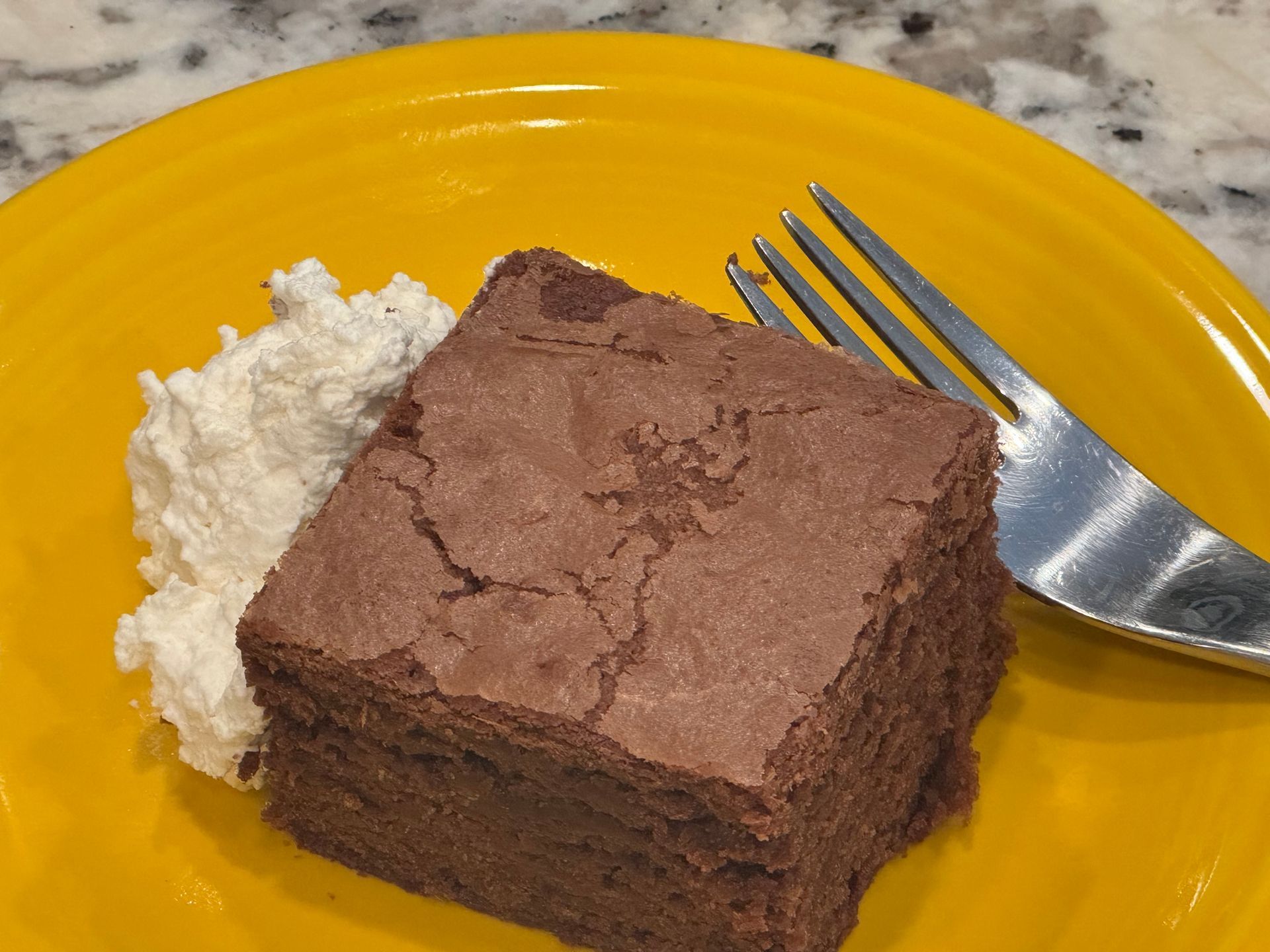
There are plenty of brownie recipes—and then there is the one that lives in memory. This is the only brownie recipe I bake, from Julia Child, whose influence reached far beyond French cuisine and into the home kitchens of passionate bakers like my mother. A devoted admirer, she baked these brownies often—usually for the dessert trolley at my restaurant. We featured a brownie freeze... brownie cubes with homemade vanilla ice cream, warm melted chocolate and freshly whipped cream-amazing! For me, this recipe is more than a classic—it’s a reflection of how great cooking is passed down: through admiration, repetition, and a deep love of craft.
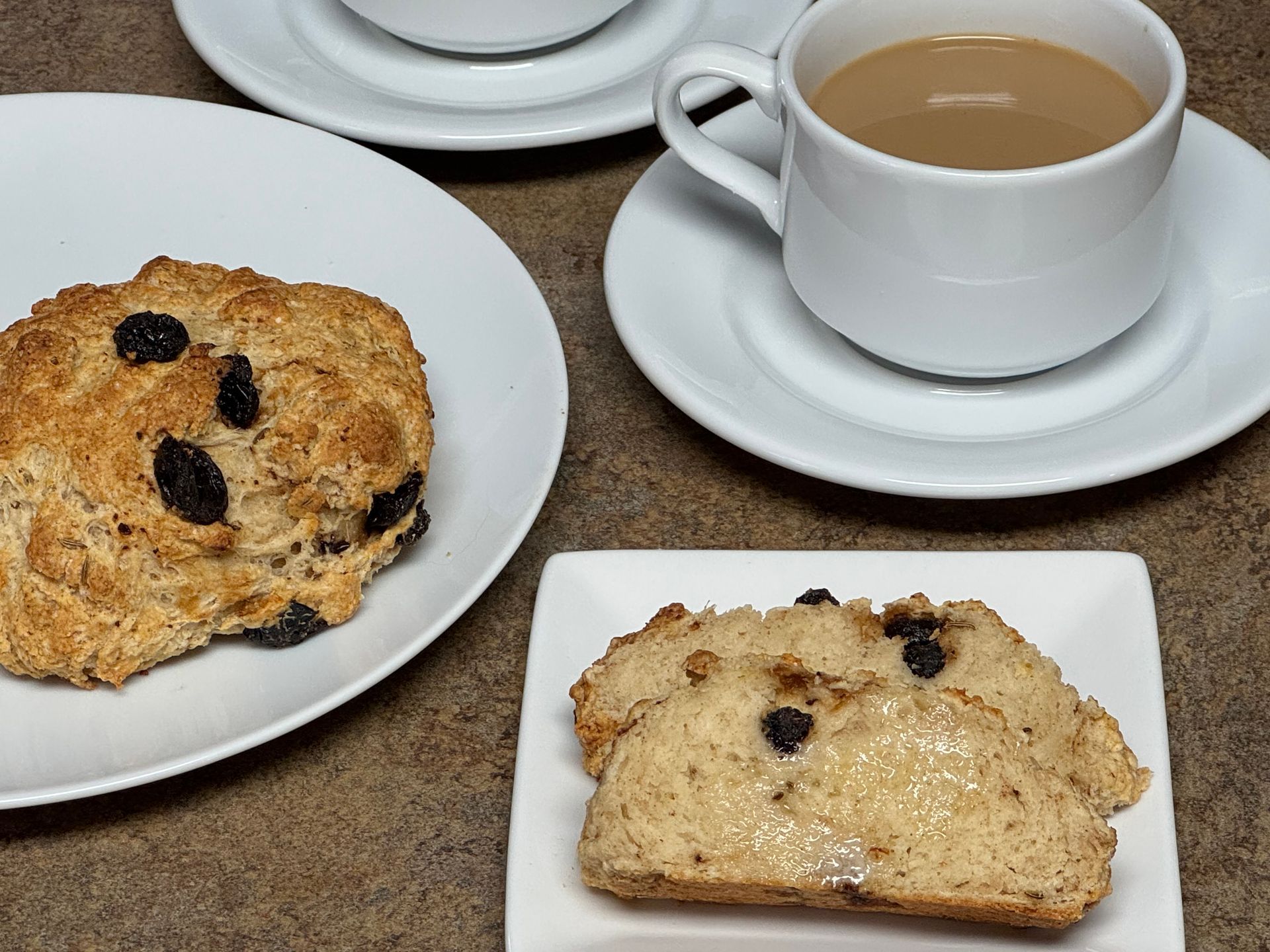
We ate Irish soda bread one day each year—and it was never store-bought. Soda bread wasn’t part of our cultural lineage, but it earned its place through something more universal: respect for tradition. My mother was not an occasional baker— growing up, her baking centered on Italian traditions: special Christmas cookies, the Vigna family birthday cake, and beautifully braided Easter breads that reflected heritage. Later, like many serious home bakers of her generation, she was influenced by Julia Child . That influence expanded her repertoire into classic European pastry—Paris-Brest, pound cakes, even German chocolate cake. The iconic cross cut into the top of the loaf is often said to “let the fairies out,” though in professional kitchens we recognize its functional role: allowing heat to penetrate and the loaf to expand evenly during baking.
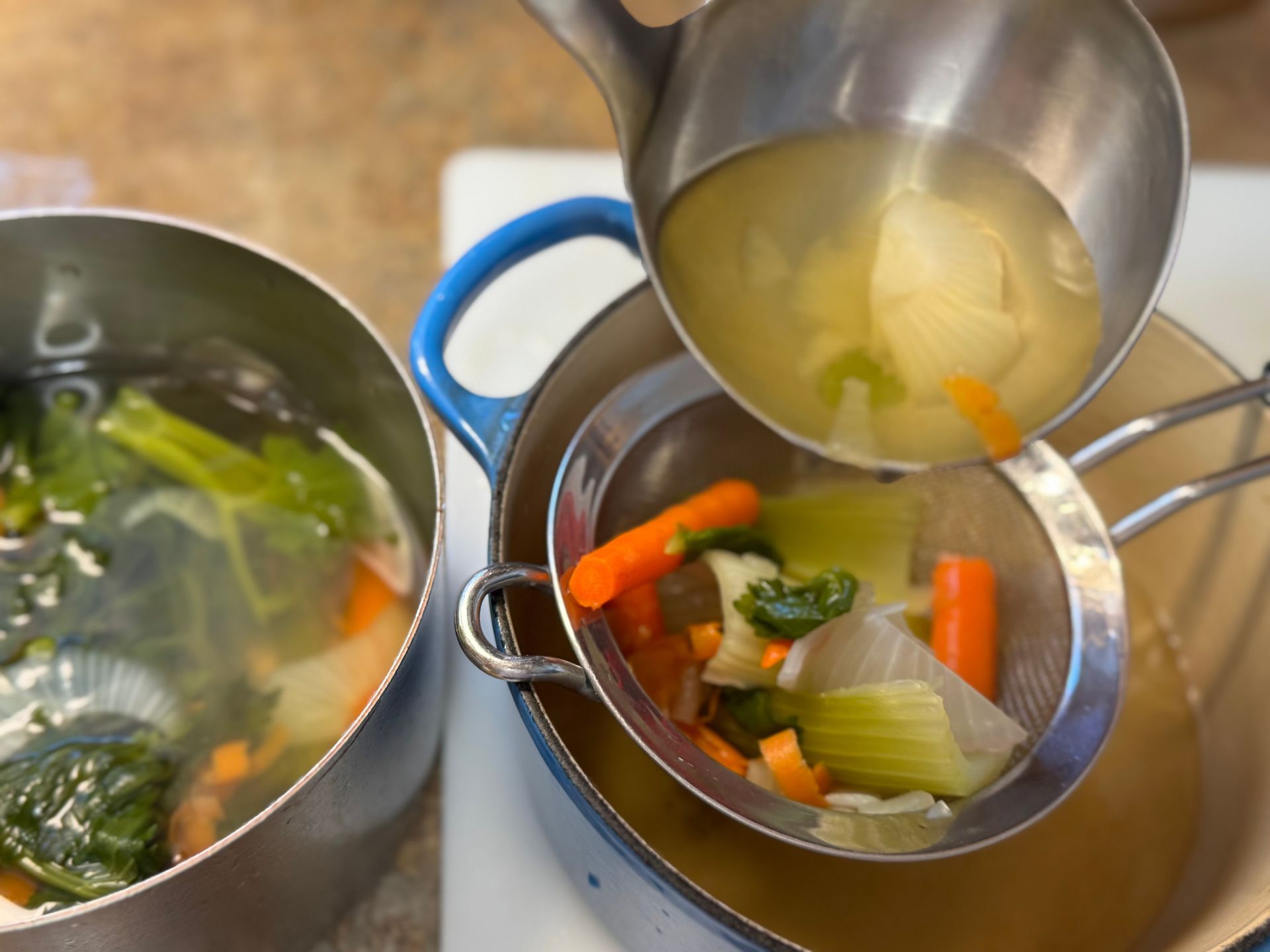
I recently volunteered to prepare vegetable paella for a church Bible group potluck. I was very excited to develop a delicious, new paella recipe and spent time preparing fresh vegetable stock with flavors of the Mediterranean. I always prepare vegetable and fish stocks fresh, as I intend to use them. I’m not a fan of bases or frozen stocks but I sometimes add a small amount of quality base to my stocks. A vegetable stock with mirepoix, cabbage, mushrooms makes sense in certain applications, for certain recipes—but why would we use a mushroom or cabbage-forward stock in a paella? It doesn’t make culinary sense. Paella is a Mediterranean dish originating in the Valencia region of Spain as a humble meal cooked on an open fire. I’ve enjoyed wonderful paella meals in Valencia prepared with water-not stock, prepared with rabbit, snails and local beans. While traveling through Spain this spring I researched and sampled many styles of paella… no mushrooms, no carrots, no celery and no cabbage.
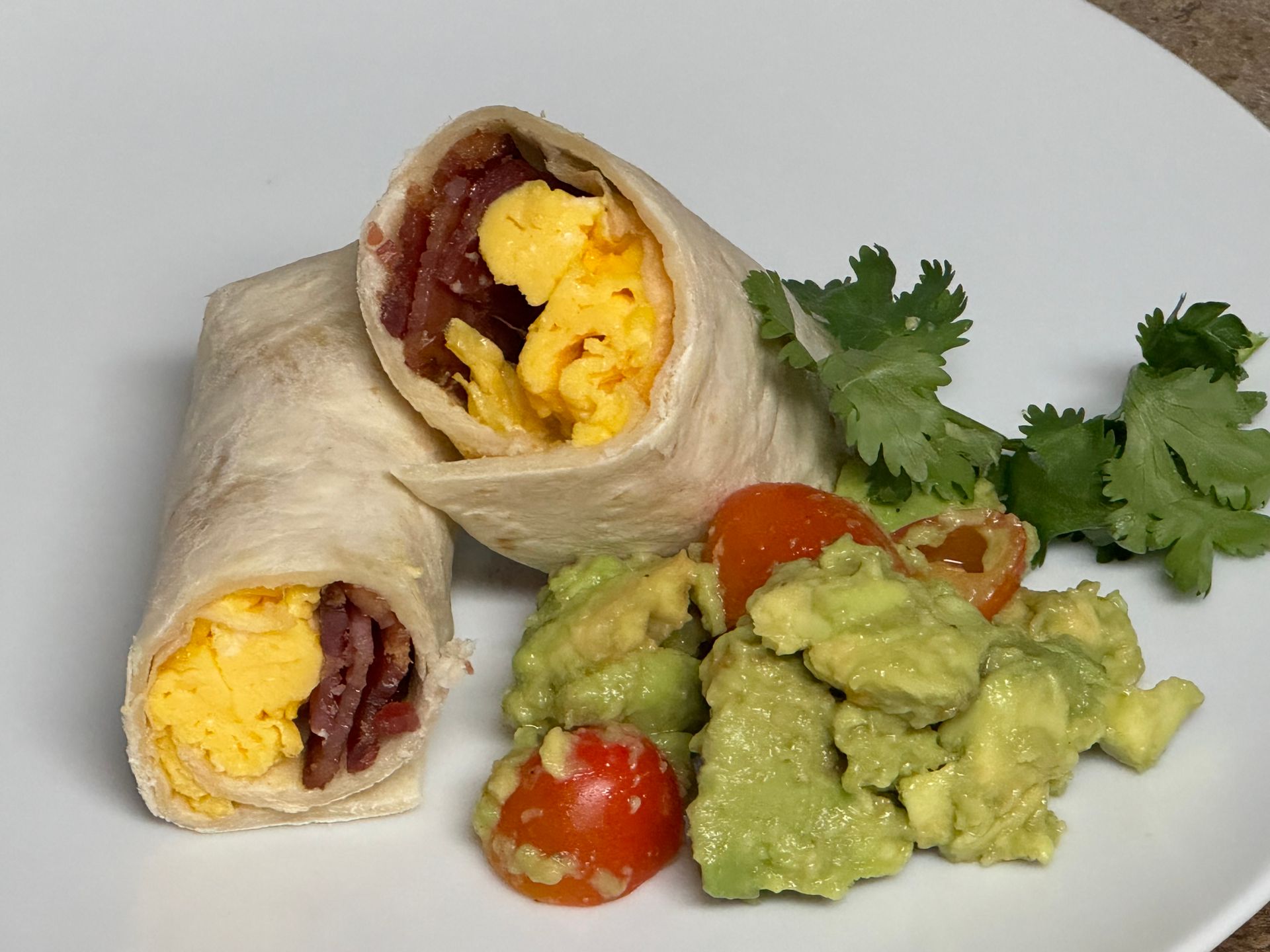
I still remember cooking breakfast burritos with my son Daniel, for volunteer workers at church events—simple, hearty, and made to fuel a long day of service. The workers were always so appreciative. Years later, I served a crowd favorite, nicknamed “The Bacon-ator,” a breakfast superstar inspired by the over-the-top spirit of fast-food indulgence. We had a popular food booth at the local country fair, where we cooked hundreds of breakfast burritos each day-stuffed with Mexican cheeses, extra bacon, fluffy scrambled eggs, and fresh salsa—nothing pre-made, nothing rushed. Every burrito was warm, fresh, and full of flavor. When food is made with love, even the most straightforward breakfast is memorable.