
Thanksgiving Holiday Recipes
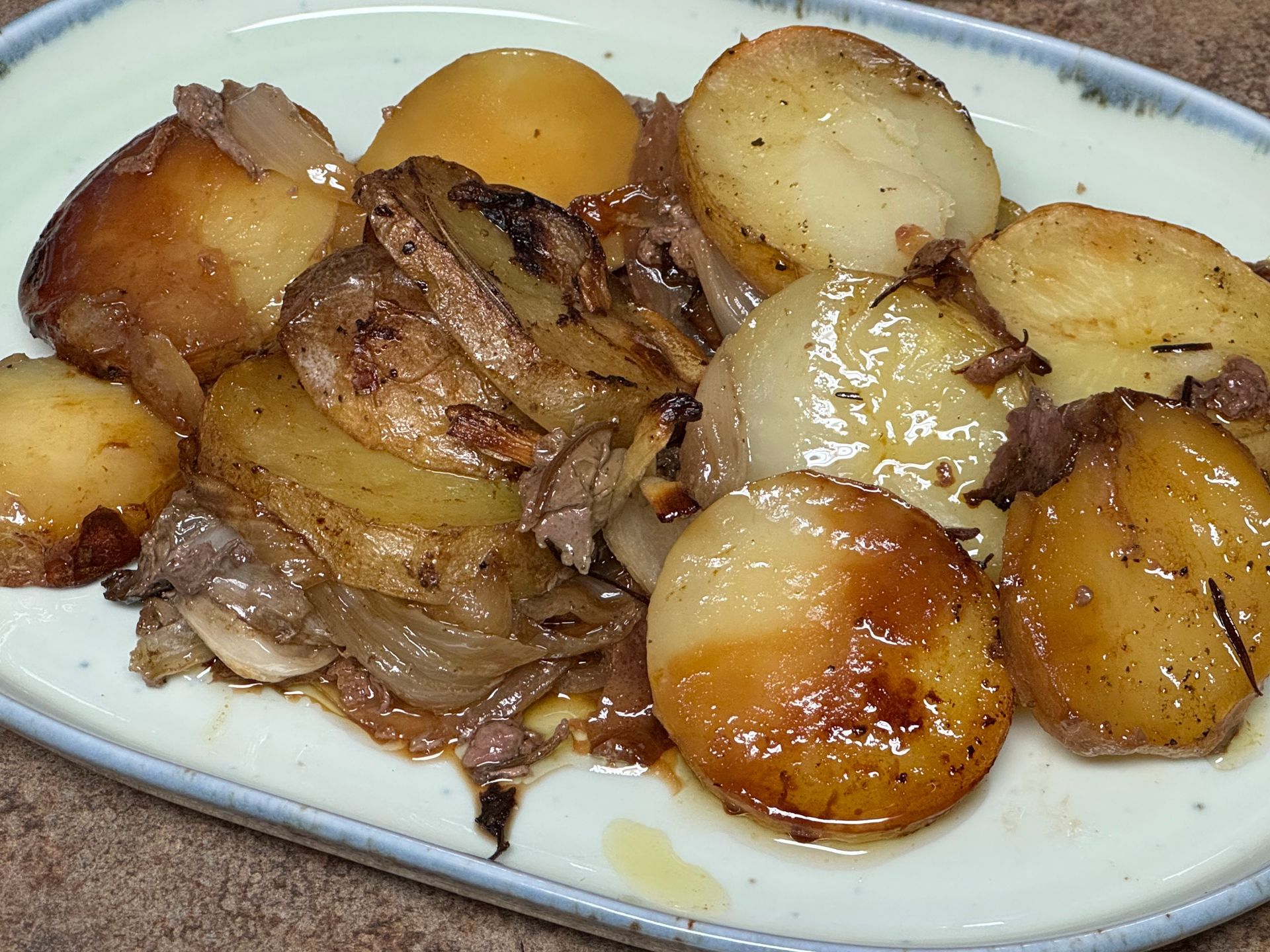
There are certain dishes that stay with you—not just for their flavor, but for what they represent. For me, Pommes boulangère is one of those dishes. As a young cook, it was a delicious meal I could prepare for my family with my limited culinary experience. I often return to this preparation when roasting whole chicken, pork, or lamb—letting the potatoes, onions, and garlic absorb the natural juices from the protein as it cooks. The potatoes becomes more than a side dish; it’s the foundation of the meal.
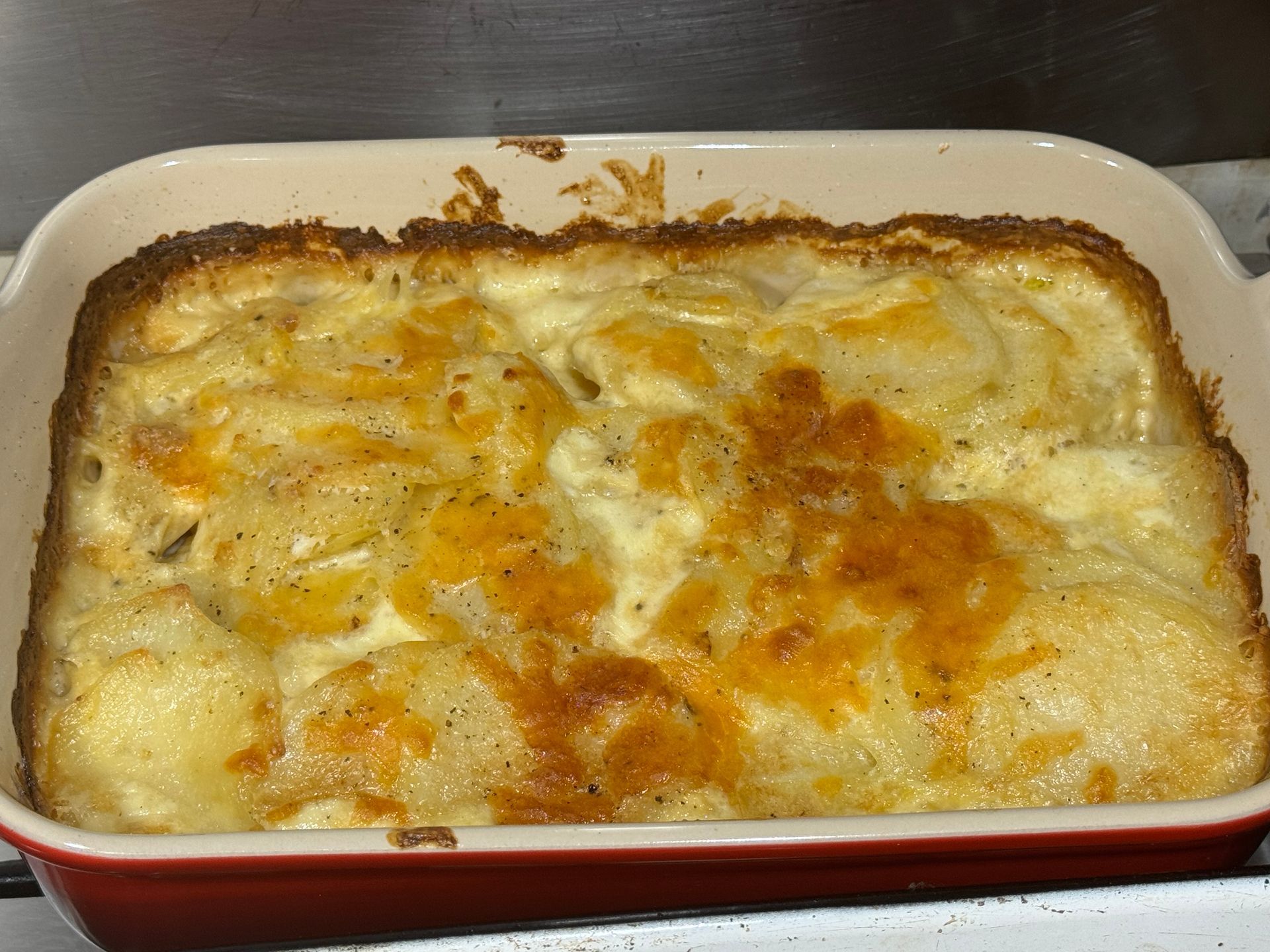
There are countless versions of Potatoes au gratin , many of them heavy with cheese. I prefer a more restrained approach—using little or no cheese—so the flavor of the potatoes remains the focus rather than being masked. Milk produces a lighter, more delicate gratin, while light or heavy cream creates a richer, more structured dish. Both are valid—it simply depends on the desired outcome. One constant, however, is nutmeg. Used sparingly, it acts as a quiet “secret weapon,” adding depth without calling attention to itself. This recipe is inspired by Xavier LeRoux, one of the finest chefs I’ve had the privilege to work with. His method includes an extra step—gently simmering the potatoes in cream before baking—which yields a noticeably superior result. The potatoes begin to release their starch into the cream early, ensuring a more uniform texture and a fully integrated dish from the first bite to the last.
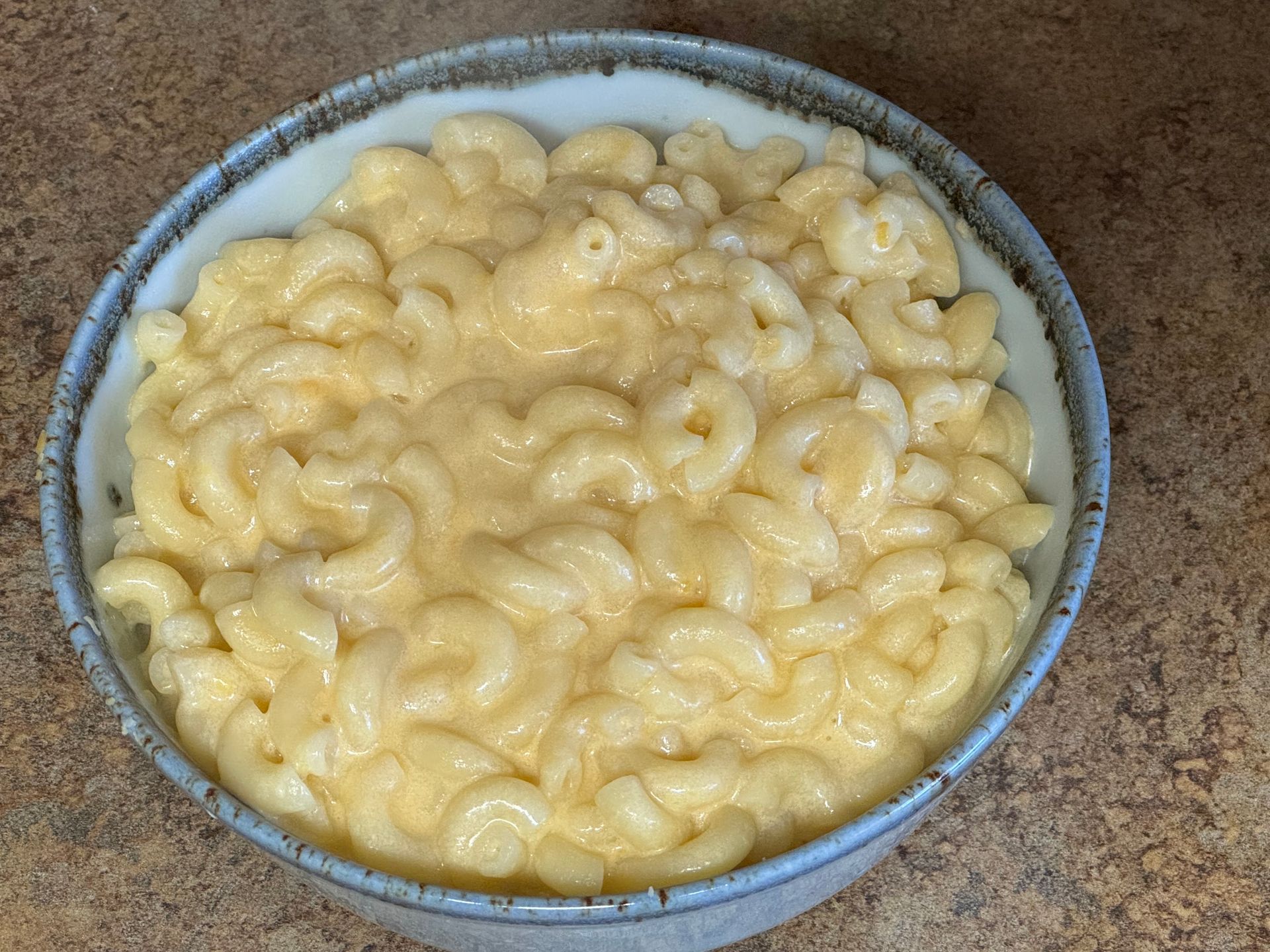
Lobster macaroni and cheese is my all time favorite version of Mac and Cheese... I make it by preparing a classic lobster sauce, (flambé and all) and blending it with Béchamel sauce, macaroni and sweet, tender chunks of freshly poached lobster. Macaroni and cheese with pancetta
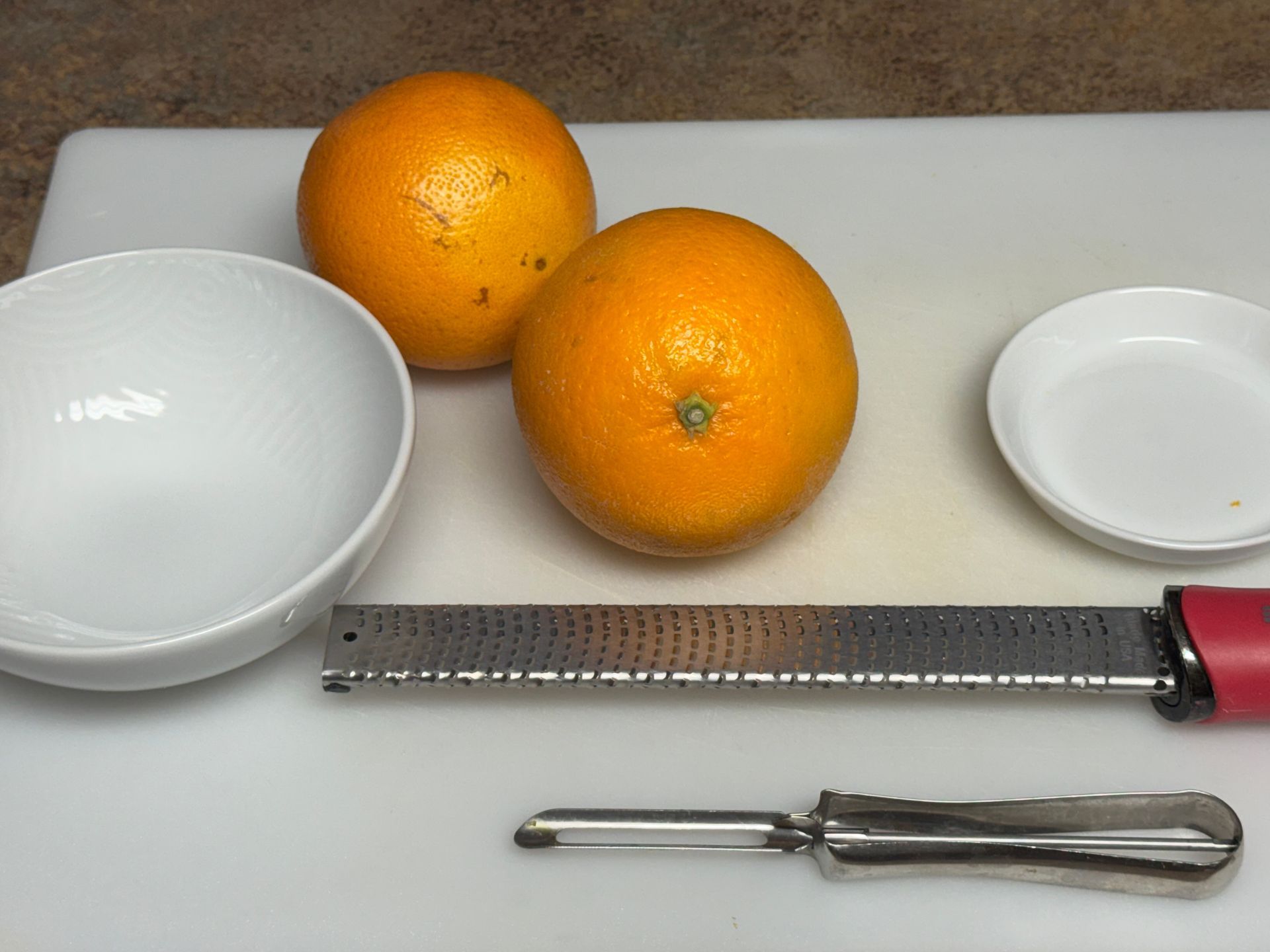
Oranges are fantastic in Baking & Pastry. I developed a delicious dessert for the CMC exam (Healthy Cooking) challenge featuring Orange Creamsicle Sorbet with Roasted, Candied Pineapple and Fruit Strudel... with plenty of guidance from the amazing CIA Pastry Instructors! Types of Oranges: There are several distinct varieties of oranges, each with unique characteristics and flavors. The most common type is the Navel orange , recognized for its seedless, sweet flesh and thick, easy-to-peel skin. Valencia oranges are another popular variety, primarily known for their juiciness and are often used for making orange juice. Other notable types include Blood oranges , which have a deep red interior and a distinct berry-like flavor, and Cara Cara oranges , characterized by their pinkish-red flesh and sweet taste. Additionally, Seville oranges , known for their bitterness, are mainly used in making marmalade and flavoring liqueurs.
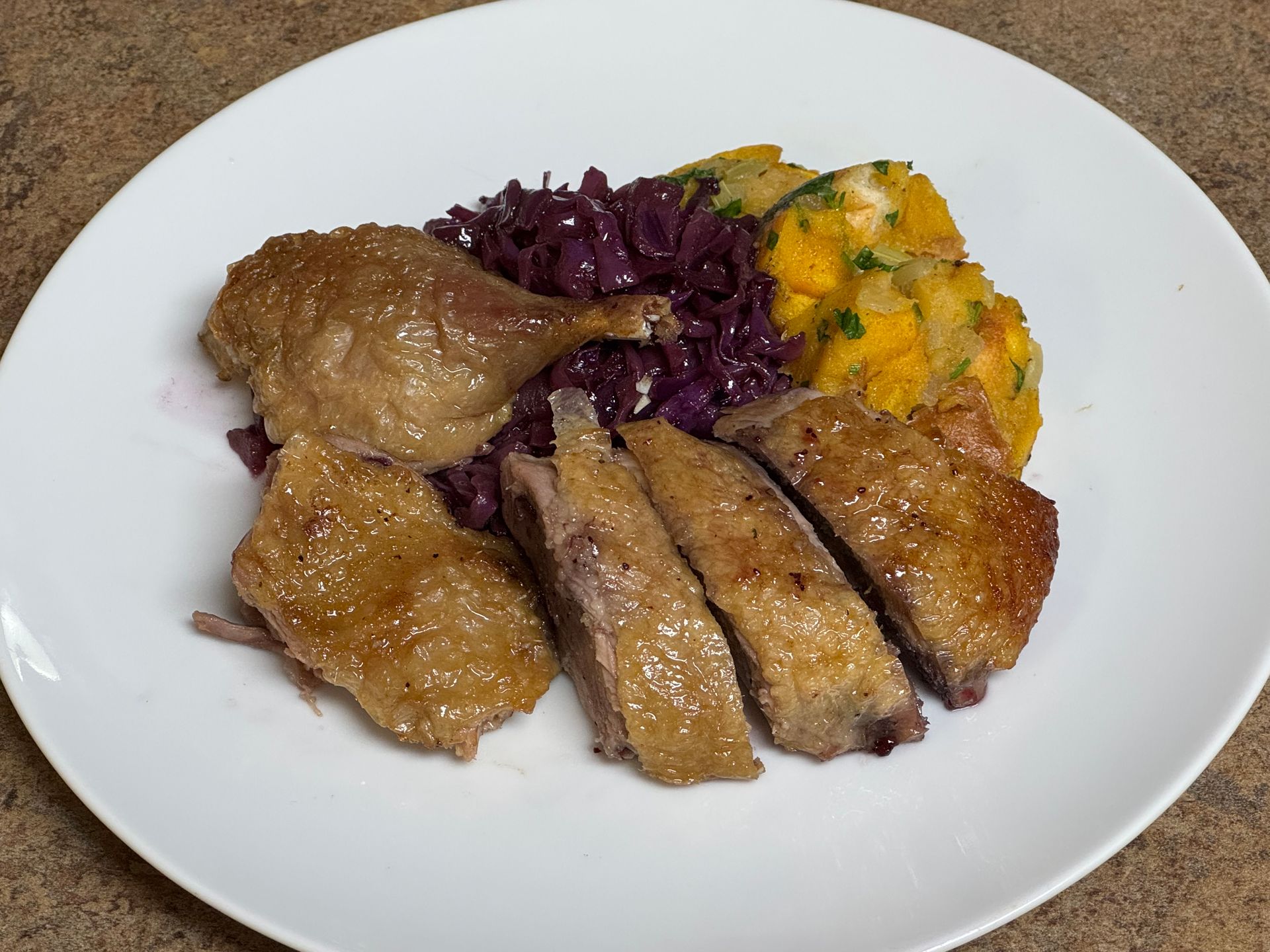
One of my most memorable roast duck meals with in Lyon, France. I was in France with two other CIA instructors, cooking a dinner for expats with the local, French chefs. We dined at Paul Bocuse's restaurant one night and Chef Bocuse came to our table to greet us. He announced he would be roasting a duck for us in the hearth that evening! Can you imagine-the room fell silent and all of the diners looked at us (rather jealousy)... Three of my favorite duck preparations, each showcasing a different culinary tradition are: Peking Duck (China) A highly refined preparation where the duck is air-dried, roasted until the skin is exceptionally crisp, and traditionally served with thin pancakes, scallions, cucumber, and hoisin sauce. The focus is on lacquered skin and precise carving. I had this meal several times in Beijing with some of the amazing Campbell Soup leadership team. Duck à l’Orange (France) A hallmark of French cuisine, this dish pairs roasted duck with a bittersweet orange sauce made from a gastrique (bitter, caramelized sugar), vinegar, citrus, and stock—highlighting the balance of richness and acidity. Confit de Canard (France) Duck legs are salt-cured, slowly cooked in their own fat, and then crisped before serving. Originally a preservation method, confit delivers deeply savory flavor and meltingly tender meat. I enjoyed duck confit many times with Beaujolais while in France.
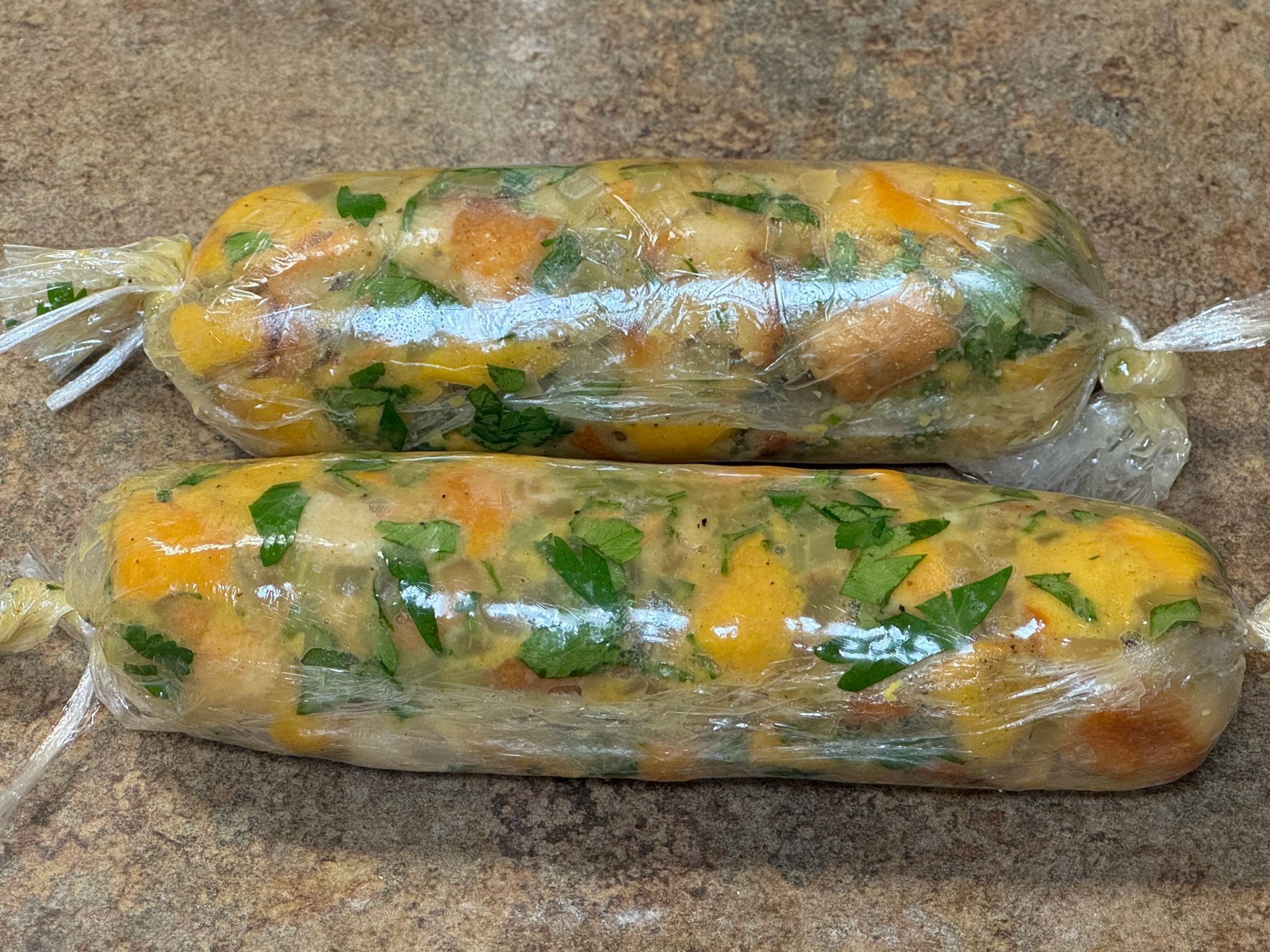
I would consider stuffing poached in a napkin as a roullade or torchon (like a foie gras torchon). It is a European technique where seasoned bread stuffing is formed into logs, wrapped tightly in a damp linen napkin or cheesecloth (or plastic wrap), and then gently poached to create moist, cohesive, flavorful stuffing 'log', perfect for slicing and serving with gravy. I like to slice and gently toast in butter to serve with pork or poultry. I learned to prepare stuffing, rolled in a cloth napkin and poached in chicken broth at the CIA. I actually prepared this and served this stuffing roll sliced with roasted goose and braised red cabbage on the 10th and final day of the CMC exam.
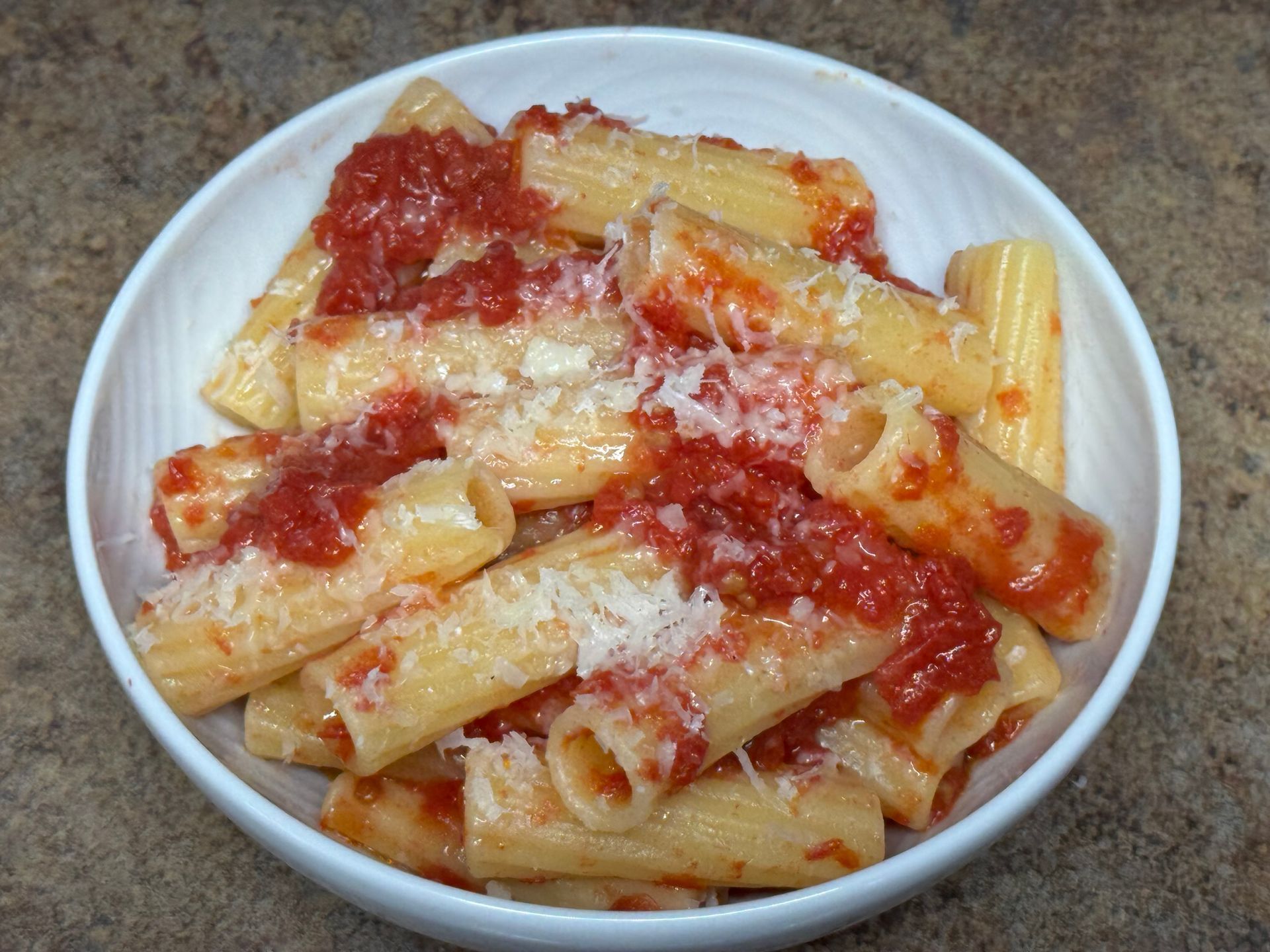
I was amazed to learn of a French Tomato sauce (Sauce Tomat) as a young, CIA students many years ago. It's very different than the Italian sauce my mother made each week for Sunday dinner. I enjoy purchasing cases of inexpensive, local tomatoes in late summer called 'seconds'. These tomatoes are generally ripe, bruised tomatoes which I wash, chop and freeze to invite a taste of summer in my kitchen during the cold, winter months.
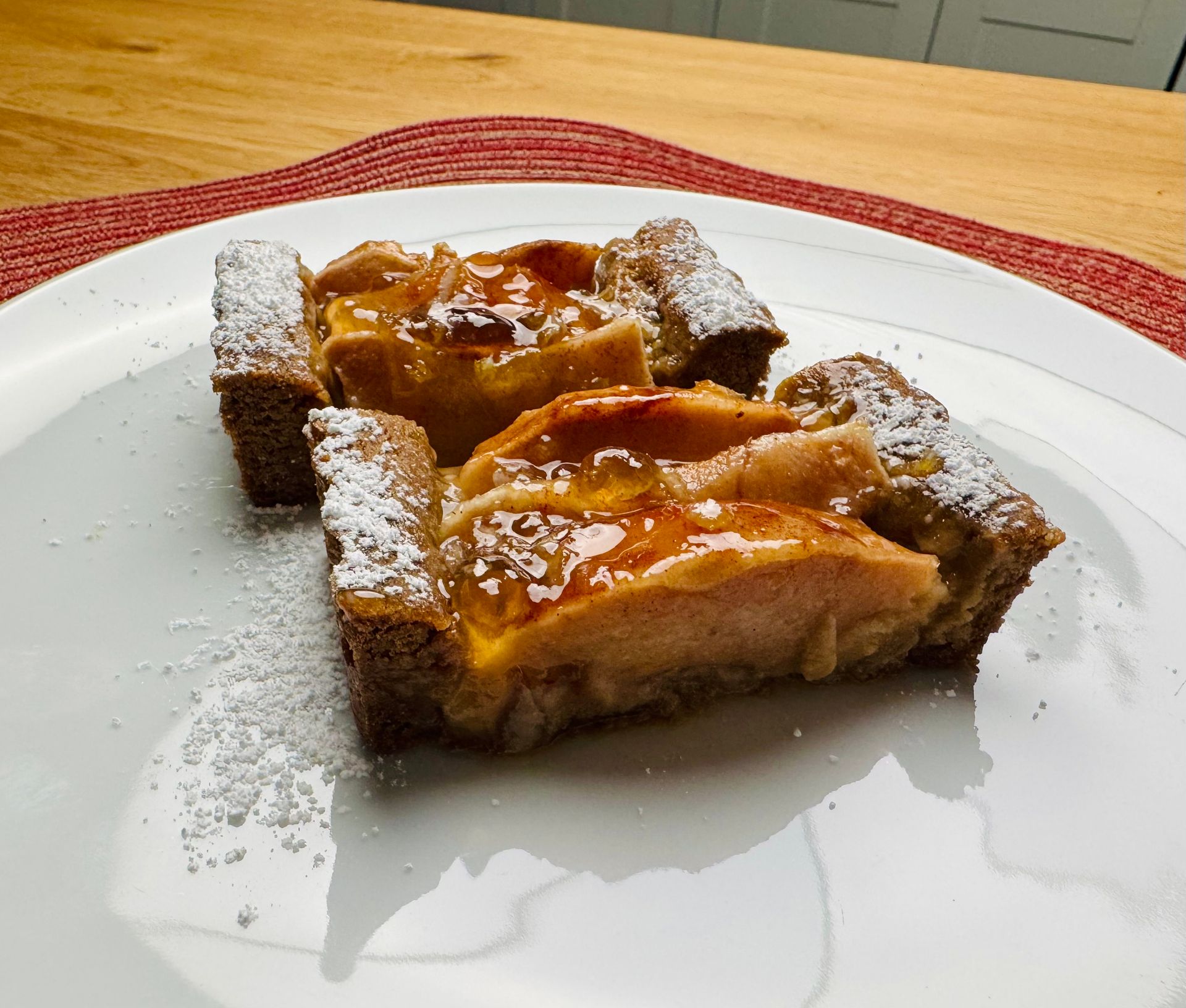
There is a large variety of Pears available to cook with. I remember peeling and poaching tiny, Seckel pears for garde manger presentations-challenging! Pears, like apples vary widely in texture, flavor, and culinary performance, making selection an important step in recipe development. Bartlett are juicy and great to eat ripe or for purees and sauces. Bosc are a little more dense and good for cooking. Red and green Anjou are more versatile and can be eaten fresh in salads as well as cooked in baked goods or savory dishes.
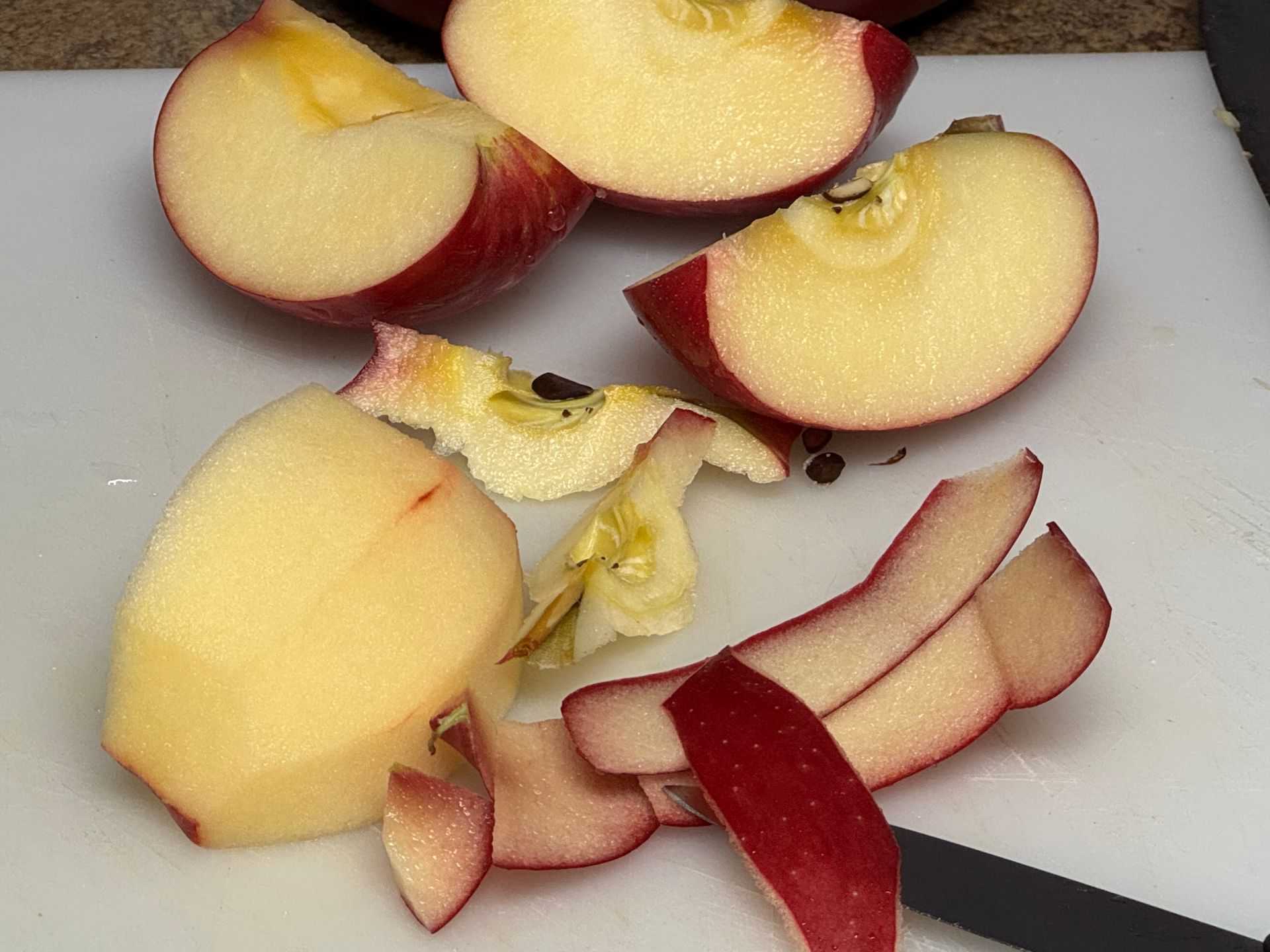
Nowadays there is a large variety of Apples available to cook with. Apples vary widely in texture, flavor, and culinary performance, making selection an important step in recipe development. Firm, tart apples like Granny Smith or Northern Spy hold their structure during baking and bring bright acidity to pies and tarts. Honeycrisp, Pink Lady, and Jazz offer a balance of sweetness and crunch, ideal for salads, slaws, and fresh applications. Softer, aromatic varieties such as McIntosh or Cortland break down more readily, making them perfect for sauces, compotes, and purées.
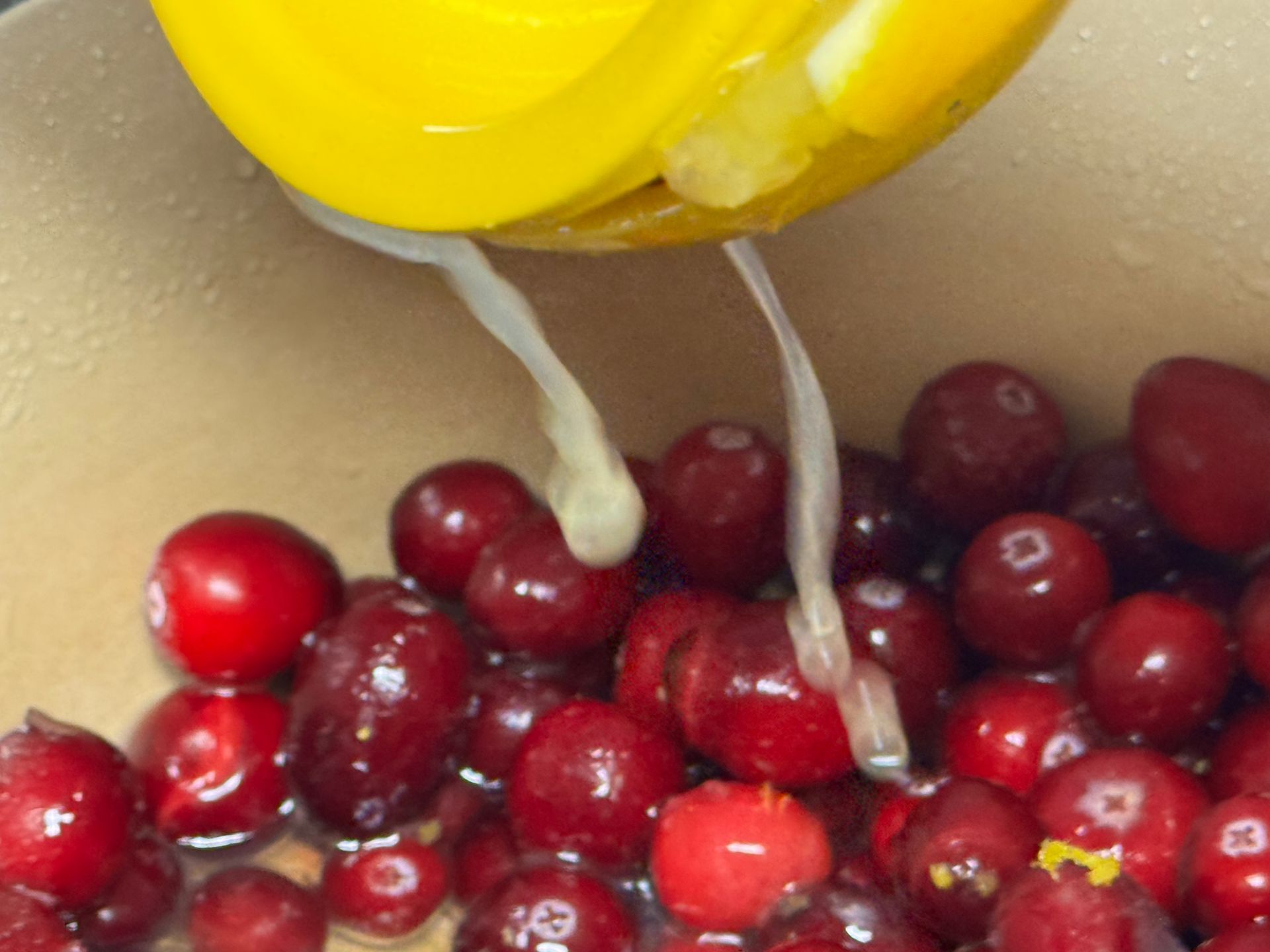
Fresh citrus juice delivers more than bright flavor and acidity—it’s a concentrated source of vitamin C, folate, potassium, and a range of phytonutrients that help support immune function and overall health. Unlike shelf-stable juice, which loses volatile aromatics and some heat-sensitive vitamins during processing, freshly juiced citrus retains its natural enzymes and vibrant flavor compounds.