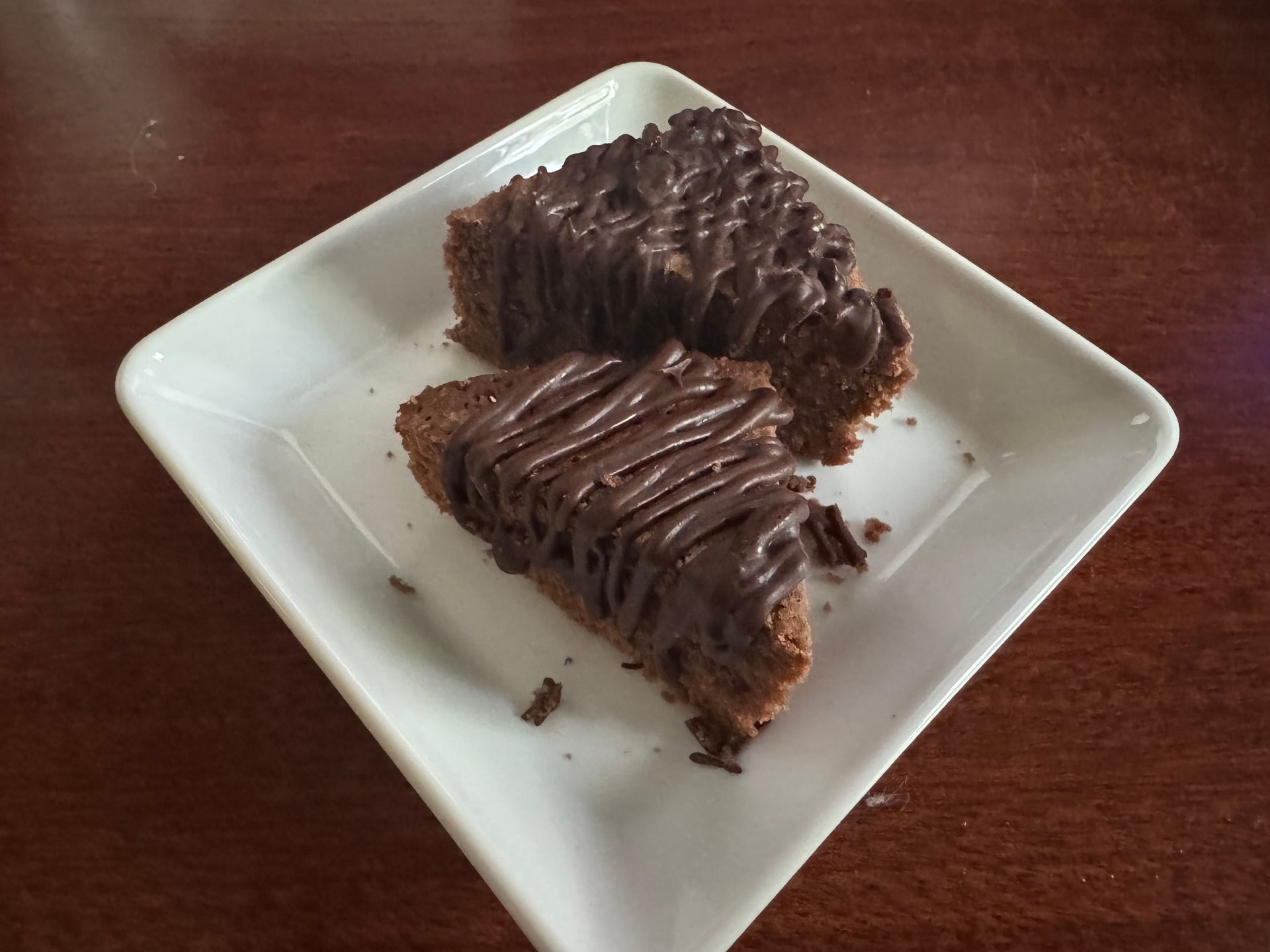
Three desserts are sitting on a table with a measuring cup in the background.

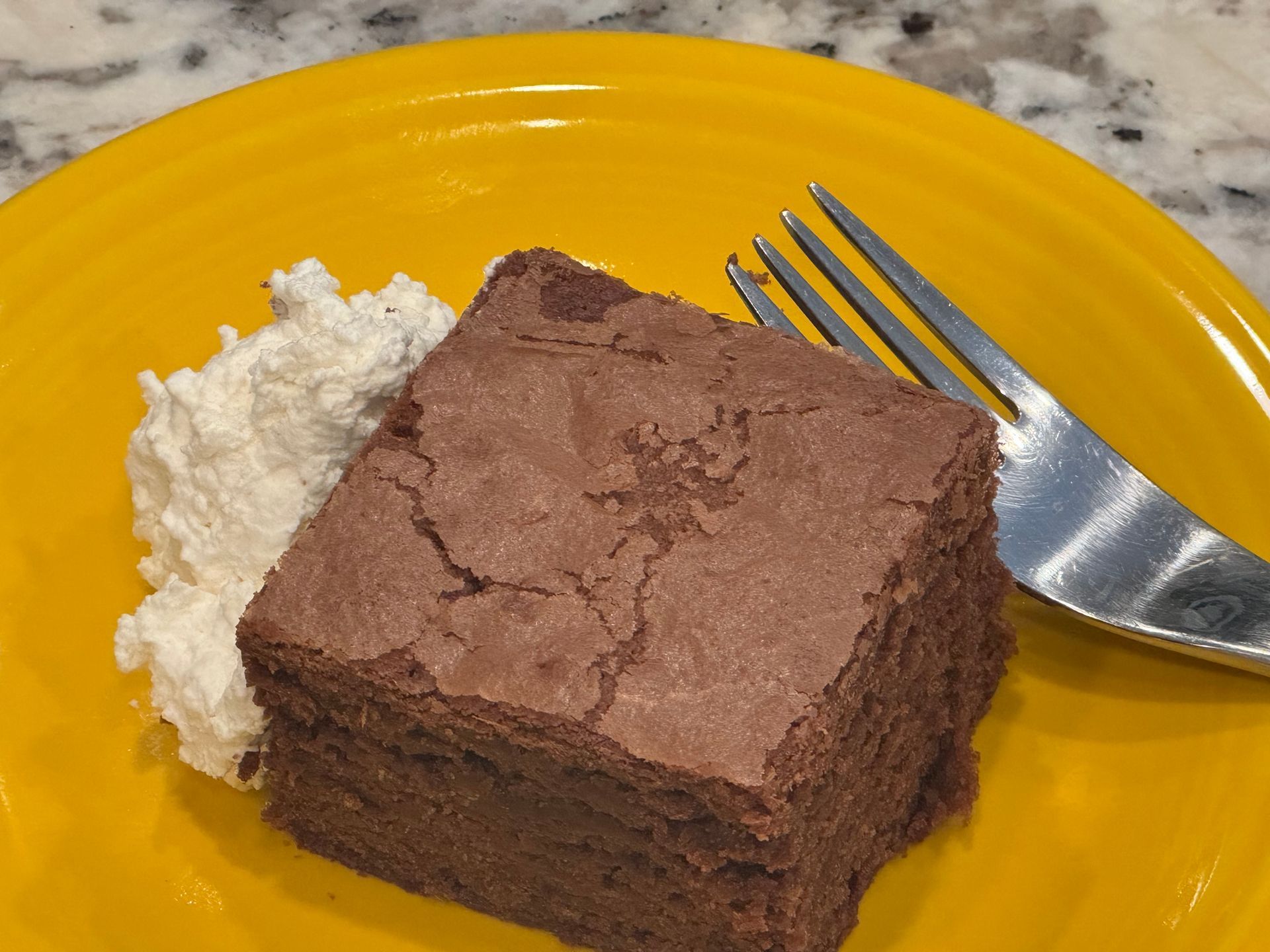
There are plenty of brownie recipes—and then there is the one that lives in memory.

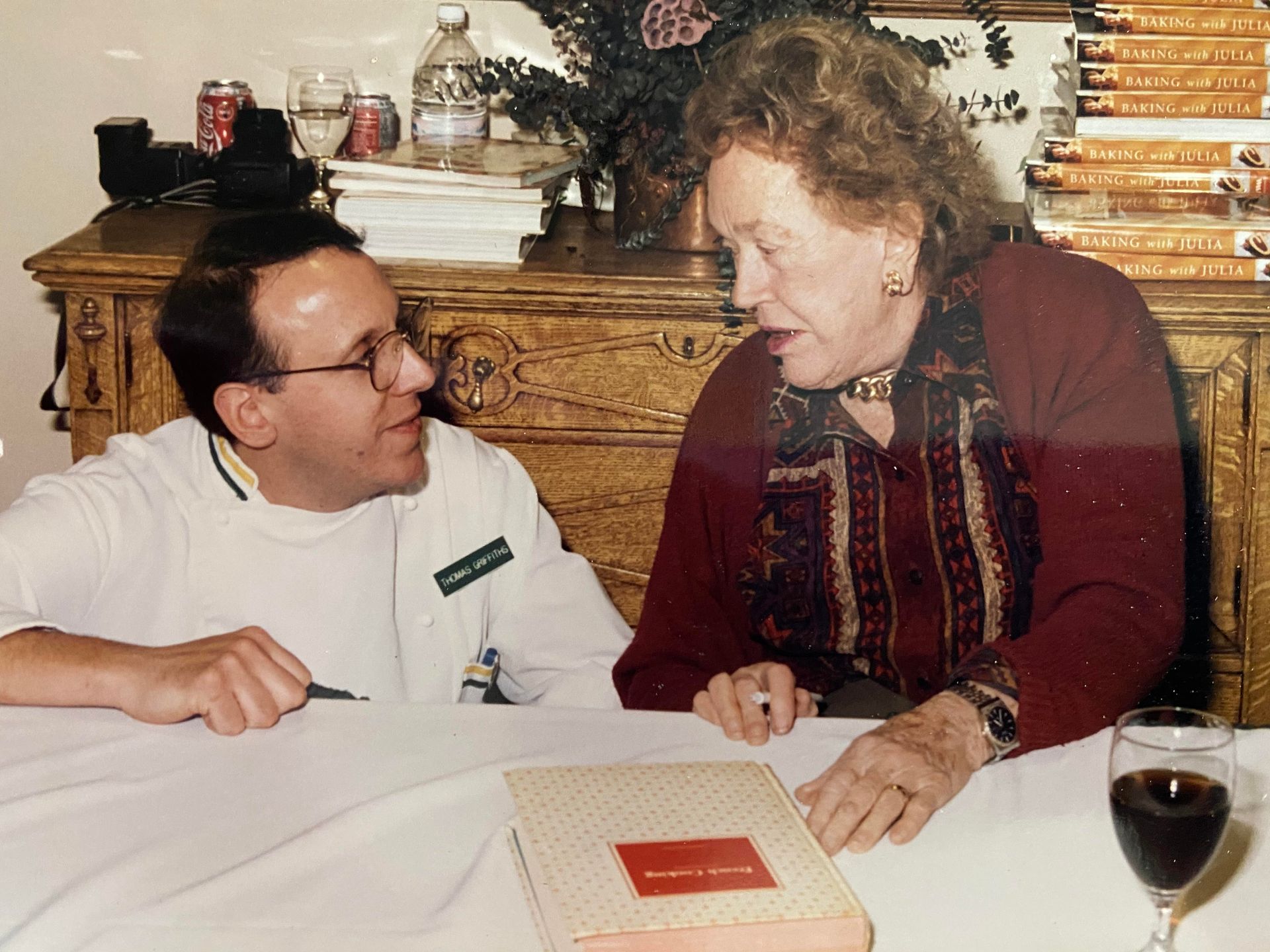
This is the only brownie recipe I bake, from Julia Child, whose influence reached far beyond French cuisine and into the home kitchens of passionate bakers like my mother. A devoted admirer, she baked these brownies often—usually for the dessert trolley at my restaurant. We featured a brownie freeze... brownie cubes with homemade vanilla ice cream, warm melted chocolate and freshly whipped cream-amazing!

For me, this recipe is more than a classic—it’s a reflection of how great cooking is passed down: through admiration, repetition, and a deep love of craft.
The Best Brownies

Recently I've noticed cupcakes and brownies being made as single-serve, microwave mug cakes and brownies. These quick versions have become popular for their convenience—offering a warm, chocolate dessert in minutes with minimal equipment and cleanup. While they differ from traditional baked brownies in texture and depth, they remind me of the enduring appeal of chocolate and the modern desire for convenient, on-demand indulgence.


Brownies are a relatively modern addition to the pastries and baked goods. One of the earliest documented versions appeared in the 1896 Boston Cooking-School Cook Book by Fannie Farmer—though notably, it did not yet include chocolate.

As the story goes, brownies were possibly the result of a happy accident—forgetting to add baking powder to a chocolate cake.

By the 1920s, brownies had firmly established themselves in American baking, evolving into two distinct styles: fudgy and cake-like.

Brownie recipes have a short list of ingredients—chocolate, butter, sugar, eggs, vanilla and flour—each having a precise chemical role in the final texture. The ratio of fat to flour determines whether the result is dense and fudgy or lighter and cake-like, while eggs provide structure. Sugar contributes not only sweetness but also moisture and that characteristic glossy crust, and the quality and type of chocolate ultimately defines the depth and complexity of flavor.

“Best-Ever Brownies”

taken from Baking with Julia

 Time: 25 min

Cooking Time: 25 min

Yield: 4 small breads


Ingredients

1 ¼ cups sifted all-purpose flour

1 teaspoon salt

2 sticks (8 ounces) unsalted butter

4 ounces unsweetened chocolate, coarsely chopped

2 ounces bittersweet chocolate, coarsely chopped

2 cups sugar

1 teaspoon pure vanilla extract

4 large eggs


How to Prepare Brownies
Step 1

Place a rack in the center of the oven and preheat the oven to 350° F.

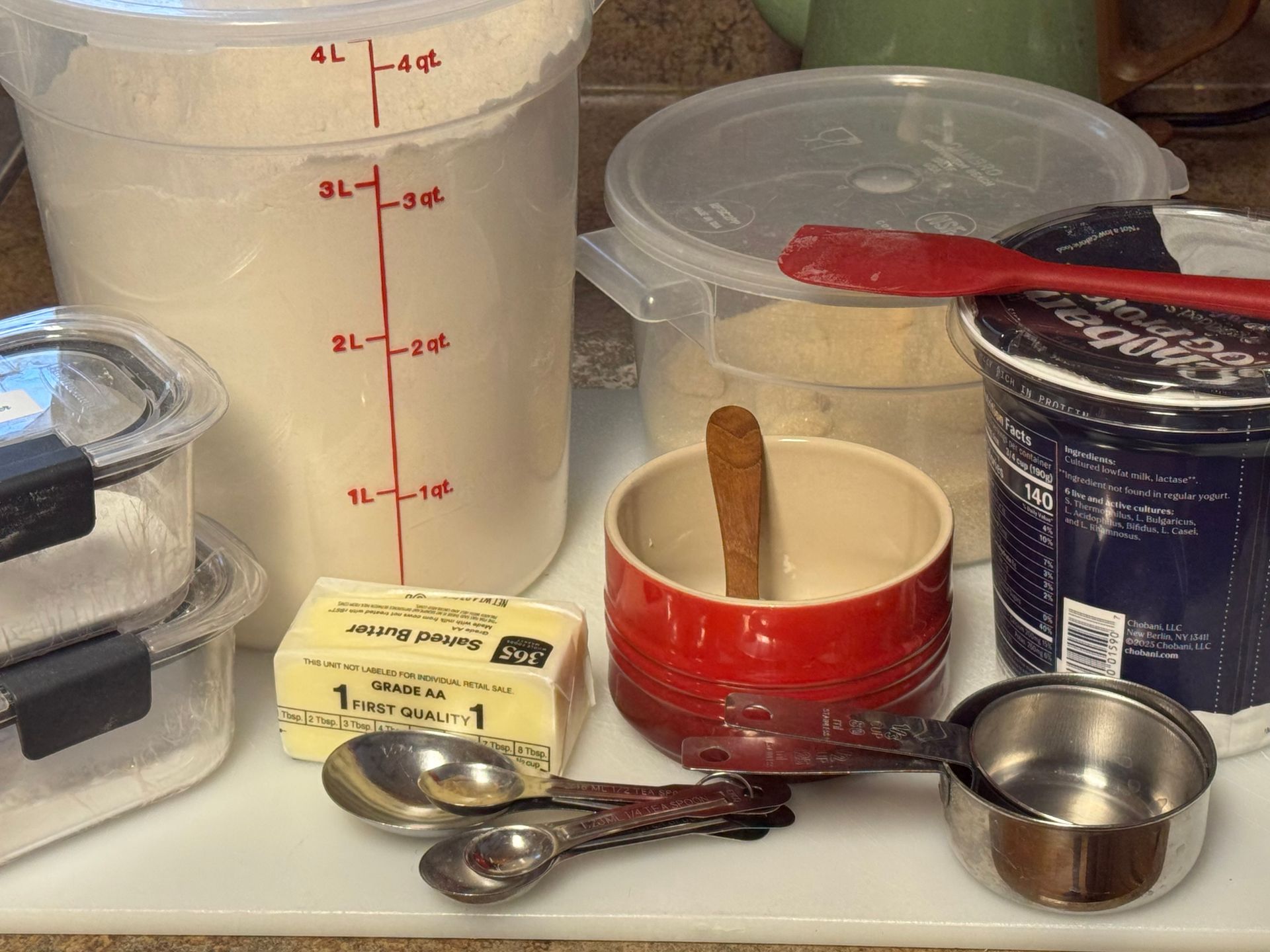
Collect the mise en place for the recipe.


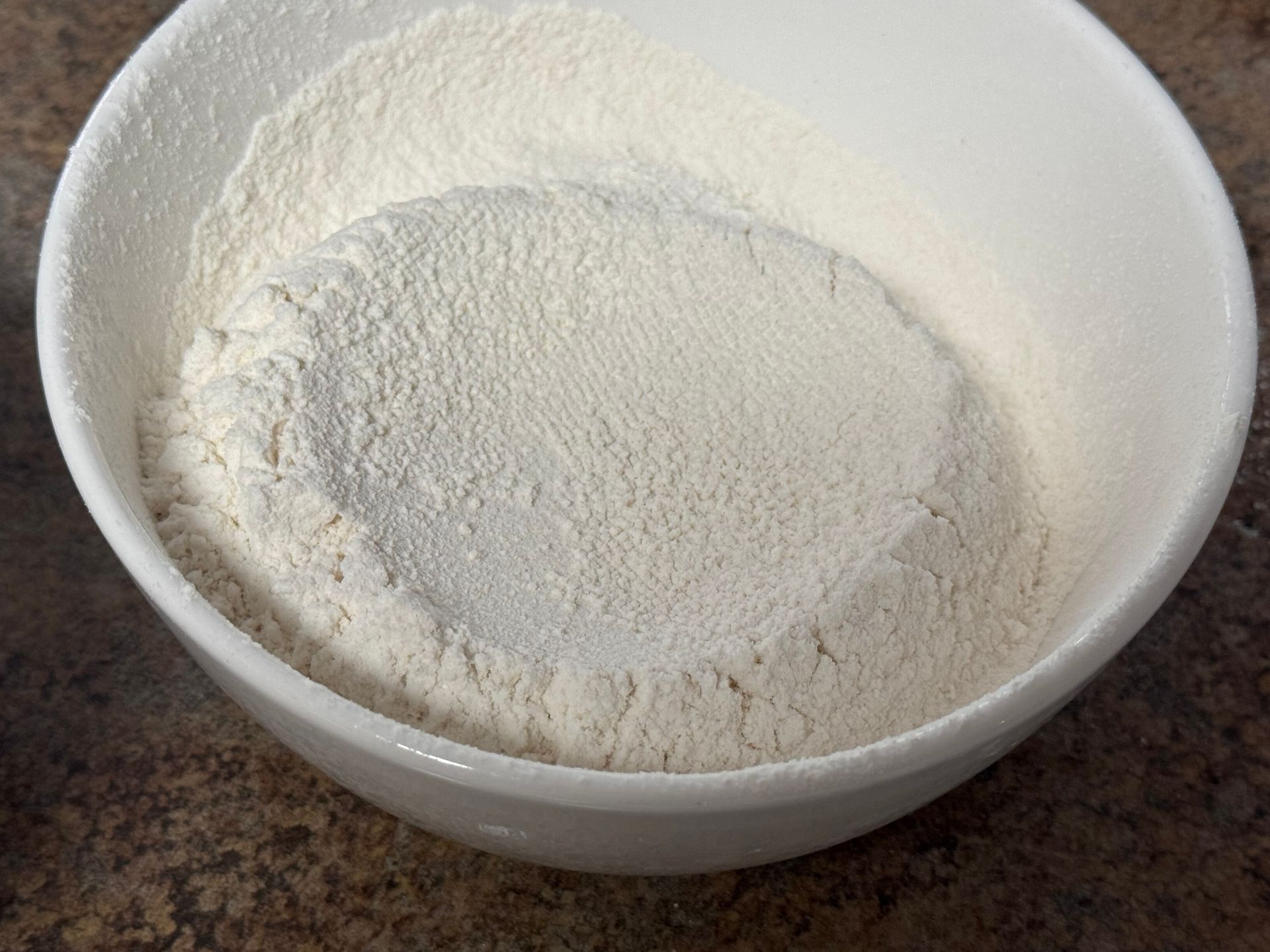
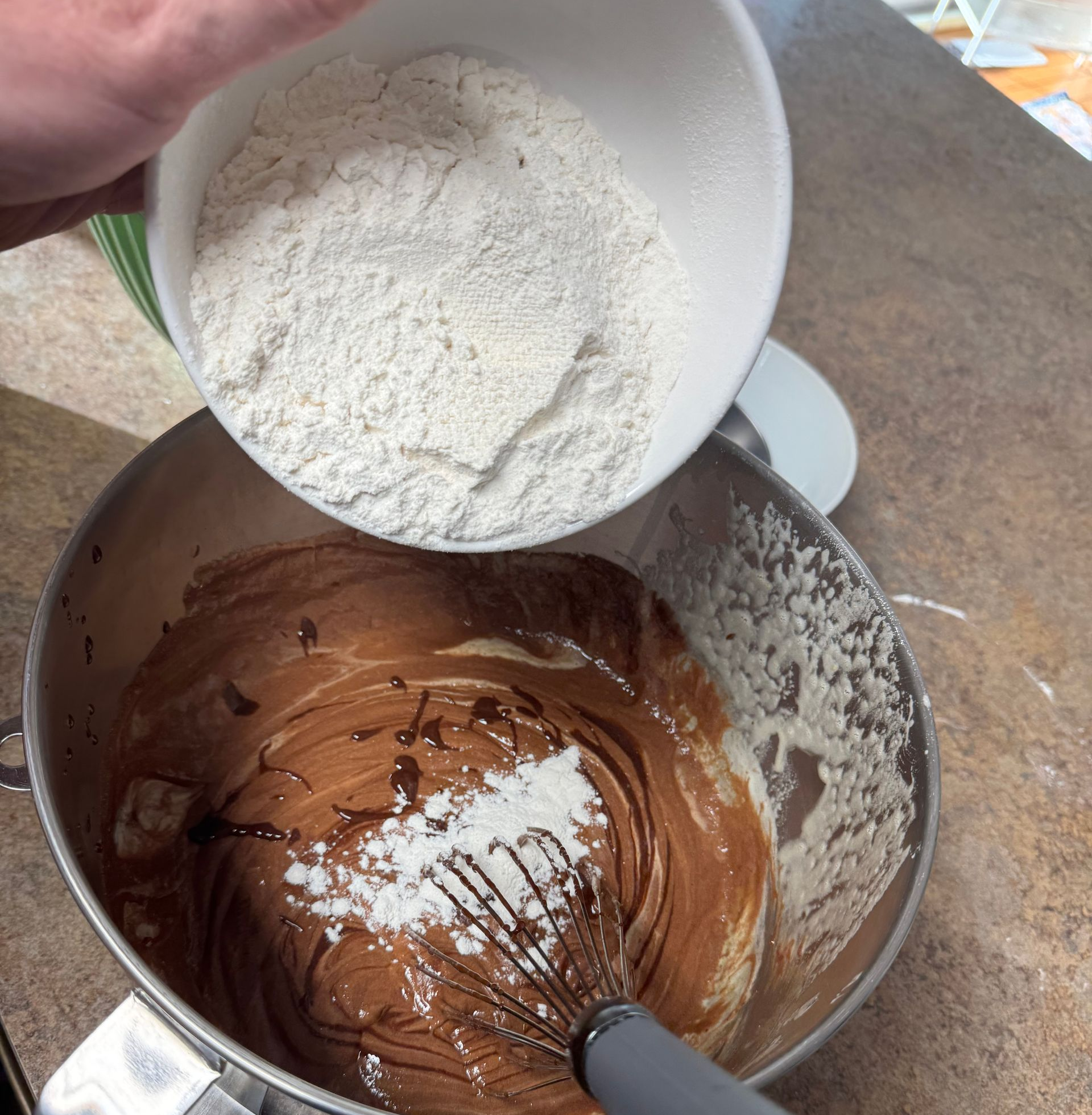
Sift the flour and salt together and set aside in a bowl.   


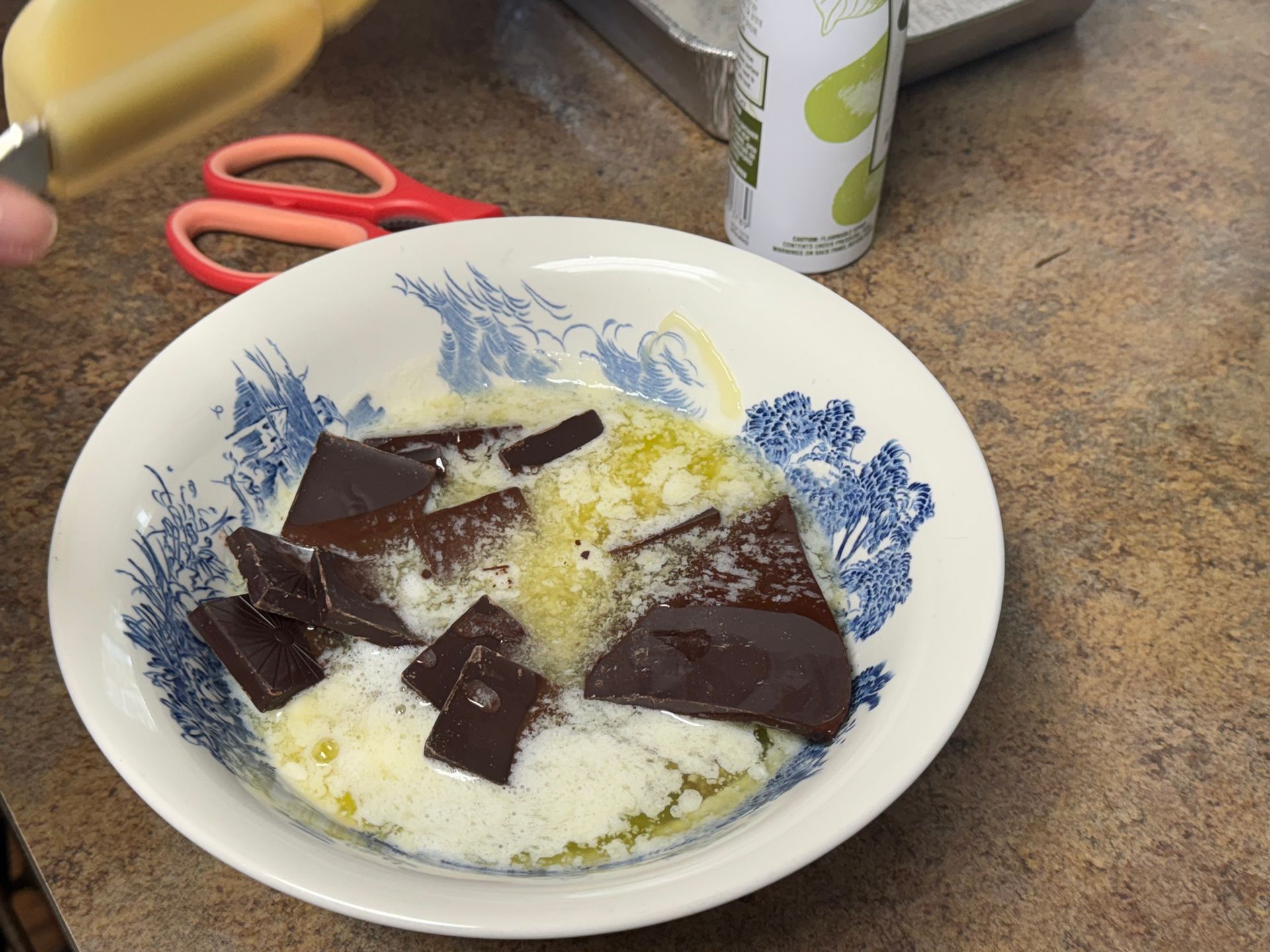
Melt the butter & chocolate together in the microwave, with 15 second heating times, if the scraper is wet, the chocolate may 'seize' or harden. You would need to discard and start over.

You can also melt the ingredients in a double boiler-place the chocolate & butter into a dry, metal bowl sitting over a pot of simmering water.

note: I see people melting chocolate in a pot, directly over the heat-this is very challenging and usually the chocolate scorches!


Add 1 cup of sugar to the melted chocolate, stir for half a minute, then stir in the vanilla. Pour the mixture into a large bowl.


Step 2

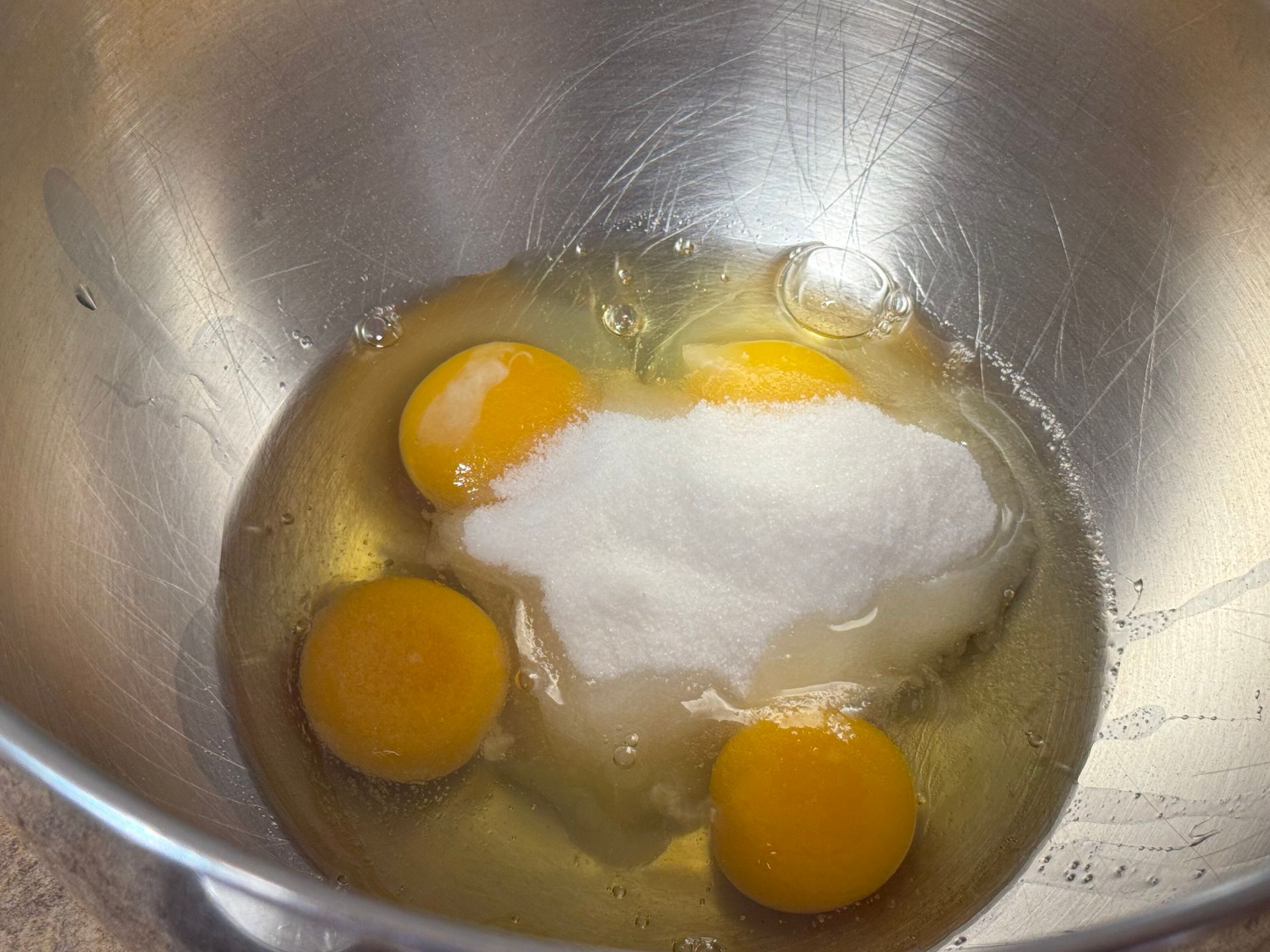
Place the remaining 1 cup sugar and the eggs into the bowl of a mixer (or a mixing bowl if you’re using a hand-held mixer) and whisk until doubled in volume and thick-about 3 minutes.


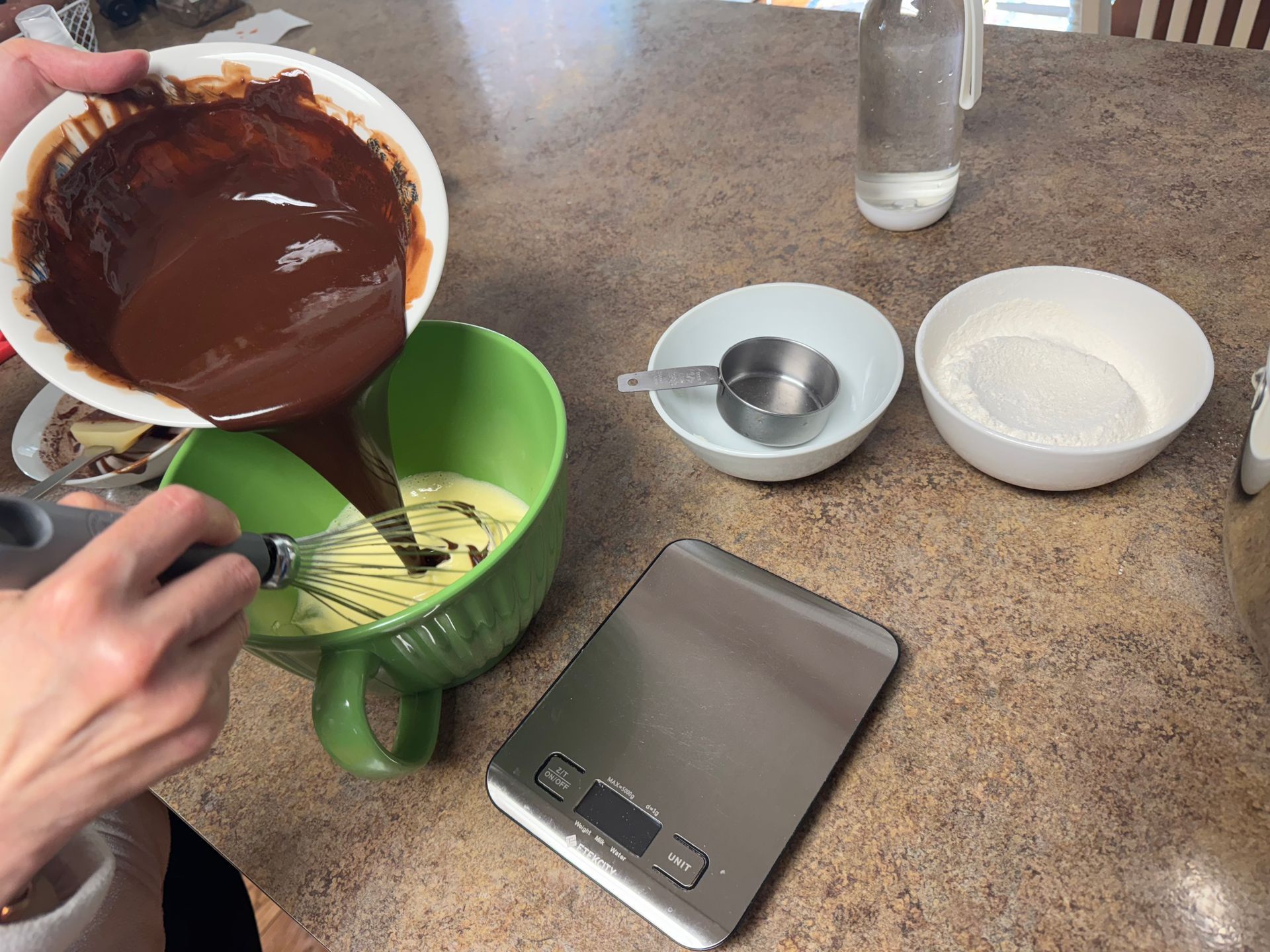
Slowly pour the chocolate in to the sugar and eggs, stirring gently but constantly with a rubber spatula so that the eggs don’t scramble from the heat.


When the eggs are almost completely incorporated, gently fold in the dry ingredients.


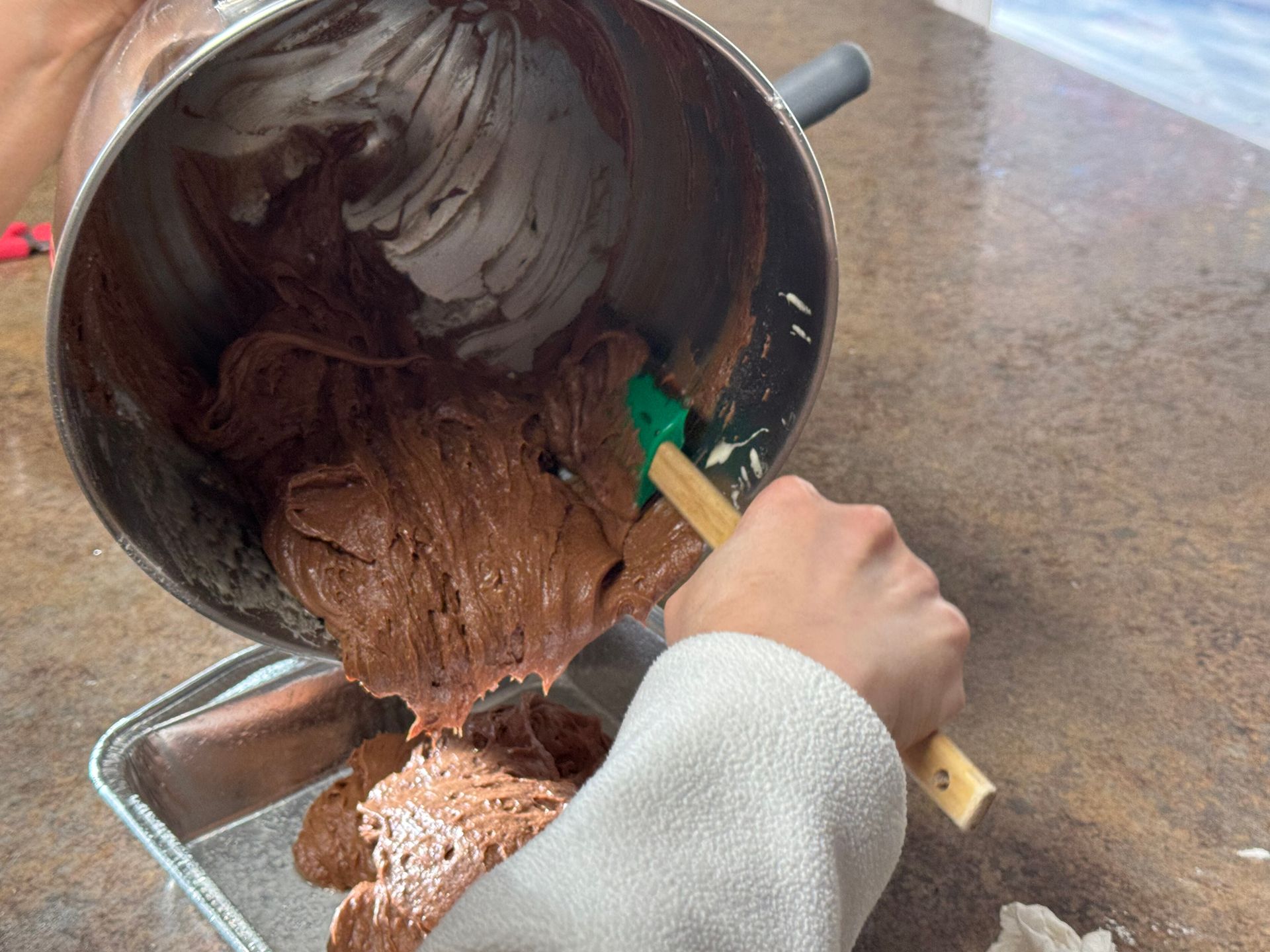
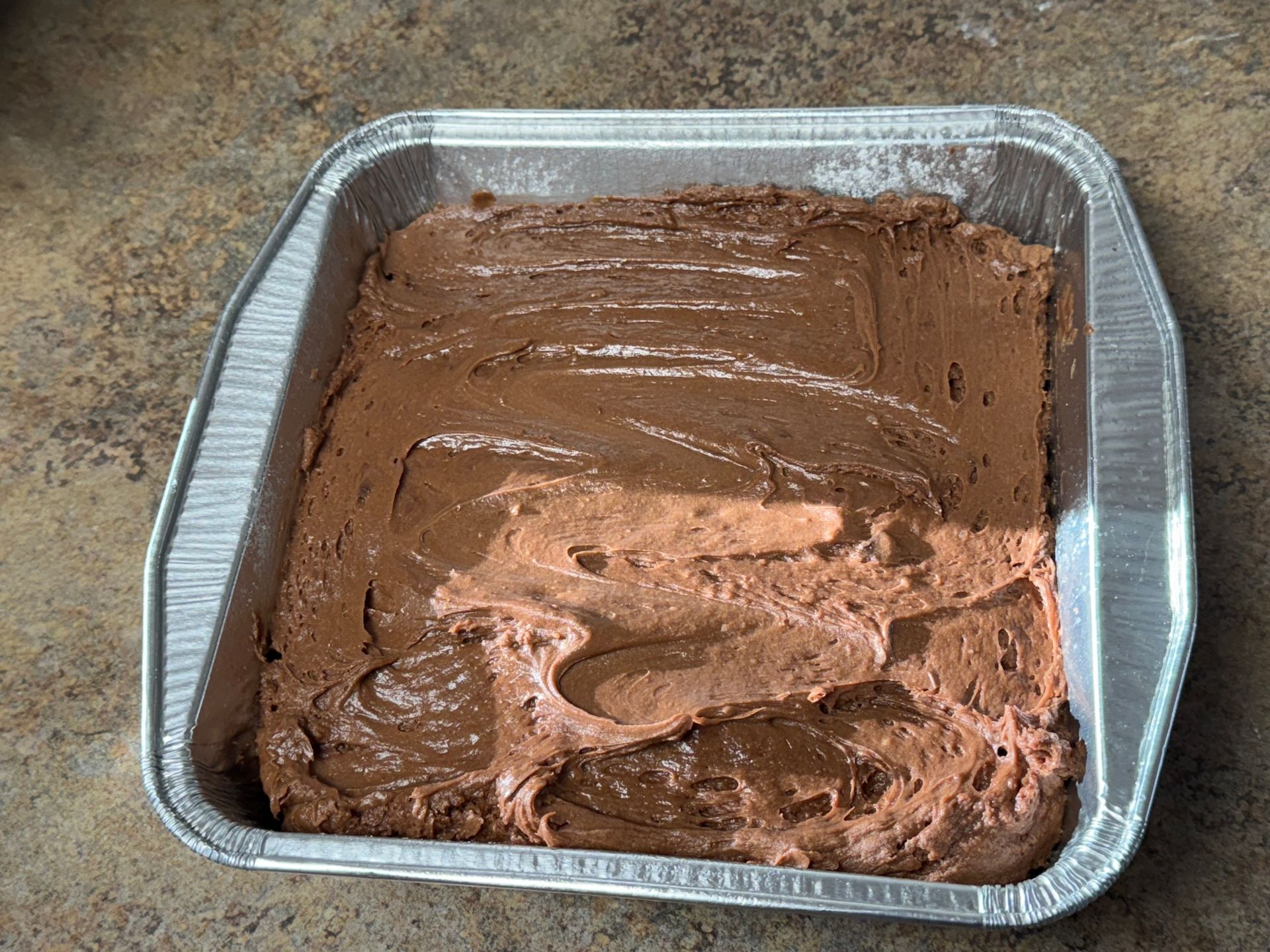
Pour and scrape the batter into an unbuttered 9-inch square pan-a heavy ceramic or glass pan is ideal.


Step 3

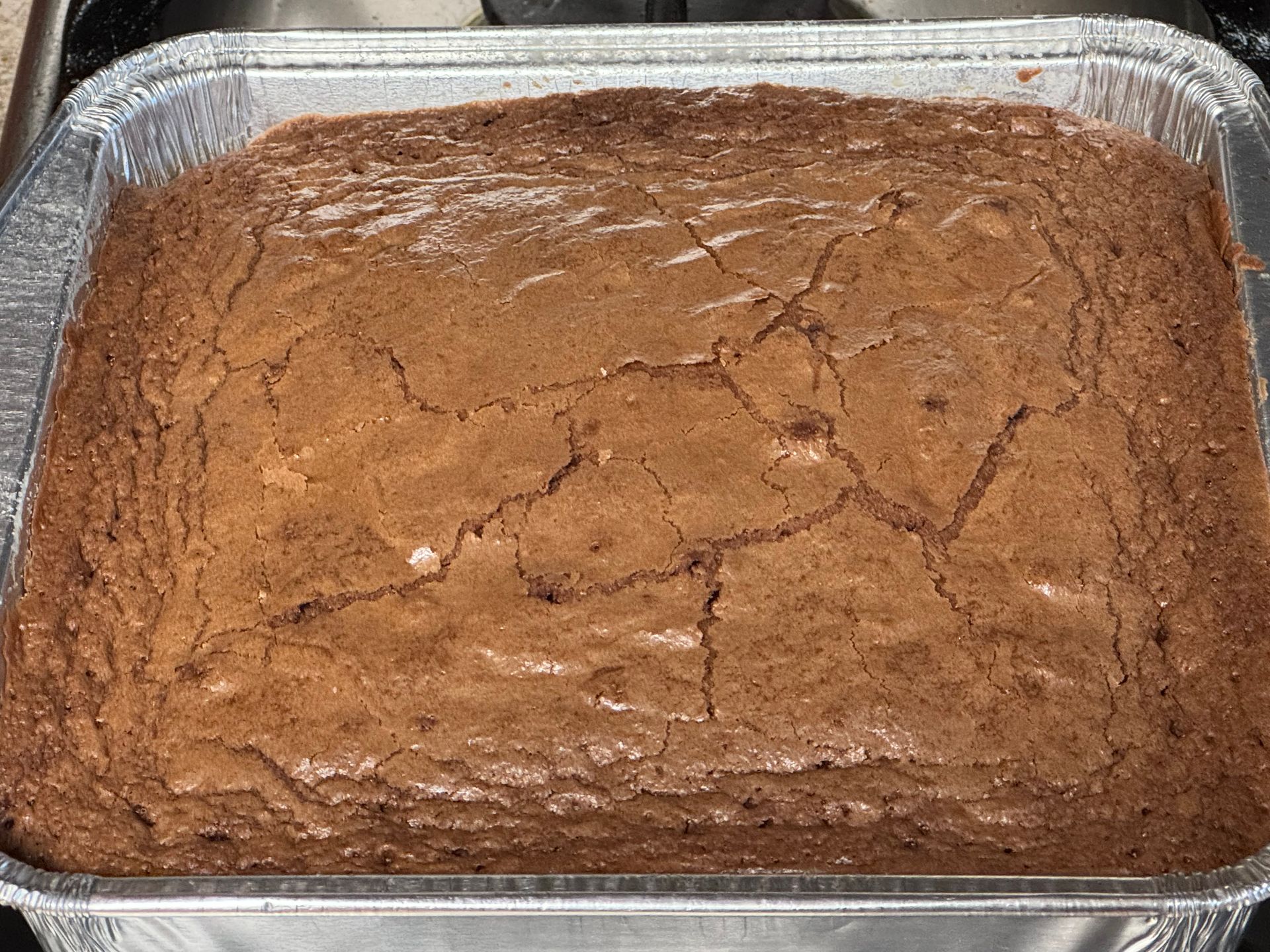
 Bake the brownies for 25 to 30 minutes; the brownies will rise a little and the top will turn darker and slightly crack.


You can insert a wooden skewer or tip of a paring knife into the center at about 20 minutes of baking to check if the brownies are baked.


This recipe is best when the brownies are barely set and a little gooey.  The brownies will continue to cook as they cool in the pan on a rack on the counter.


Enjoy warm or room temperature-I like to drizzle with melted chocolate for a fancier presentation. 


By Tom Griffiths March 19, 2026
I taught garde manager for many years at the CIA and this is one of my favorite recipes from class. I actually developed this recipe with one of my students, inspired by a recipe he had learned on his externship.
By Tom Griffiths March 17, 2026
We ate Irish soda bread one day each year—and it was never store-bought. Soda bread wasn’t part of our cultural lineage, but it earned its place through something more universal: respect for tradition. My mother was not an occasional baker— growing up, her baking centered on Italian traditions: special Christmas cookies, the Vigna family birthday cake, and beautifully braided Easter breads that reflected heritage. Later, like many serious home bakers of her generation, she was influenced by Julia Child . That influence expanded her repertoire into classic European pastry—Paris-Brest, pound cakes, even German chocolate cake. The iconic cross cut into the top of the loaf is often said to “let the fairies out,” though in professional kitchens we recognize its functional role: allowing heat to penetrate and the loaf to expand evenly during baking.
By Tom Griffiths February 26, 2026
Authentic Guacamole, Hospitality, and the Responsibility of Feeding People
By Tom Griffiths January 16, 2026
I recently volunteered to prepare vegetable paella for a church Bible group potluck. I was very excited to develop a delicious, new paella recipe and spent time preparing fresh vegetable stock with flavors of the Mediterranean. I always prepare vegetable and fish stocks fresh, as I intend to use them. I’m not a fan of bases or frozen stocks but I sometimes add a small amount of quality base to my stocks.  A vegetable stock with mirepoix, cabbage, mushrooms makes sense in certain applications, for certain recipes—but why would we use a mushroom or cabbage-forward stock in a paella? It doesn’t make culinary sense. Paella is a Mediterranean dish originating in the Valencia region of Spain as a humble meal cooked on an open fire. I’ve enjoyed wonderful paella meals in Valencia prepared with water-not stock, prepared with rabbit, snails and local beans. While traveling through Spain this spring I researched and sampled many styles of paella… no mushrooms, no carrots, no celery and no cabbage.
By Tom Griffiths January 16, 2026
I still remember cooking breakfast burritos with my son Daniel, for volunteer workers at church events—simple, hearty, and made to fuel a long day of service. The workers were always so appreciative. Years later, I served a crowd favorite, nicknamed “The Bacon-ator,” a breakfast superstar inspired by the over-the-top spirit of fast-food indulgence. We had a popular food booth at the local country fair, where we cooked hundreds of breakfast burritos each day-stuffed with Mexican cheeses, extra bacon, fluffy scrambled eggs, and fresh salsa—nothing pre-made, nothing rushed. Every burrito was warm, fresh, and full of flavor. When food is made with love, even the most straightforward breakfast is memorable.
By Tom Griffiths January 15, 2026
Chefs often share a bond that transcends politics, religion, and borders. While working in Saudi Arabia with a diverse group of chefs, I experienced this firsthand on my final day. To mark the occasion, they prepared special dishes representing their home countries—a generous feast rooted in tradition and pride. At the center of the table was a beautiful tray of stuffed peppers, zucchini, cabbages, squash, and other vegetables, each prepared with care and respect. As we shared the meal, the chefs beamed with pride, and the room filled with a sense of genuine camaraderie. It was a powerful reminder that food remains one of the most universal languages we have.
By Tom Griffiths January 15, 2026
I remember a chef teaching me to carefully slice the center seeds from a zucchini and then prepare beautiful dices for a ratatouilli. The seeds and center area get soft and mushy before the outer 'meaty' section of the squash cooks.
By Tom Griffiths January 15, 2026
Lobster macaroni and cheese is my all time favorite version of Mac and Cheese... I make it by preparing a classic lobster sauce, (flambé and all) and blending it with Béchamel sauce, macaroni and sweet, tender chunks of freshly poached lobster. Macaroni and cheese with pancetta
By Tom Griffiths January 13, 2026
Culinary Basics: The Art of preparing Stocks
By Tom Griffiths January 13, 2026
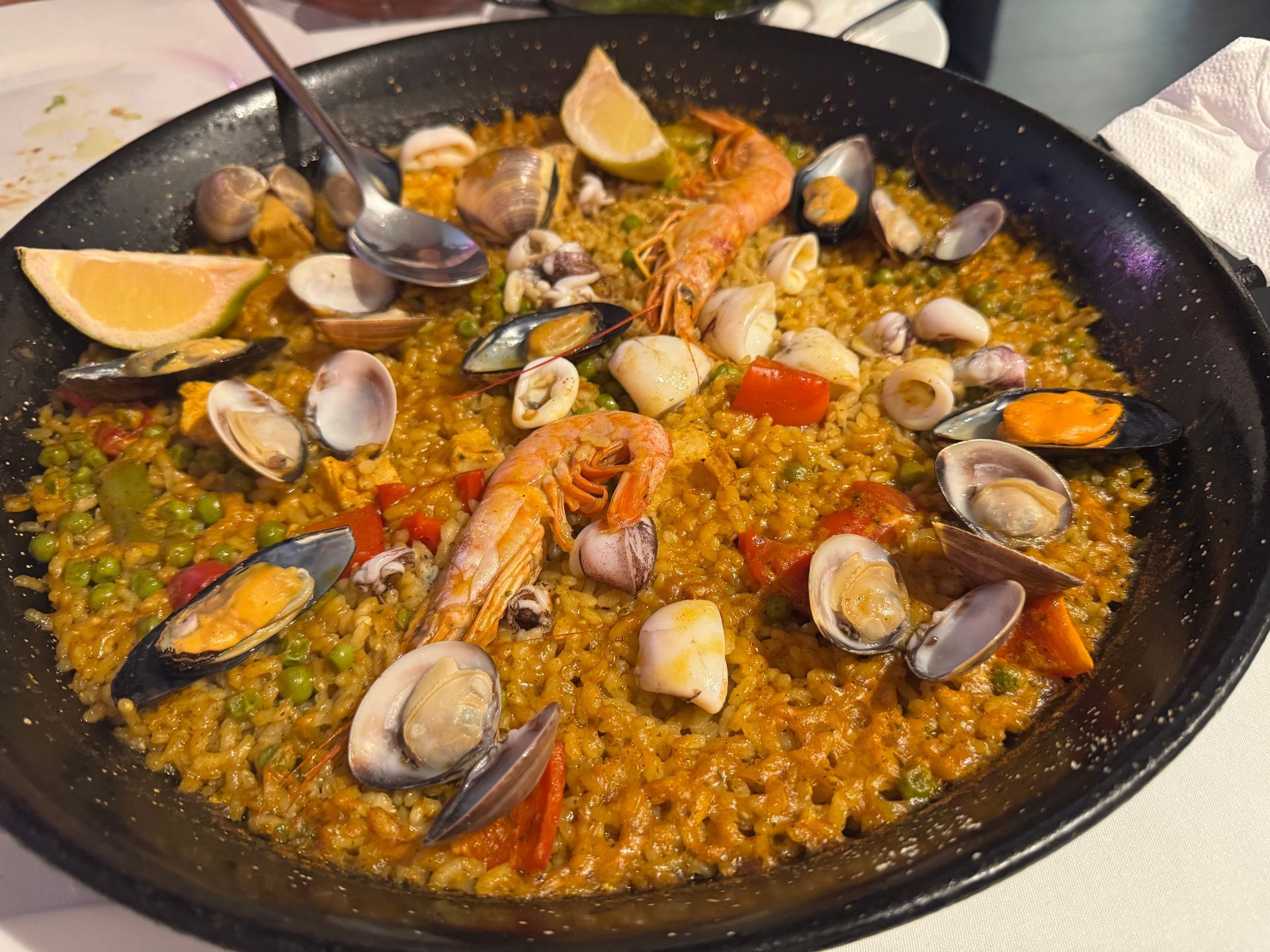
Paella is a Mediterranean dish originating in the Valencia region of Spain. It is a humble meal, originally cooked on an open fire. I’ve enjoyed many wonderful paella meals in Spain. In Valencia I had a local paella with rabbit, snails and local beans. Short-grained rice is always used to prepare Paella, there are several great Spanish varieties like Bomba and Calasparra , prized for absorbing the delicious, flavorful stock and flavors of the ingredients without getting mushy. This is important for creating the dish's signature, crusty bottom layer called the socarrat. Paella is all about the rice!