Chef Tom's Cooking Class Minute: Week 5

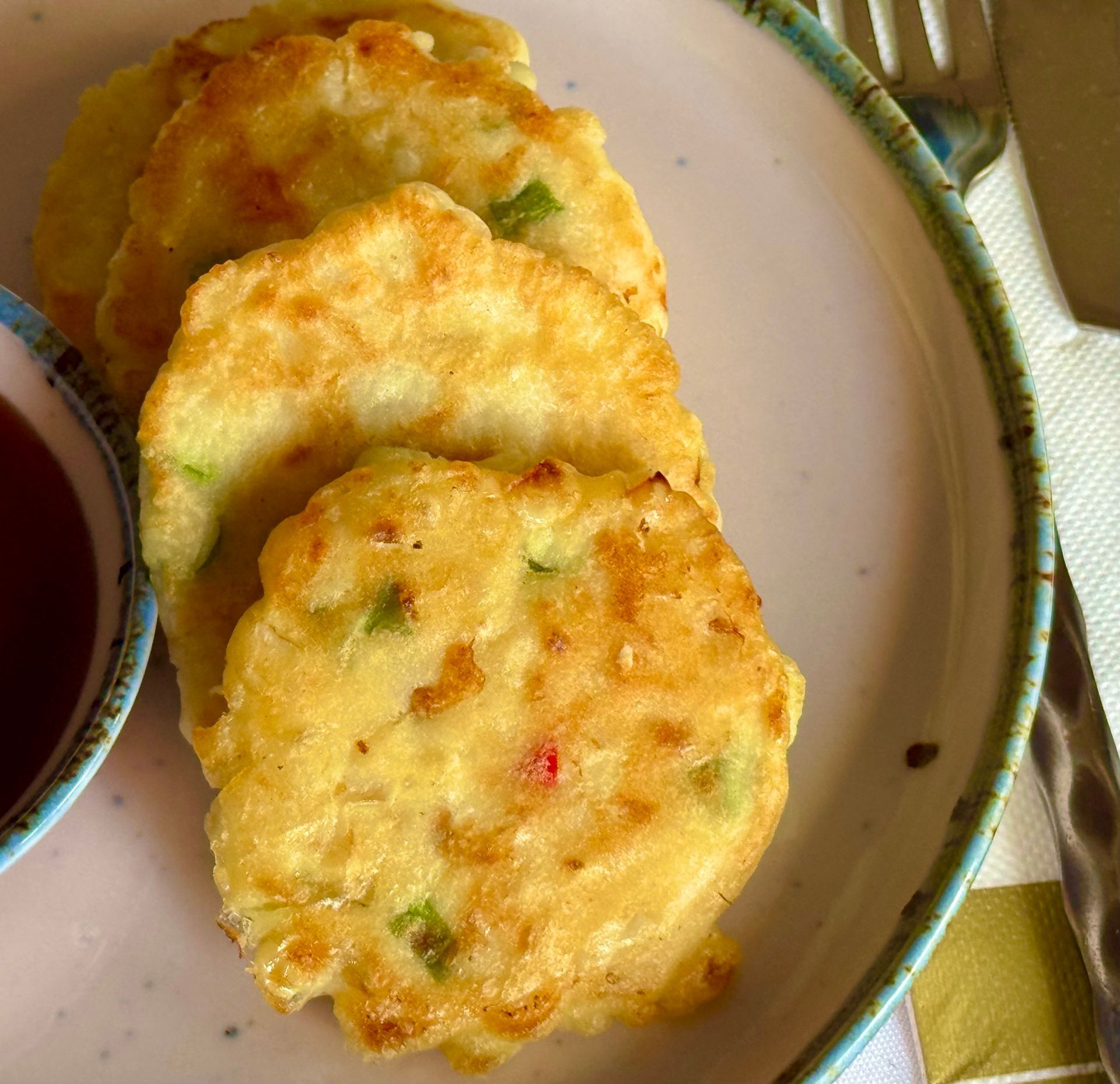
Summer Corn: Soup, Grill, Roast or Fritters?


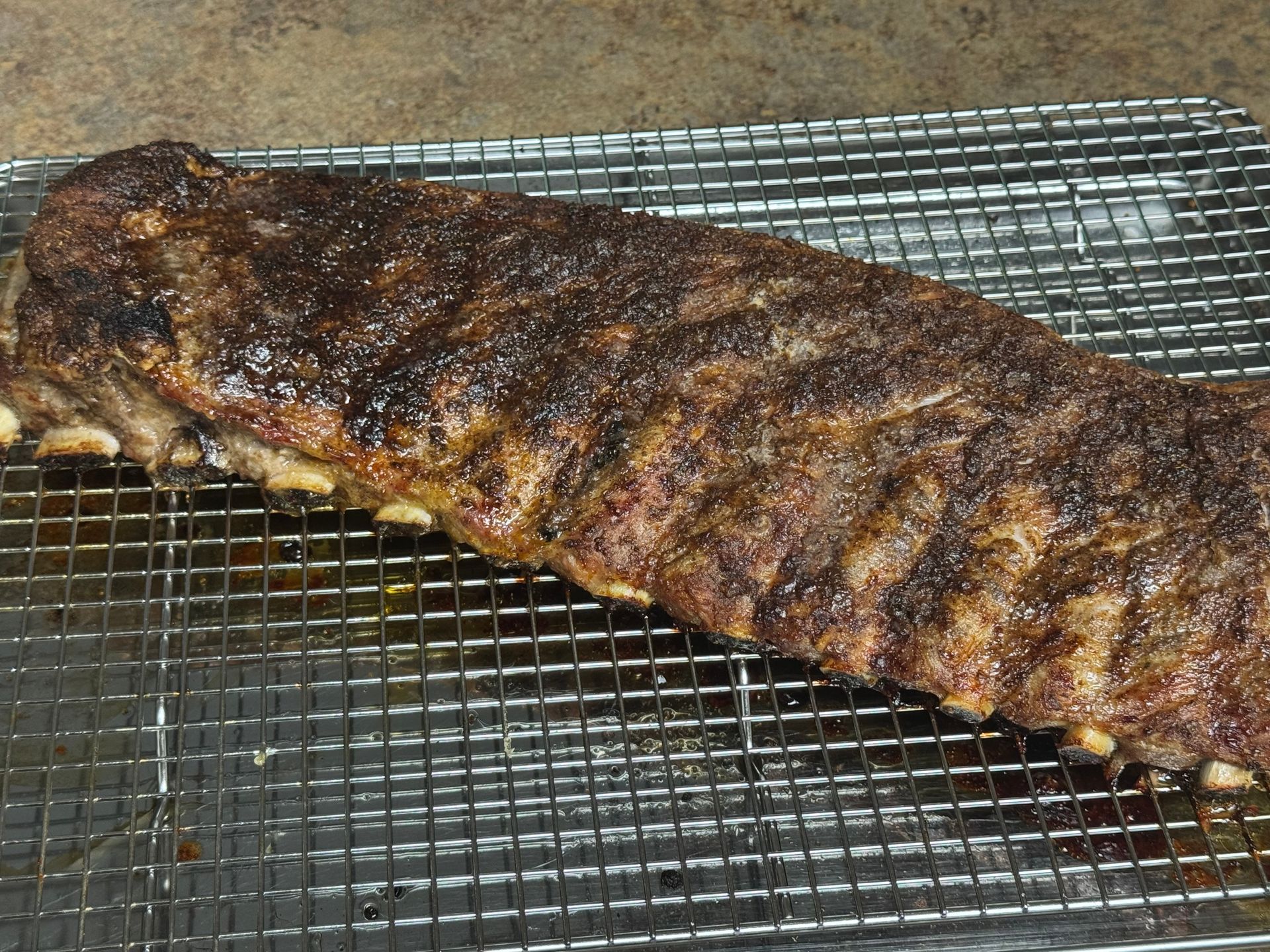
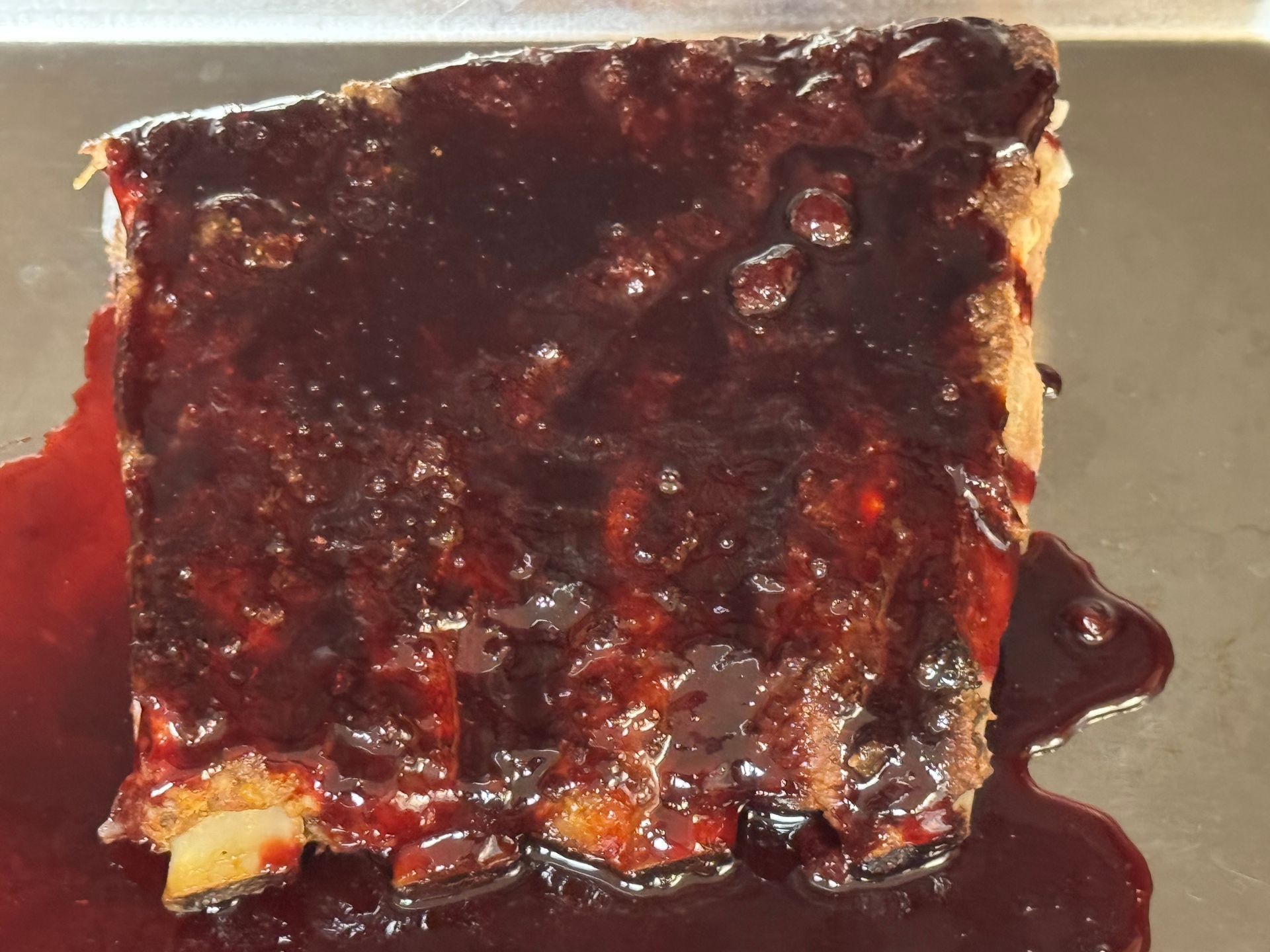
Summer is a great time to cook pork spare ribs!

Salt It or Don't?

Peel it or leave the skin on?
Fry, grill, roast, sauté... or simmer?


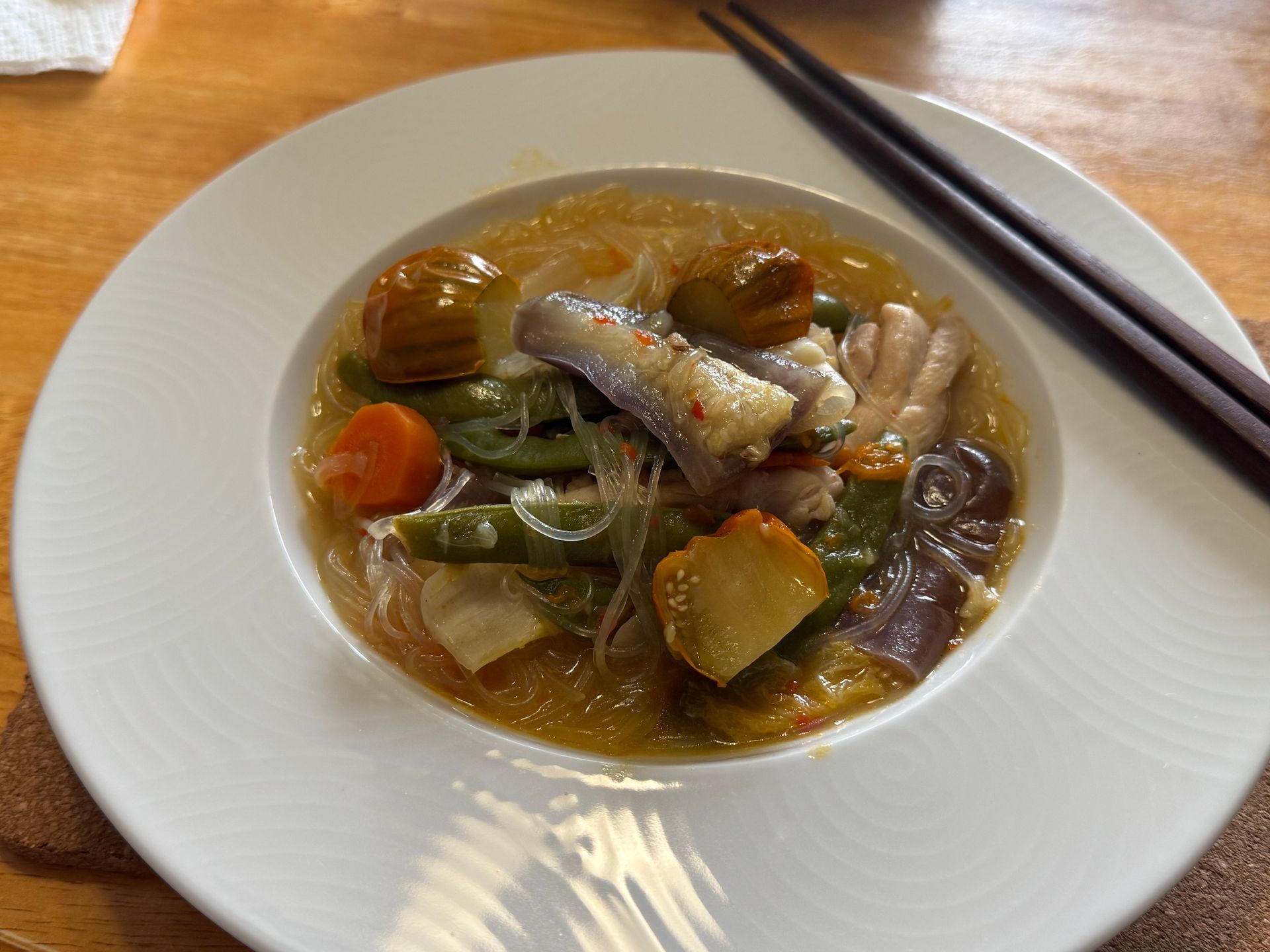
I'd planned to show a tray of delicious eggplant rollatini with a bowl of rigatoni as the photo for this post—something that looked like Sunday dinner after church and before the football games begin. But things changed. Junnie decided to simmer the Thai eggplants I'd been growing in the garden for curry, with mushrooms, lemongrass and ginger in chicken broth. Amazing!

And that's one of the things I love about eggplant. There isn't just one way to cook it.

I grew up eating eggplant prepared the Italian way—salted, pressed, floured and fried in olive oil for eggplant parmigiana. One of my favorite memories is a cold eggplant parmigiana sandwich made from the leftovers. Somehow, it always tastes better the next day.


My mother's family layered hard-boiled egg slices into their eggplant parmigiana. She told me the village in Calabria where her family came from was very poor, and the eggs were an important source of protein. So, should you salt eggplant?

My answer is: it depends. Older varieties could be quite bitter, and salting helped draw out some of that bitterness and excess moisture. Many of today's eggplants are less bitter, so I don't automatically salt them.


Here's my bigger tip: eggplant absorbs both salt and fat very easily.

These days, I often bake eggplant slices in the oven or grill them instead of pan-frying. Grilling gives eggplant a wonderful smoky flavor. I still love deep-fried eggplant, but I save it for when I really want it.


Another preparation I love is stuffed eggplant. Cut the eggplant in half lengthwise, score around the perimeter with a paring knife, and make cross-cuts inside the scored area. Roast or fry the halves, scoop out the cooked flesh, season it with vegetables and/or ground meat, shredded cheese and return the mixture to the shells and bake until hot and browned. Eggplant pairs beautifully with basil, oregano and mint, and I especially enjoy it with lamb.


The variety matters, too. Thai and other Asian eggplants are very different from the large Italian or American purple varieties. Some have thin, tender skins and small seeds, so I don't peel them. With larger eggplants, I decide based on the variety and the recipe.


My tip: don't treat every eggplant the same. Know the variety you're working with, then choose the cooking method that suits it.

How do you prepare eggplant—salted or unsalted, peeled or unpeeled?


Let's Keep Learning Together

What topic would you like me to cover in a future Cooking Class Minute? I'm always looking for ideas from fellow cooks, chefs, and food enthusiasts.


                                               Chef Tom Griffiths, Certified Master Chef
                           Former CIA Instructor • R&D Chef • Hospitality Advisory Consultant

       "Helping chefs, entrepreneurs, and food companies create exceptional food products."

By Tom Griffiths September 4, 2026
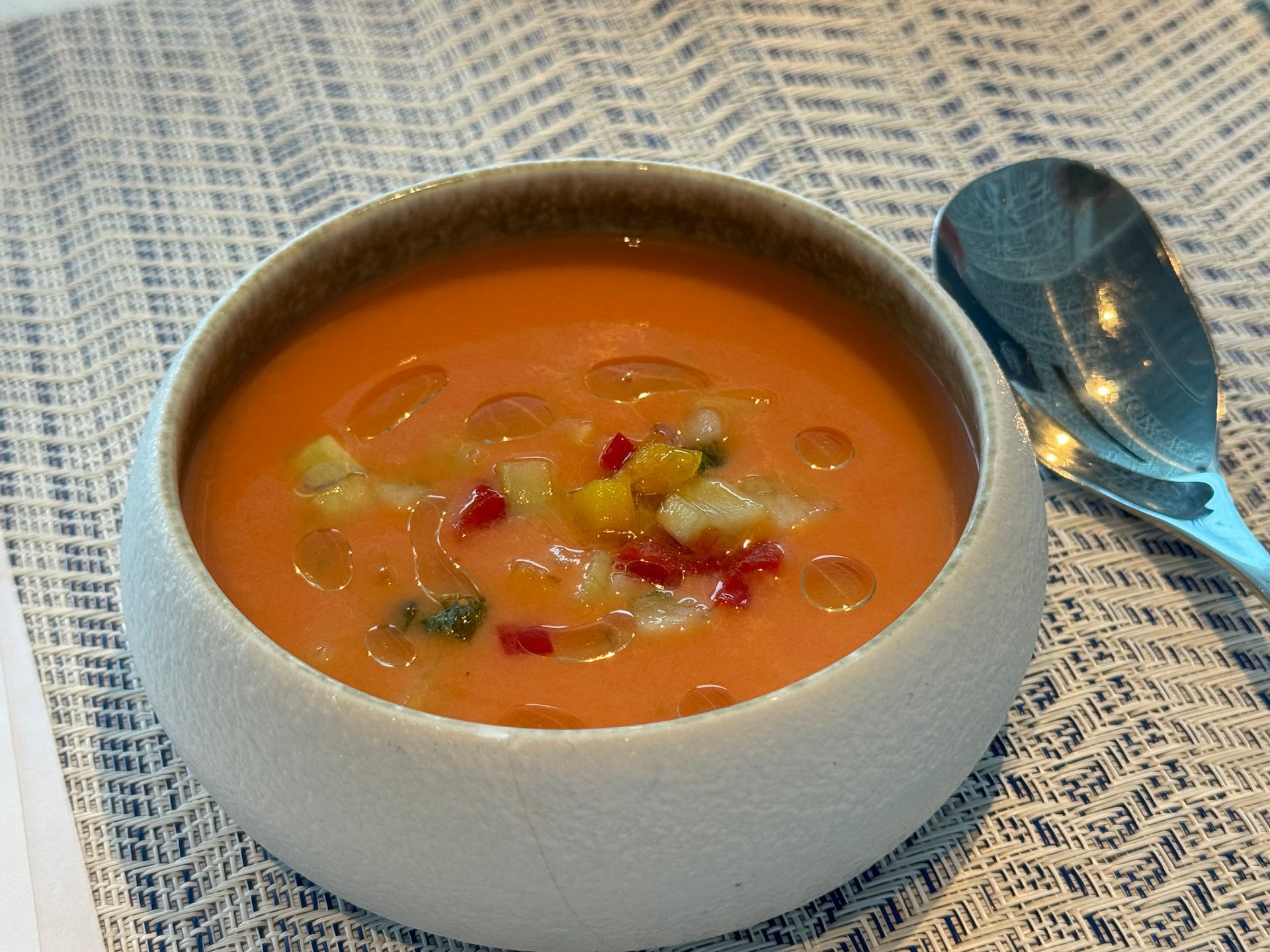
Chef Tom's Cooking Class Minute: Week 6 Gazpacho & Summer Tomatoes
By Tom Griffiths September 4, 2026
Chef Tom's Cooking Class Minute: Week 4 Cooking Summer Eggplant
By Tom Griffiths August 11, 2026
Chef Tom's Cooking Class Minute: Week 3 Cooking Pork Spare Ribs
By Tom Griffiths August 8, 2026
Years ago I traveled around the south for a few weeks researching some of the amazing foods of each region. In Charleston, I was introduced to a local pig farmer, Tank Jackson who manages Holy City Hogs. Tank and his wife raise heritage breed pigs and distribute the pigs around the country. He offers on-site cooking whole pig roasts, primal cuts and sausages, and I believe he produces the best pork in the country.
By Tom Griffiths August 8, 2026
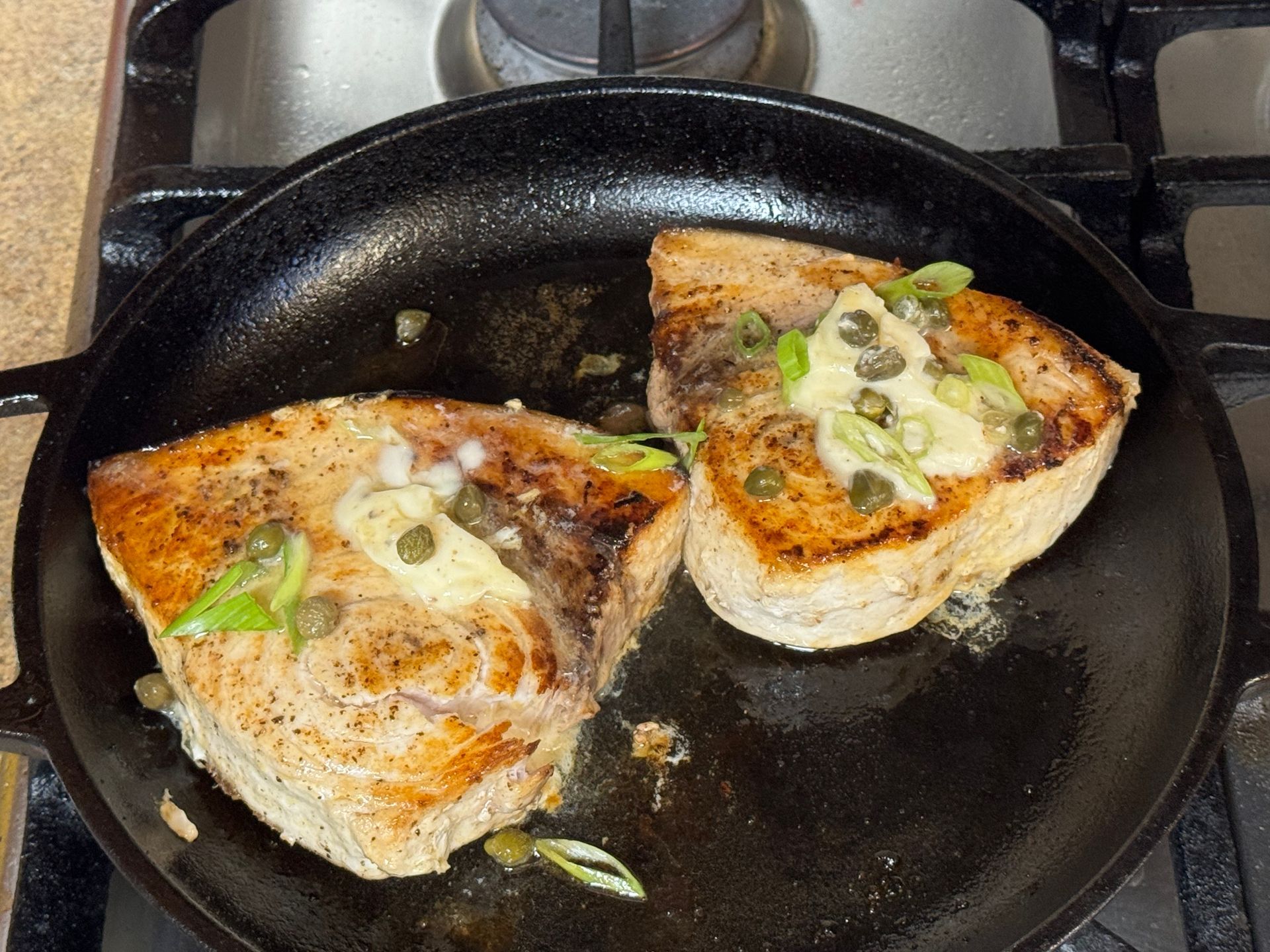
Years ago, while working as a chef in a busy continental restaurant, we featured grilled, fresh swordfish on the menu—finished with a generous spoonful of herbed compound butter and capers. It was popular and delicious. One afternoon, a seafood purveyor stopped by with a sample of frozen swordfish steaks, fully thawed and ready for evaluation. Curious, we grilled it side by side with the “fresh” swordfish we had been serving—fish we believed to be of high quality. The result was surprising. The frozen swordfish was superior—firmer, cleaner in flavor, and more consistent in texture. In contrast, our “fresh” fish, likely several days out of the water, lacked the same integrity. It was a defining moment and an important reminder: in many cases, properly handled and quickly frozen seafood can offer better quality than fish labeled as fresh. For chefs, understanding sourcing and handling is just as critical as technique—especially with a product as prized as swordfish.
By Tom Griffiths August 8, 2026
Chef Tom's Cooking Class Minute: Week 2 Cooking Rice: creating socarrat—
By Tom Griffiths August 6, 2026
Chef Tom's Cooking Class Minute: Week 1 The Biggest Mistake People Make When Cooking Scallops 
By Tom Griffiths July 27, 2026
The name "caponata" itself has a fascinating origin story. One popular theory suggests it derives from capone, the Sicilian word for mahi-mahi. Historically, wealthy Sicilian aristocrats enjoyed a sweet-and-sour fish dish. Because seafood was too expensive for the working class, local home cooks substituted fish with affordable, meaty eggplant. Over time, this creative peasant food evolved into the beloved antipasto we celebrate today, often rounded out with celery, olives, and capers.
By Tom Griffiths July 23, 2026
From Talk to Action: A Chef’s Challenge for School Lunches 
By Tom Griffiths July 22, 2026
The legendary New York-style cheesecake was famously popularized by Lindy’s Restaurant , an iconic Theater District deli opened in 1921 by German-immigrant Leo "Lindy" Lindemann and his wife Clara . A NY-style cheesecake has a dense but velvety cream cheese base, citrus zest, and a distinct cookie-dough pastry crus t. For years, I took the bus into NYC to work in amazing restaurant kitchens. On one bus ride I met and became friends with a manager at the legendary Lindy’s Restaurant. One day, he did the ultimate honor: he shared the closely guarded, original cheesecake recipe with me. This new recipe is directly inspired by that legendary Lindy’s classic, capturing its iconic velvety richness and signature flavor profile, but re-engineered for a modern, protein-packed lifestyle.  Why This Recipe Delivers High-protein swap : Cottage cheese provides a clean, protein-packed base that replaces heavy fats without sacrificing richness. Silky texture : Blending the batter thoroughly ensures a velvety smooth consistency that rivals any NY-style cake. Savory-approved : Simple, foolproof assembly that requires no pastry-chef precision to get a perfect bake every time.