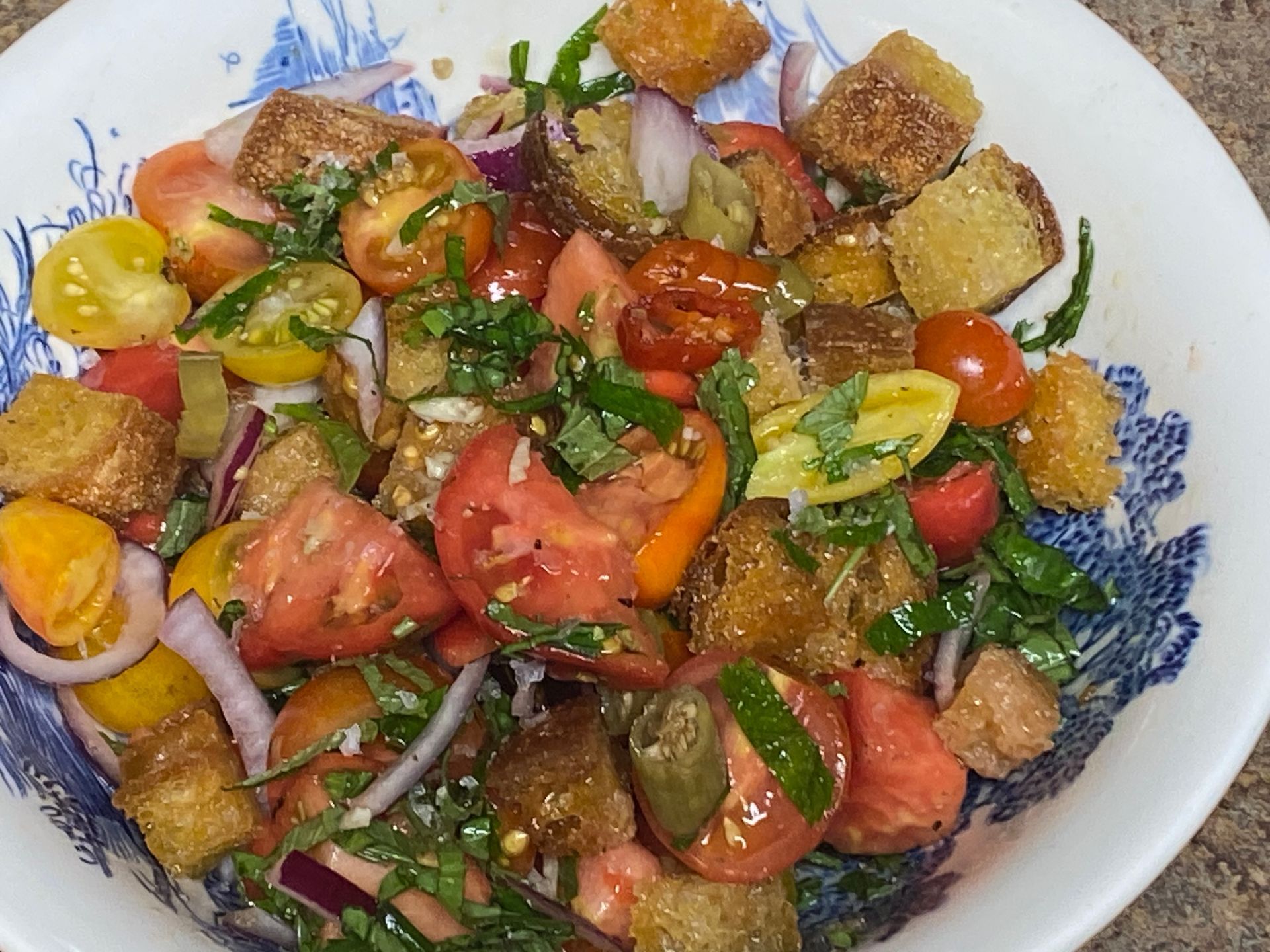
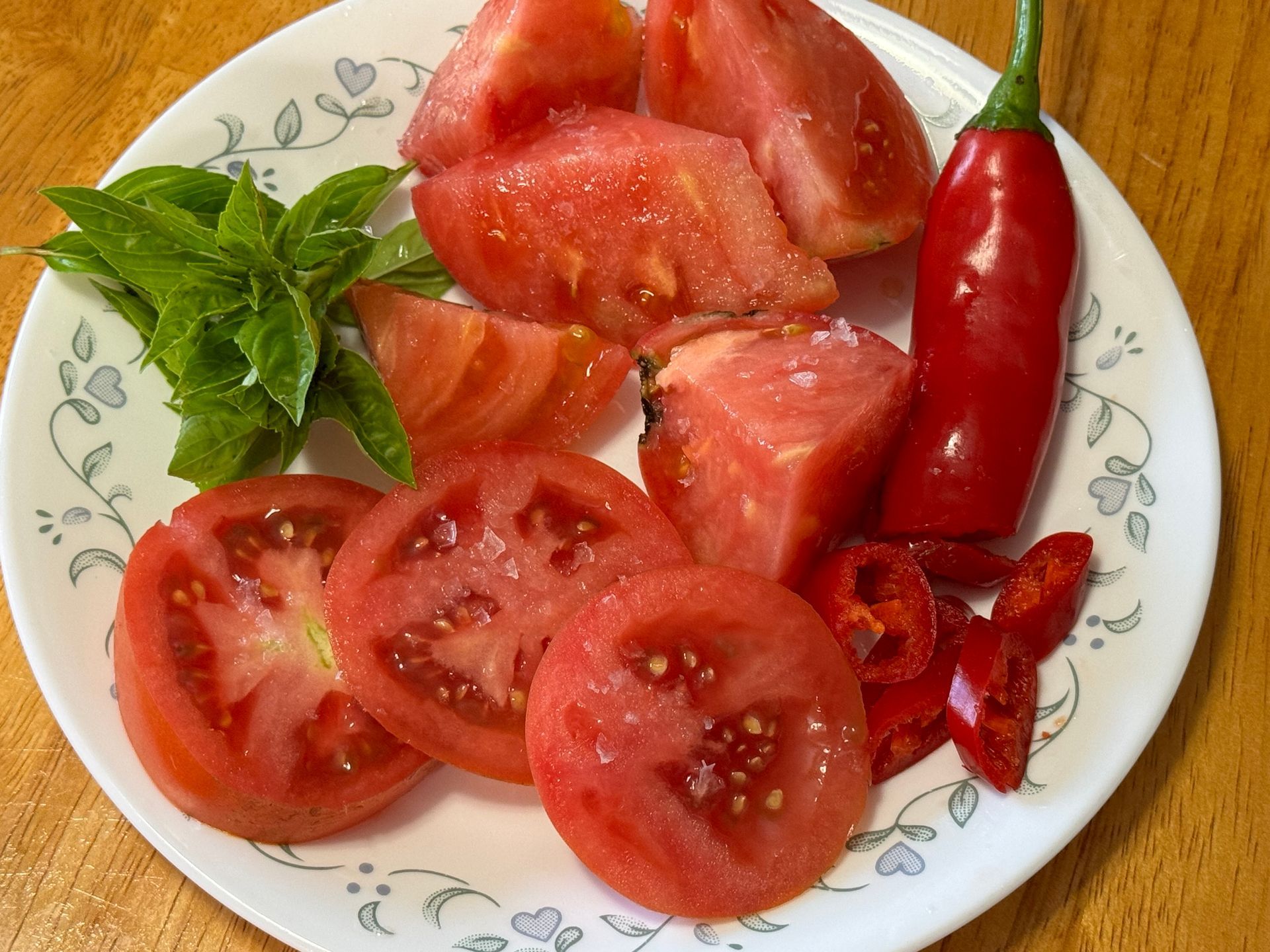
A salad with tomatoes , croutons , onions and other vegetables in a bowl

Summer vegetables deserve a simple hand... it's really about celebrating the vegetables when they are ripe and delicious!

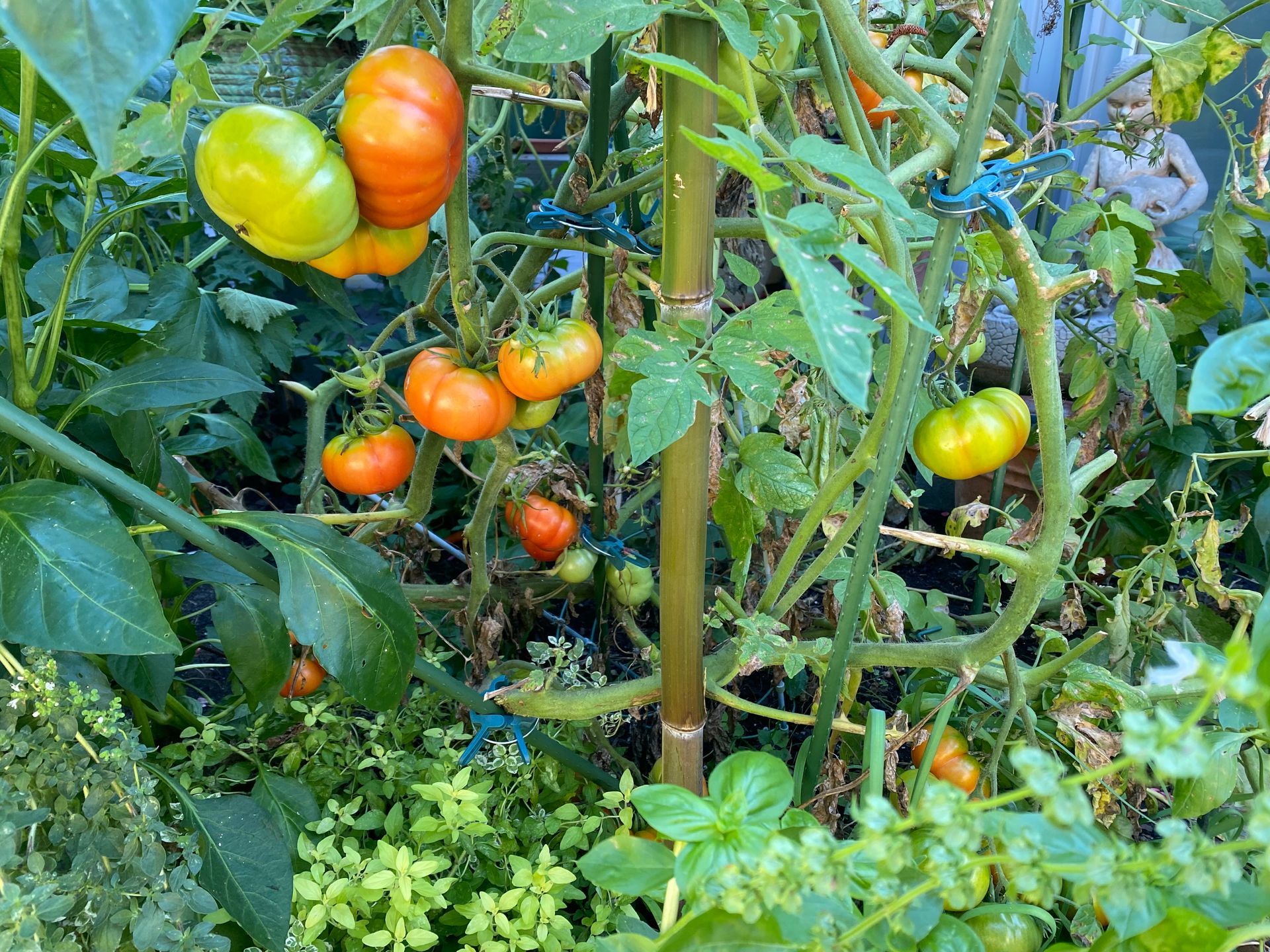
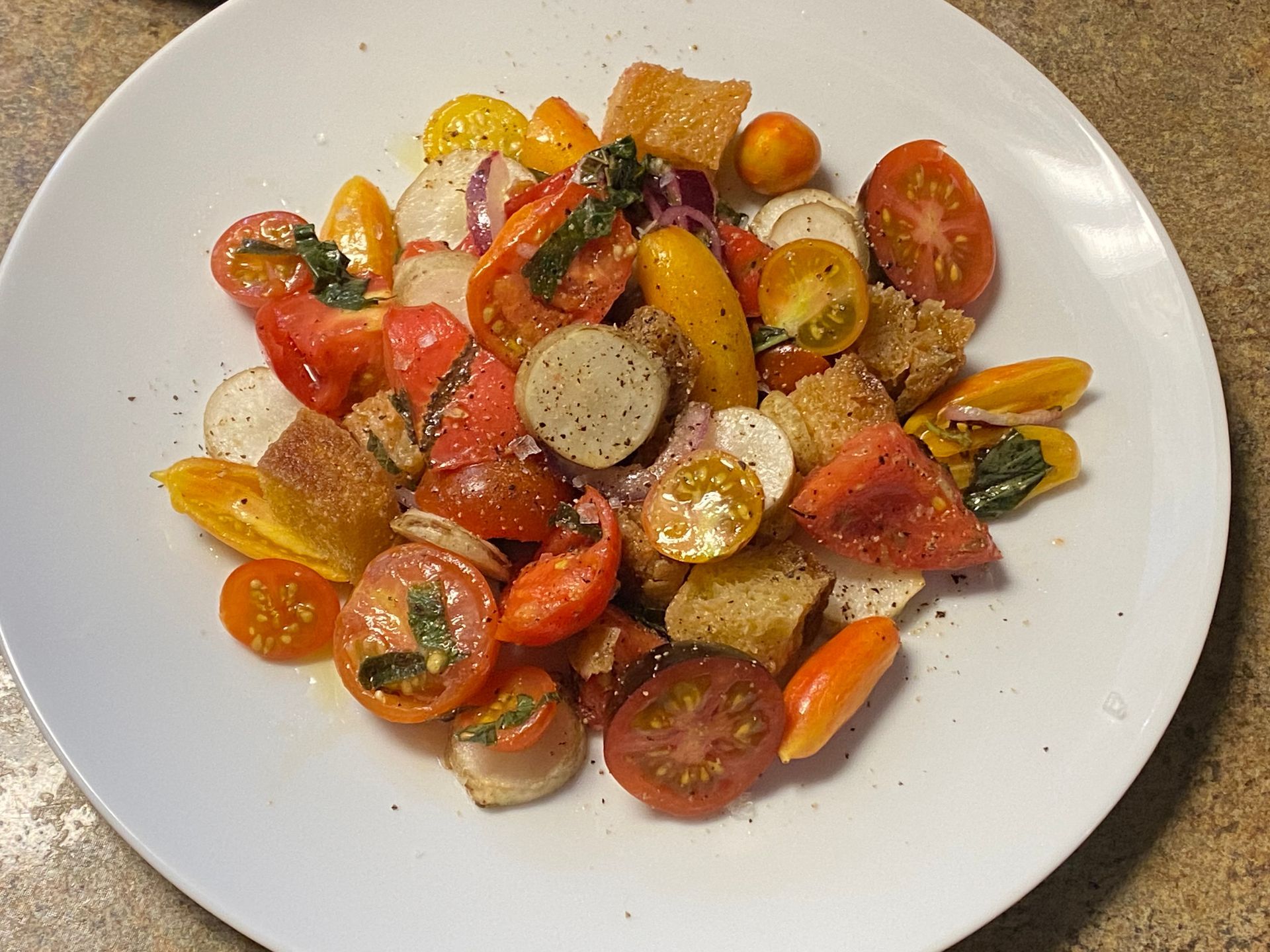
This salad recipe came together using a variety of vegetables at peak ripeness from my garden, with assorted heirloom tomatoes providing both visual appeal and exceptional flavor. I season them sparingly—kosher salt, freshly cracked black pepper, a drizzle of extra-virgin olive oil, and a splash of red wine vinegar—nothing more is needed. Red onion, fresh basil, and a touch of hot pepper add depth, while freshly baked garlic croutons give the salad substance.

The difference between a warm, ripe New Jersey tomato picked from the garden and one eaten out of season is impossible to ignore. In fact, I’ve never understood how chefs can serve Caprese salads or add tomatoes to sandwiches year-round using those dull, flavorless alternatives. When tomatoes are truly in season, they need no disguise—and when they aren’t, they simply don’t belong on the plate.
.

Summer Tomato Salad

Tomatoes come in a wide range of varieties, each suited to different culinary uses. Cherry and grape tomatoes are prized for their sweetness and thin skins, making them ideal for salads and quick cooking. (also great to snack on when gardening!)

Roma, San Marzano and other plum tomatoes have lower moisture and higher flesh content, which makes them well suited for sauces and roasting. These are still very delicious eaten uncooked.
Heirloom varieties offer exceptional flavor and visual diversity, often with higher acidity or sweetness depending on the cultivar, while beefsteak tomatoes are valued for their size and juiciness in slicing applications.

From a nutritional standpoint, tomatoes are rich in vitamin C, potassium, folate, and vitamin A. They are best known for their high lycopene content, a powerful antioxidant associated with heart health and reduced risk of certain chronic diseases.

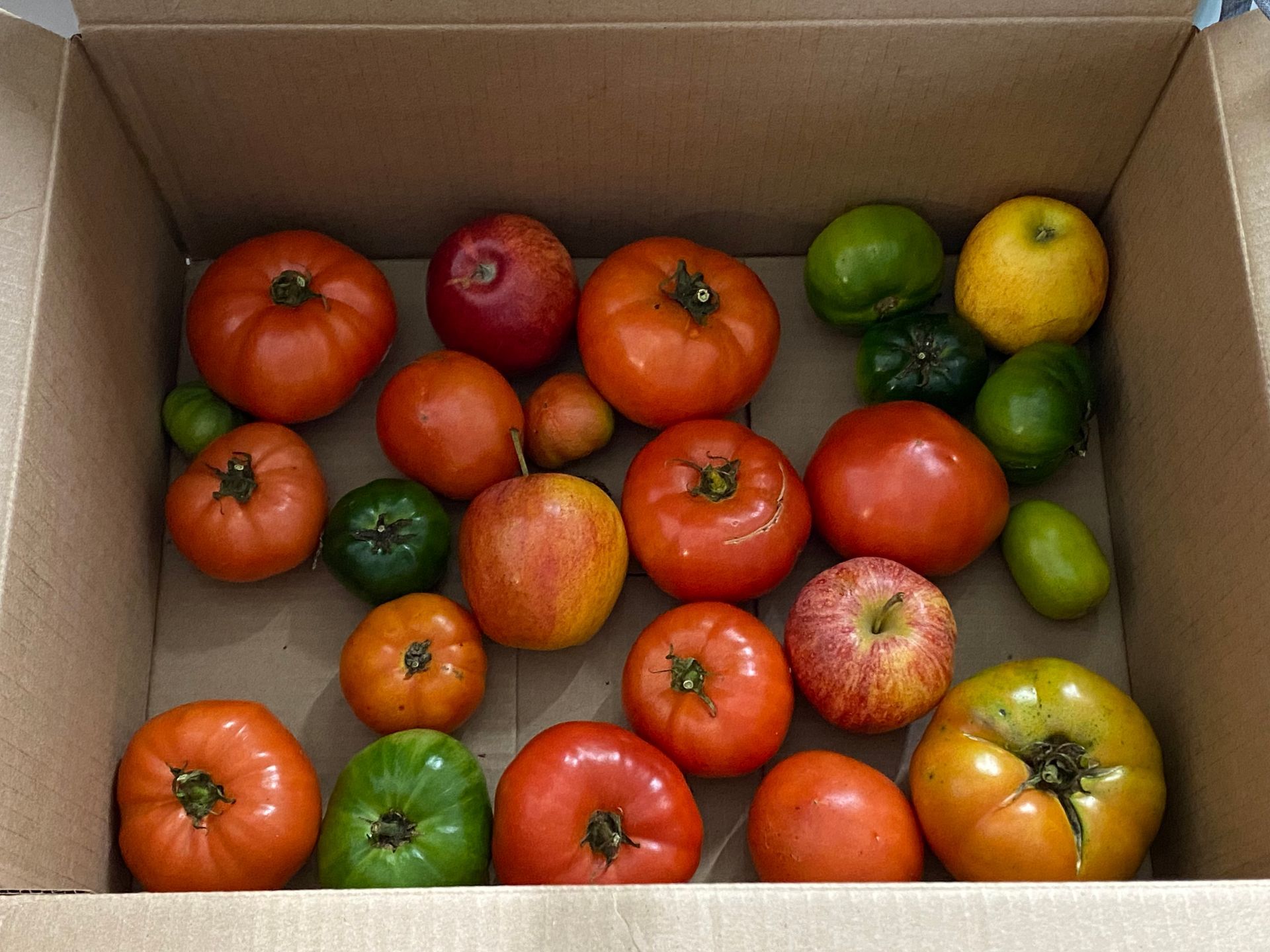
Ripening tomatoes in a closed box with an apple-

it works great for salads!
Prep Time: 2o min to assemble and 20 minutes to marinate

Cooking Time: 10 min for the croutons

Yield: 4 portions


Ingredients      

1.5  lbs.     Heirloom tomatoes, ripe and assorted shapes & colors                      


Dressing:                                                 

2  oz.       Red wine vinegar                       

6  oz.       Olive oil                                     

1/2 tsp    Kosher Salt                                       

t.t.            Black pepper                                   

1 Tbsp    Dijon mustard                             

3 oz.        Red onions, sliced thinly 

2  oz.      Chili peppers, sliced thinly                           

2  oz.      Basil, chiffonade          

1 Cup.    Baked garlic croutons                  


How to make Summer Heirloom Tomato Salad
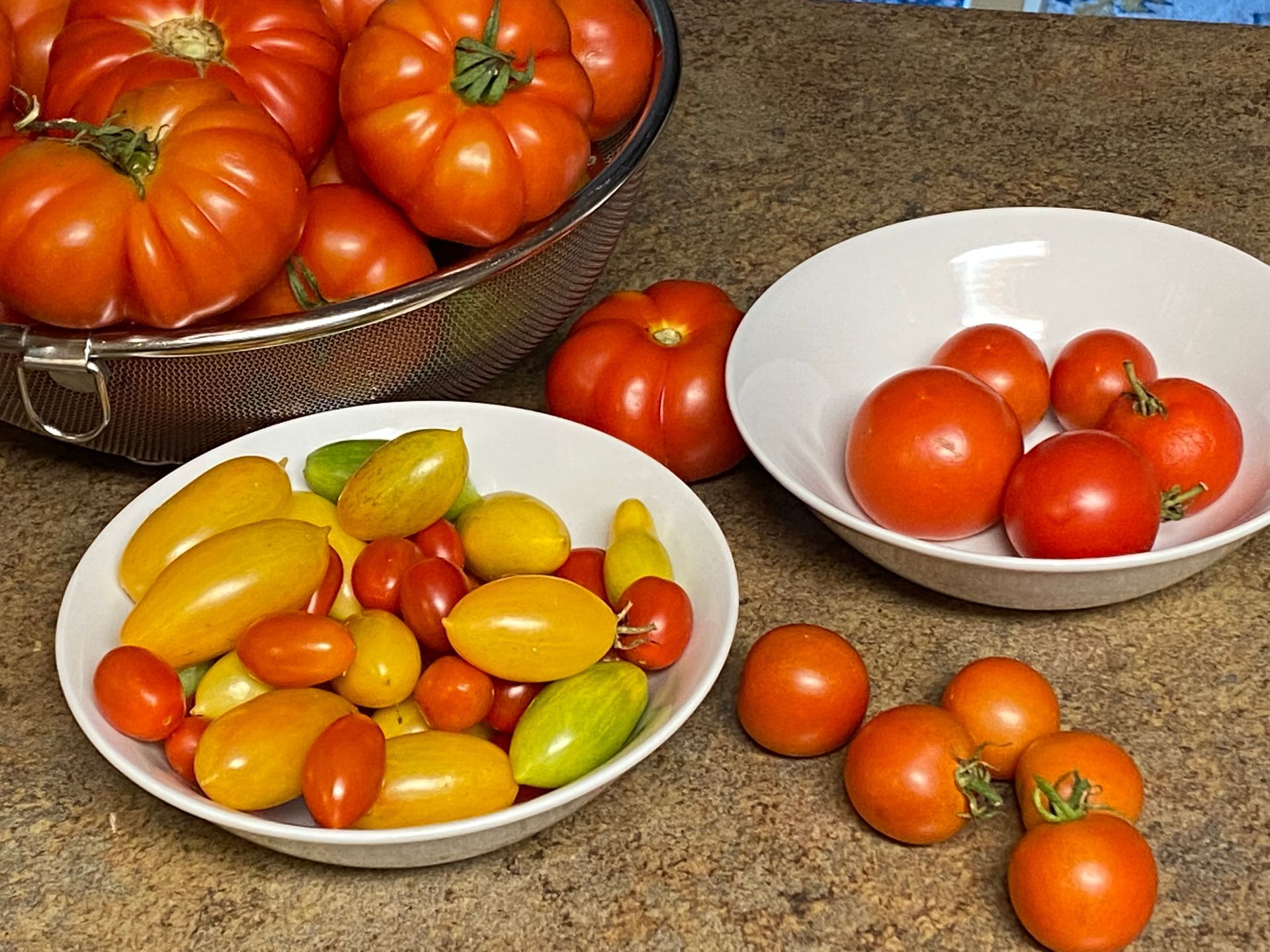
Three bowls of tomatoes are on a counter next to a bowl of tomatoes

Step 1

Wash and dry the tomatoes, decore and cut into small chunks so that all of the different tomato varieties are similar in size. Season with salt and pepper and all to develop flavor for 15 minutes. 
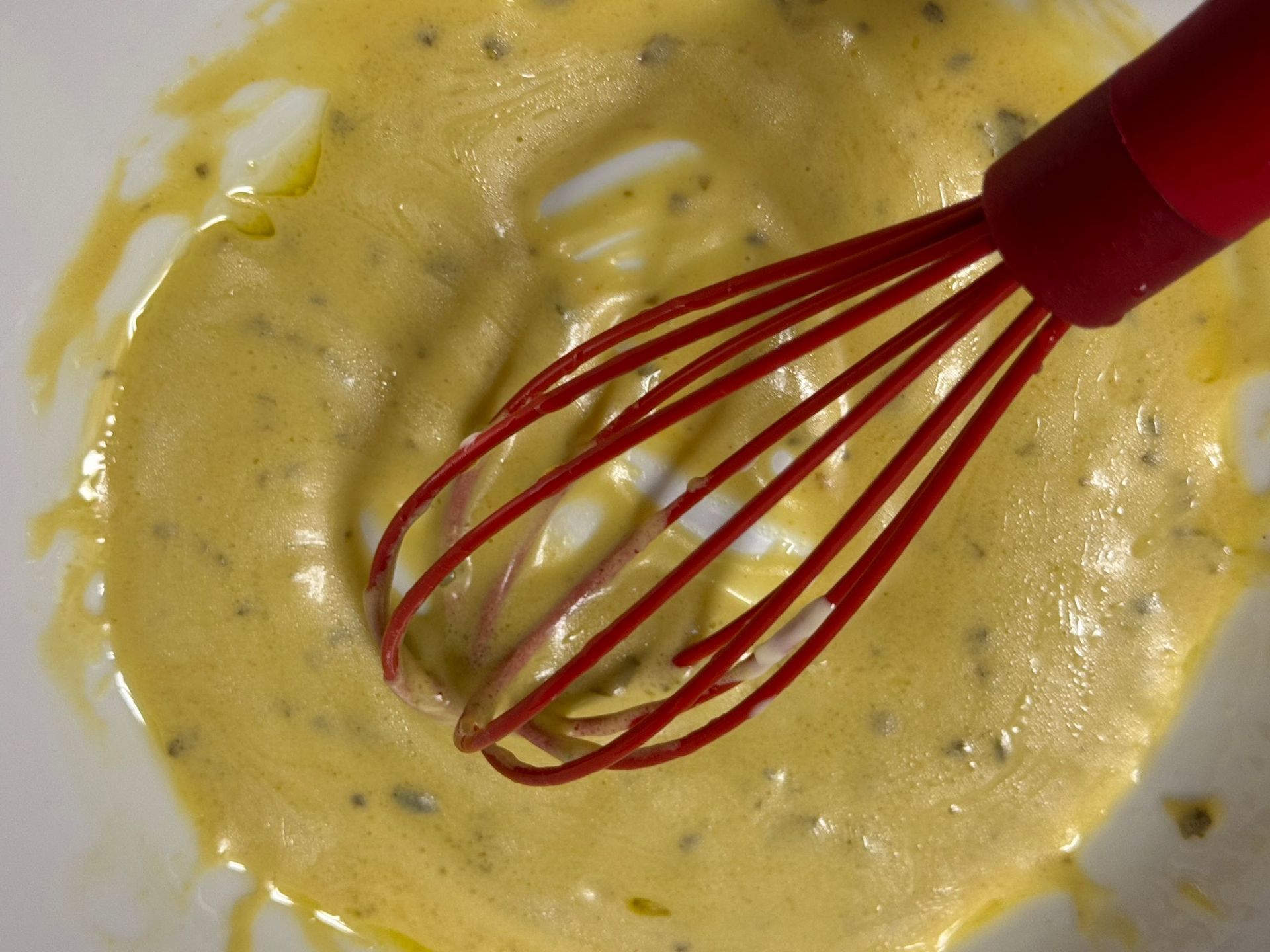
A red whisk is in a bowl of sauce

Step 2

Whisk all of the ingredients in the dressing together in a stainless steel bowl. 
Step 3

Mix the tomatoes with the dressing, add the garlic croutons and toss.

By Tom Griffiths July 27, 2026
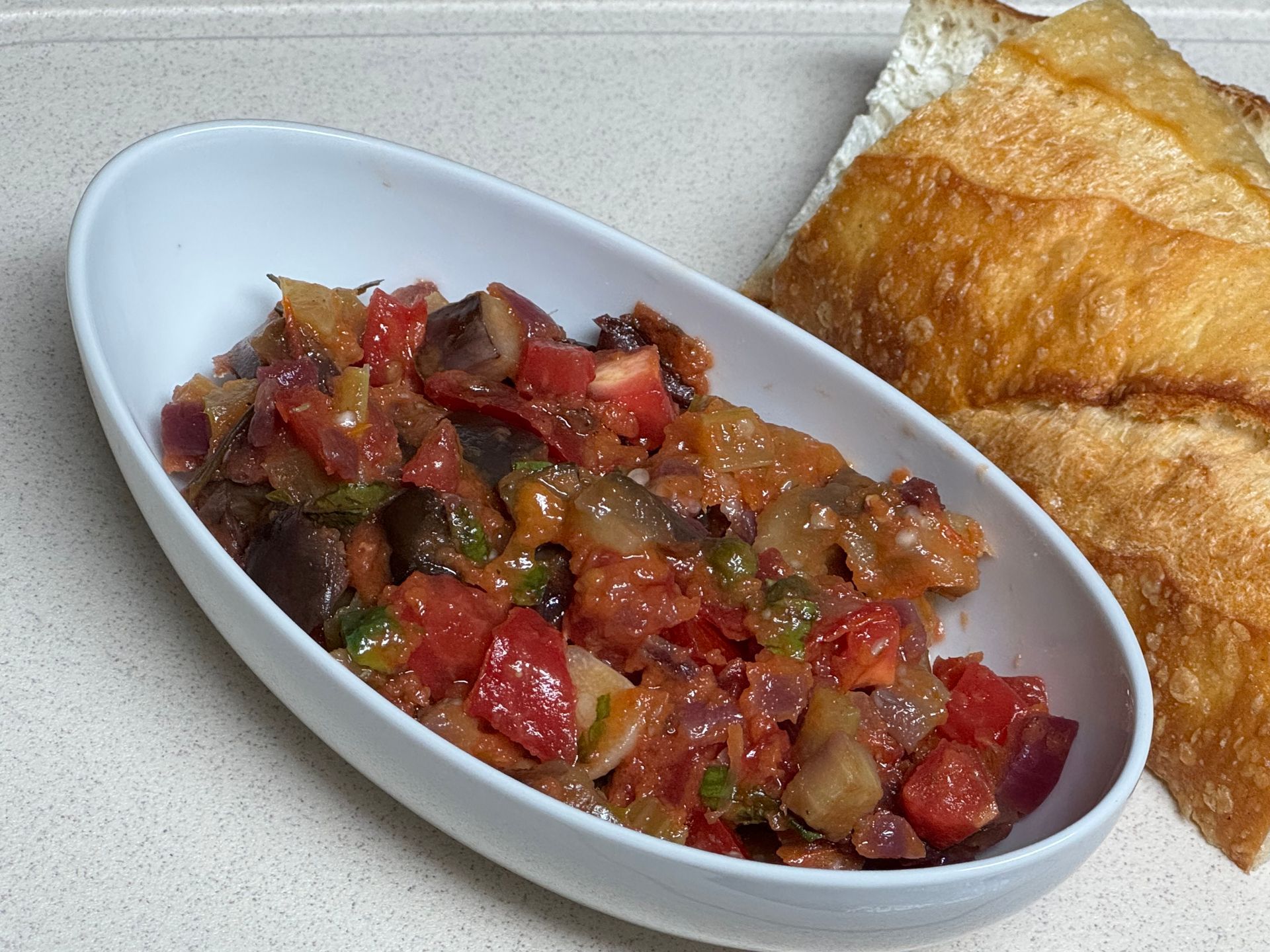
The name "caponata" itself has a fascinating origin story. One popular theory suggests it derives from capone, the Sicilian word for mahi-mahi. Historically, wealthy Sicilian aristocrats enjoyed a sweet-and-sour fish dish. Because seafood was too expensive for the working class, local home cooks substituted fish with affordable, meaty eggplant. Over time, this creative peasant food evolved into the beloved antipasto we celebrate today, often rounded out with celery, olives, and capers.
By Tom Griffiths July 23, 2026
From Talk to Action: A Chef’s Challenge for School Lunches 
By Tom Griffiths July 22, 2026
The legendary New York-style cheesecake was famously popularized by Lindy’s Restaurant , an iconic Theater District deli opened in 1921 by German-immigrant Leo "Lindy" Lindemann and his wife Clara . A NY-style cheesecake has a dense but velvety cream cheese base, citrus zest, and a distinct cookie-dough pastry crus t. For years, I took the bus into NYC to work in amazing restaurant kitchens. On one bus ride I met and became friends with a manager at the legendary Lindy’s Restaurant. One day, he did the ultimate honor: he shared the closely guarded, original cheesecake recipe with me. This new recipe is directly inspired by that legendary Lindy’s classic, capturing its iconic velvety richness and signature flavor profile, but re-engineered for a modern, protein-packed lifestyle.  Why This Recipe Delivers High-protein swap : Cottage cheese provides a clean, protein-packed base that replaces heavy fats without sacrificing richness. Silky texture : Blending the batter thoroughly ensures a velvety smooth consistency that rivals any NY-style cake. Savory-approved : Simple, foolproof assembly that requires no pastry-chef precision to get a perfect bake every time.
By Tom Griffiths June 28, 2026
One of the great pleasures of my career is spending time each year working as a Culinary Educator aboard a cruise ship alongside my wife. She teaches baking & pastry while I focus on savory cooking and culinary techniques. Our travels take us to fascinating ports around the world, providing opportunities to explore local markets and study regional cuisines. I have a particular affection for the Mediterranean and always make it a point to seek out local variations of pesto, one of the world's great culinary treasures. One evening aboard ship, the pasta station served rigatoni with a choice of pesto, marinara, or Alfredo sauce. The cook prepared each order by reheating the pasta in hot water and then finishing it briefly in a sauté pan with the selected sauce. I watched in disbelief as he prepared to heat the pesto exactly the same way. "Horror!" flashed through my mind. Pesto is not a cooked sauce. Heating it aggressively dulls the fresh basil aroma, darkens its vibrant color, and diminishes the delicate flavors of basil, garlic, pine nuts, and extra virgin olive oil that make pesto so special. I may have startled the cook when I quickly called out, "Please don't cook my pesto!" Instead, I asked him to simply toss the hot rigatoni with the pesto off the heat, allowing the warmth of the pasta to gently release the fragrance and flavor of the basil. The result was exactly as pesto was intended to be enjoyed—fresh, vibrant, aromatic, and unmistakably Mediterranean.
By Tom Griffiths May 13, 2026
As chefs, we spend years mastering sauté work. I remember my early days working the sauté station for lunch in a French restaurant in NYC. We served over one hundred guests in an hour-and the food was excellent — a dozen hot pans on the flat top, stocks simmering, mise en place of freshly chopped herbs, minced shallots, butter for mounting into sauces à la minute. There is rhythm to good sauté cooking. You learn quickly that great sauté work is not about rushing — it is about organization and control .
By Tom Griffiths April 23, 2026
Beyond Sweet Basil: An Herb with History, Health, and Global Range 
By Tom Griffiths April 11, 2026
Our Easter and Christmas meals were feasts... my mother's family all met at Aunt Flora's home in Jersey City to enjoy and celebrate the holidays. Dinner began with platters of fresh mozzarella, roasted peppers, olives, Italian bread, then a pasta course (manicotti or lasagna for the religious holidays), a roast or sausages with plenty of vegetables and traditional Italian desserts with dark coffee.We ate Italian Easter Wheat Pie one day each year—and it was never store-bought. My Aunts brought Easter cookies and baked goods-the wheat pie was my favorite. I loved the slight 'bite' of the wheat and flavors of cinnamon, vanilla and citrus. My father sometimes let me have a sip of his espresso with the dessert. I'm not sure if my mother used lard for the pie crust-she was a fan of butter and Crisco but the crust was always flaky.
By Tom Griffiths April 8, 2026
There are certain dishes that stay with you—not just for their flavor, but for what they represent. For me, roasting a leg of lamb over Pommes boulangère is one of those meals. I don't recall having lamb at any occasions growing up so this was a dish that I proudly introduced to our family. As a young cook, it was something I could prepare with limited experience, and it provided deeply satisfying results. The lamb roasts in the oven over a bed of potatoes, onions, and garlic, allowing its natural juices and fat to baste the vegetables below. It's actually a simple preparation but becomes a complete, delicious meal—the potatoes absorbing flavor and becoming just as important as the roast itself. These days I'm developing delicious recipes using spice blends such as Ras el hanout, Baharat, Za'atar, Togarashi and even Harissa. I also love roasting leg of lamb outdoors on a grill or rotisserie. I like the subtle smokiness from applewood or dried herbs when I'm roasting lamb outdoors.
By Tom Griffiths April 8, 2026
There are certain dishes that stay with you—not just for their flavor, but for what they represent. For me, Pommes boulangère is one of those dishes. As a young cook, it was a delicious meal I could prepare for my family with my limited culinary experience. I often return to this preparation when roasting whole chicken, pork, or lamb—letting the potatoes, onions, and garlic absorb the natural juices from the protein as it cooks. The potatoes becomes more than a side dish; it’s the foundation of the meal.
By Tom Griffiths April 7, 2026
There are countless versions of Potatoes au gratin , many of them heavy with cheese. I prefer a more restrained approach—using little or no cheese—so the flavor of the potatoes remains the focus rather than being masked. Milk produces a lighter, more delicate gratin, while light or heavy cream creates a richer, more structured dish. Both are valid—it simply depends on the desired outcome. One constant, however, is nutmeg. Used sparingly, it acts as a quiet “secret weapon,” adding depth without calling attention to itself. This recipe is inspired by Xavier LeRoux, one of the finest chefs I’ve had the privilege to work with. His method includes an extra step—gently simmering the potatoes in cream before baking—which yields a noticeably superior result. The potatoes begin to release their starch into the cream early, ensuring a more uniform texture and a fully integrated dish from the first bite to the last.