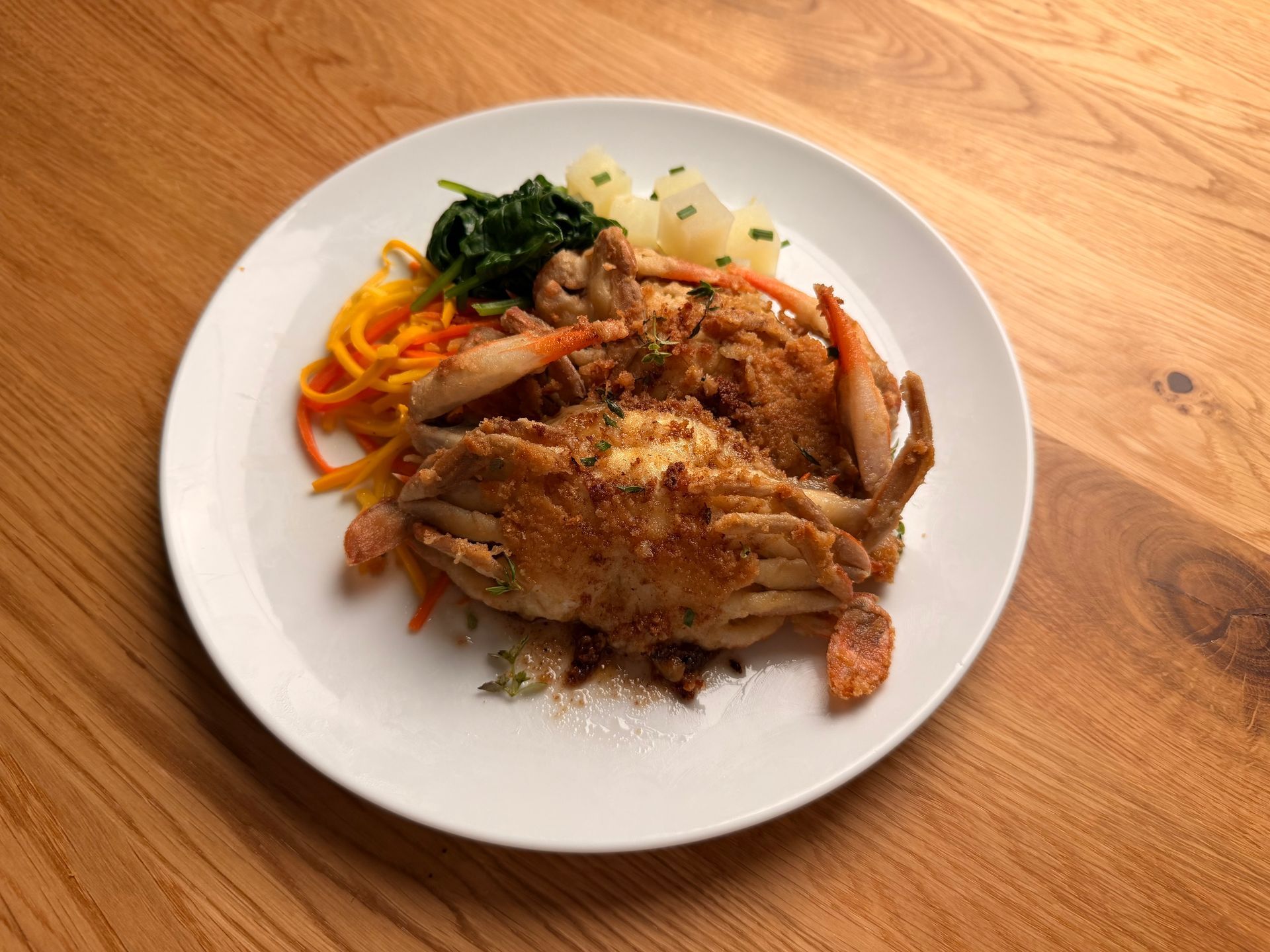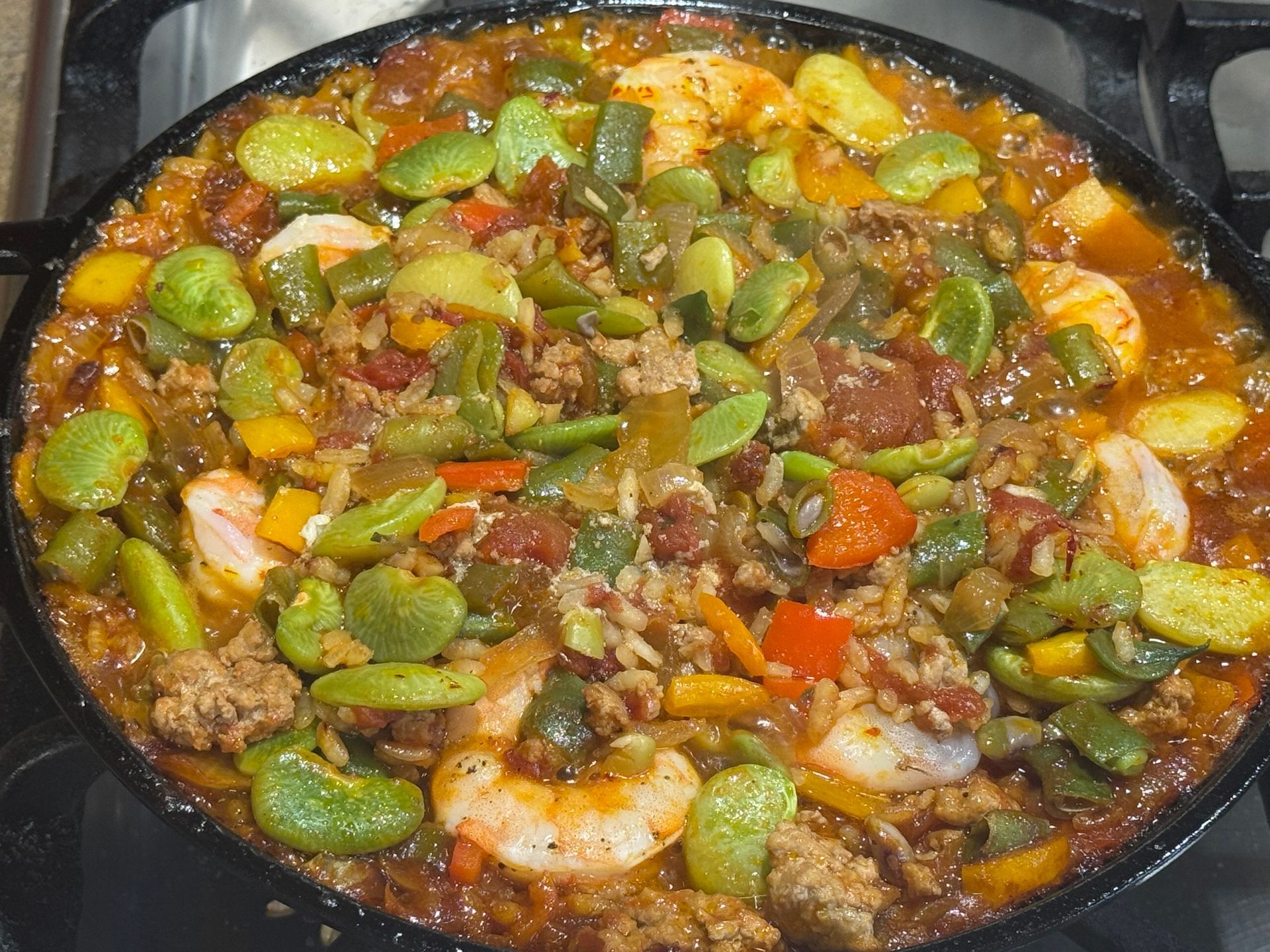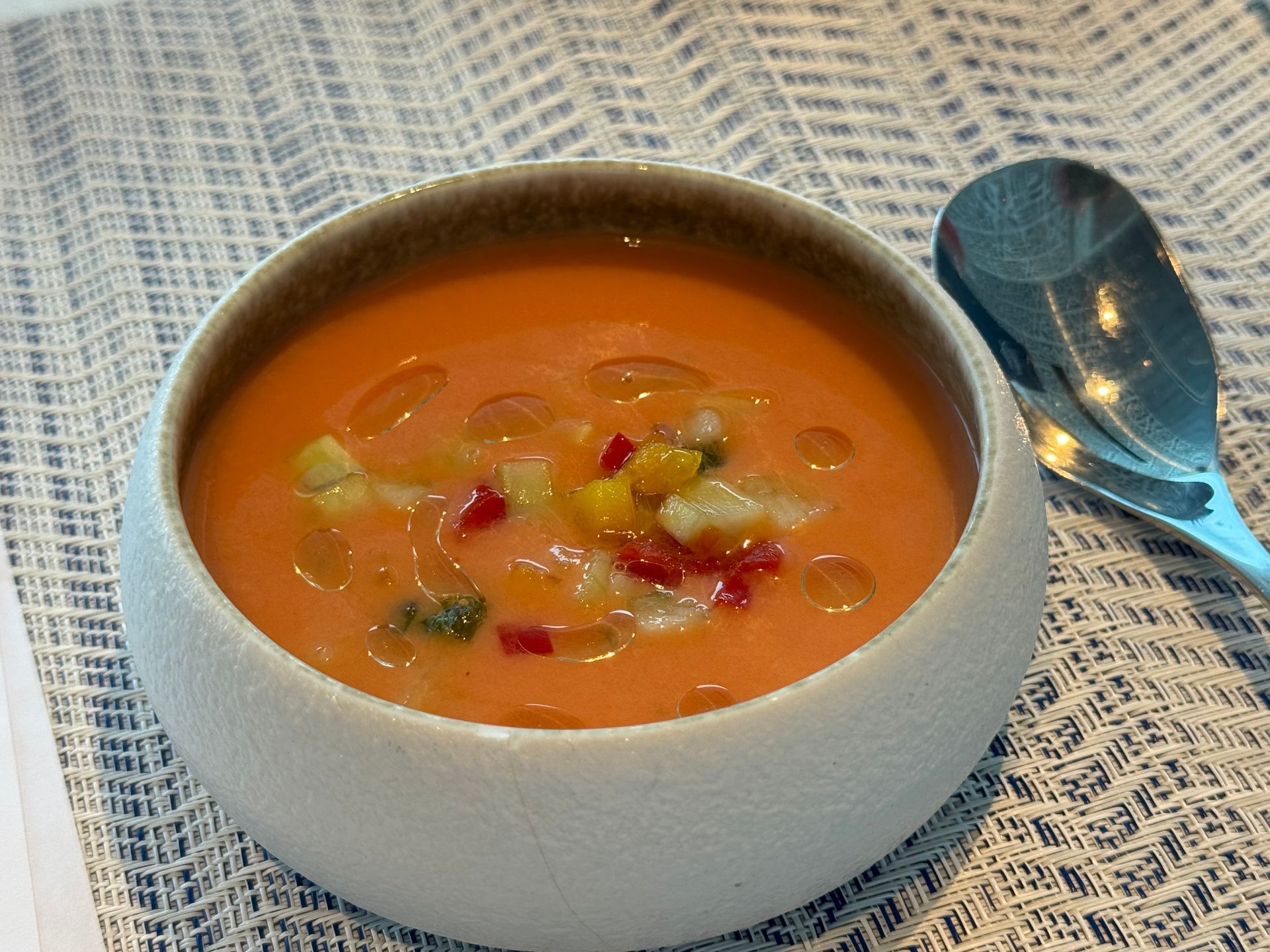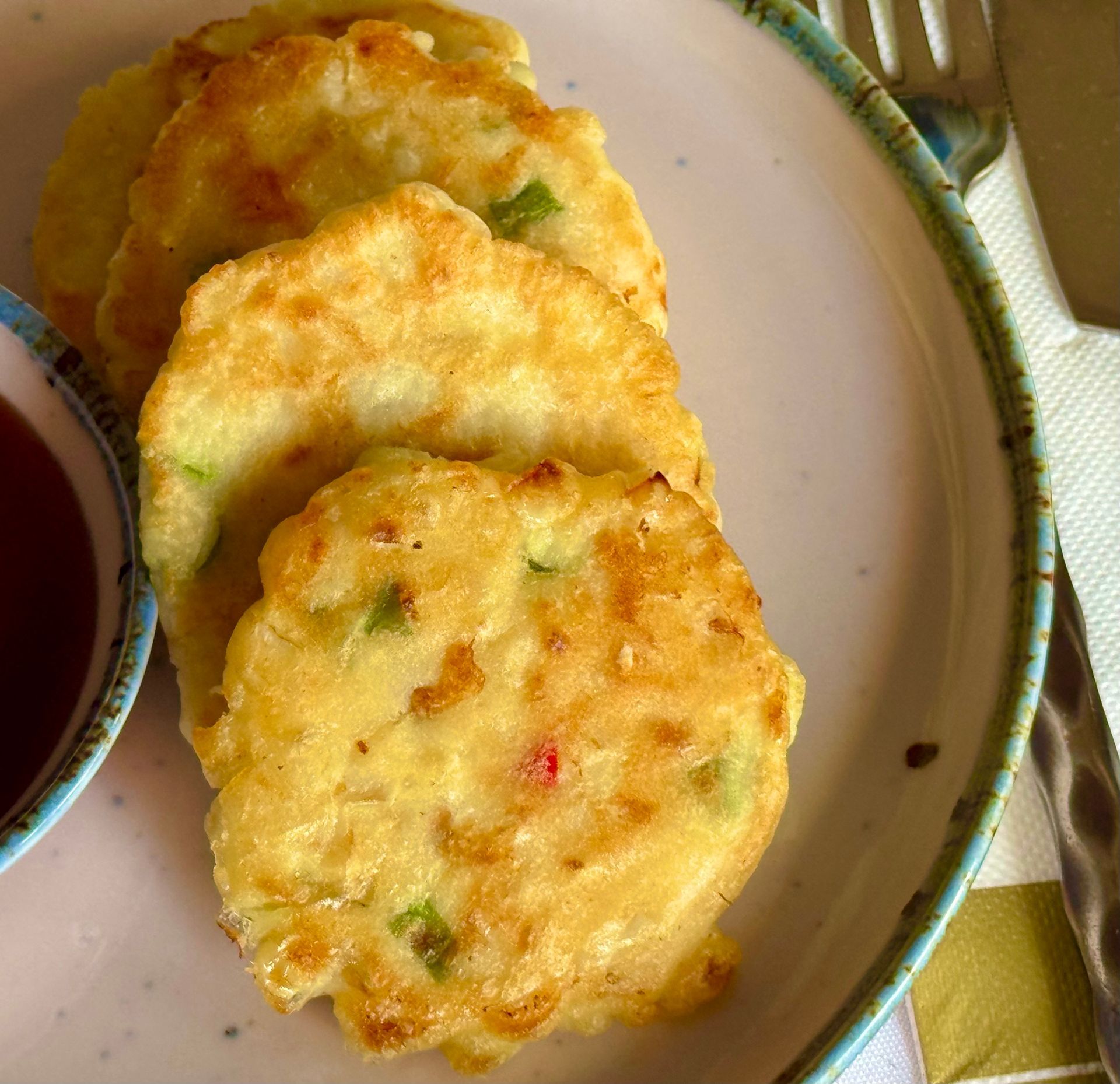
Lobster macaroni and cheese is my all time favorite version of Mac and Cheese... I make it by preparing a classic lobster sauce, (flambé and all) and blending it with Béchamel sauce, macaroni and sweet, tender chunks of freshly poached lobster. 

Macaroni and cheese with pancetta
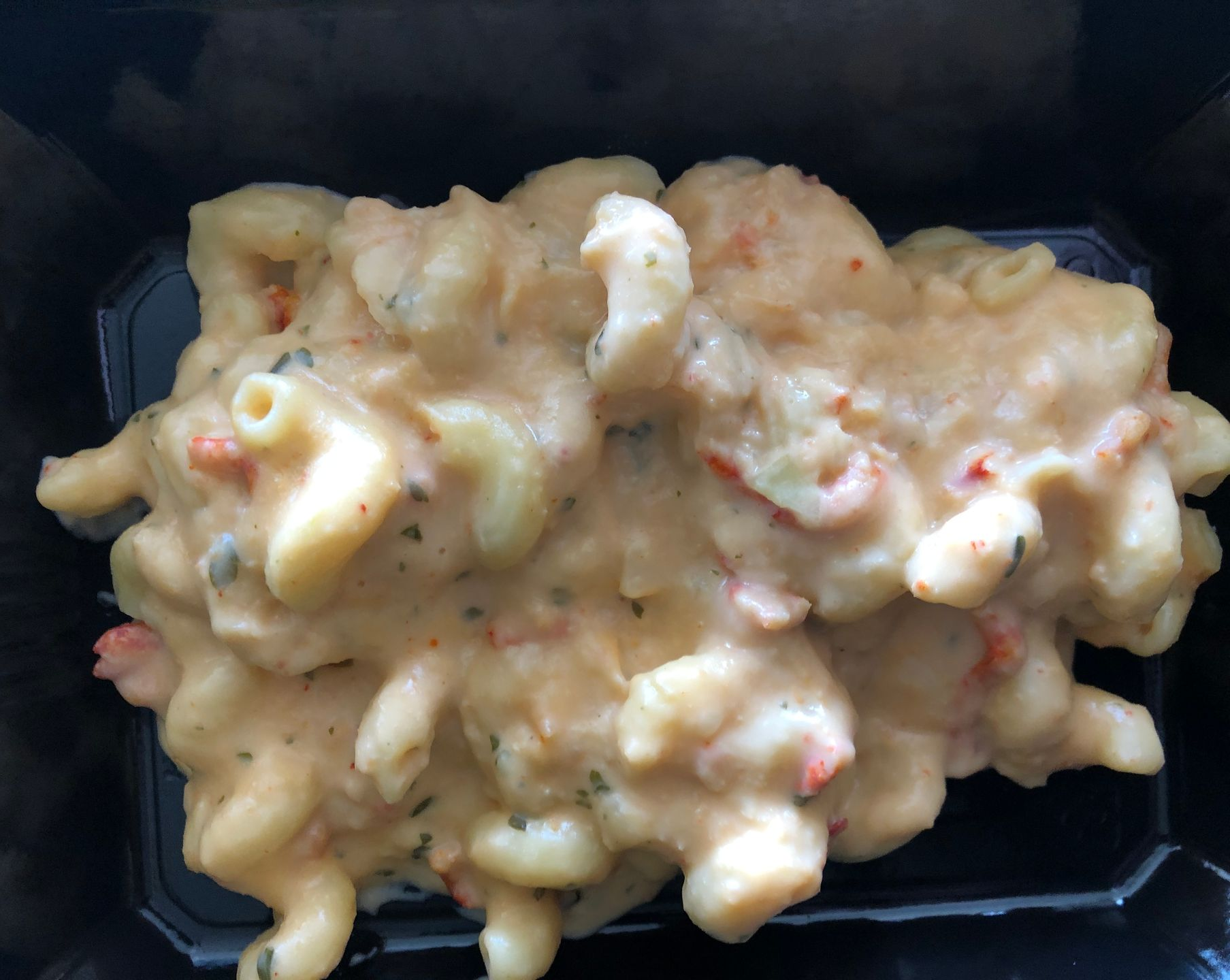
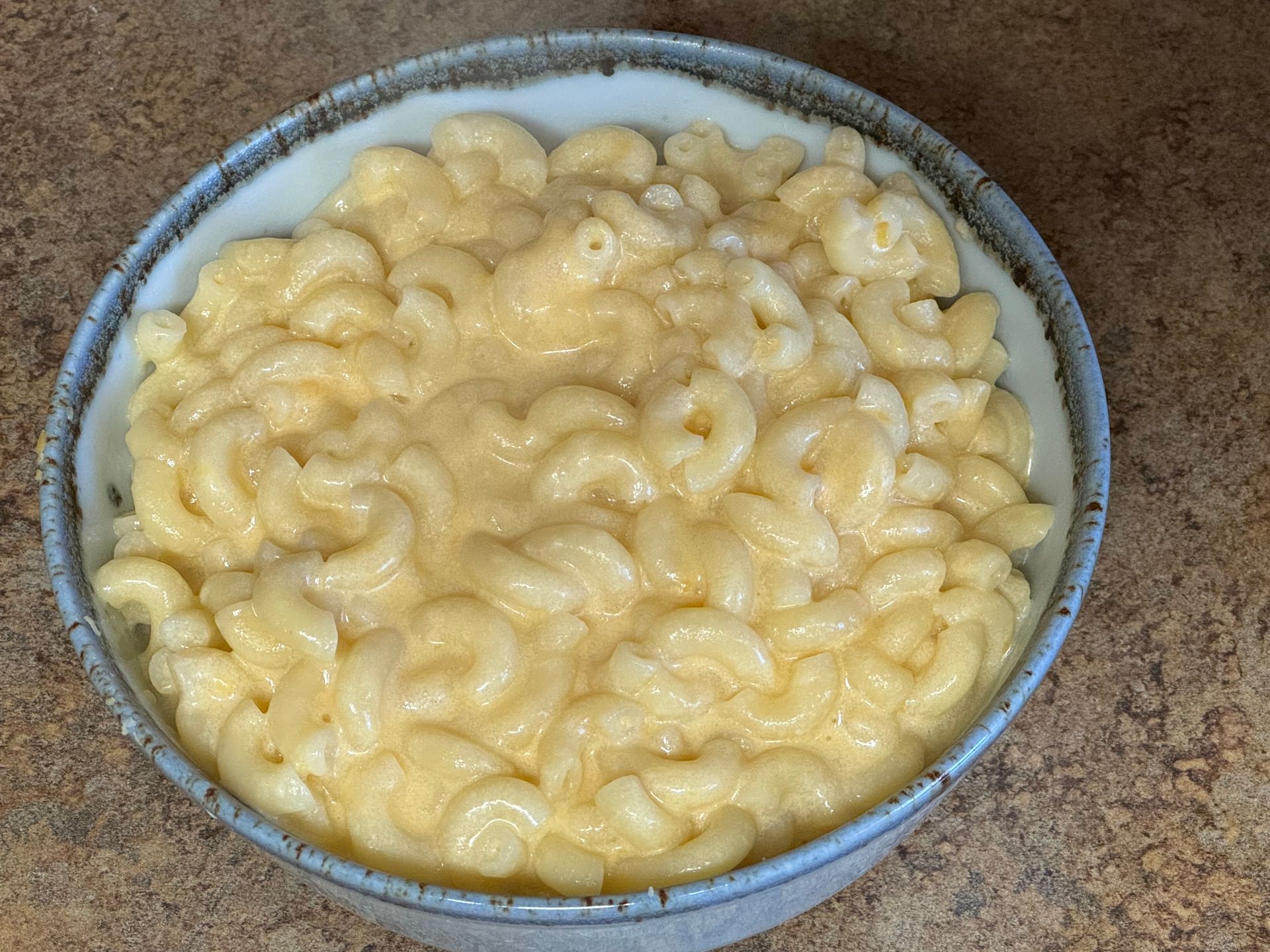
Macaroni and Cheese

Macaroni and cheese may be the most popular children's dish of all!

It has long been woven into the fabric of American food history, with its earliest high-profile appearance often credited to Thomas Jefferson. After encountering pasta dishes while traveling in Europe, Jefferson became an enthusiastic proponent, even importing a pasta machine and serving a delicious, baked macaroni-and-cheese-style dish at a state dinner in the early 19th century. I've prepared this dish several times... amazing.

Though versions of baked pasta with cheese already existed in Europe, Jefferson’s influence helped introduce and popularize the dish in the United States, where it gradually evolved into an American comfort food.

Today, mac and cheese is one of the most enduring and adaptable dishes in American cuisine. From boxed pantry staples to chef-driven interpretations featuring aged cheddars, Gruyère, or regional cheeses, the appeal lies in its simplicity and nostalgia, balanced by endless opportunities for variation—add-ins, toppings, and global flavor influences continue to keep it relevant.

Macaroni and Cheese

Prep Time: 20 min

Cooking Time: 30 min

Yield: 2 portions


Ingredients                                          

1 Cup           Macaroni, elbow

1 Tbsp        Kosher salt (for the water to cook the pasta)

1/2 Cup      Cheddar cheese, shredded (I like a sharp, yellow cheddar)                                    

1/4 tsp        Cayenne pepper     

1/4 tsp.       Nutmeg, grated

1/2 C.          Parmesan cheese, grated   (optional)                                    

3 Tbsp       Cream cheese


How to Prepare Macaroni and Cheese
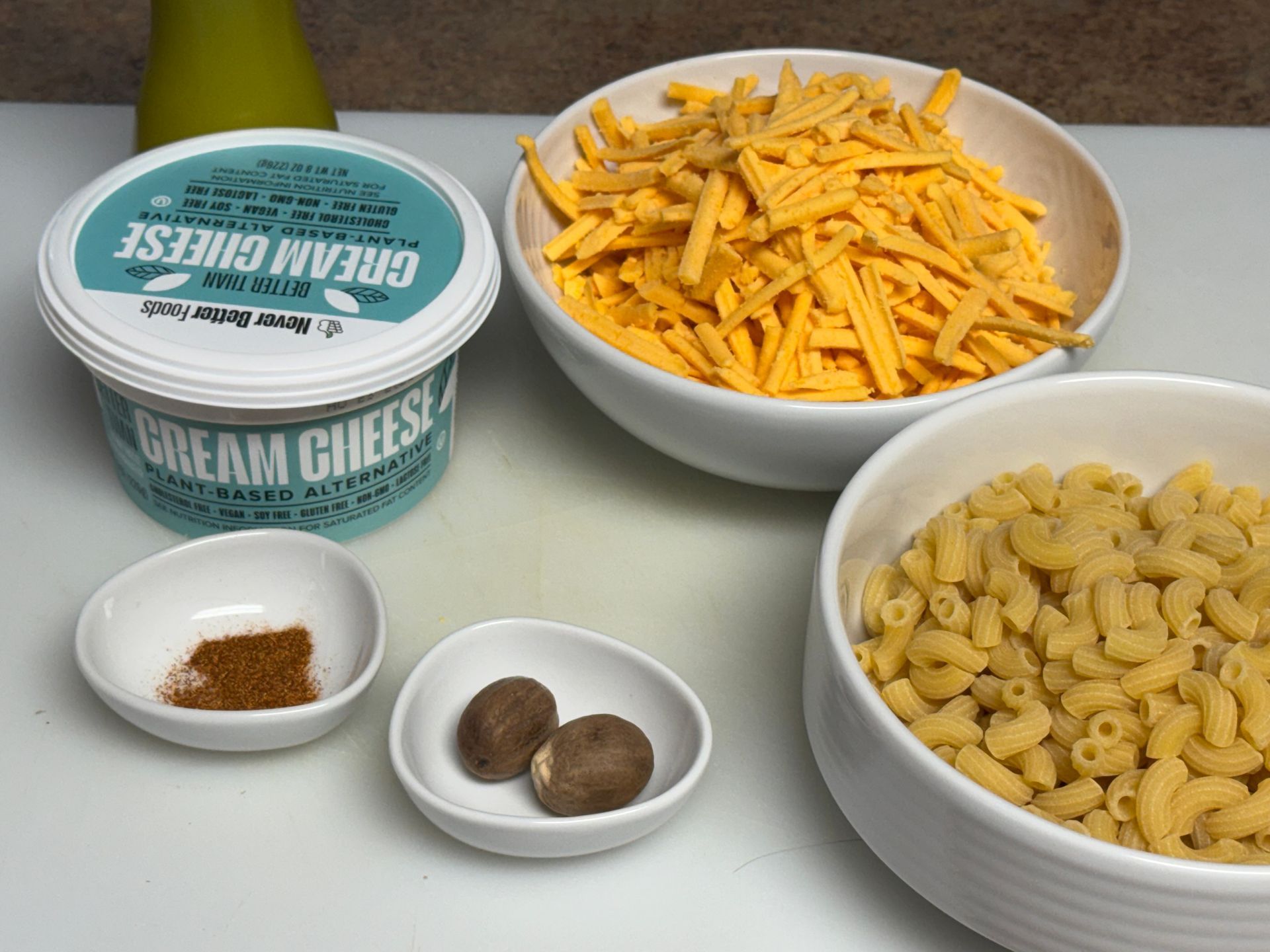


Step 1

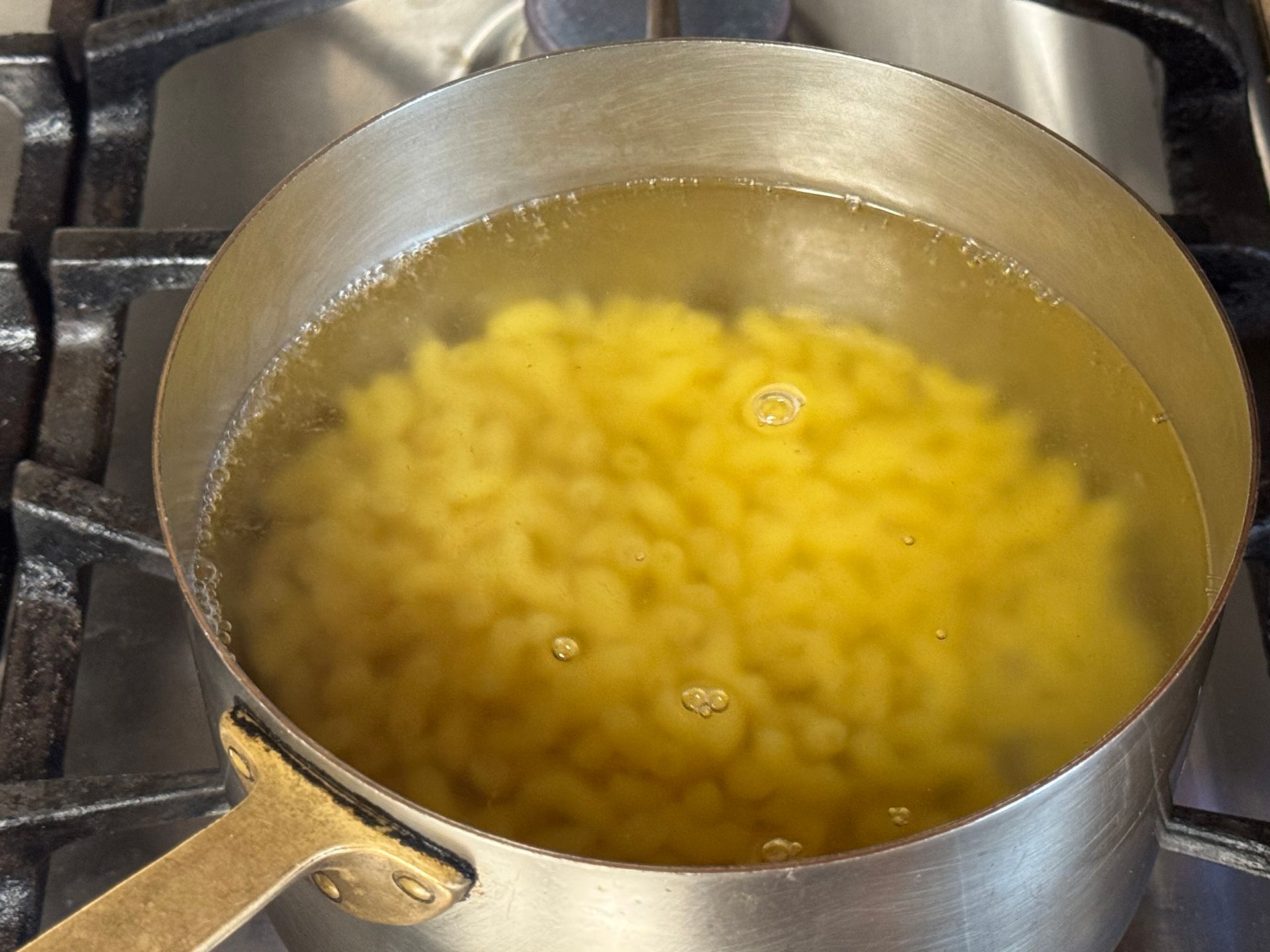
Bring a pot of salted water to the boil, place the macaroni into the salted water.

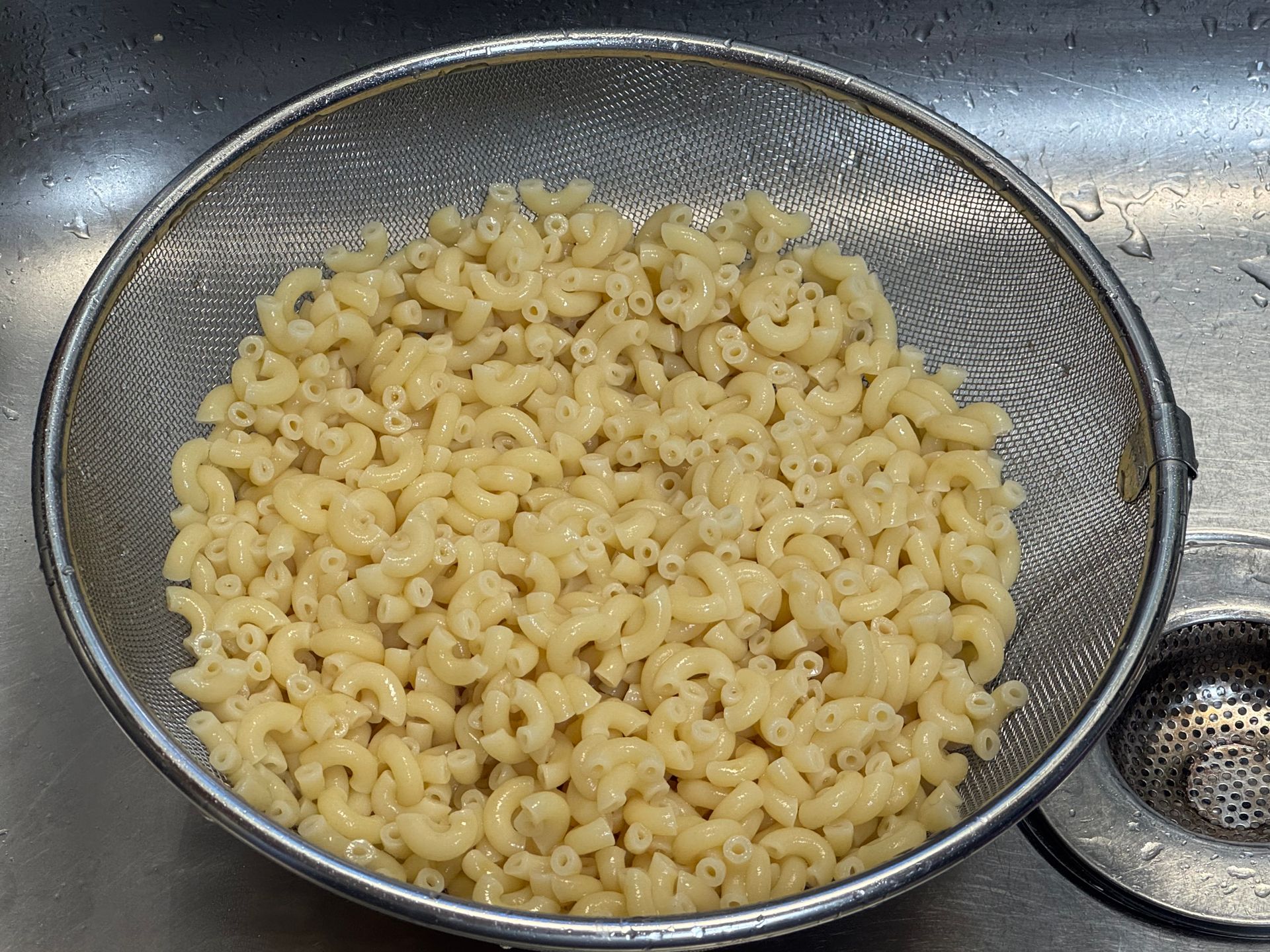
Simmer the macaroni until tender (about 8 minutes) and strain,  reserving about 1 cup of the cooking water.

Reserve the macaroni in a bowl (not rinsing with water or cooling).


I use 1 Tbsp Kosher salt per gallon of water.


Step 2

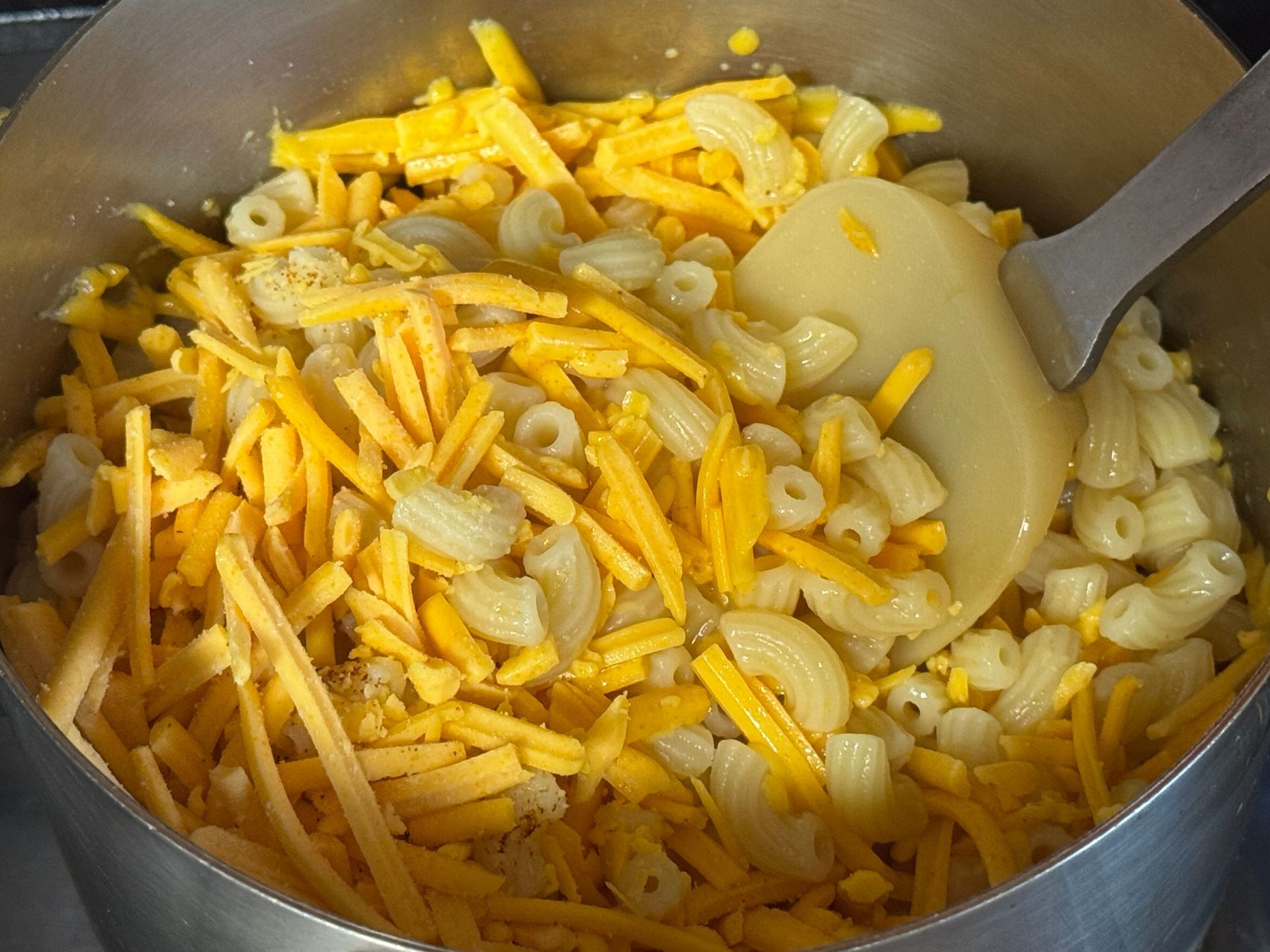
Add 1/2 cup of the starchy, water used to cook the macaroni, into the pot; add the cooked macaroni, cheddar cheese, spices and parmesan cheese into the hot water and stir to melt at low heat-about 3 minutes. The starch from the macaroni will help to thicken the sauce. Add a little more water if needed.


Step 3

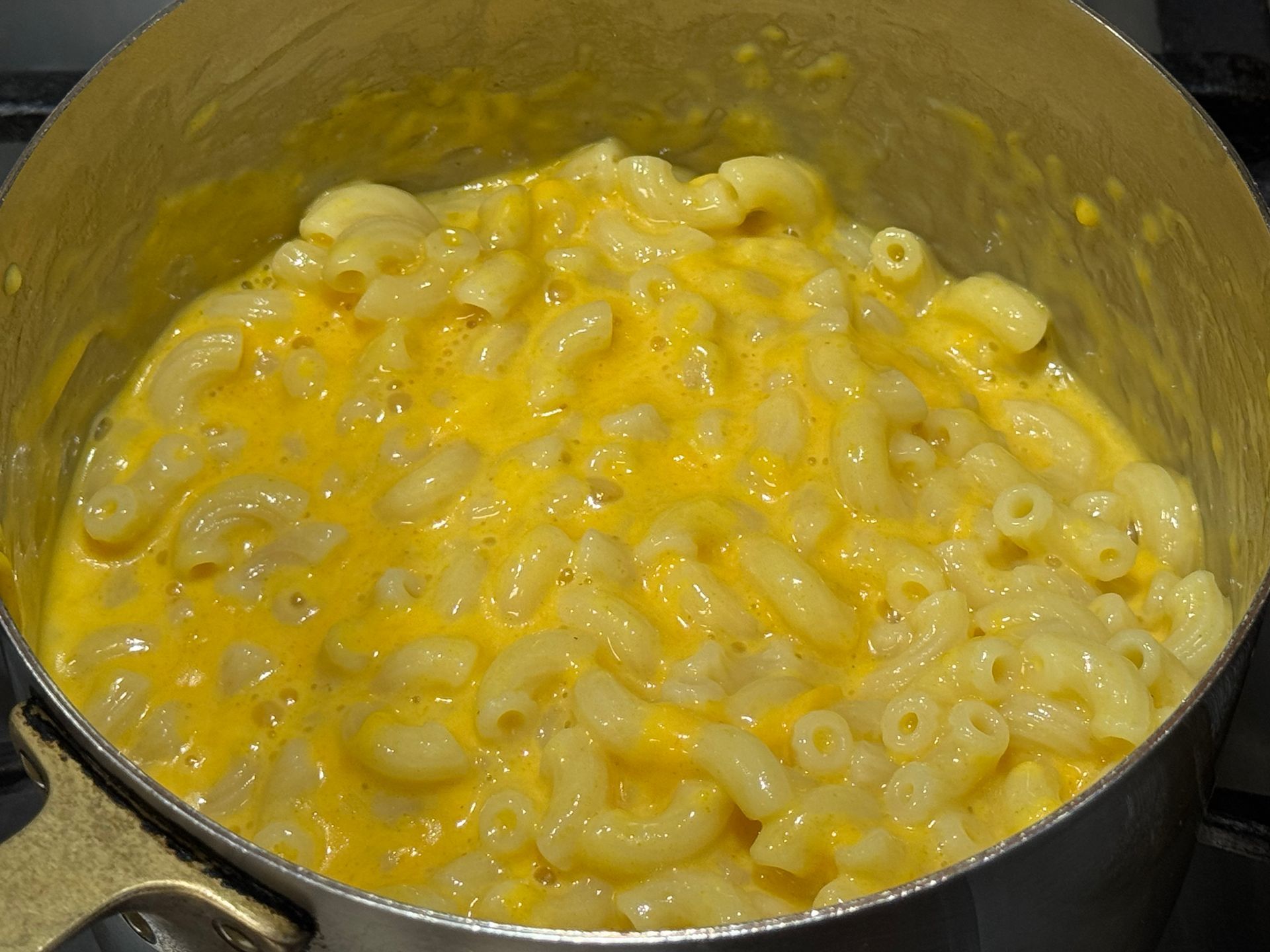
Add the cream cheese and fold into the macaroni and cheese.

Adjust seasoning.


Note: Enjoy or pour into a casserole dish and top with breadcrumbs, croutons, potato chips... and bake until toasted.
By Tom Griffiths January 15, 2026
Chefs often share a bond that transcends politics, religion, and borders. While working in Saudi Arabia with a diverse group of chefs, I experienced this firsthand on my final day. To mark the occasion, they prepared special dishes representing their home countries—a generous feast rooted in tradition and pride. At the center of the table was a beautiful tray of stuffed peppers, zucchini, cabbages, squash, and other vegetables, each prepared with care and respect. As we shared the meal, the chefs beamed with pride, and the room filled with a sense of genuine camaraderie. It was a powerful reminder that food remains one of the most universal languages we have.
By Tom Griffiths January 15, 2026
I remember a chef teaching me to carefully slice the center seeds from a zucchini and then prepare beautiful dices for a ratatouilli. The seeds and center area get soft and mushy before the outer 'meaty' section of the squash cooks.
By Tom Griffiths January 13, 2026
Culinary Basics: The Art of preparing Stocks
By Tom Griffiths January 13, 2026
Paella is a Mediterranean dish originating in the Valencia region of Spain. It is a humble meal, originally cooked on an open fire. I’ve enjoyed many wonderful paella meals in Spain. In Valencia I had a local paella with rabbit, snails and local beans. Short-grained rice is always used to prepare Paella, there are several great Spanish varieties like Bomba and Calasparra , prized for absorbing the delicious, flavorful stock and flavors of the ingredients without getting mushy. This is important for creating the dish's signature, crusty bottom layer called the socarrat. Paella is all about the rice!
By Tom Griffiths January 7, 2026
I still remember cooking breakfast burritos with my son Daniel, for volunteer workers at church events—simple, hearty, and made to fuel a long day of service. The workers were always so appreciative. Years later, I served a crowd favorite, nicknamed “The Bacon-ator,” a breakfast superstar inspired by the over-the-top spirit of fast-food indulgence. We had a popular food booth at the local country fair, where we cooked hundreds of breakfast burritos each day-stuffed with Mexican cheeses, extra bacon, fluffy scrambled eggs, and fresh salsa—nothing pre-made, nothing rushed. Every burrito was warm, fresh, and full of flavor. When food is made with love, even the most straightforward breakfast is memorable. 
By Tom Griffiths January 6, 2026
Beef Wellington is a restaurant classic! Chefs prepare whole tenderloins, wrapped in pastry as well as individually portioned Wellingtons. Culinary historians widely agree that Beef Wellington evolved from French preparations such as filet de bœuf en croûte, which paired beef tenderloin with mushrooms and pastry—techniques well established in French haute cuisine.
By Tom Griffiths January 4, 2026
Oranges are fantastic in Baking & Pastry. I developed a delicious dessert for the CMC exam (Healthy Cooking) challenge featuring Orange Creamsicle Sorbet with Roasted, Candied Pineapple and Fruit Strudel... with plenty of guidance from the amazing CIA Pastry Instructors! Types of Oranges: There are several distinct varieties of oranges, each with unique characteristics and flavors. The most common type is the Navel orange , recognized for its seedless, sweet flesh and thick, easy-to-peel skin. Valencia oranges are another popular variety, primarily known for their juiciness and are often used for making orange juice. Other notable types include Blood oranges , which have a deep red interior and a distinct berry-like flavor, and Cara Cara oranges , characterized by their pinkish-red flesh and sweet taste. Additionally, Seville oranges , known for their bitterness, are mainly used in making marmalade and flavoring liqueurs. 
By Tom Griffiths January 3, 2026
Flambéed fruits are often used as an accompaniment or variation in desserts like Crêpe Suzette. Common choices for flambéing include bananas, apples, or berries, sautéed in butter and sugar before being doused in a spirit, such as rum or brandy, and set alight. The flambé technique adds excitement to the dining experience! Years ago I was dining at Paul Bocuse with some colleagues and one ordered a f lambé served over rum raisin ice cream. He let me taste and it was amazing.
By Tom Griffiths January 2, 2026
Bell peppers are the sweet, non-pungent members of the Capsicum annuum family, prized for their crisp texture, juiciness, and vibrant colors. Green, red, yellow, and orange peppers are the same fruit at different stages of ripeness, with sweetness increasing as they mature. In the kitchen, bell peppers are valued for their versatility—equally at home raw in salads, roasted for depth and sweetness, or sautéed as a foundational aromatic in countless cuisines.
By Tom Griffiths January 2, 2026
Years ago I was competing in Erfuft, Germany with a CIA Culinary Olympic team. When the competition was over, we had time to walk around Erfurt (home of the famous poet Goethe). There was a man grilling German sausages on a small grill in the center of the town square. I joined the long line of locals purchasing delicious, grilled German sausage with onions-amazing!