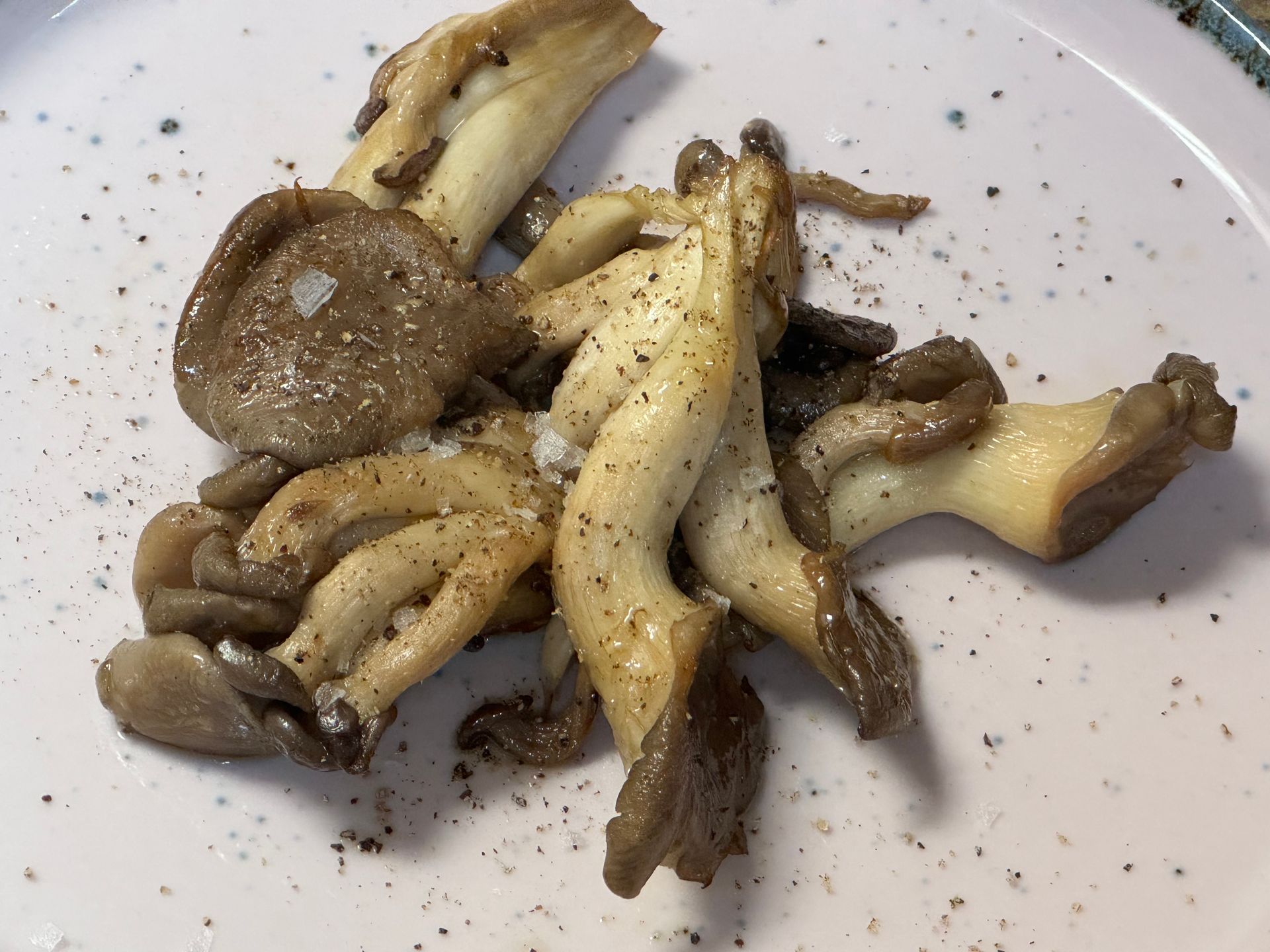
Sautéed Mushrooms

Mushrooms have incredible flavor & are especially delicious grilled, roasted or sautéed. I like adding shallots, garlic and fresh herbs such as tarragon, sage or Italian parsley. This mushroom recipe is perfect for omelettes, pasta, risotto or with seafood, chicken, steak... 

There are many different types of mushrooms available, each has a unique flavor and shape. I'm a fan of white or black oyster mushrooms & beech mushrooms, these get nicely browned and have a delicious aroma & flavor.

Prep Time: 2o min

Cooking Time: 10 min

Yield: 4 portions


Ingredients      

2  lbs.       Mushrooms, wiped of soil & stem removed                                      

4  oz.        Olive oil                                     

1/2 tsp     Kosher Salt                                       

t.t.             Black pepper                                   

1 Tbsp     Garlic, minced                         

3 Tbsp     Shallots, minced   

6  oz.        Fresh herbs (Italian parsley, tarragon, sage, etc)                             


How to Sauté Mushrooms
Step 1

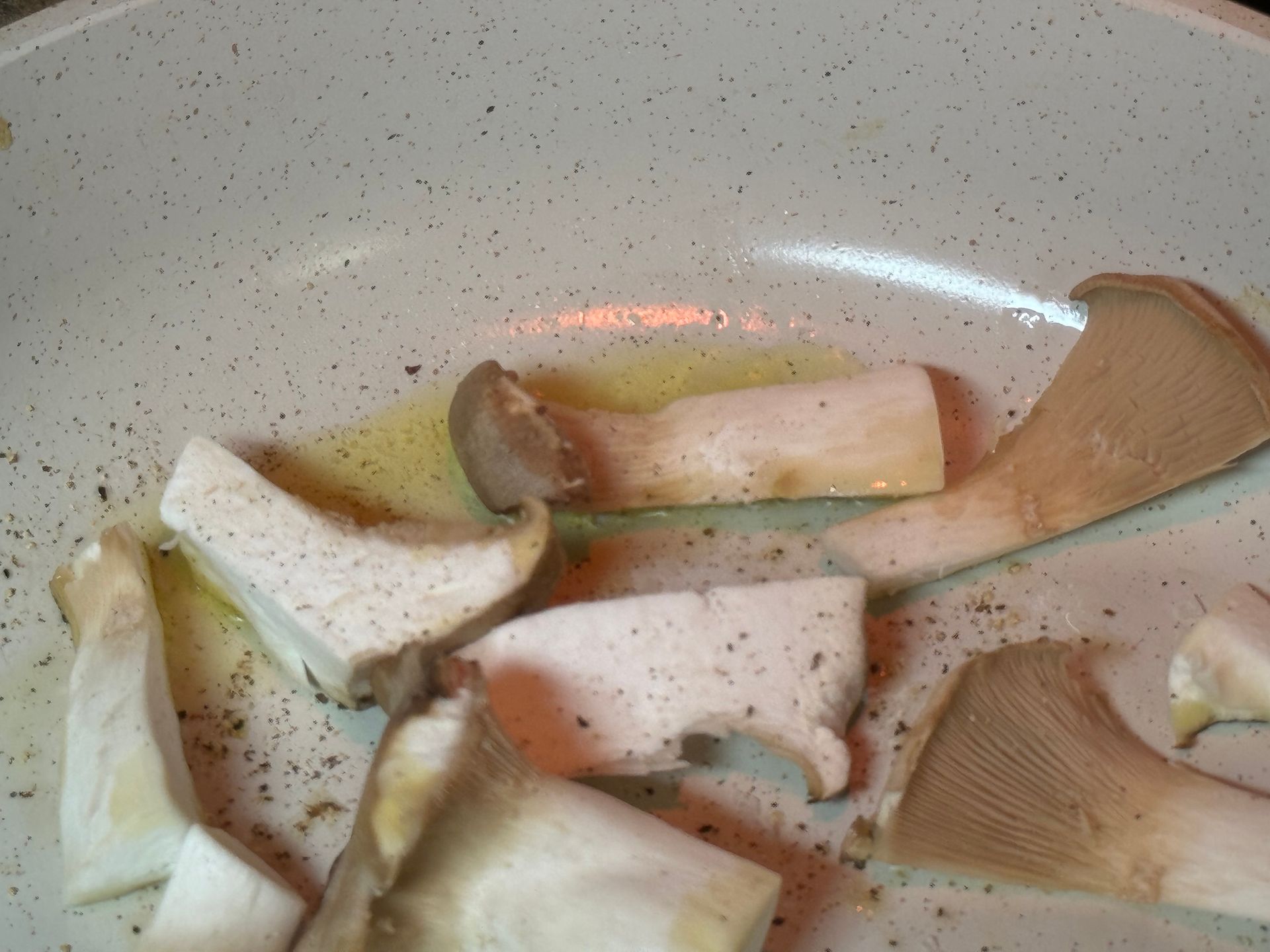
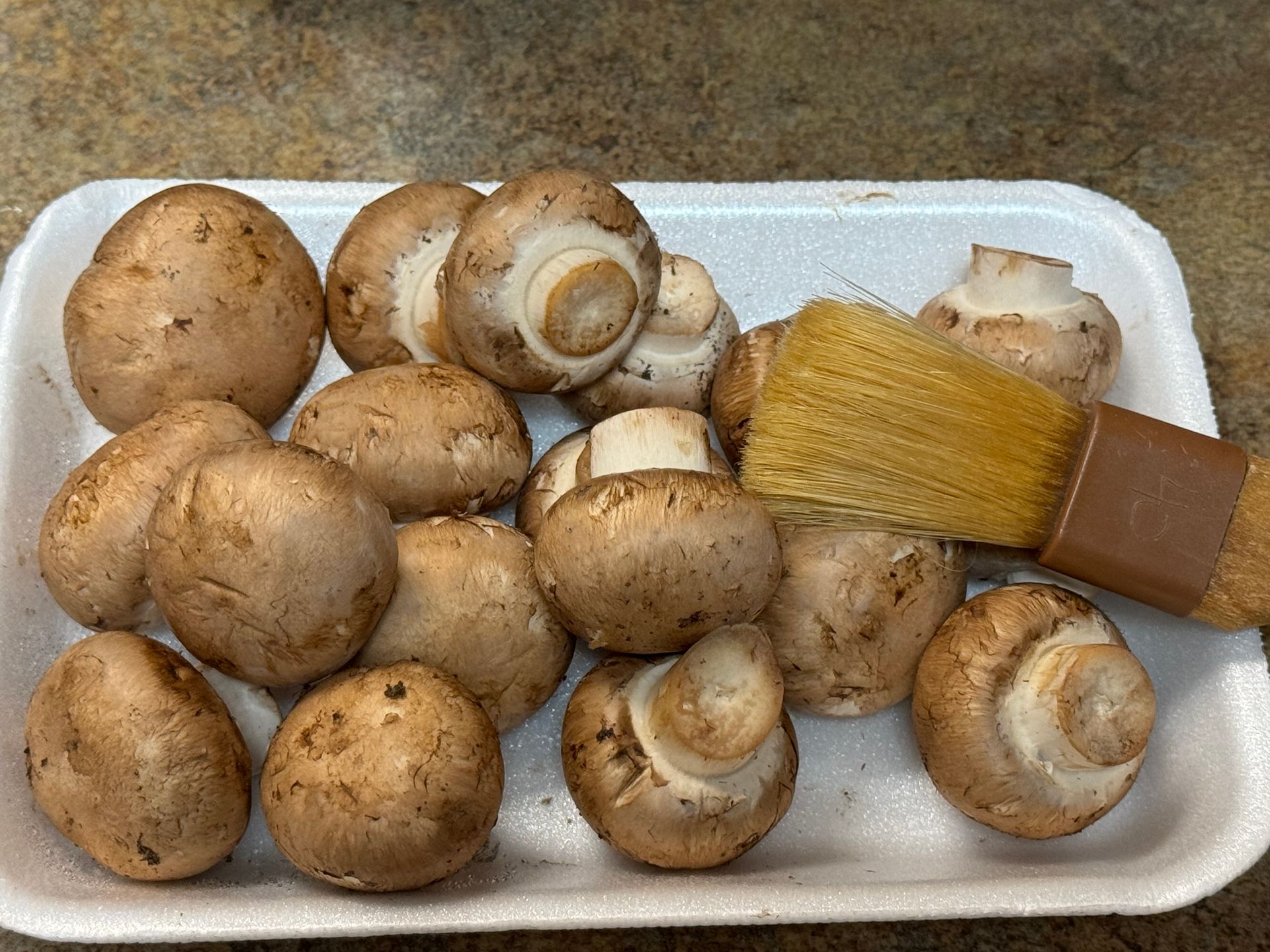
Carefully wipe the mushrooms of hay, soil etc...  do not rinse in water as the mushrooms will absorb the water and be difficult to cook. Using a paring knife, slice the woody stem from the mushroom. You may choose to dry mushroom stems and grind for stuffings or simply make a mushroom stock with the stems. Cut the mushroom into quarters or slices, depending what application you are preparing.
Step 2

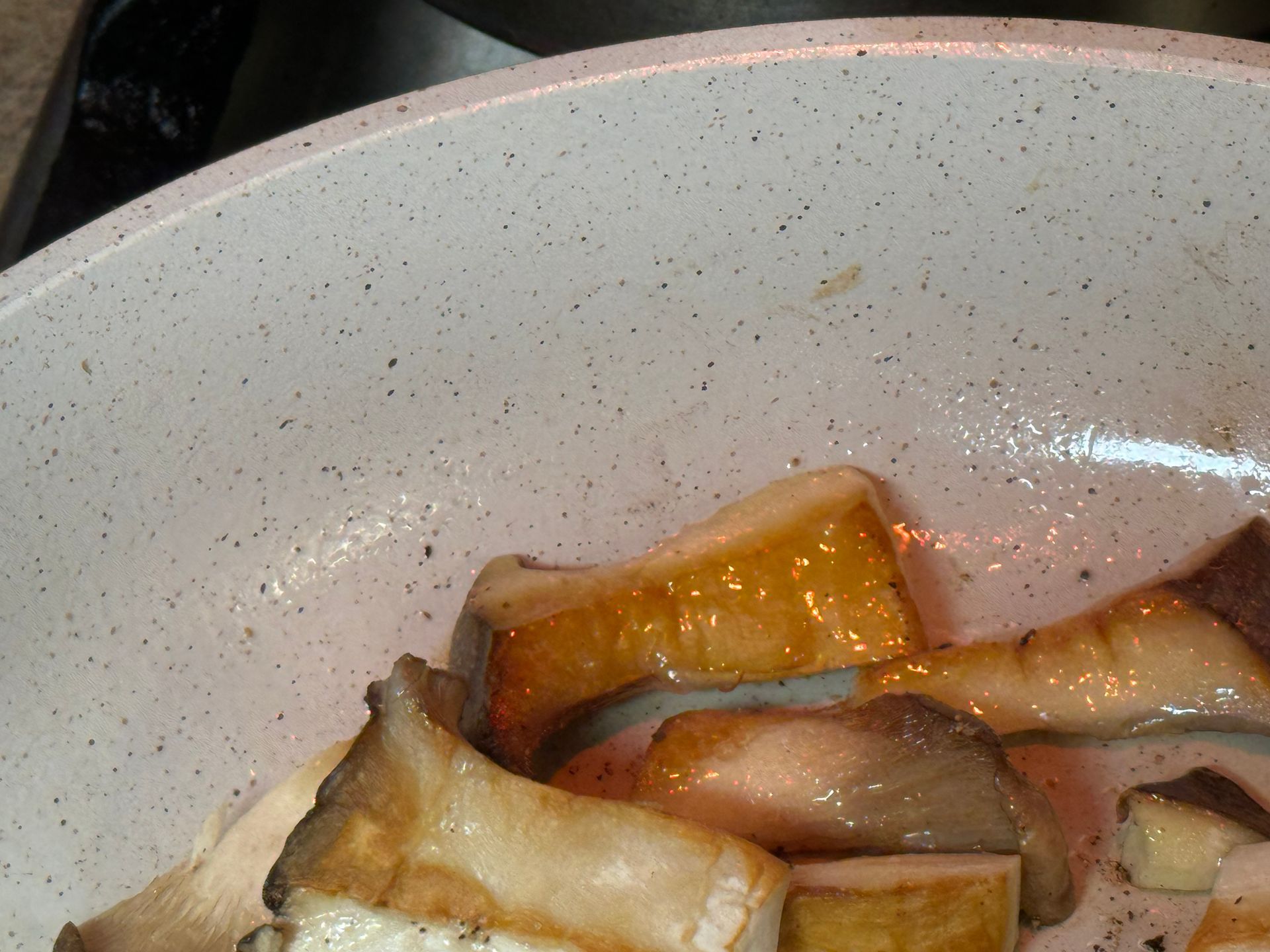
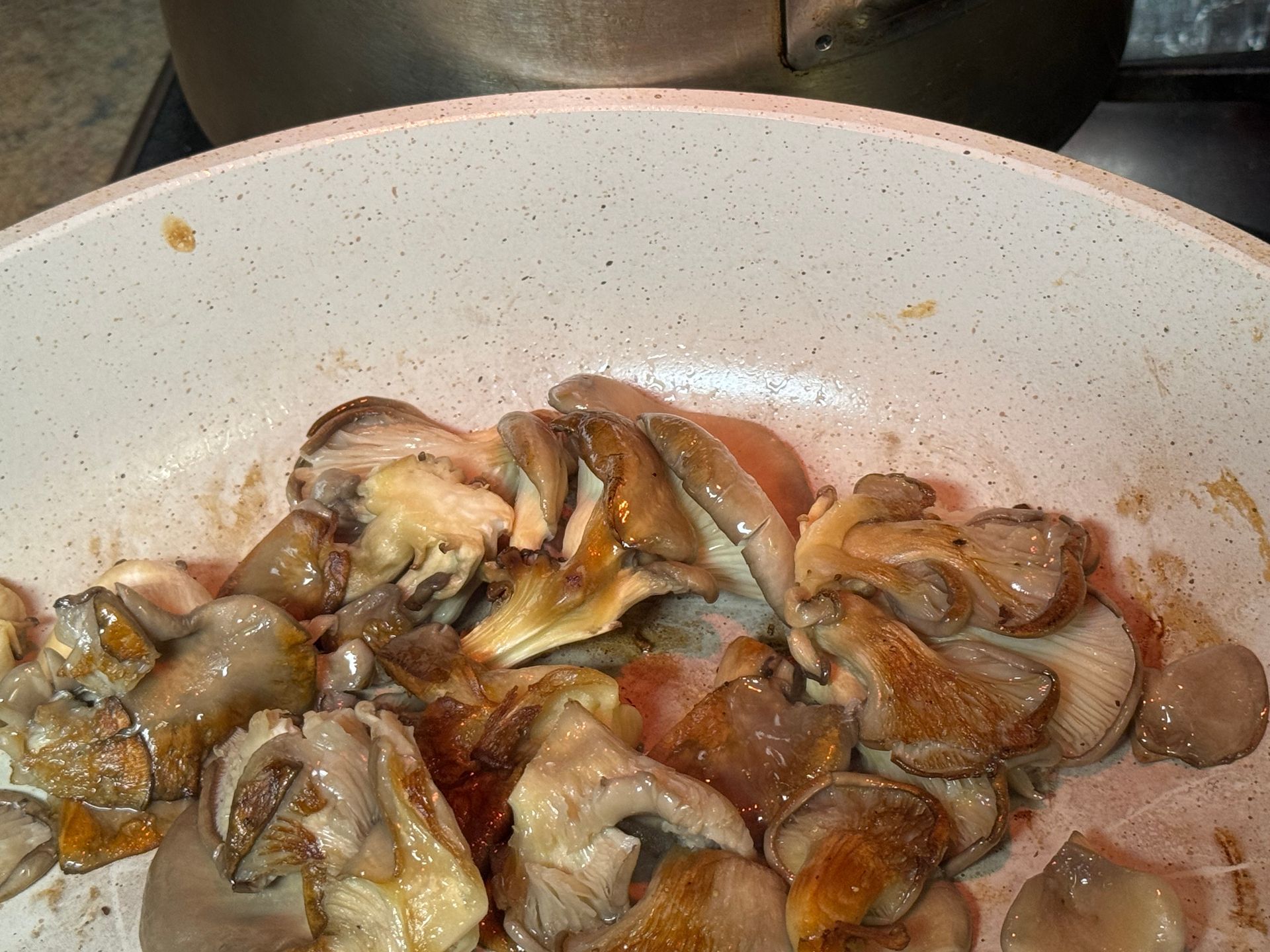
Heat olive oil in a sautée pan, when hot add the mushrooms. Do not move the mushrooms or water will come out-let the mushrooms get a nice, golden brown sear and then invert the mushrooms. This will take about 4 minutes, season with salt and pepper.

Step 3

Add the shallots, garlic and heat for another minute or so, add the herbs and taste-adjust seasoning.


Note: if you are using a variety of mushrooms, each has a different cooking time so it may make sense to cook each type of mushroom separately or cut the denser mushrooms (like shittaki) thinner so it cooks in the same time as a more delicate mushroom (like oyster or beech).
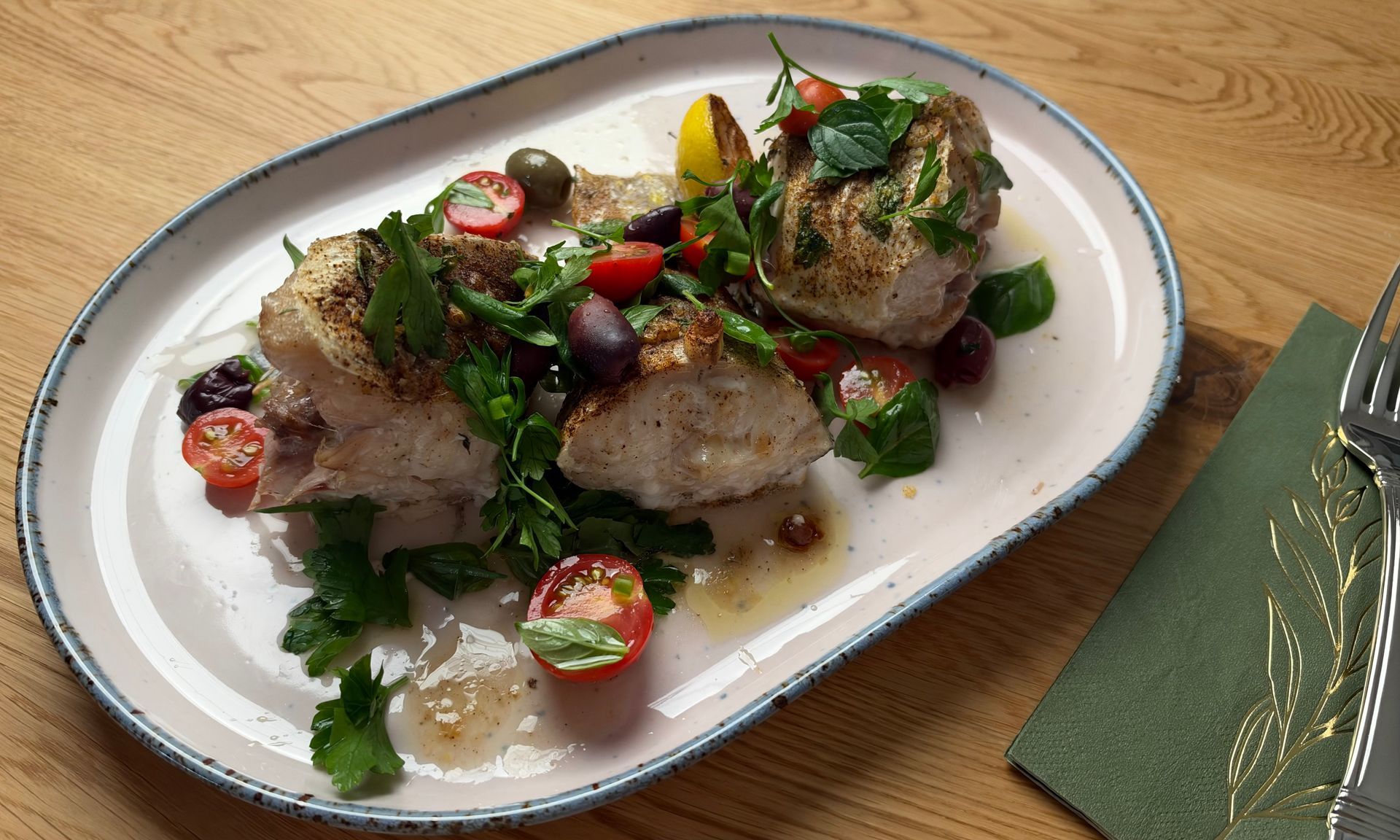
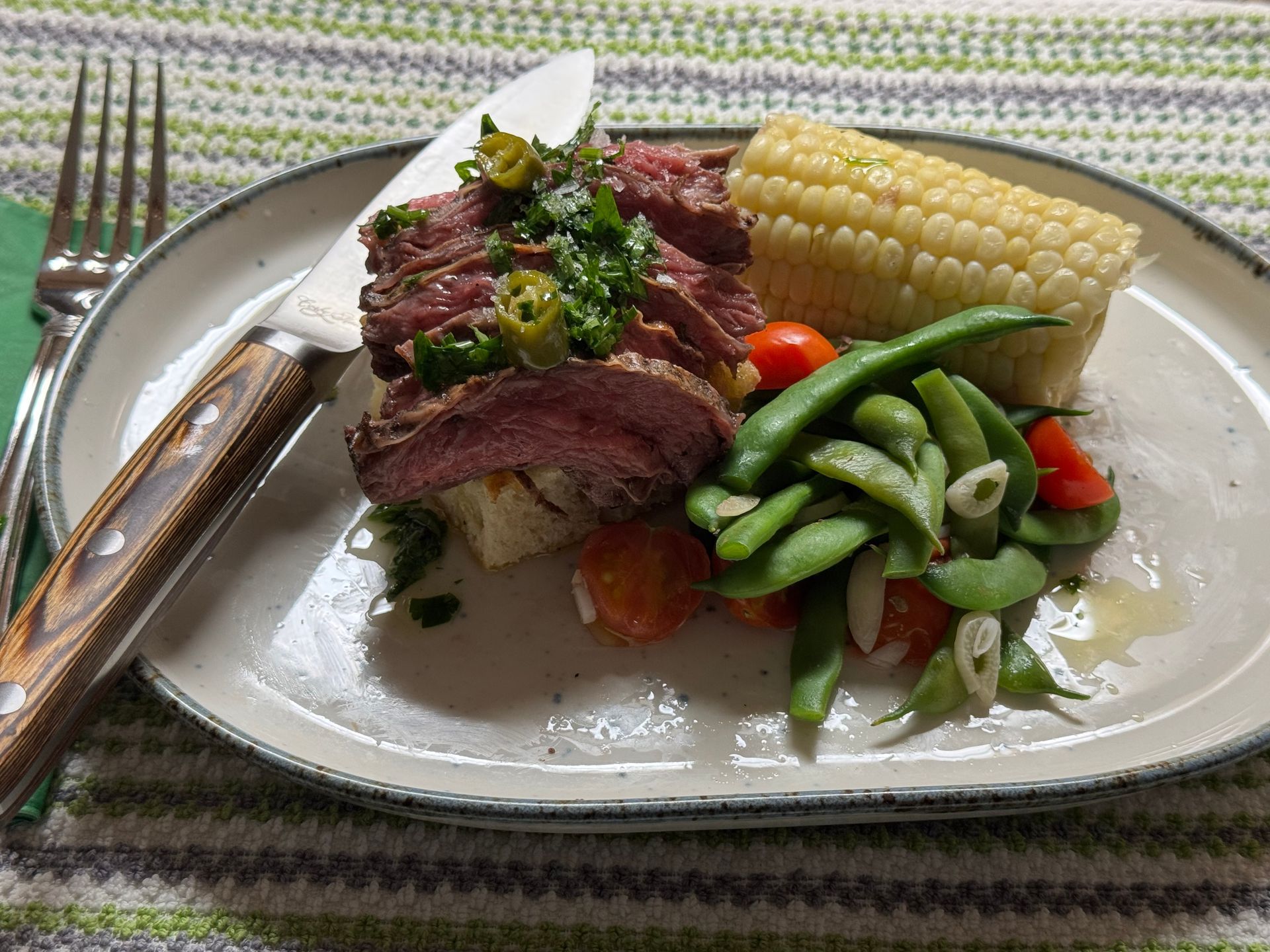
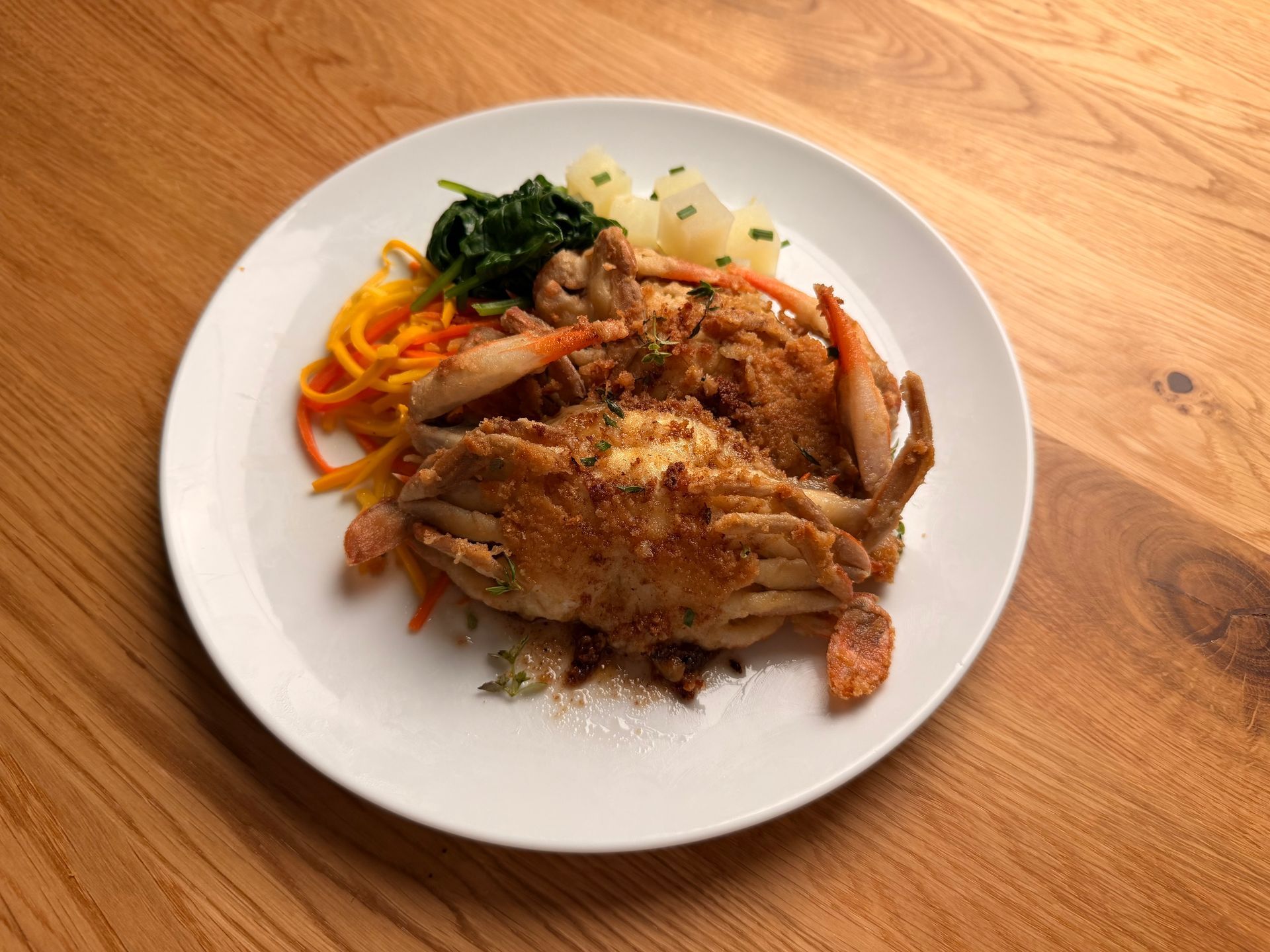
By Tom Griffiths • October 1, 2026
Chef Tom’s Cooking Class Minute — Week 10 Roasting Fish Let the Fish Taste Like Fish
By Tom Griffiths • October 1, 2026
Chef Tom's Cooking Class Minute: Week 9 Late Summer Grilling: Great Steak Doesn’t Have to be a Ribeye
By Tom Griffiths • October 1, 2026
Chef Tom's Cooking Class Minute: Week 8 Soft Shell Crabs-What’s Your Favorite Way to Eat Them?
By Tom Griffiths • October 1, 2026
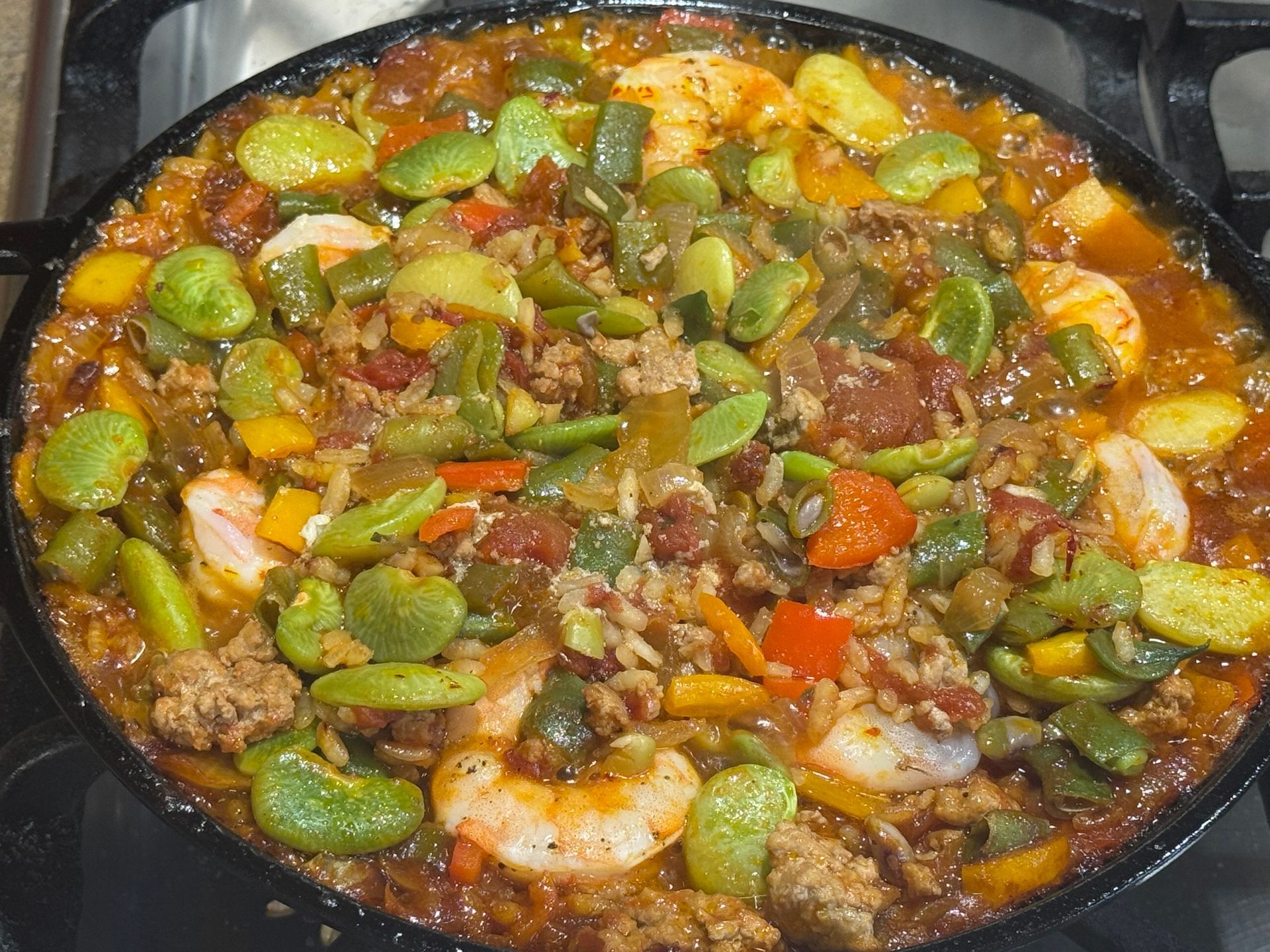
Chef Tom's Cooking Class Minute: Week 7 Fava Beans
By Tom Griffiths • September 4, 2026
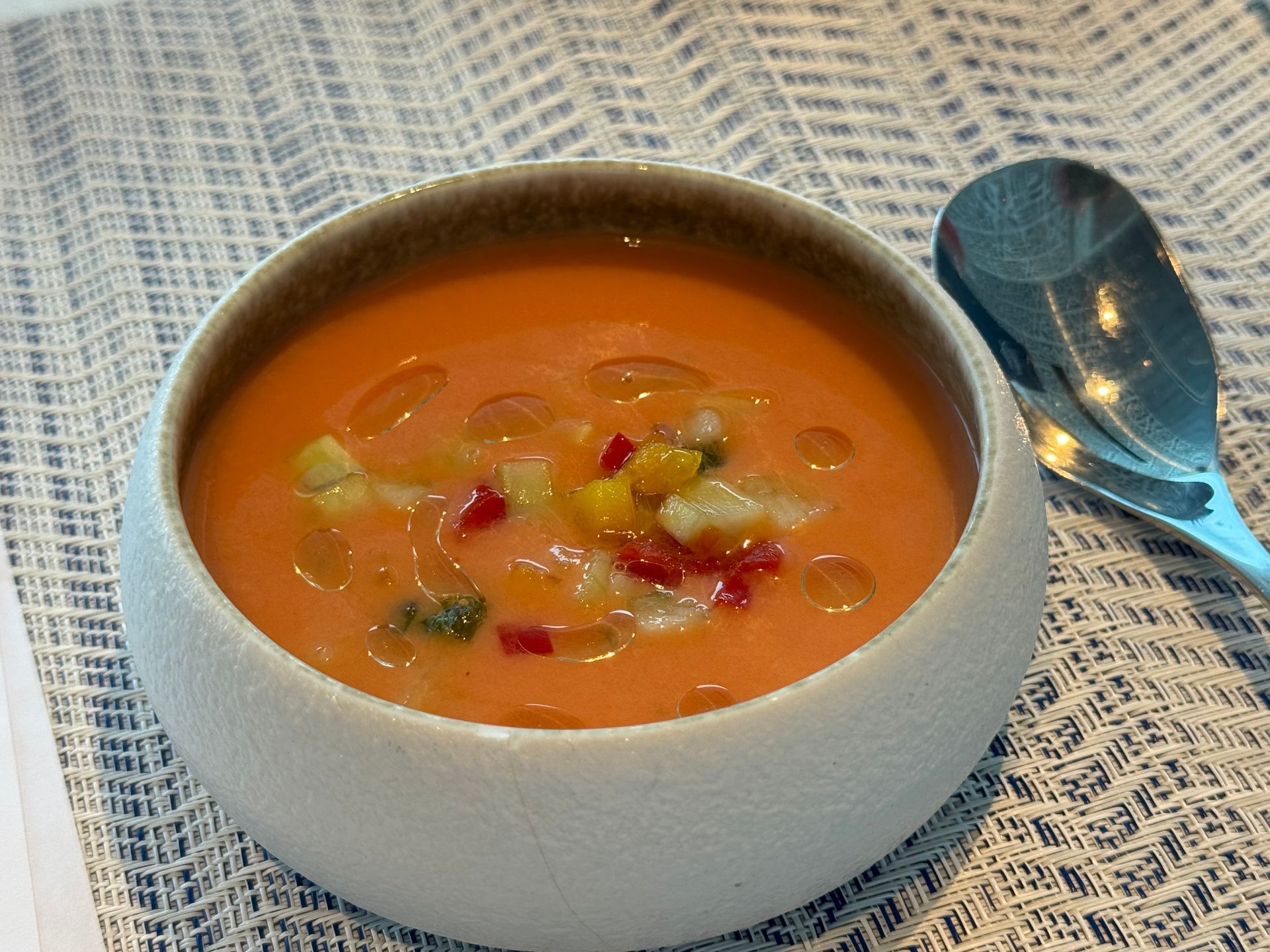
Chef Tom's Cooking Class Minute: Week 6 Gazpacho & Summer Tomatoes
By Tom Griffiths • September 4, 2026
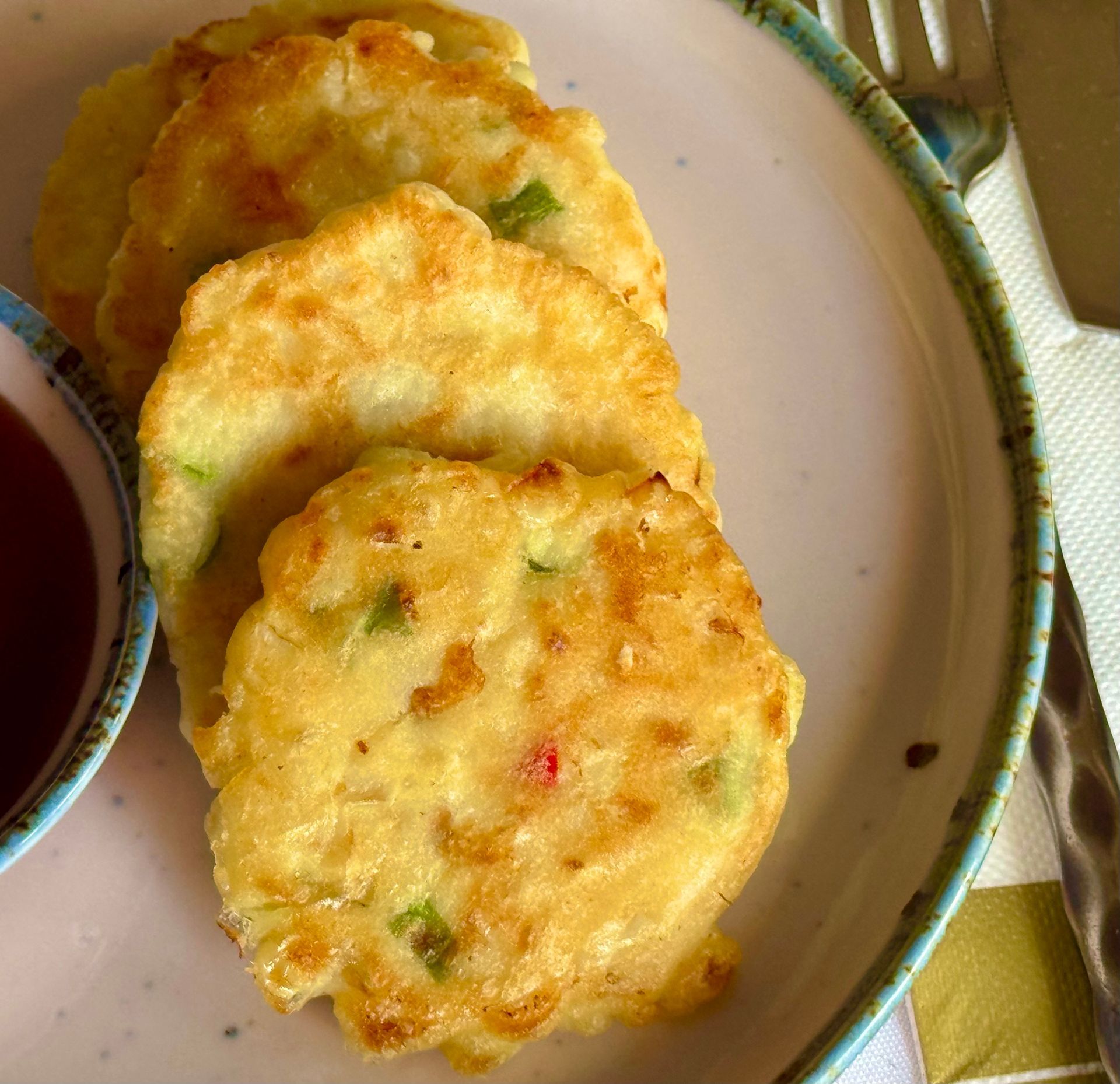
Chef Tom's Cooking Class Minute: Week 5 Summer Corn: Soup, Grill, Roast or Fritters? 
By Tom Griffiths • September 4, 2026
Chef Tom's Cooking Class Minute: Week 4 Cooking Summer Eggplant
By Tom Griffiths • August 11, 2026
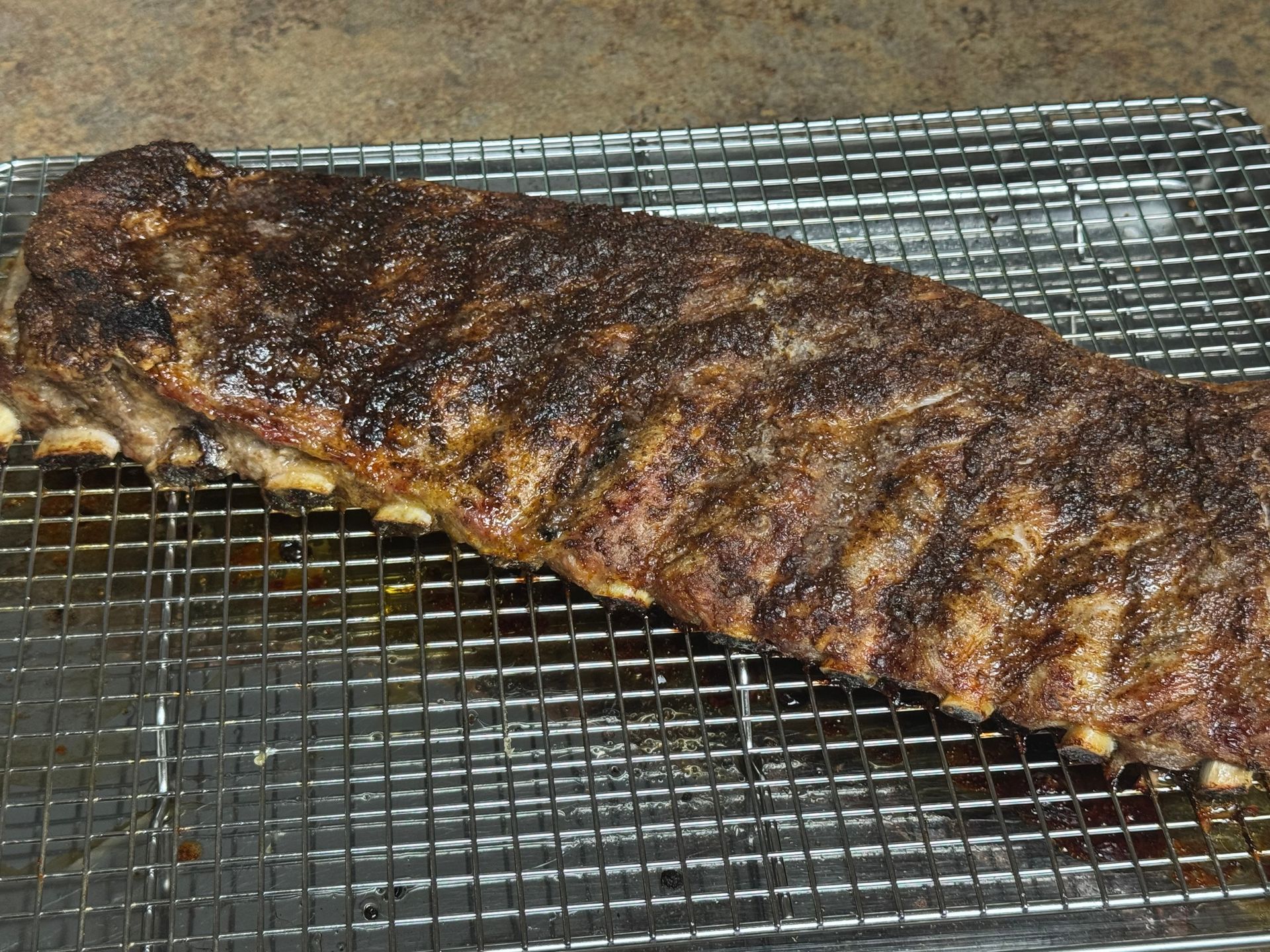
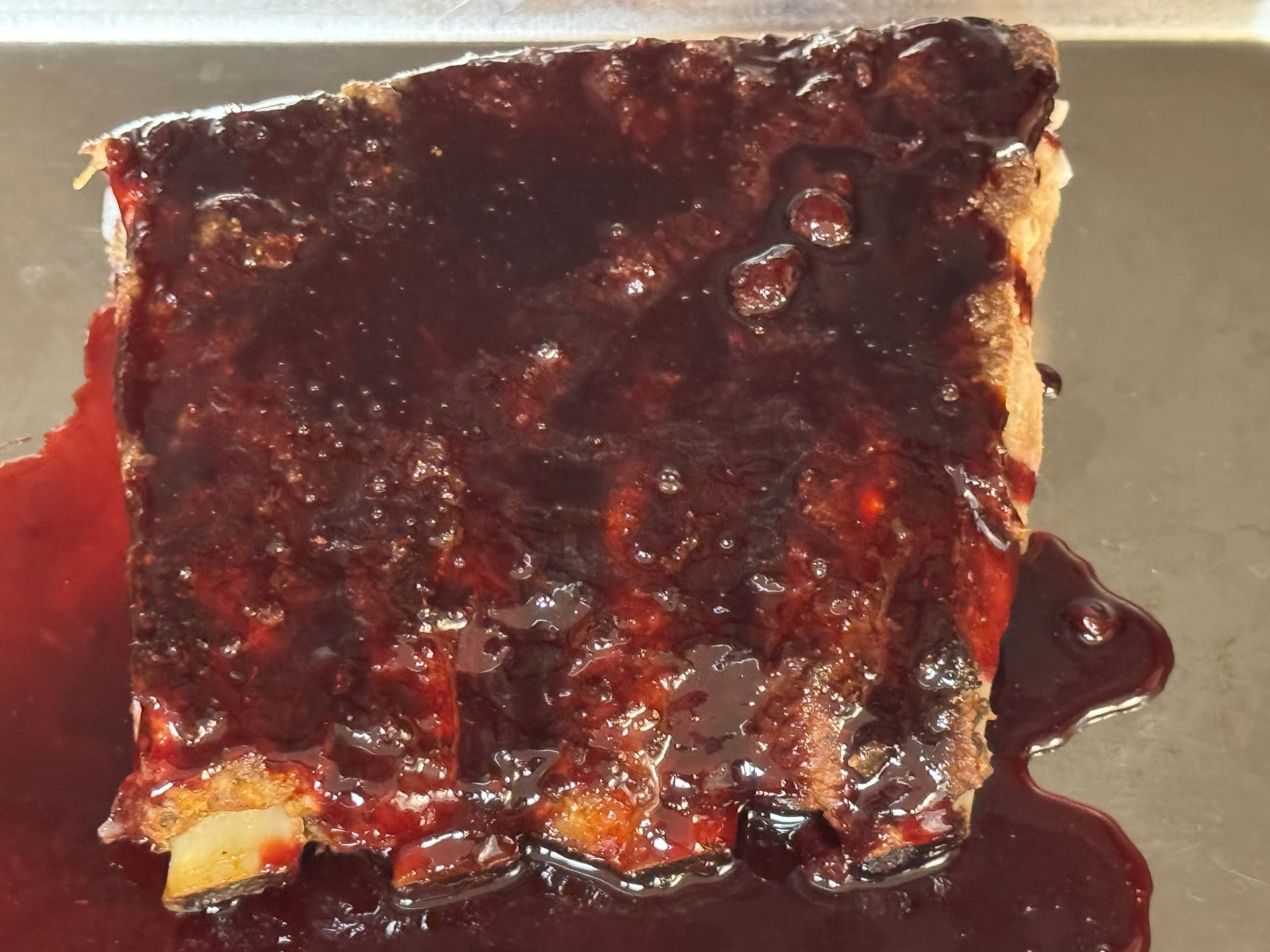
Chef Tom's Cooking Class Minute: Week 3 Cooking Pork Spare Ribs
By Tom Griffiths • August 8, 2026
Years ago I traveled around the south for a few weeks researching some of the amazing foods of each region. In Charleston, I was introduced to a local pig farmer, Tank Jackson who manages Holy City Hogs. Tank and his wife raise heritage breed pigs and distribute the pigs around the country. He offers on-site cooking whole pig roasts, primal cuts and sausages, and I believe he produces the best pork in the country.
By Tom Griffiths • August 8, 2026
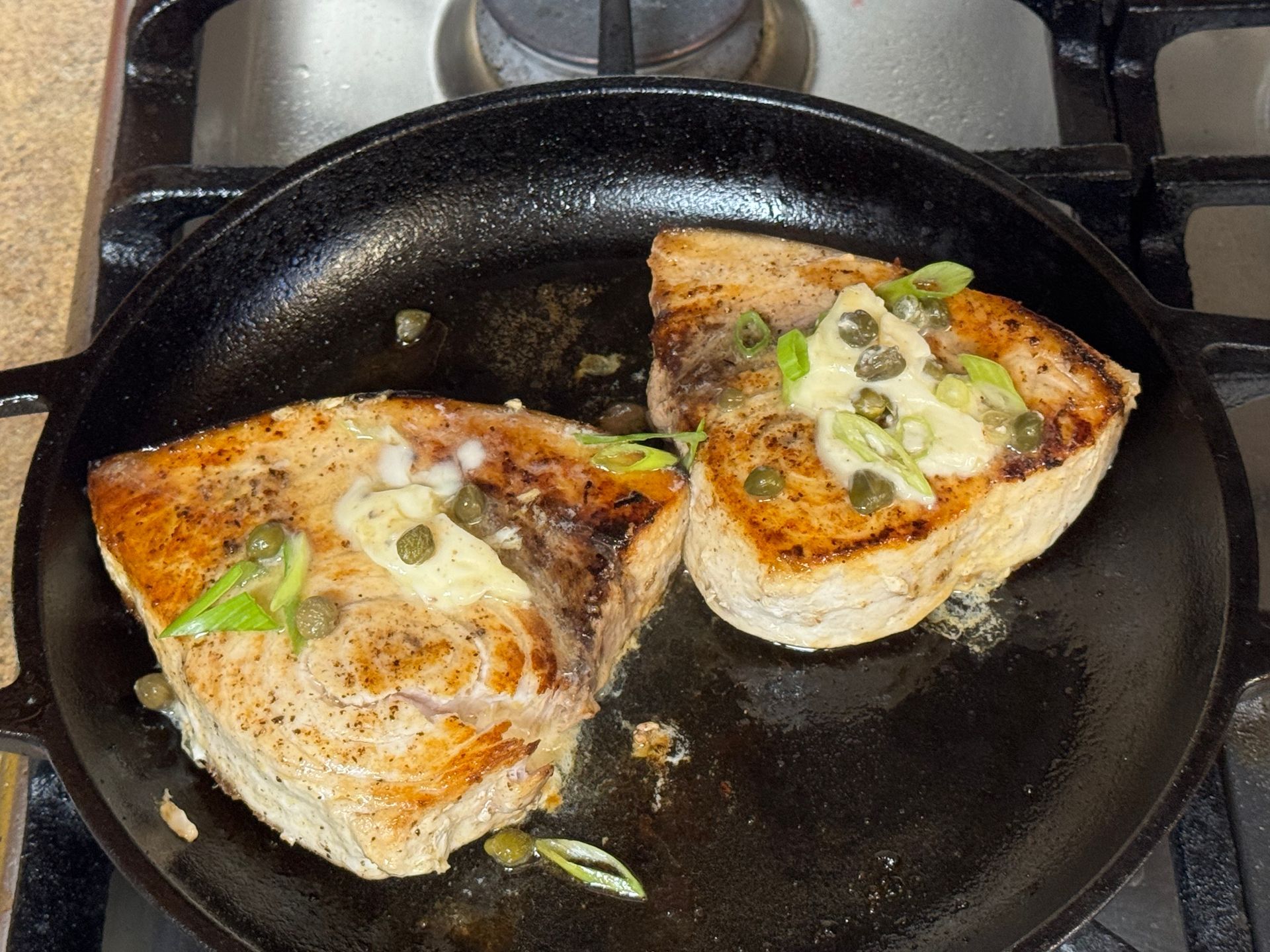
Years ago, while working as a chef in a busy continental restaurant, we featured grilled, fresh swordfish on the menu—finished with a generous spoonful of herbed compound butter and capers. It was popular and delicious. One afternoon, a seafood purveyor stopped by with a sample of frozen swordfish steaks, fully thawed and ready for evaluation. Curious, we grilled it side by side with the “fresh” swordfish we had been serving—fish we believed to be of high quality. The result was surprising. The frozen swordfish was superior—firmer, cleaner in flavor, and more consistent in texture. In contrast, our “fresh” fish, likely several days out of the water, lacked the same integrity. It was a defining moment and an important reminder: in many cases, properly handled and quickly frozen seafood can offer better quality than fish labeled as fresh. For chefs, understanding sourcing and handling is just as critical as technique—especially with a product as prized as swordfish.