Culinary Basics: The Art of preparing Stocks
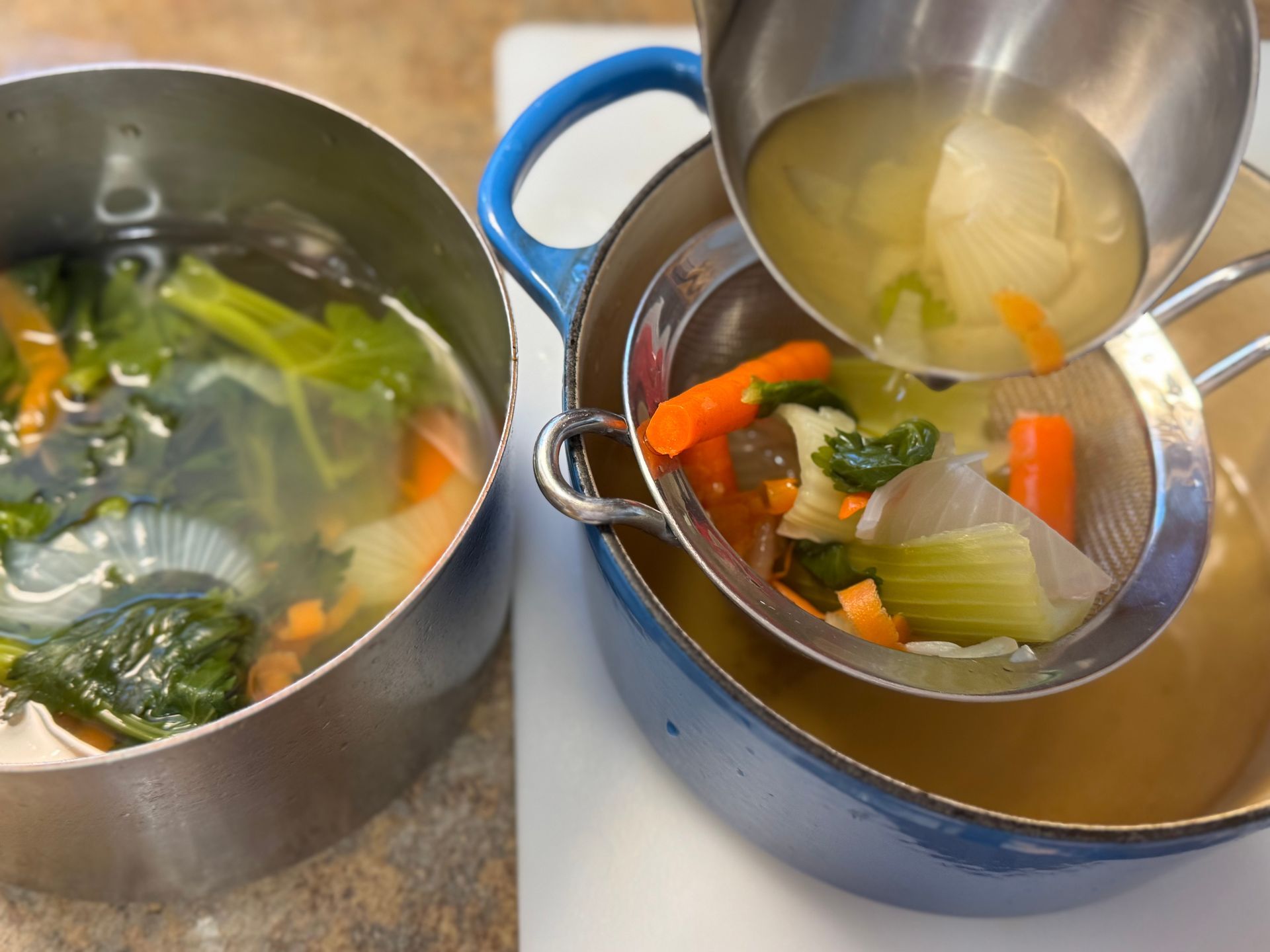
Vegetable Stock: The Backbone of my Vegetarian Paella
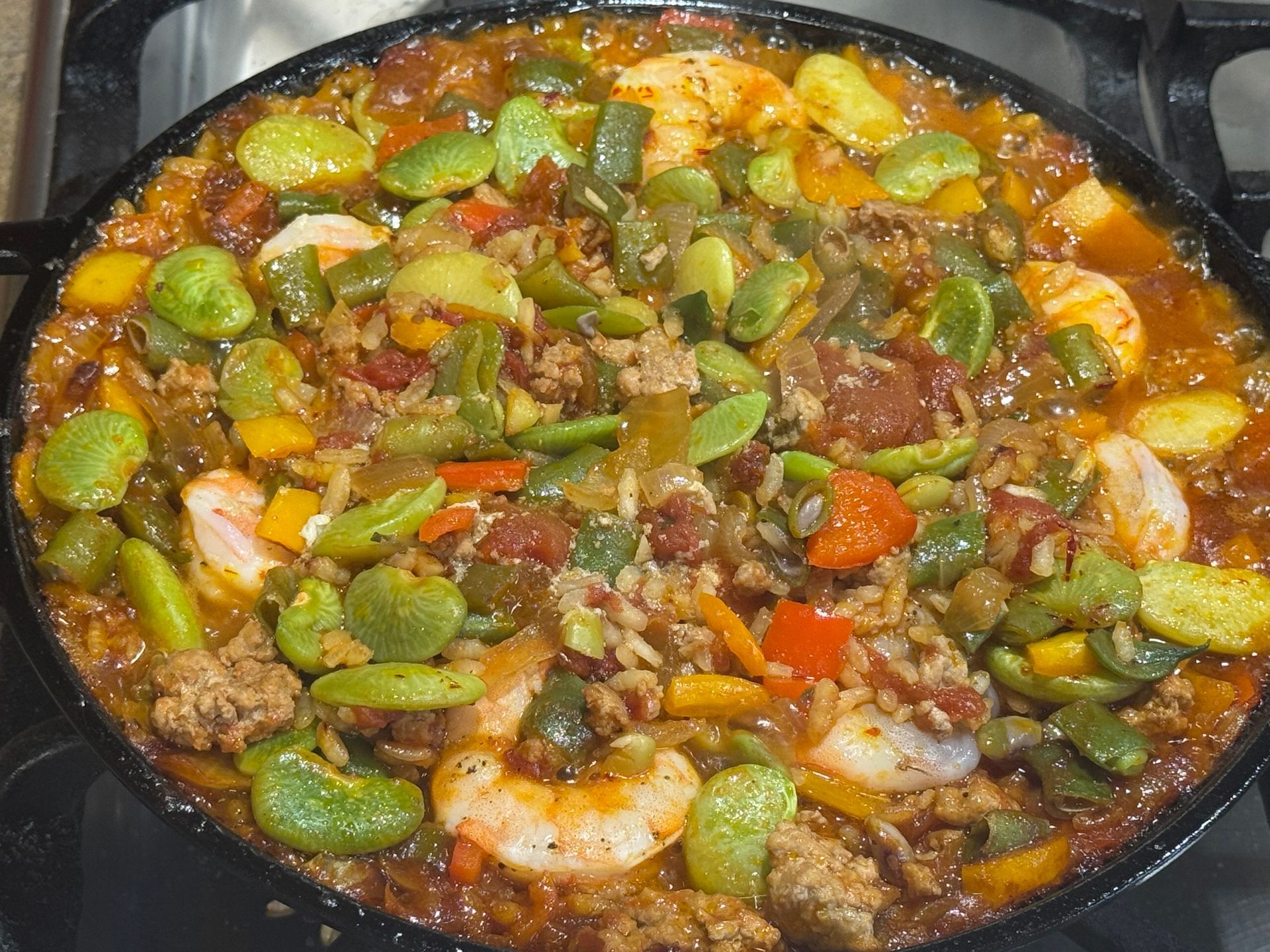
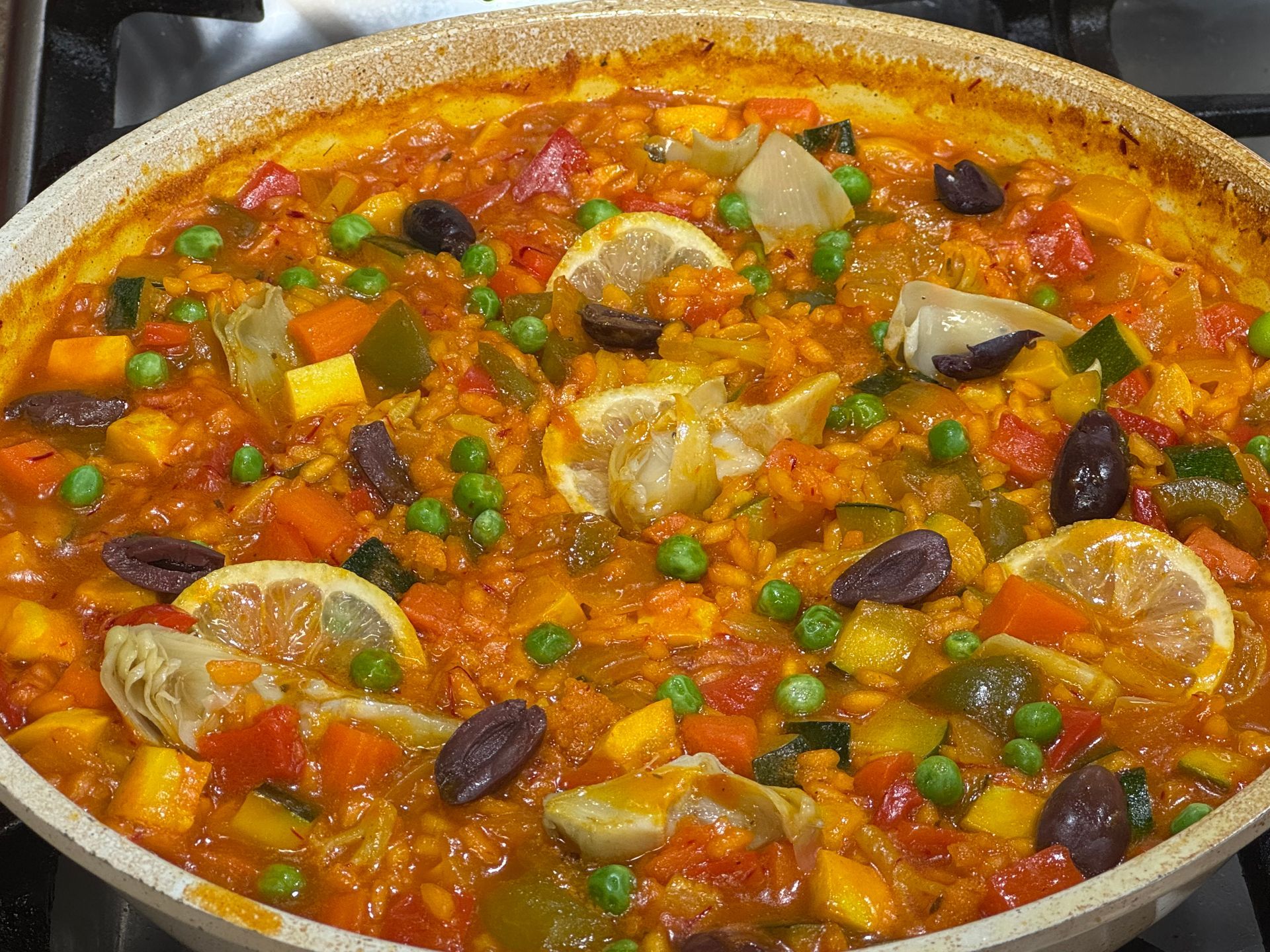
I recently volunteered to prepare vegetable paella for a church Bible group potluck. I was very excited to develop a delicious, new paella recipe and spent time preparing fresh vegetable stock with flavors of the Mediterranean. I always prepare vegetable and fish stocks fresh, as I intend to use them. I’m not a fan of bases or frozen stocks but I sometimes add a small amount of quality base to my stocks.
During my career, I’ve studied paella extensively, in preparation for the CMC exam, as innovation for Campbell’s and Home meal delivery companies I worked with. I’ve also been fortunate to have traveled throughout Spain researching trends, gastronomy and regional recipes. I’ve enjoyed learning about the variety of ingredients used in different chef’s local paella recipes. I’m always surprised with the variances in food quality… I naively assume every cook in Spain is a paella expert. I find it’s the same all over the world, there are great cooks, average cooks and cobblers!
I've only prepared vegetable paella a hand full of times. I make traditional paella recipes often for clients with chicken, shrimp, chorizo, various seafood, peppers, onions, peas, Bomba rice and saffron. At home, I prefer seafood paella. I wish chorizo was a type of seafood or vegetable!
One thing I am absolutely clear on: ingredients and technique matter—especially the stock.
As a former instructor at the Culinary Institute of America and a Certified Master Chef, I am a firm believer—and unapologetic stickler—for proper culinary technique. Technique is the foundation of learning, consistency, and flavor clarity. Which is why I was genuinely horrified reading some of the so-called “delicious vegetable stock” recipes circulating online. Many are muddy, aggressively flavored or short cuts, and fundamentally disconnected from the dishes they’re meant to support.
Classic vegetable stock formulations are rooted in Western European and French traditions: carrots, celery, onion or leek, garlic, tomato, cabbage, mushrooms, bay leaf, peppercorns, thyme. These ingredients are quality ingredients, sometimes vegetable trim but still quality ingredients. There are important ratios so that one ingredient doesn’t overpower the other ingredients-it is a recipe for delicious stock-not a garbage can stock.
The vegetables need to be cut to the appropriate size for quick simmering and vegetable stock is not boiled. Vegetable stock is cooked briefly, 45 to 60 minutes works well. When these simple cooking instructions are not respected the result is bitter or old tasting vegetable stock. This becomes bitter or old tasting food for the customers.
A vegetable stock with mirepoix, cabbage, mushrooms makes sense in certain applications, for certain recipes—but why would we use a mushroom or cabbage-forward stock in a paella? It doesn’t make culinary sense. Paella is a Mediterranean dish originating in the Valencia region of Spain as a humble meal cooked on an open fire. I’ve enjoyed wonderful paella meals in Valencia prepared with water-not stock, prepared with rabbit, snails and local beans. While traveling through Spain this spring I researched and sampled many styles of paella… no mushrooms, no carrots, no celery and no cabbage.
I’ve always been a fan of delicious vegetarian food and especially celebrating vegetables in their own right. During my time instructing at St. Andrew’s Café at the CIA, I frequently featured vegetable soups like spicy black bean and curried butternut squash. It quickly became clear that preparing vegetarian black bean soup with a traditional European vegetable stock simply didn’t make sense—the flavors were disconnected and unfocused.
I also noticed my students often struggled to cut perfect diced peppers for garnish, which meant we had an abundance of beautiful pepper trim. Rather than discard it, I began developing a pepper-and-onion stock using that trim specifically for the black bean soup. The results were excellent. It became obvious to me that preparing quick, targeted vegetable stocks designed for specific menu items was not only practical, but far more functional and respectful of the ingredients.
It’s also worth noting that many cultures rely simply on water to cook soups and rice dishes, allowing seasoning, technique, and the primary ingredients to define the final flavor. Stock is not mandatory—it is a tool in the Chef’s toolkit and like any tool, it must be used intentionally and with respect and understanding.
Over the years, I’ve read blogs encouraging home cooks to save and freeze assorted vegetable scraps, eventually turning them into stock. Basically, when the container of frozen scraps begins to overflow… it’s time to make stock. As a consultant, I’ve also walked into professional kitchens where a stockpot sits on the back burner with unmeasured peels and scraps of wildly inappropriate trim tossed in randomly. Quite honestly, this gives me nightmares. Random scraps do not equal thoughtful stock. Stocks require a formula for standardization and yield!
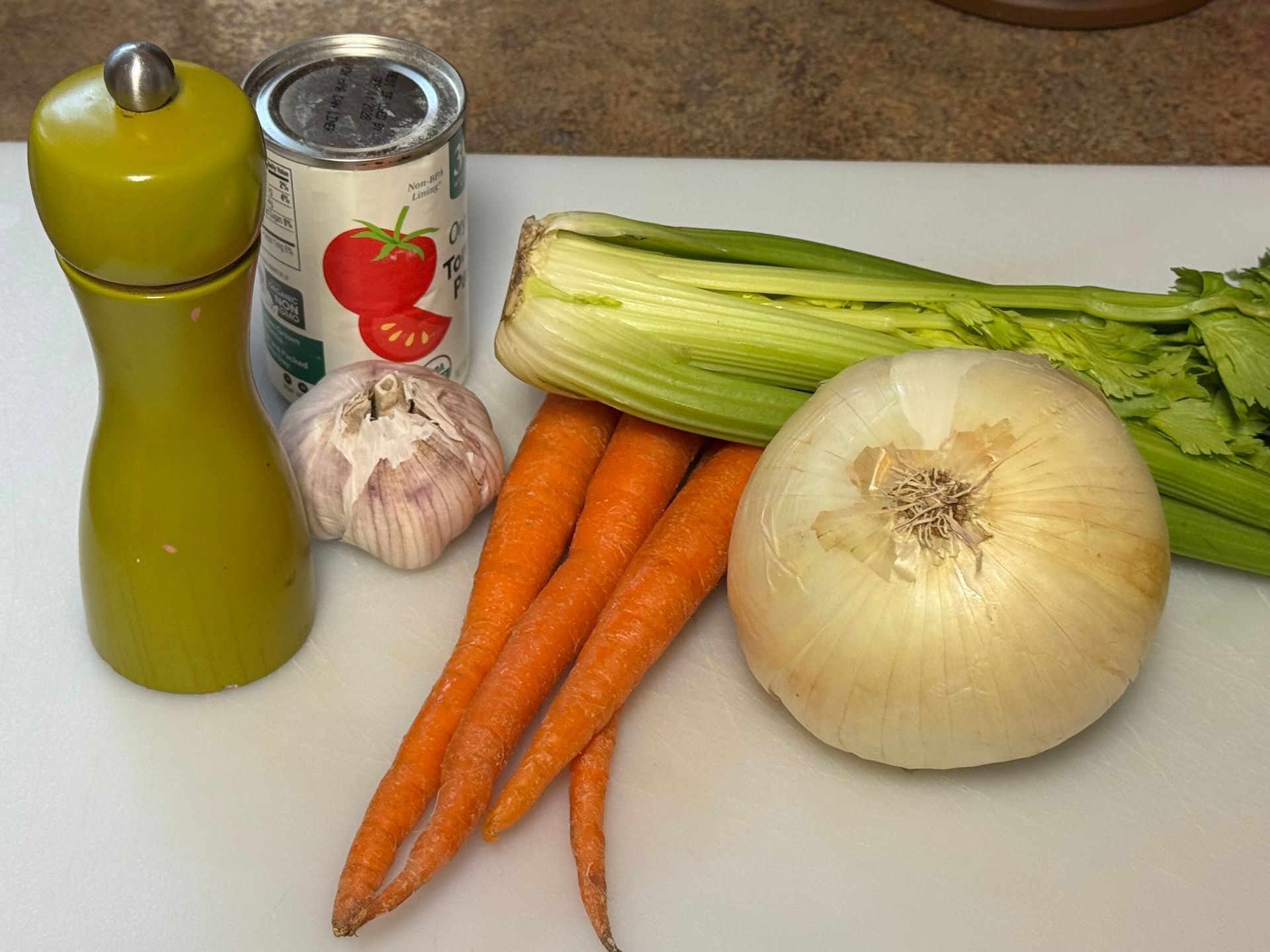
Making stock—vegetable or otherwise—requires intent, restraint, and respect for the craft. A stock should support the dish, not overpower or lessen the dish. Whether you choose a carefully composed vegetable stock or plain water, the goal remains the same: clean flavor, proper technique, and a deep respect for tradition and purpose.
At TWG Consulting LLC, we help organizations bring great ideas to life—from the kitchen to the consumer. If your operation wants to rethink how to profitably prepare delicious food at scale, I can help you get there