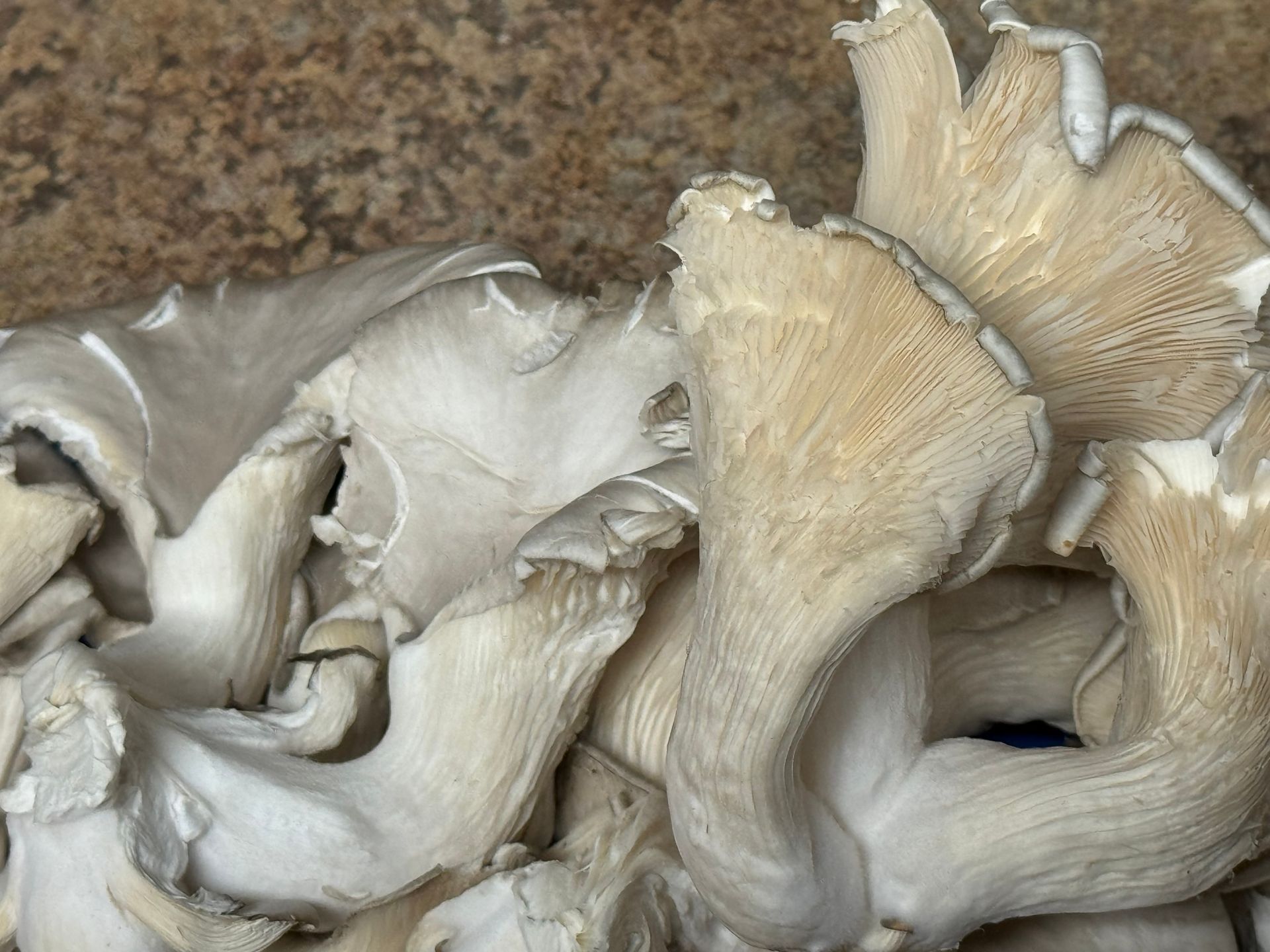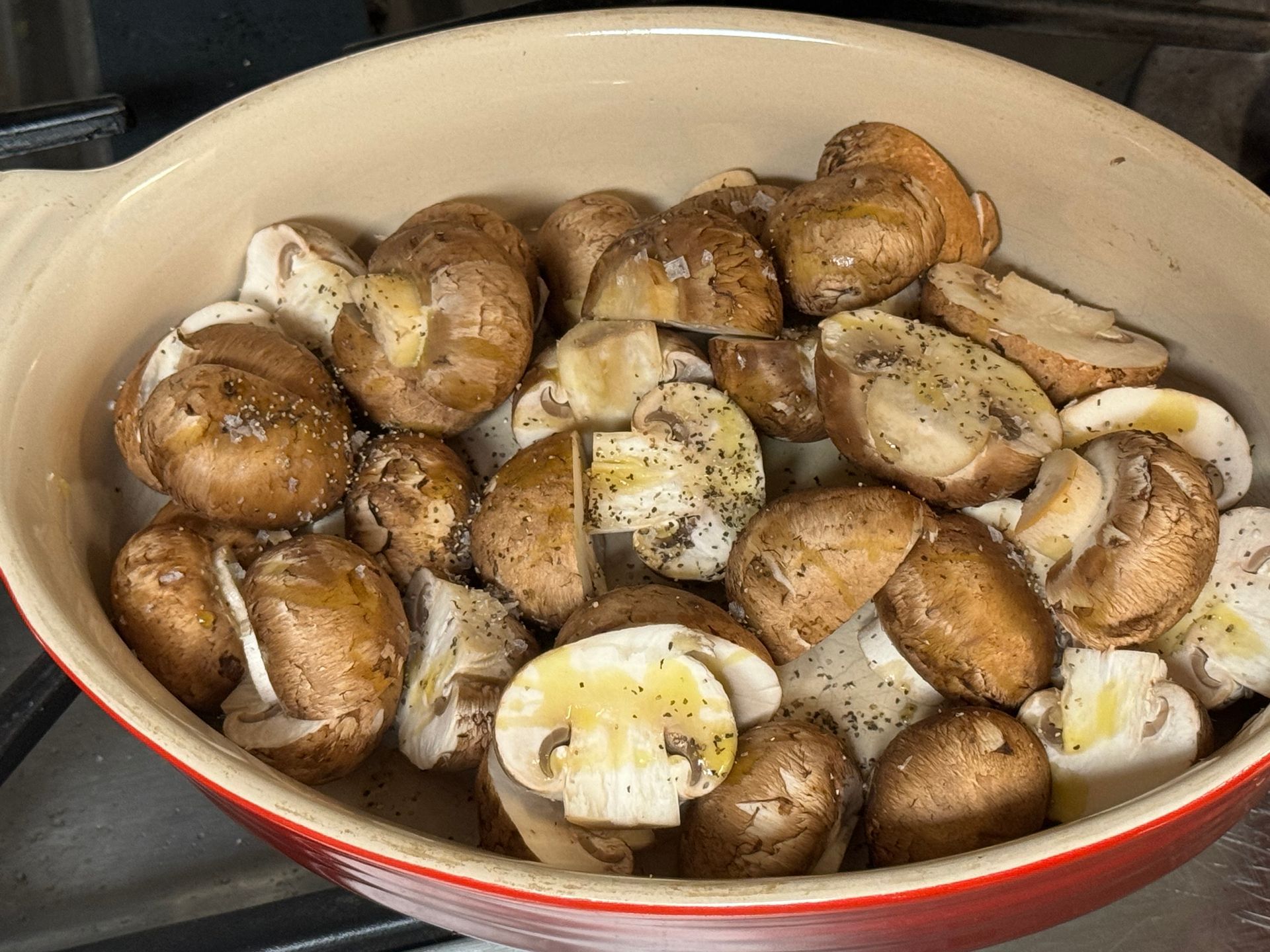
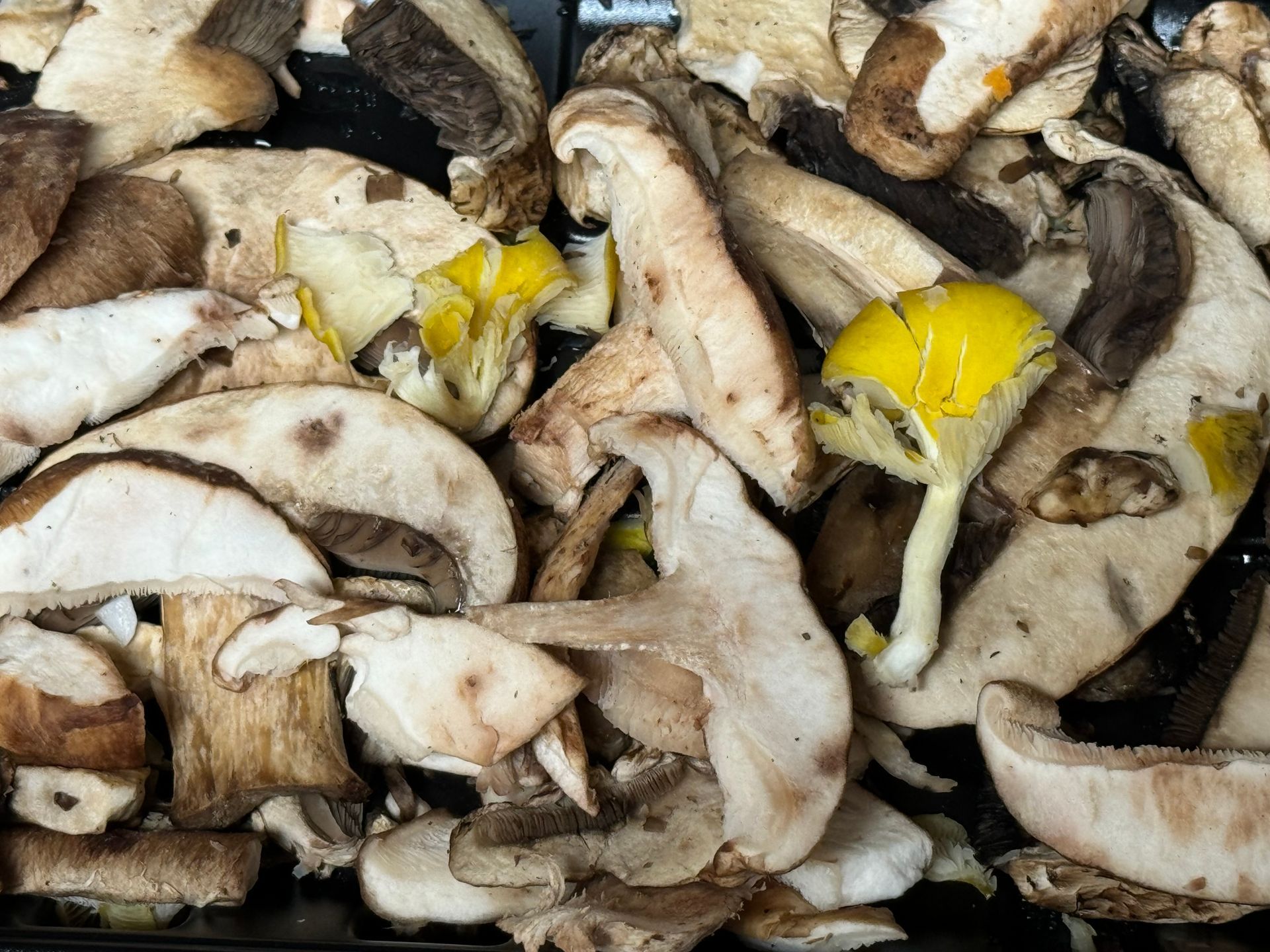
A close up of a pile of mushrooms on a table

Sauteéd Mushrooms

I'm a huge fan of mushrooms... and they come in all shapes , colors,sizes and flavors.

Most mushrooms can be purchased fresh, dried, frozen and some come in cans.

Mushrooms also come mixed so you get 3 or 4 types in one package.


Mushrooms add great flavor t0 soups and stews, risotto and pasta dishes as well as stir fried meals.


Dry cooking methods such as roasting, sautéing or grilling work especially well with mushrooms. 


Some types of mushrooms are delicious raw in salads or simply added to hot broths for great added flavor.


The various sizes and textures generally dictate the cooking time-larger or denser mushrooms like portobello or shiitake need a little longer to cook while delicate, small types like enoki or beach mushrooms cook very quickly.


I generally like to caramelize mushrooms and add to vegetable medleys, sauces, stuffings etc...
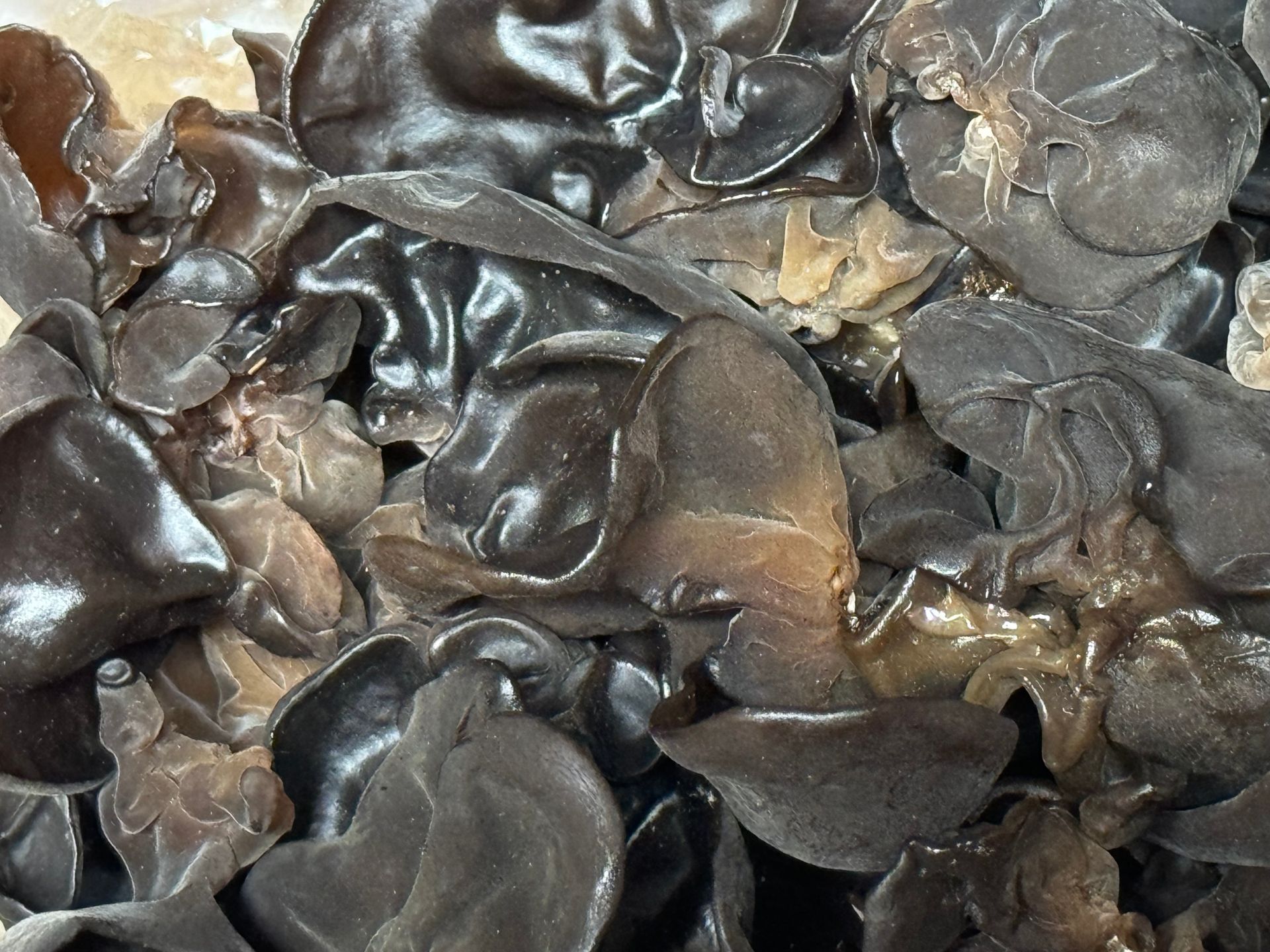

A close up of a pile of black mushrooms
A close up of a pile of mushrooms on a table
adding mushrooms to hot oil

Prep Time: 10 min

Cooking Time: 10 min

Yield: 4 portions


Ingredients      

2  lbs.       Mushrooms, wiped of soil & stem removed                                      

4  oz.        Olive oil                                     

1/2 tsp     Kosher Salt                                       

t.t.             Black pepper                                   

1 Tbsp     Garlic, minced                         

3 Tbsp     Shallots, minced   

6  oz.        Fresh herbs (Italian parsley, tarragon, sage, etc)                             


How to Sauté Mushrooms
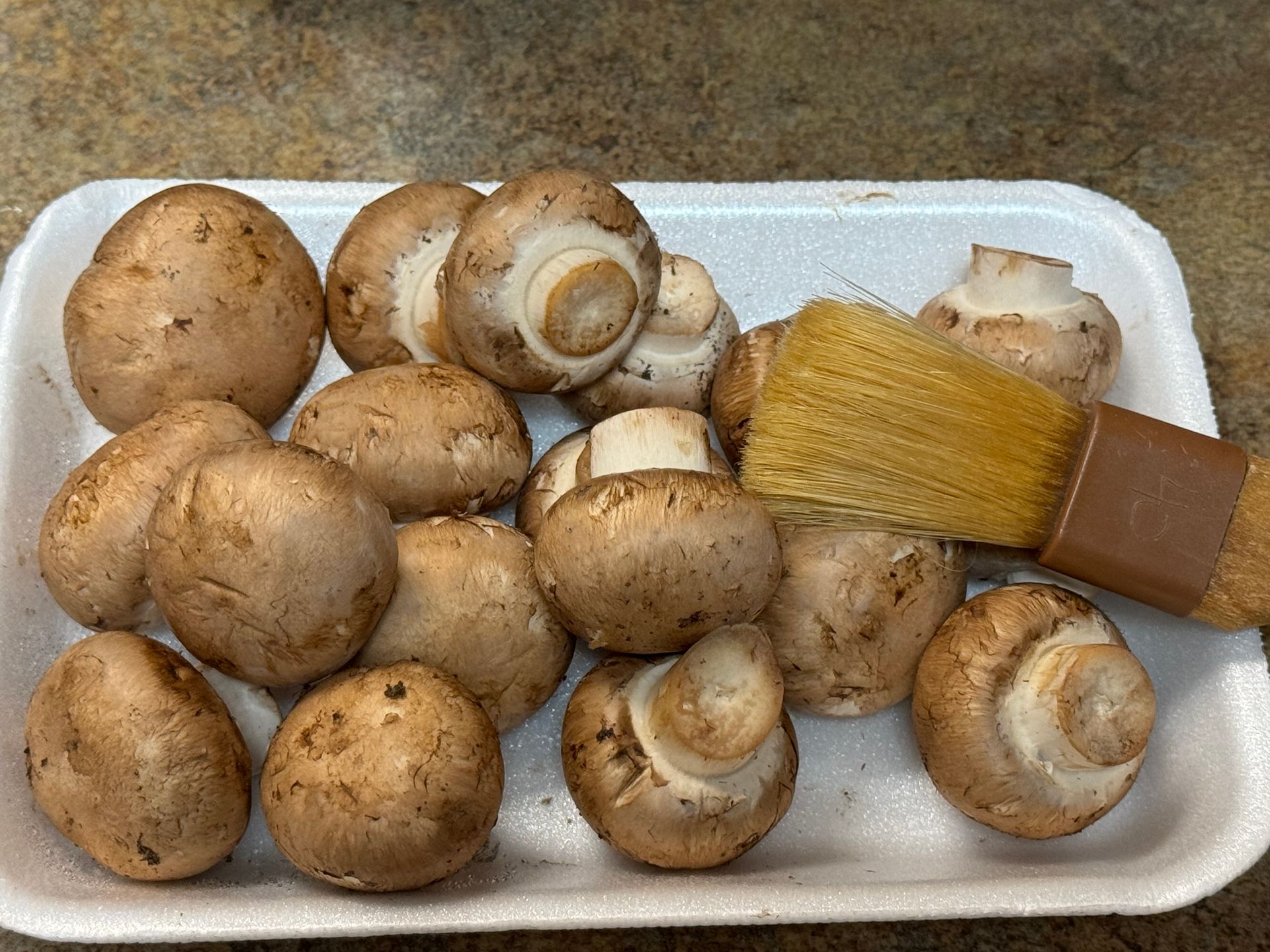
A styrofoam tray filled with mushrooms and a brush.
A bowl of mushrooms is sitting on a table.

Step 1

Carefully wipe the mushrooms of hay, soil etc...  do not rinse in water as the mushrooms will absorb the water and be difficult to cook. Using a paring knife, slice the woody stem from the mushroom. You may choose to dry mushroom stems and grind for stuffings or simply make a mushroom stock with the stems.


Cut the mushroom into quarters or slices, depending what application you are preparing.
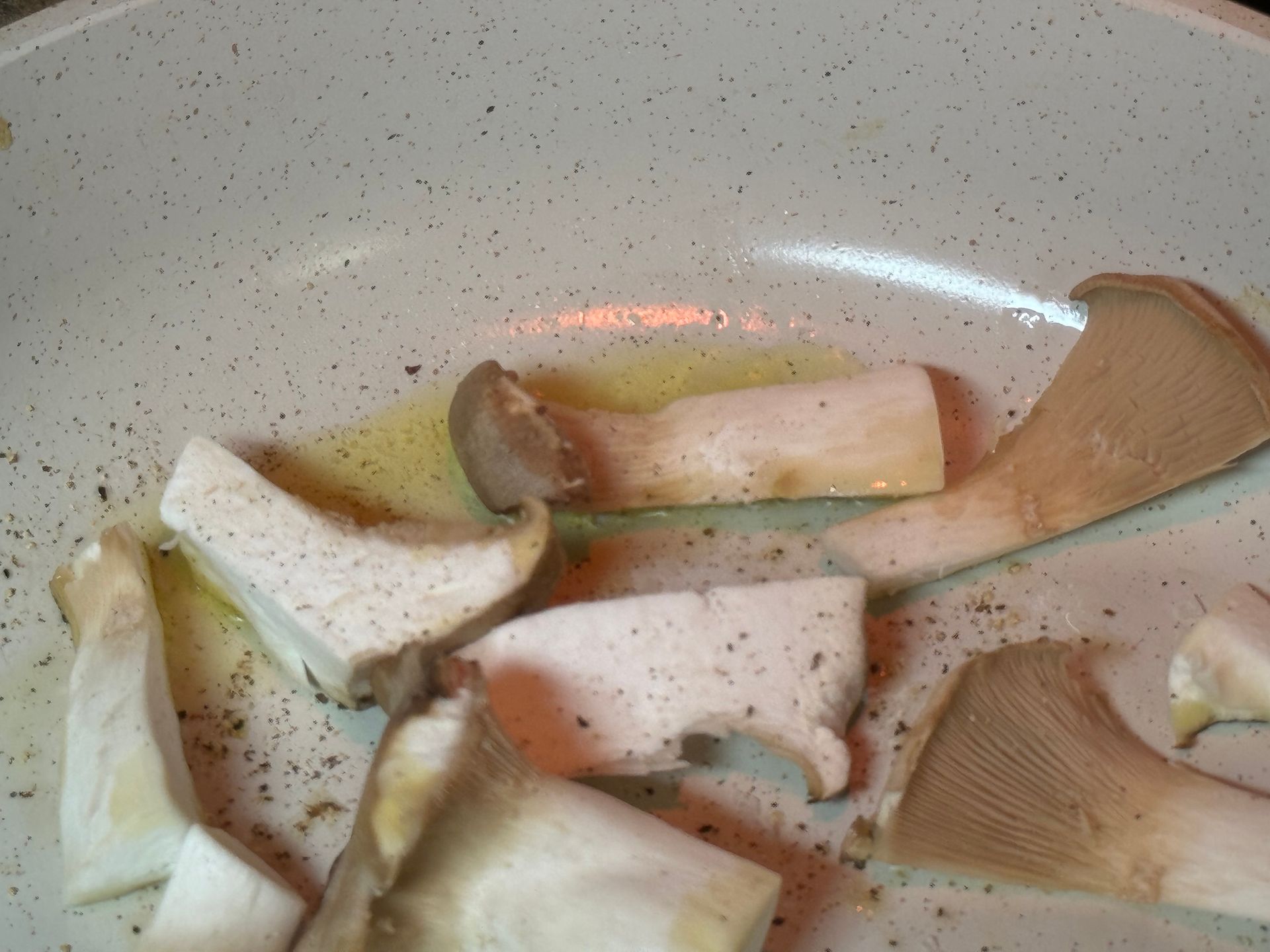
Mushrooms are being cooked in a pan with oil
Mushrooms are being cooked in a pan on a stove.

Step 2

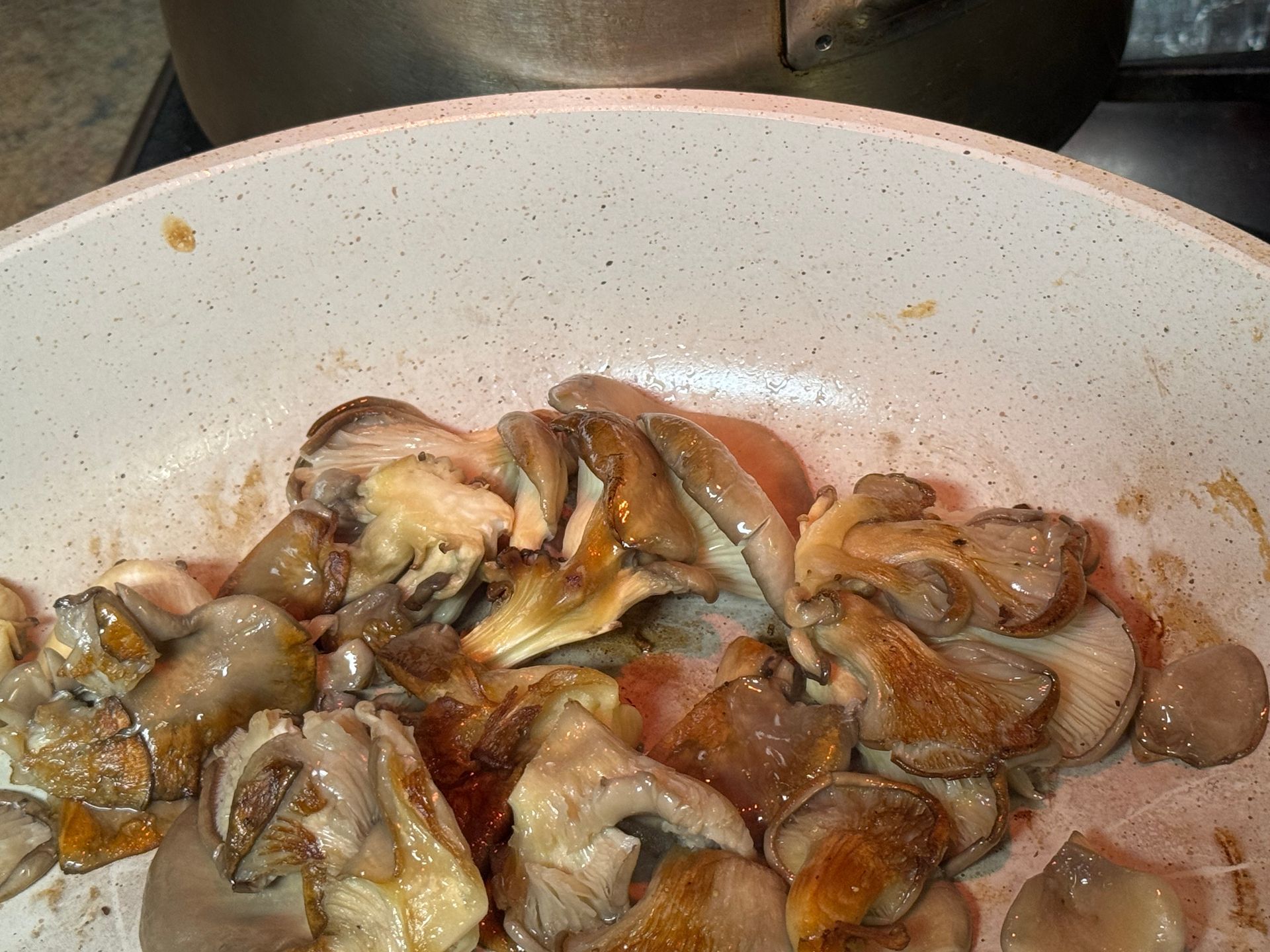
Heat olive oil in a sautée pan, when hot add the mushrooms. Do not move the mushrooms or water will come out-let the mushrooms get a nice, golden brown sear and then invert the mushrooms. This will take about 4 minutes, season with salt and pepper.
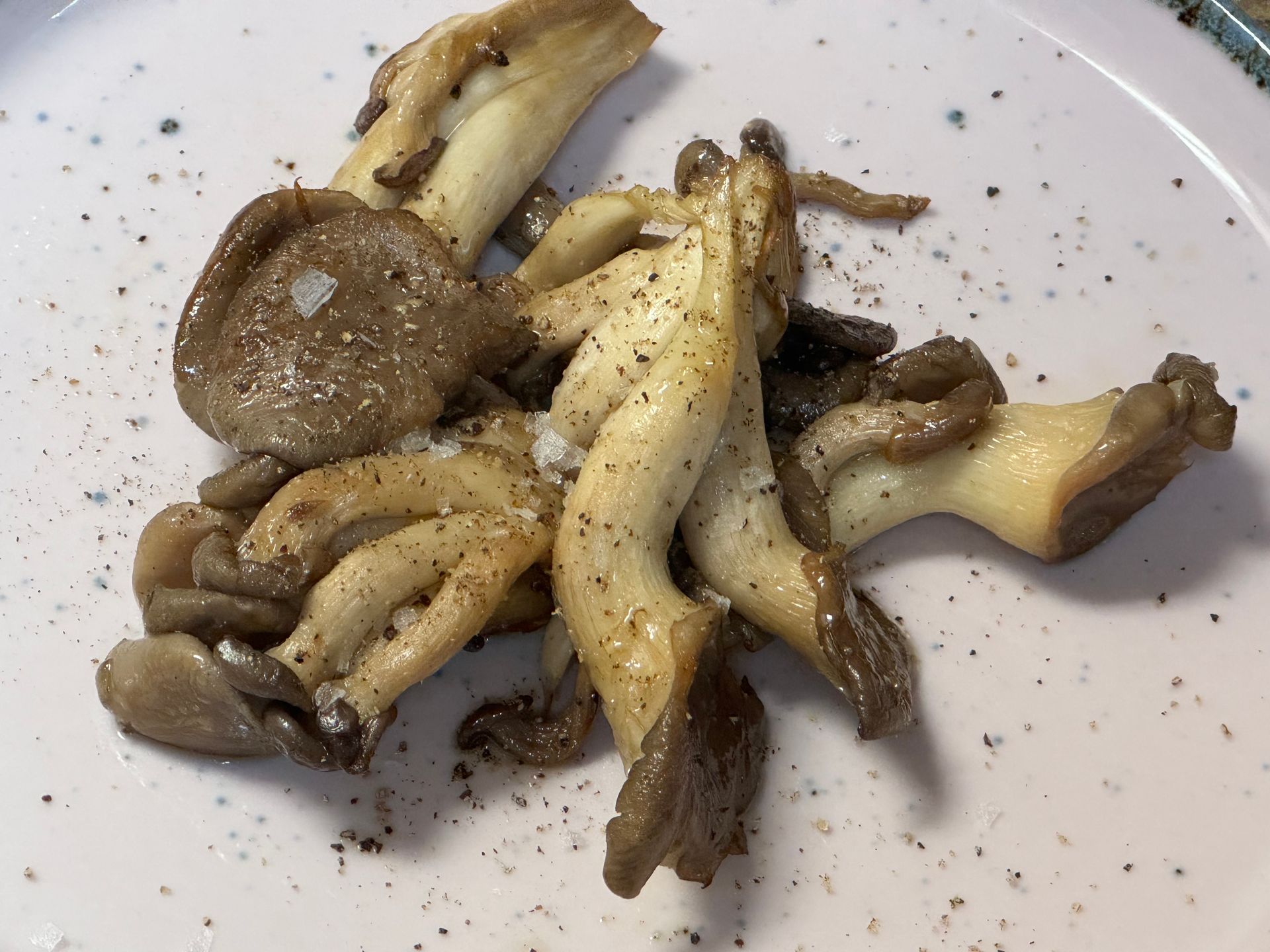
A white plate topped with mushrooms and salt and pepper

Step 3

Add the shallots, garlic and heat for another minute or so, add the herbs and taste-adjust seasoning.


Note: if you are using a variety of mushrooms, each has a different cooking time so it may make sense to cook each type of mushroom separately or cut the denser mushrooms (like shittaki) thinner so it cooks in the same time as a more delicate mushroom (like oyster or beech).
By Tom Griffiths August 11, 2026
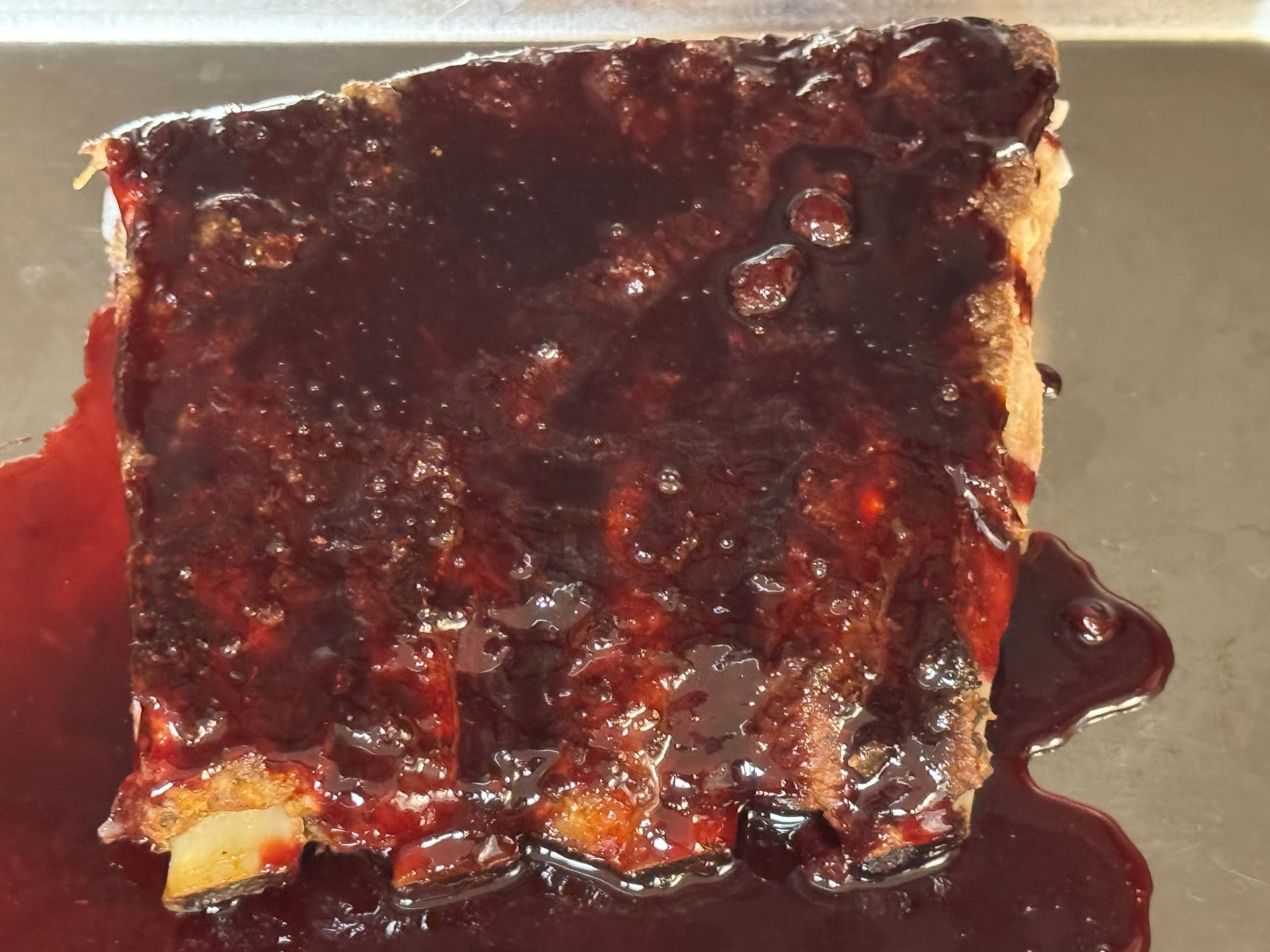
Chef Tom's Cooking Class Minute: Week 3 Cooking Pork Spare Ribs
By Tom Griffiths August 8, 2026
Years ago I traveled around the south for a few weeks researching some of the amazing foods of each region. In Charleston, I was introduced to a local pig farmer, Tank Jackson who manages Holy City Hogs. Tank and his wife raise heritage breed pigs and distribute the pigs around the country. He offers on-site cooking whole pig roasts, primal cuts and sausages, and I believe he produces the best pork in the country.
By Tom Griffiths August 8, 2026
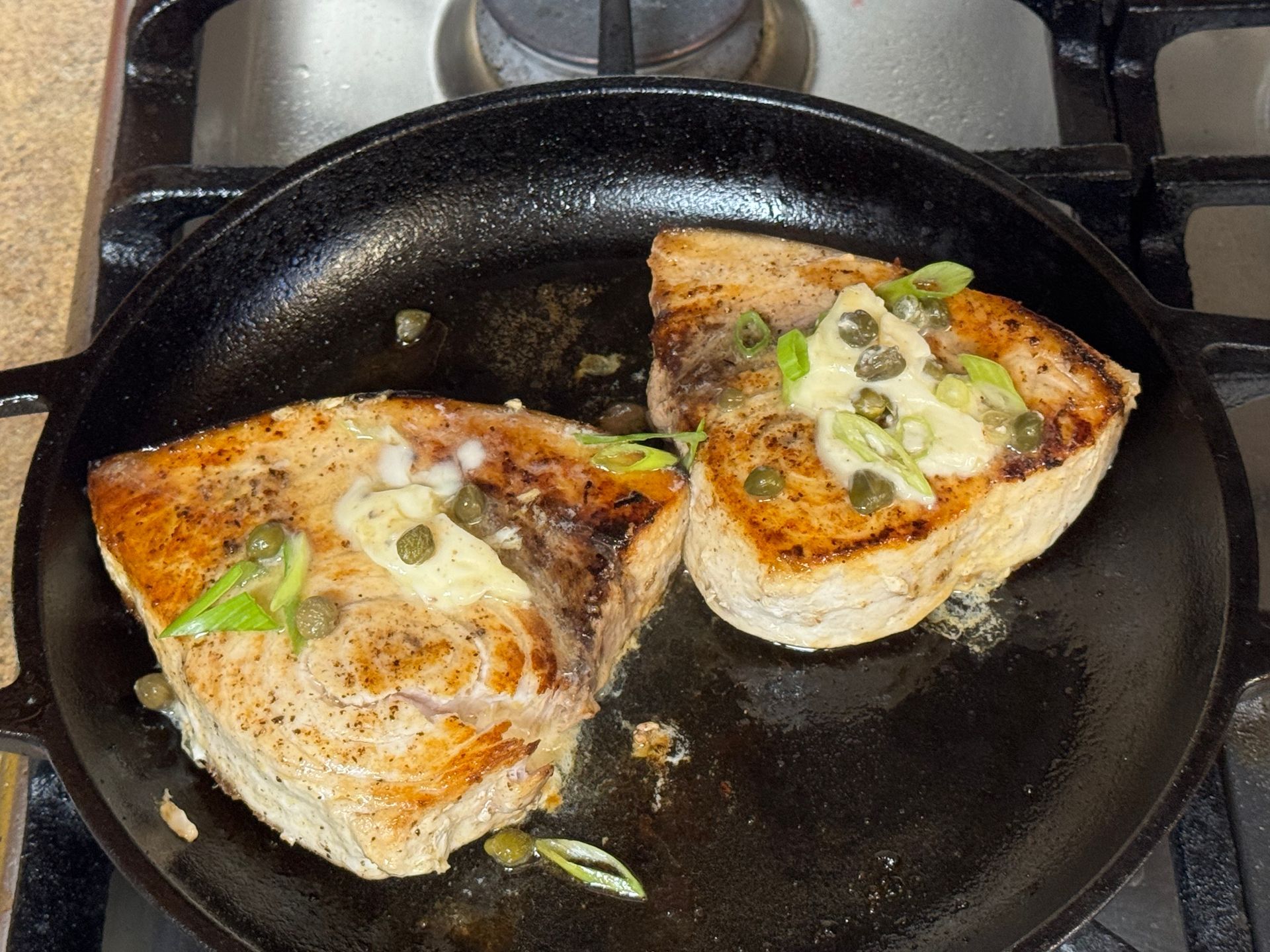
Years ago, while working as a chef in a busy continental restaurant, we featured grilled, fresh swordfish on the menu—finished with a generous spoonful of herbed compound butter and capers. It was popular and delicious. One afternoon, a seafood purveyor stopped by with a sample of frozen swordfish steaks, fully thawed and ready for evaluation. Curious, we grilled it side by side with the “fresh” swordfish we had been serving—fish we believed to be of high quality. The result was surprising. The frozen swordfish was superior—firmer, cleaner in flavor, and more consistent in texture. In contrast, our “fresh” fish, likely several days out of the water, lacked the same integrity. It was a defining moment and an important reminder: in many cases, properly handled and quickly frozen seafood can offer better quality than fish labeled as fresh. For chefs, understanding sourcing and handling is just as critical as technique—especially with a product as prized as swordfish.
By Tom Griffiths August 8, 2026
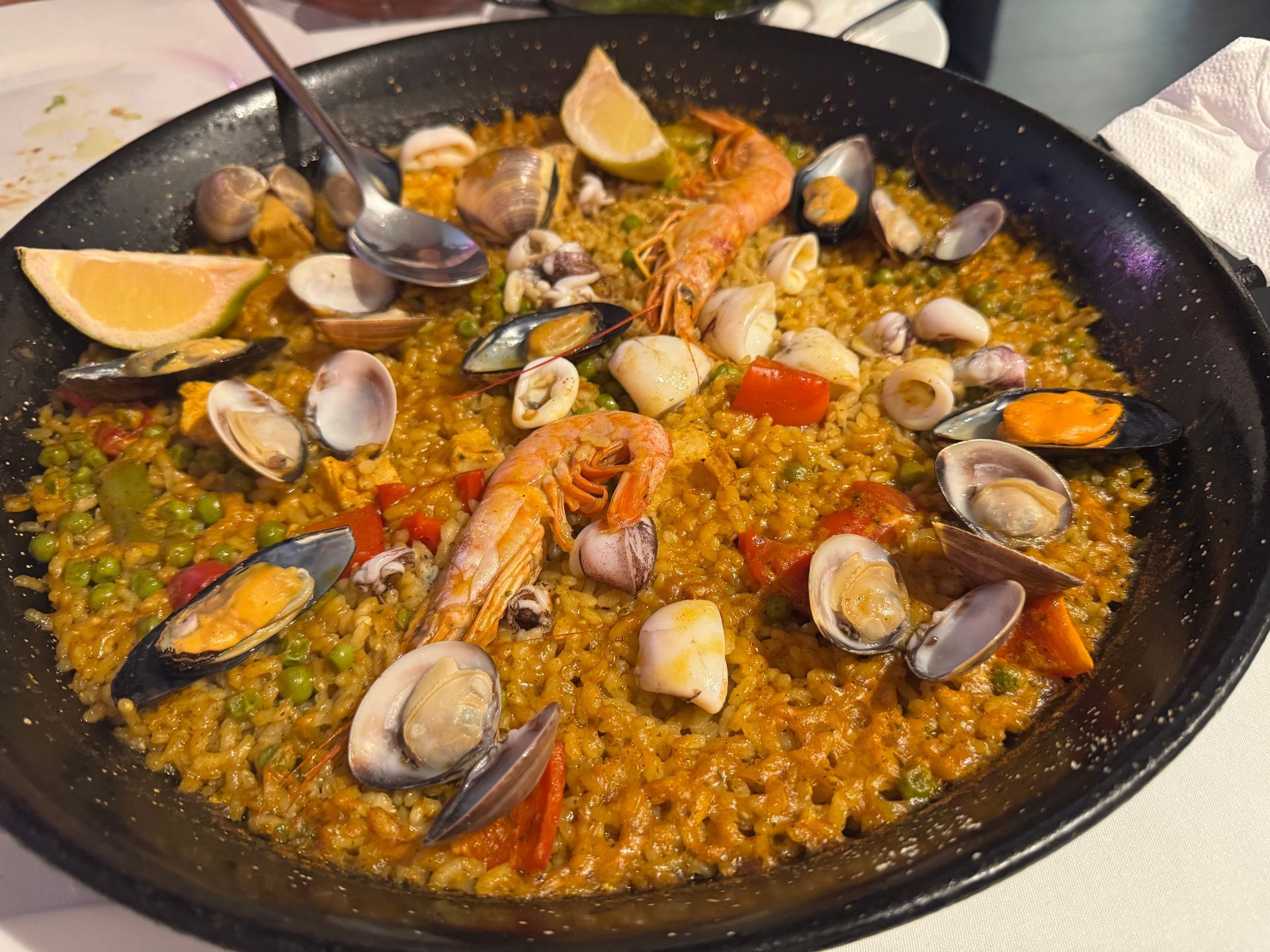
Chef Tom's Cooking Class Minute: Week 2 Cooking Rice: creating socarrat—
By Tom Griffiths August 6, 2026
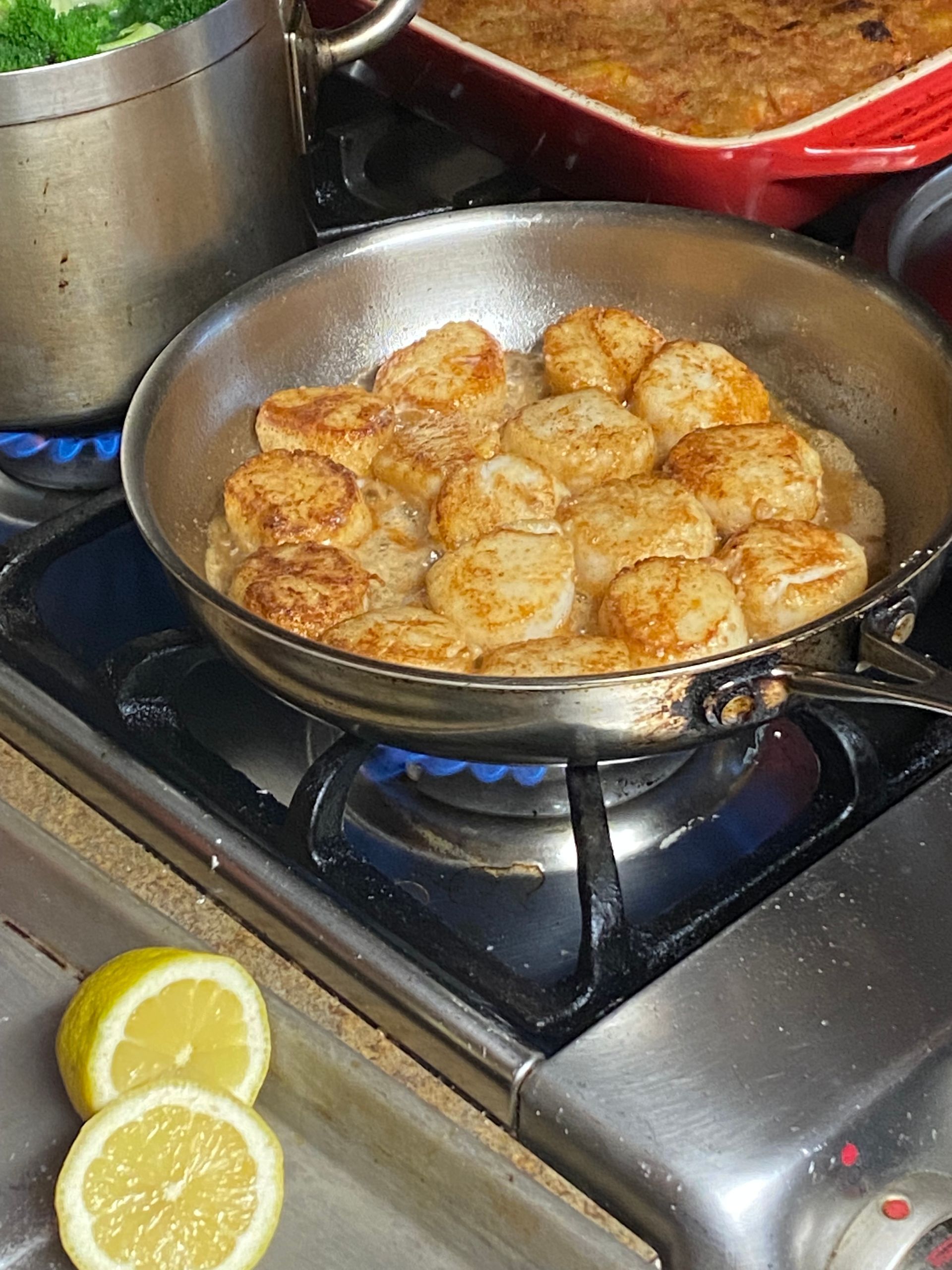
Chef Tom's Cooking Class Minute: Week 1 The Biggest Mistake People Make When Cooking Scallops 
By Tom Griffiths July 27, 2026
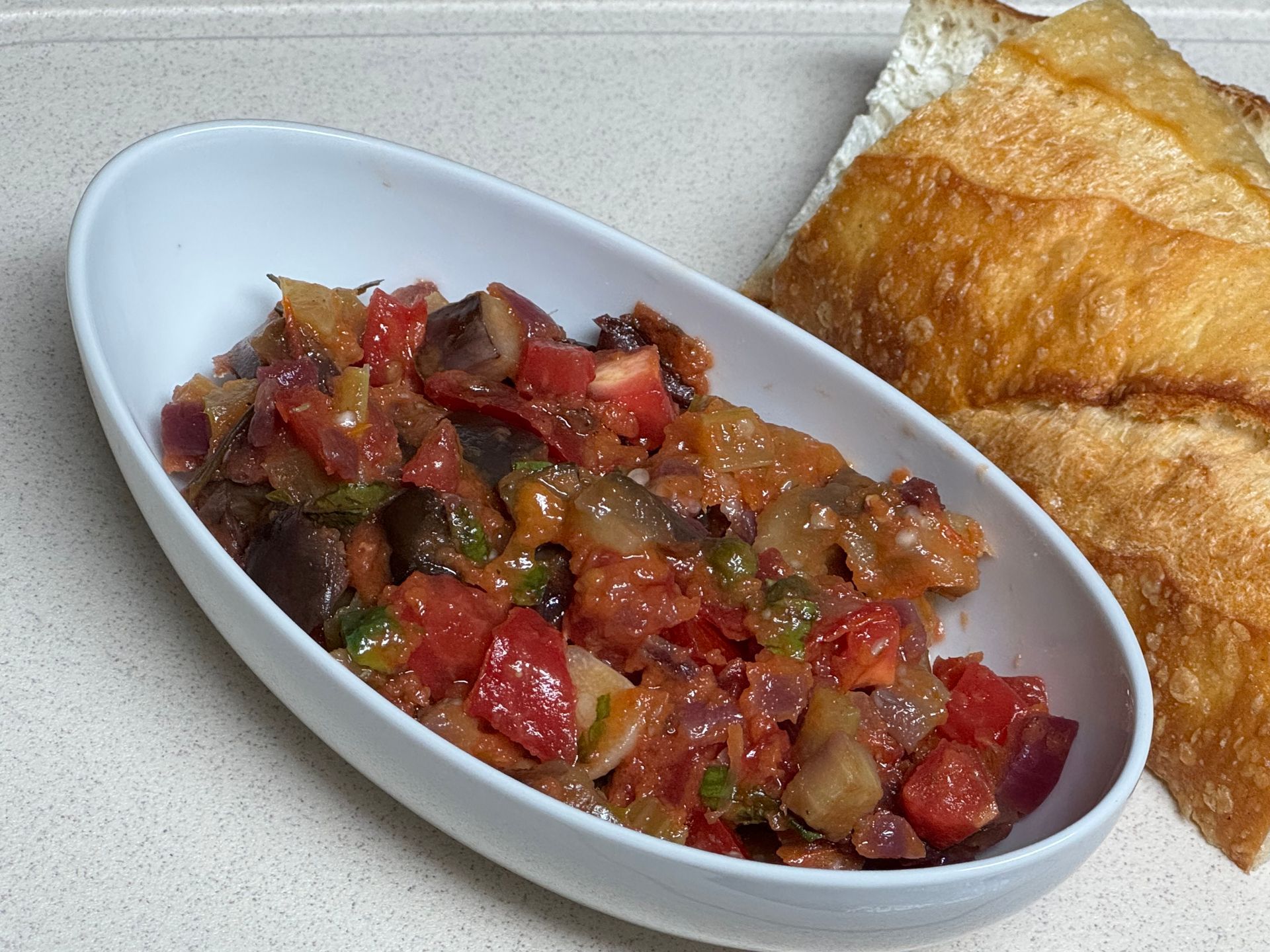
The name "caponata" itself has a fascinating origin story. One popular theory suggests it derives from capone, the Sicilian word for mahi-mahi. Historically, wealthy Sicilian aristocrats enjoyed a sweet-and-sour fish dish. Because seafood was too expensive for the working class, local home cooks substituted fish with affordable, meaty eggplant. Over time, this creative peasant food evolved into the beloved antipasto we celebrate today, often rounded out with celery, olives, and capers.
By Tom Griffiths July 23, 2026
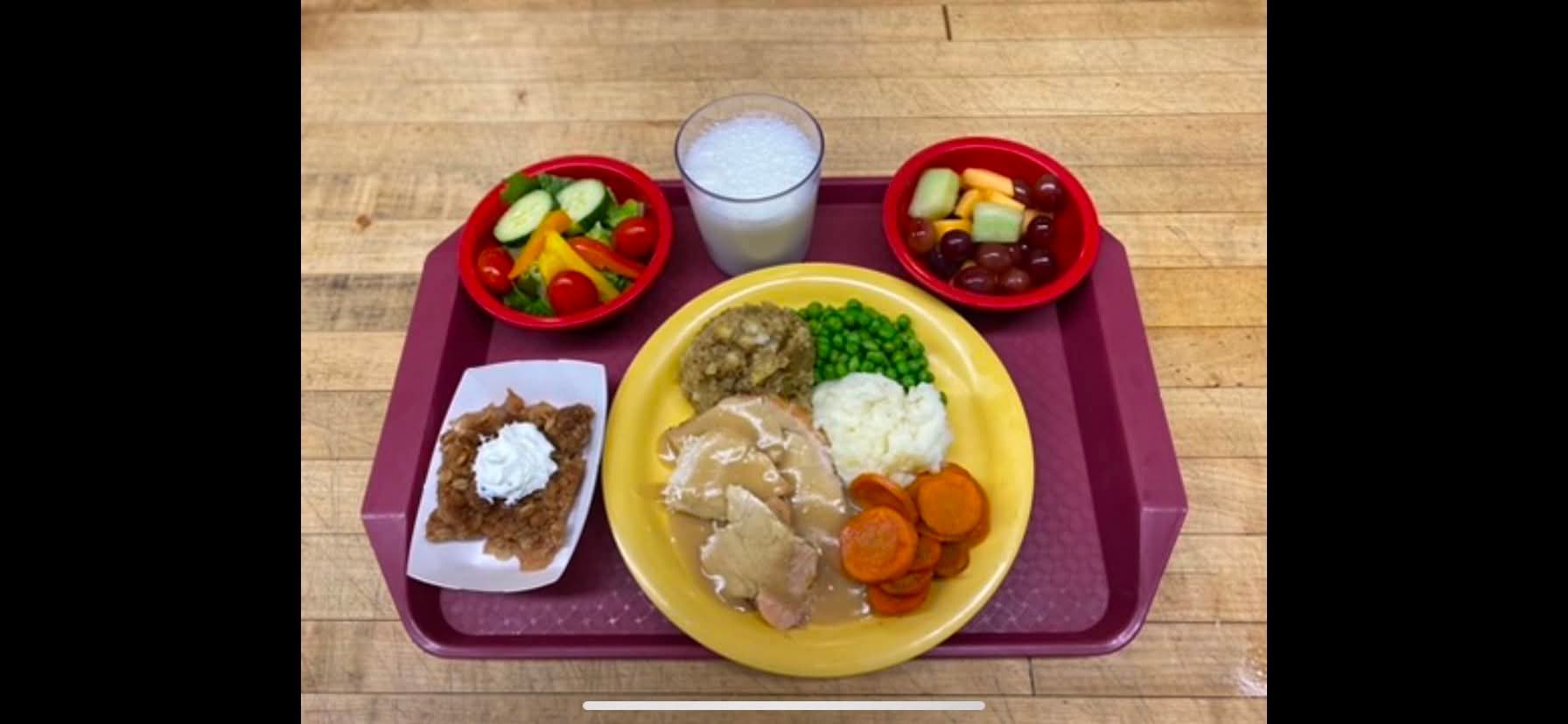
From Talk to Action: A Chef’s Challenge for School Lunches 
By Tom Griffiths July 22, 2026
The legendary New York-style cheesecake was famously popularized by Lindy’s Restaurant , an iconic Theater District deli opened in 1921 by German-immigrant Leo "Lindy" Lindemann and his wife Clara . A NY-style cheesecake has a dense but velvety cream cheese base, citrus zest, and a distinct cookie-dough pastry crus t. For years, I took the bus into NYC to work in amazing restaurant kitchens. On one bus ride I met and became friends with a manager at the legendary Lindy’s Restaurant. One day, he did the ultimate honor: he shared the closely guarded, original cheesecake recipe with me. This new recipe is directly inspired by that legendary Lindy’s classic, capturing its iconic velvety richness and signature flavor profile, but re-engineered for a modern, protein-packed lifestyle.  Why This Recipe Delivers High-protein swap : Cottage cheese provides a clean, protein-packed base that replaces heavy fats without sacrificing richness. Silky texture : Blending the batter thoroughly ensures a velvety smooth consistency that rivals any NY-style cake. Savory-approved : Simple, foolproof assembly that requires no pastry-chef precision to get a perfect bake every time.
By Tom Griffiths June 28, 2026
One of the great pleasures of my career is spending time each year working as a Culinary Educator aboard a cruise ship alongside my wife. She teaches baking & pastry while I focus on savory cooking and culinary techniques. Our travels take us to fascinating ports around the world, providing opportunities to explore local markets and study regional cuisines. I have a particular affection for the Mediterranean and always make it a point to seek out local variations of pesto, one of the world's great culinary treasures. One evening aboard ship, the pasta station served rigatoni with a choice of pesto, marinara, or Alfredo sauce. The cook prepared each order by reheating the pasta in hot water and then finishing it briefly in a sauté pan with the selected sauce. I watched in disbelief as he prepared to heat the pesto exactly the same way. "Horror!" flashed through my mind. Pesto is not a cooked sauce. Heating it aggressively dulls the fresh basil aroma, darkens its vibrant color, and diminishes the delicate flavors of basil, garlic, pine nuts, and extra virgin olive oil that make pesto so special. I may have startled the cook when I quickly called out, "Please don't cook my pesto!" Instead, I asked him to simply toss the hot rigatoni with the pesto off the heat, allowing the warmth of the pasta to gently release the fragrance and flavor of the basil. The result was exactly as pesto was intended to be enjoyed—fresh, vibrant, aromatic, and unmistakably Mediterranean.
By Tom Griffiths May 13, 2026
As chefs, we spend years mastering sauté work. I remember my early days working the sauté station for lunch in a French restaurant in NYC. We served over one hundred guests in an hour-and the food was excellent — a dozen hot pans on the flat top, stocks simmering, mise en place of freshly chopped herbs, minced shallots, butter for mounting into sauces à la minute. There is rhythm to good sauté cooking. You learn quickly that great sauté work is not about rushing — it is about organization and control .