Years ago, while working as a chef in a busy continental restaurant, we featured grilled, fresh swordfish on the menu—finished with a generous spoonful of herbed compound butter and capers. It was popular and delicious.
One afternoon, a seafood purveyor stopped by with a sample of frozen swordfish steaks, fully thawed and ready for evaluation. Curious, we grilled it side by side with the “fresh” swordfish we had been serving—fish we believed to be of high quality.
The result was surprising. The frozen swordfish was superior—firmer, cleaner in flavor, and more consistent in texture. In contrast, our “fresh” fish, likely several days out of the water, lacked the same integrity.
It was a defining moment and an important reminder: in many cases, properly handled and quickly frozen seafood can offer better quality than fish labeled as fresh. For chefs, understanding sourcing and handling is just as critical as technique—especially with a product as prized as swordfish.
Cooking Swordfish
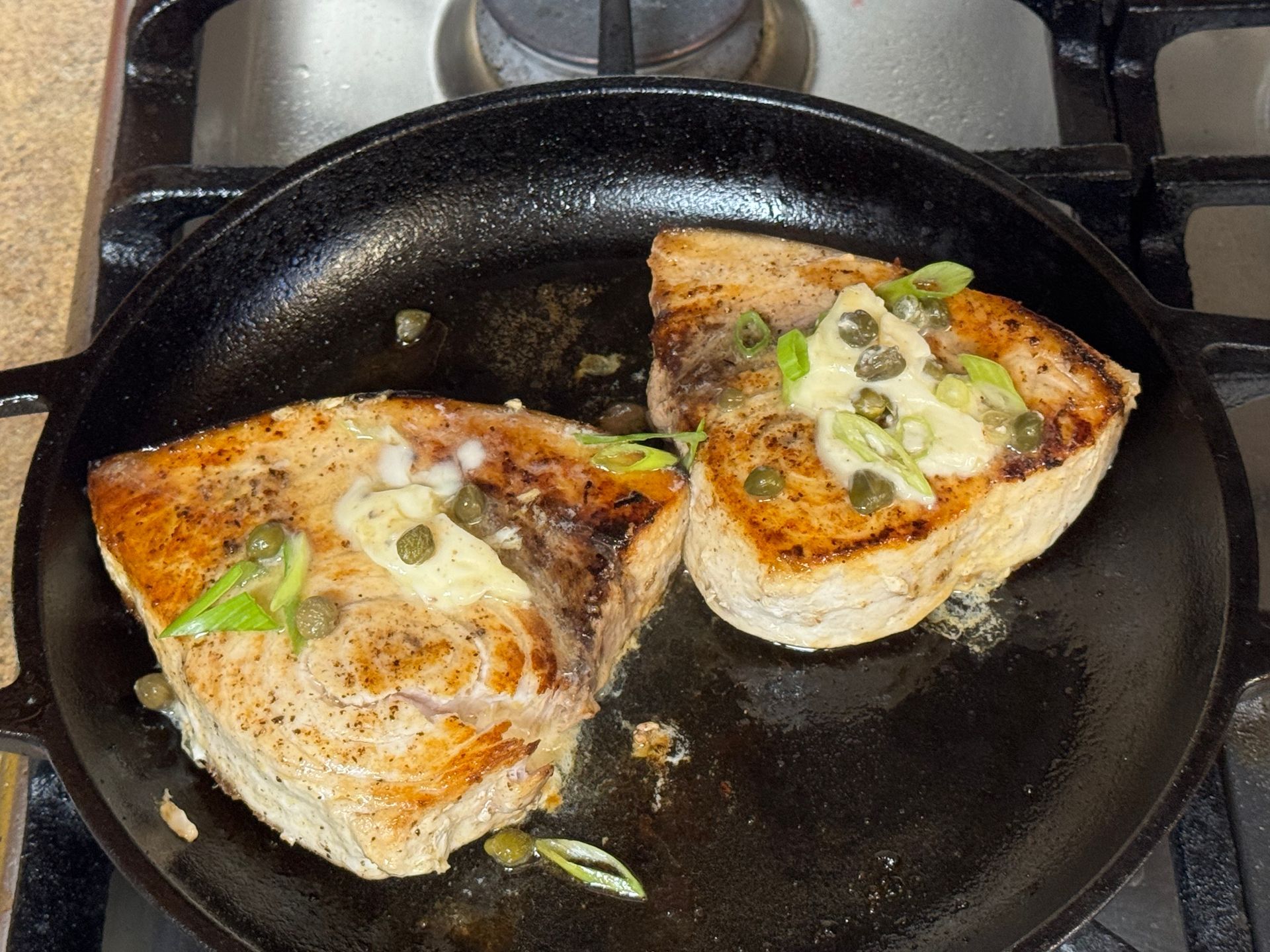
Swordfish is one of the ocean’s most distinctive and versatile fish, prized for its firm, steak-like texture and clean, mildly sweet flavor. Unlike more delicate species, swordfish holds up beautifully to high-heat cooking, making it an ideal choice for grilling. When you're not able to grill, a cast iron 'planch' type pan works beautifully for cooking swordfish steaks. The dense flesh develops a satisfying crust over and the flesh is moist and tender.
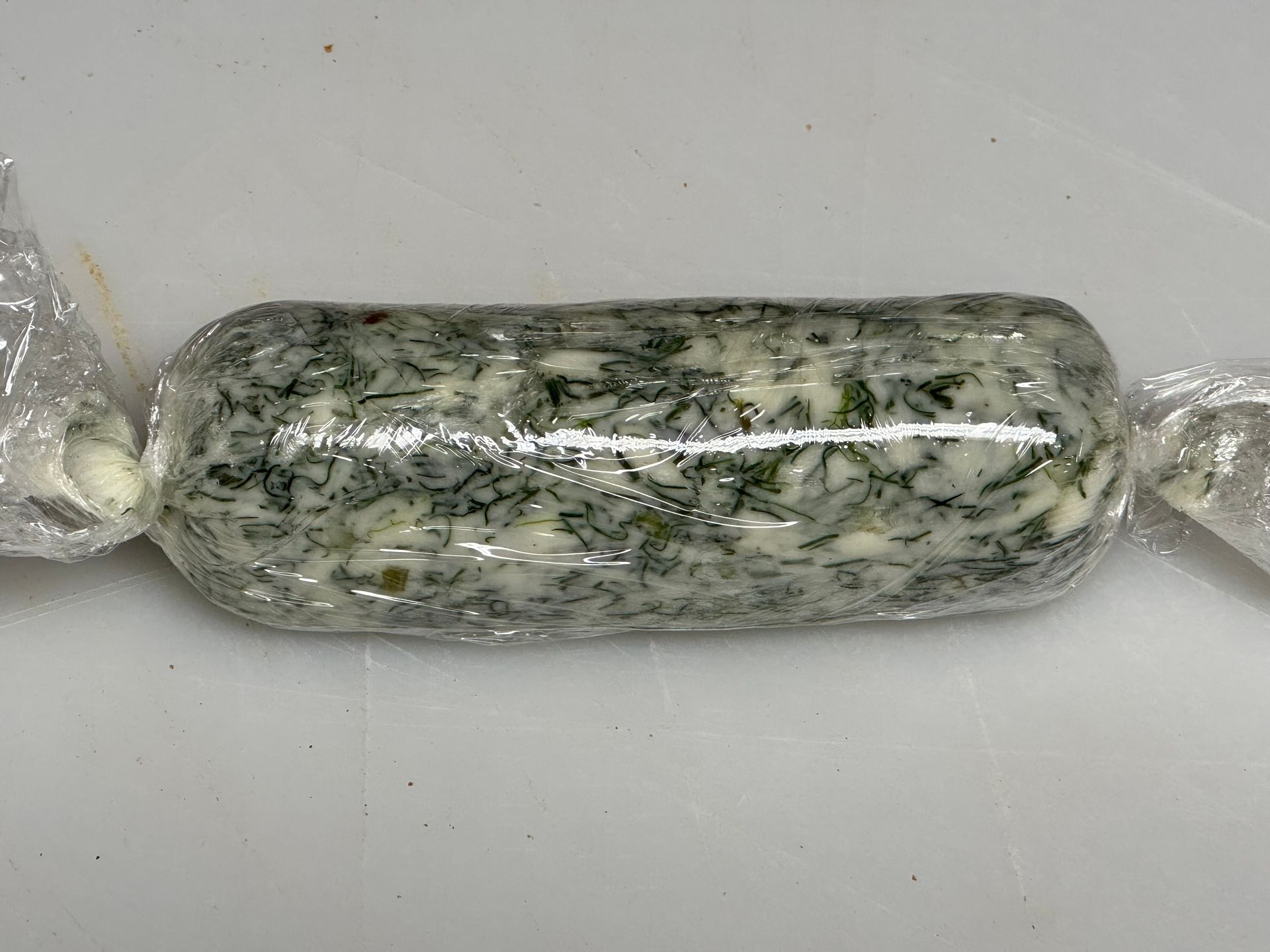
Cooked meats and seafood should always be allowed to rest for a few minutes, giving the juices time to redistribute and settle back into the protein. This brief pause is also the ideal moment to introduce compound butter, placed directly on top so it slowly melts as the protein rests.
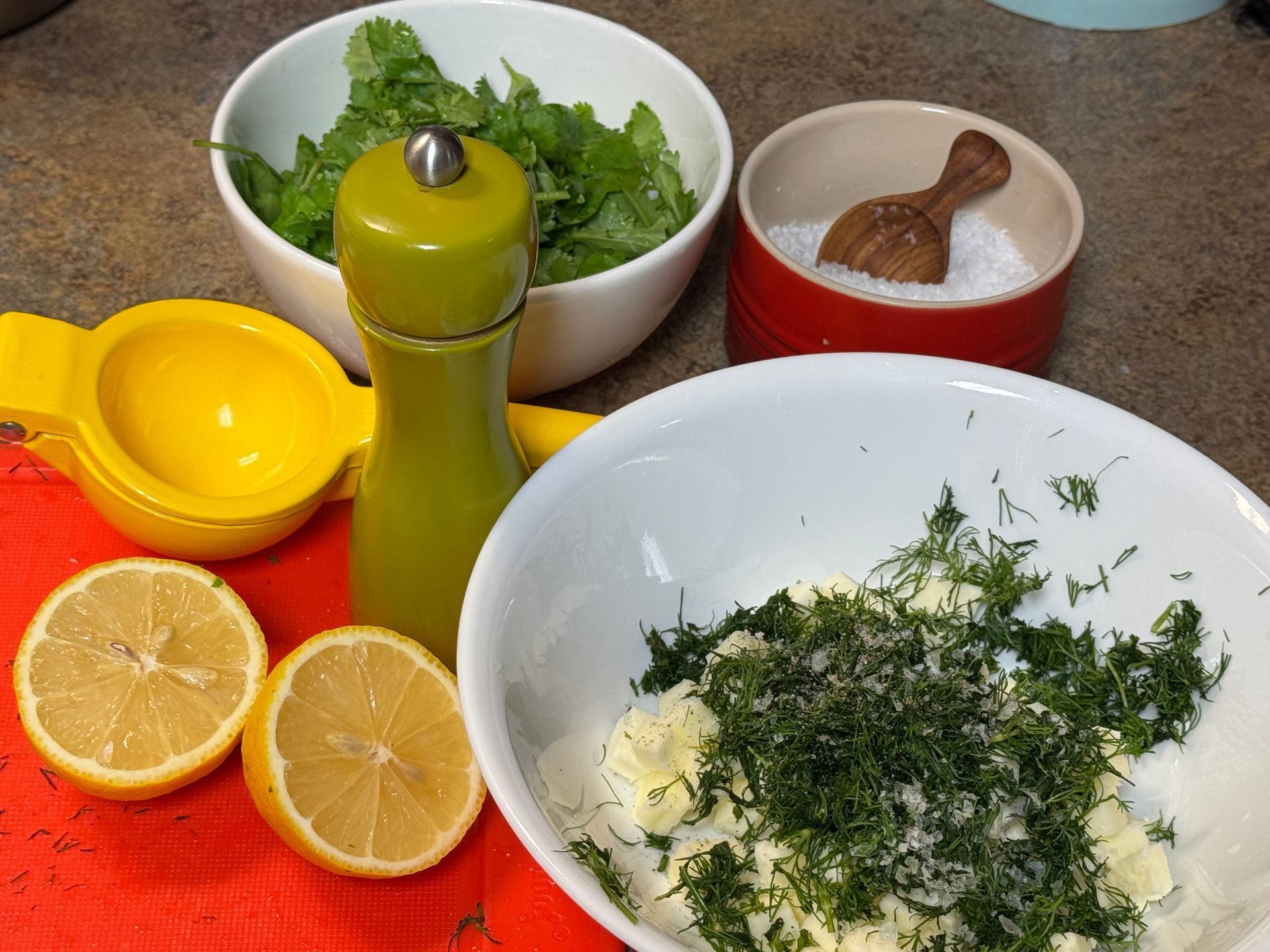
A simple finish of compound butter is one of the most effective ways to elevate seared or grilled seafood. As it melts, the butter adds moisture, richness and flavor—herbs, citrus, garlic, and spices—onto the crust.
It bridges the intensity of the grill with the natural character of the protein, creating balance without masking flavor.
Swordfish pairs especially well with bold yet balanced wines such as chardonnay and dry wines such as sauvignon blanc.
Griddling and Searing Swordfish Steaks
Prep Time: 30 min
Cooking Time: 20 min
Yield: 4 portions
Ingredients
2 Tbsp Olive Oil
1 lb Swordfish steaks (4 four oz steaks)
1/2 tsp Kosher Salt
t.t. Black pepper
1 tsp Olive oil
1 tsp Lime juice
1 Tbsp Fresh Herbs (the same herb you use for the compound butter)
Compound Butter
8 Tbsp Butter, lightly salted
3 Tbsp Scallions, sliced very thinly
2 Tbsp Italian Parsley and Tarragon, rough chop
1 Tbsp Lemon juice
2 Tbsp Capers
How to Prepare Swordfish
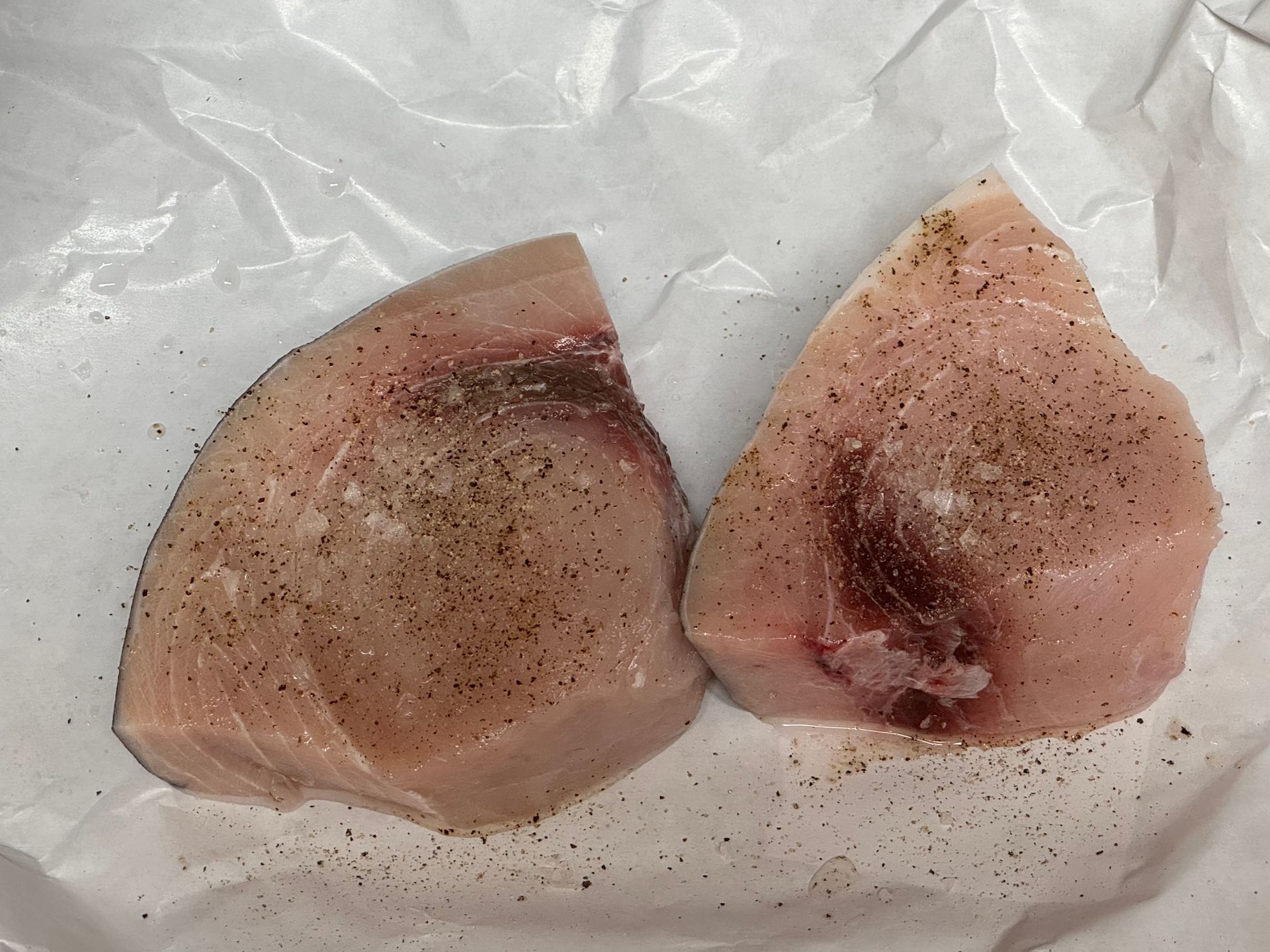
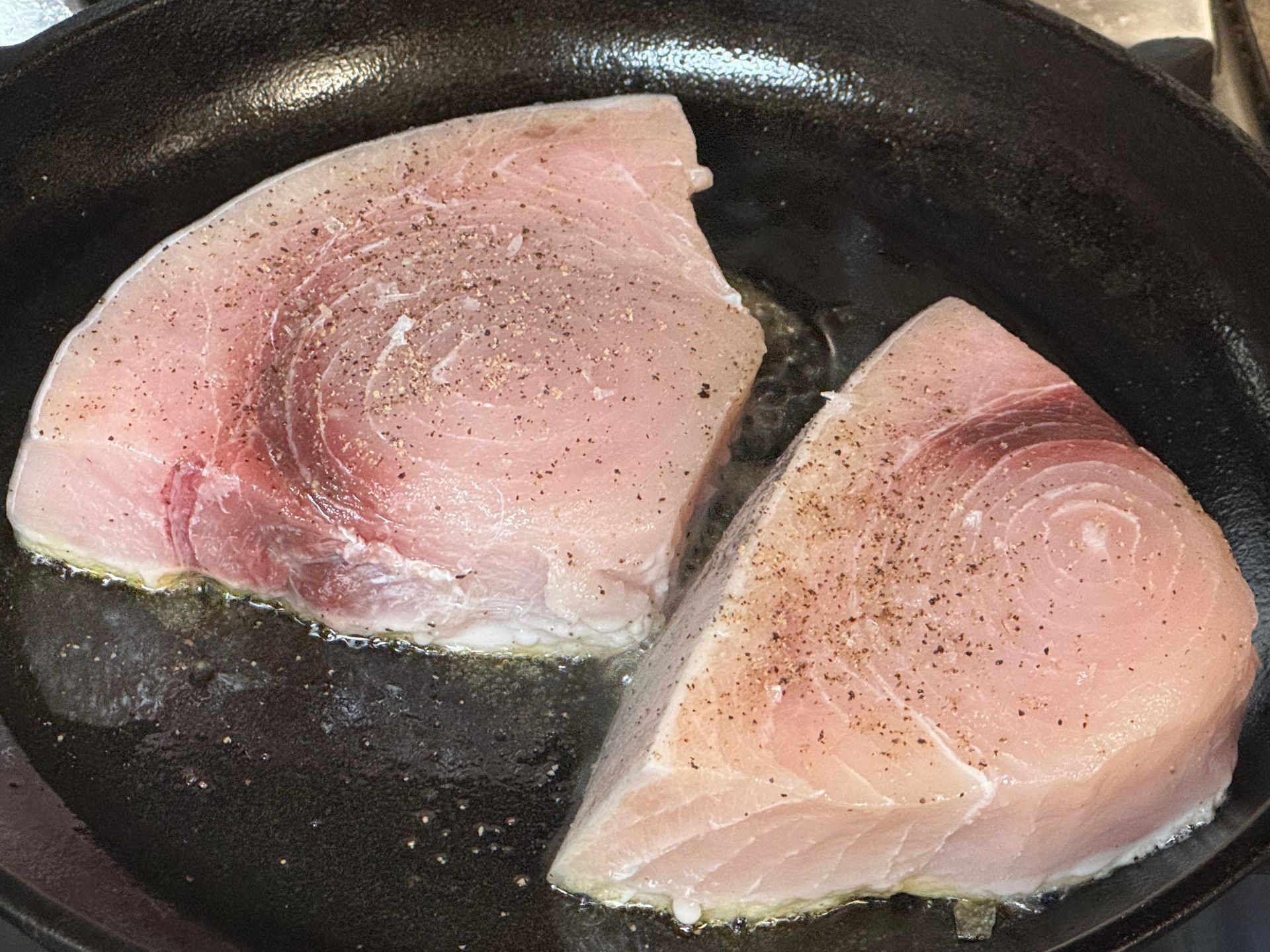
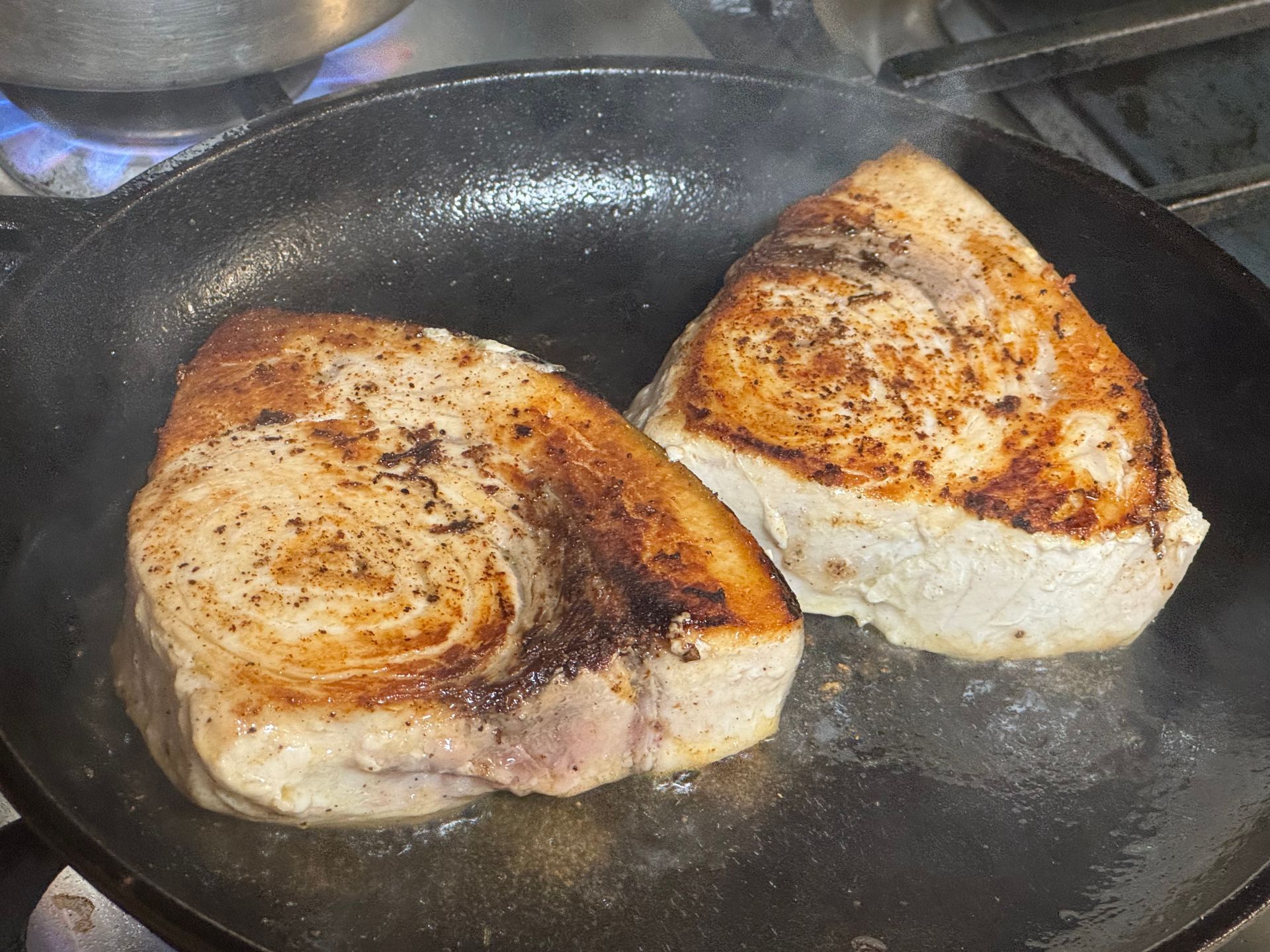
Step 1
Preheat the griddle pan for 20 minutes.
Season with salt, pepper, olive oil, lemon juice and herbs; let sit at room temperature for 10 minutes. We always grill proteins at room temperature (about 60-70 F)
Step 2 Grilling the Fish
Wipe or brush the preheated griddle pan with a small amount of oil to avoid sticking.
Place the seasoned fish steak on to a preheated griddle pan- Do not move, let the steak sear for 3 minutes, lift carefully with a spatula and rotate. Cook for 2 minutes more.
Place onto a plate to rest, top with compound butter.