
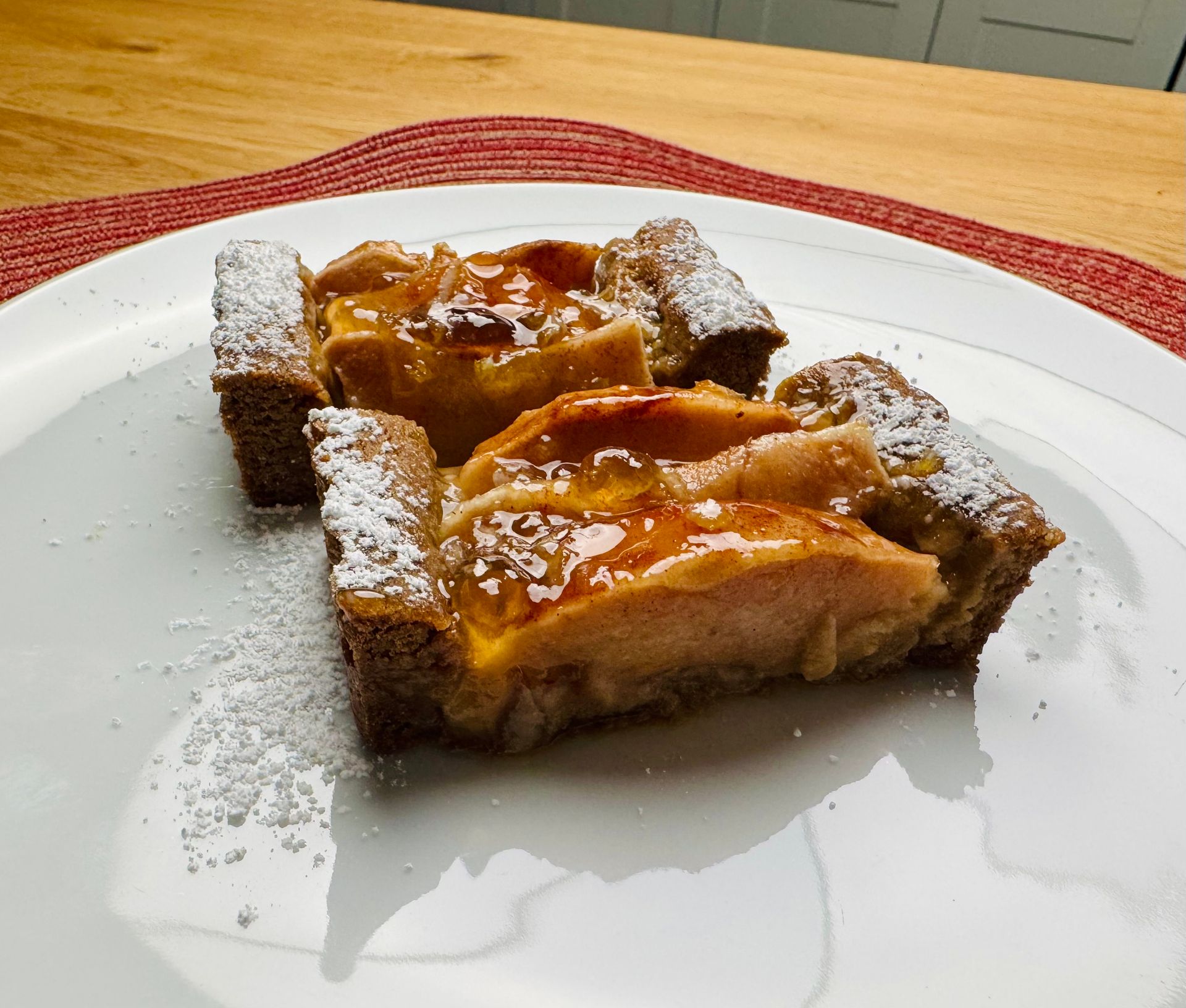
There is a large variety of Pears available to cook with. I remember peeling and poaching tiny, Seckel pears for garde manger presentations-challenging!
Pears, like apples vary widely in texture, flavor, and culinary performance, making selection an important step in recipe development.
Bartlett are juicy and great to eat ripe or for purees and sauces.
Bosc are a little more dense and good for cooking. Red and green Anjou are more versatile and can be eaten fresh in salads as well as cooked in baked goods or savory dishes.
Paring an Pear
Fresh pears are delicious!
Preparing and dicing apples and pears with precision ensures even cooking, nice presentation, and the best texture—whether you’re building a classic tart, a savory chutney, or a simple fruit garnish.
Pears are sweet and one of the highest-fiber fruits, especially when eaten with the skin. Insoluble and soluble fibers support healthy digestion, regulate blood sugar absorption, and promote satiety.
A medium pear delivers vitamins C and K, potassium, and small amounts of copper—all with relatively low caloric density. This makes pears ideal for balanced, nutrient-forward diets.
Prep Time: 6 min
Cooking Time:
Yield: 1 Cup
3 ea Pears rinsed and dried
How to peel a pear.
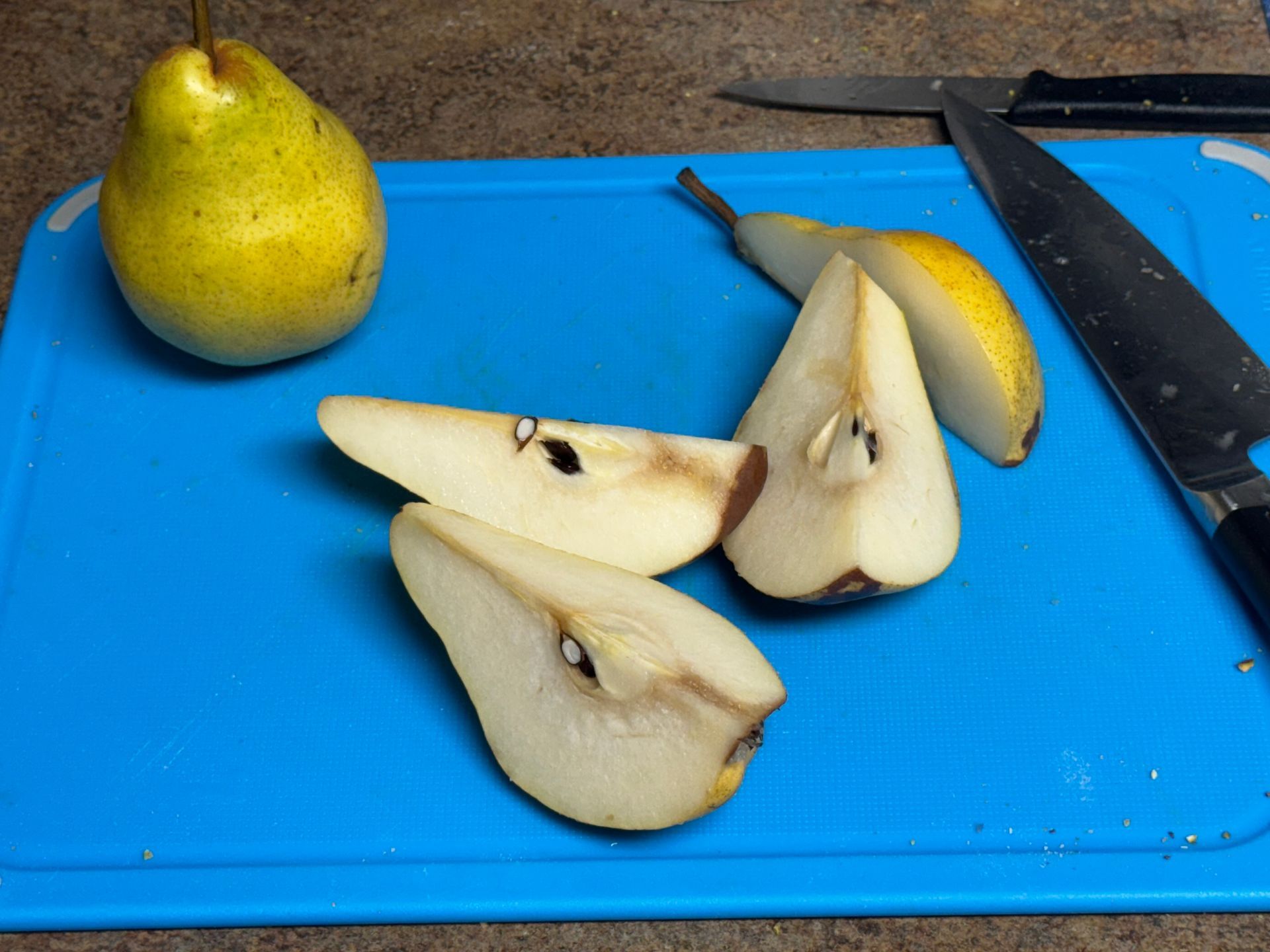
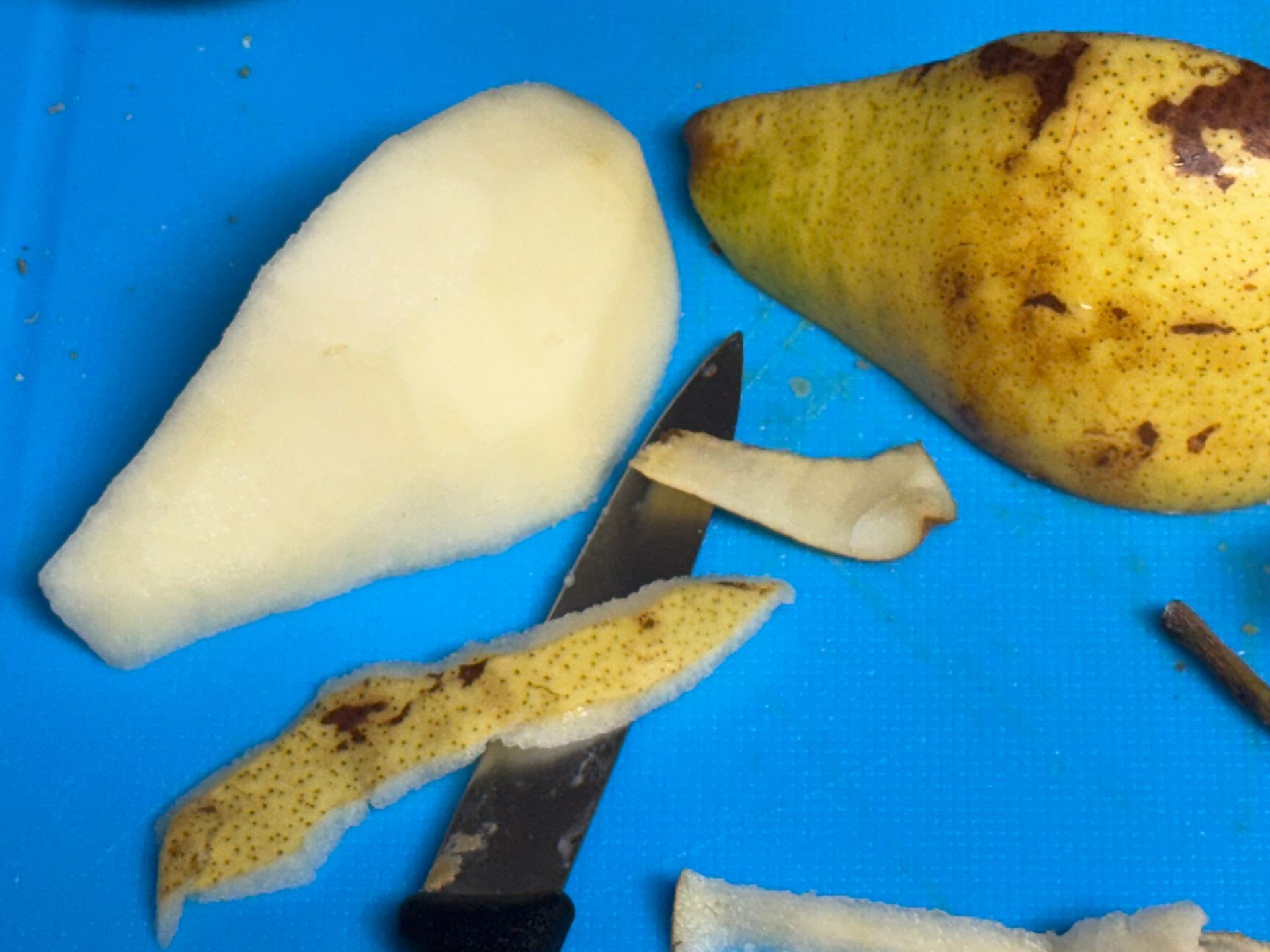
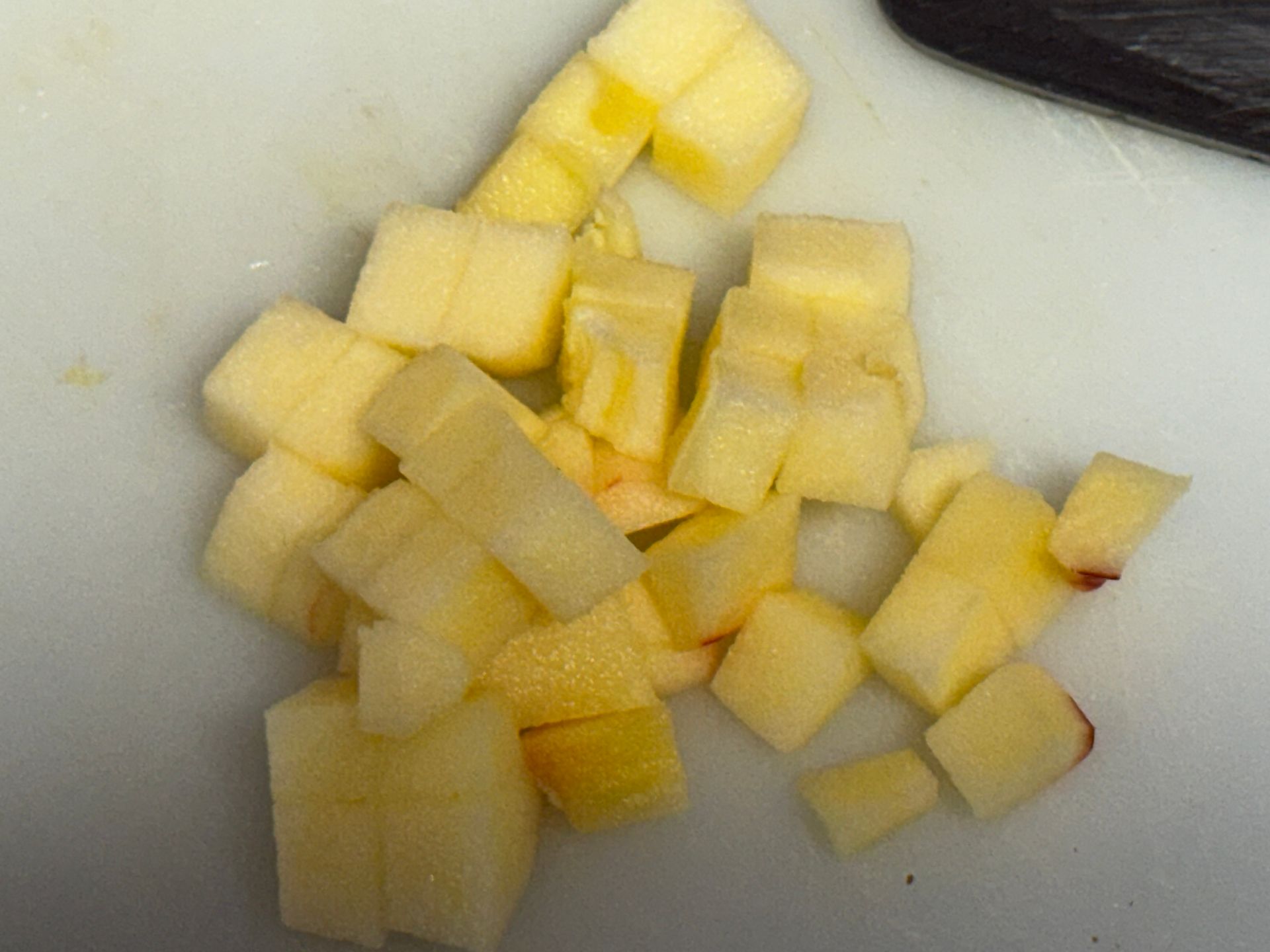
Paring Pears
When I peel and cut pears, I always use a sharp, paring knife. I prefer not to use a vegetable peeler since the fruit is soft and bruises.
I quarter the pear, and then pare out the pits and core.
Then peel the skin off. Pears tend to break easily if I peel first and then cut the core out.
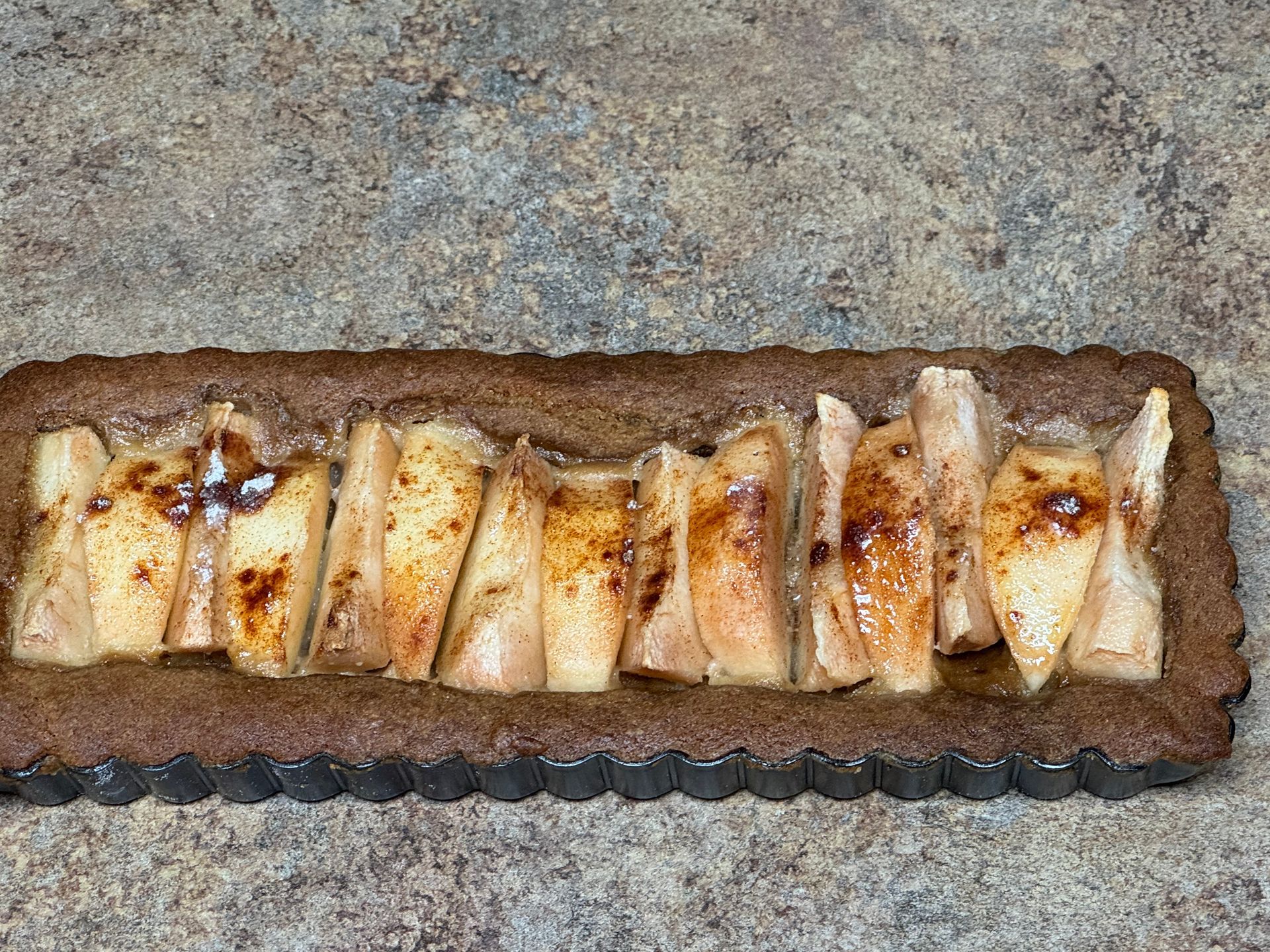
Next slice the pear into batons and finally dice or slice the long way as pictured below in the tart.
Squeeze a little lemon onto the pears so they don't brown if you aren't cooking them in a recipe.
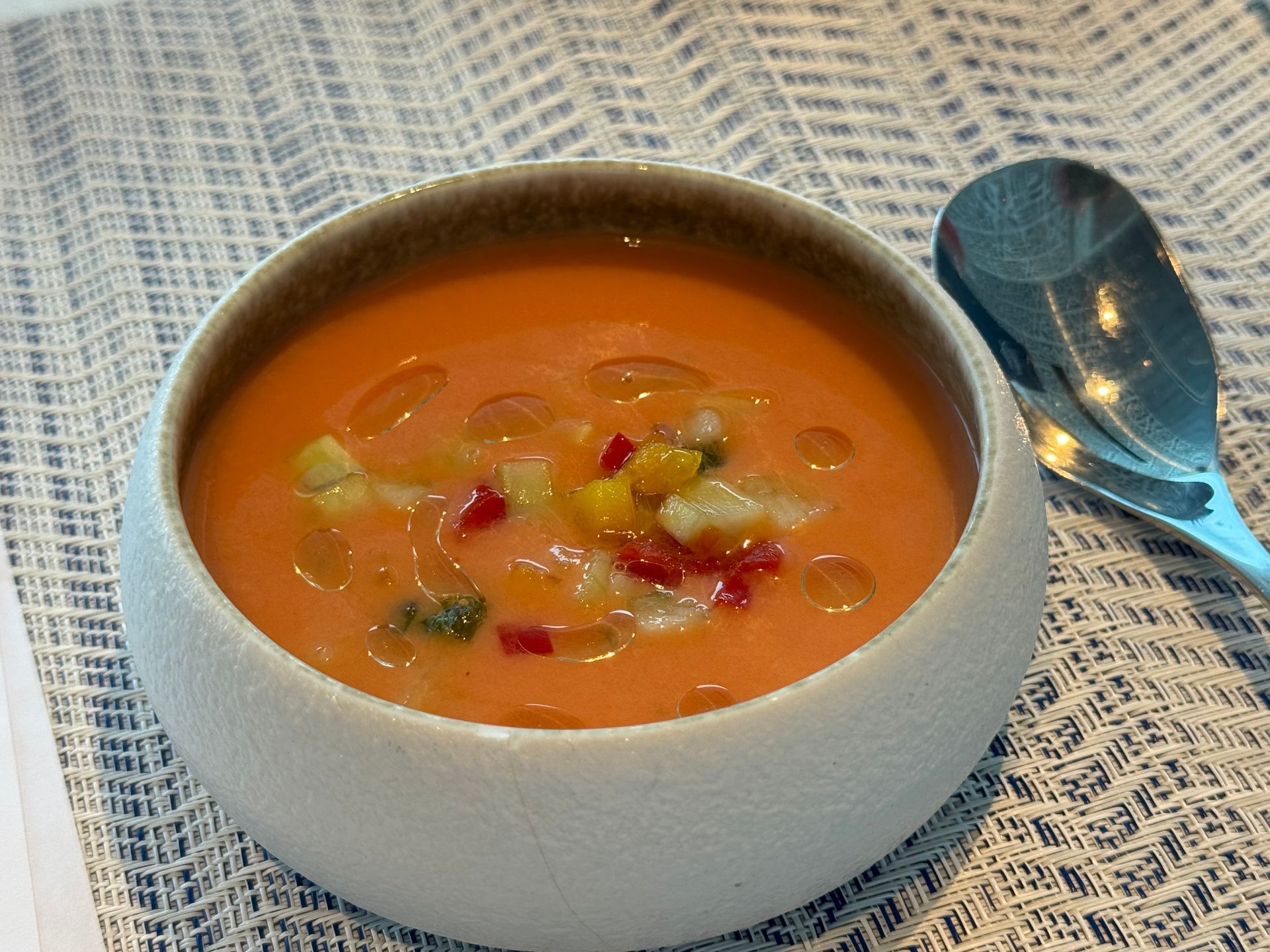
Chef Tom's Cooking Class Minute: Week 6 Gazpacho & Summer Tomatoes
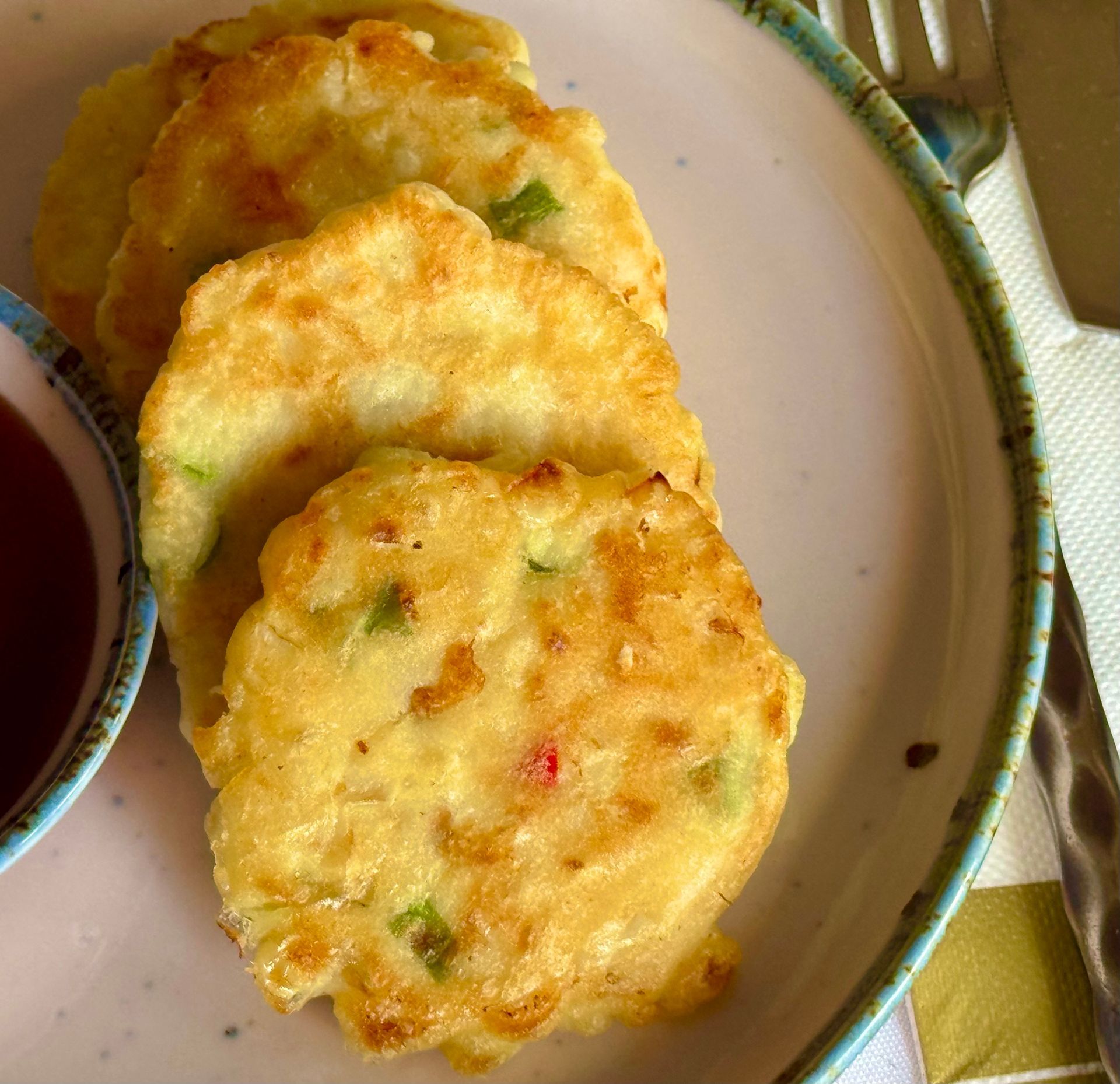
Chef Tom's Cooking Class Minute: Week 5 Summer Corn: Soup, Grill, Roast or Fritters?
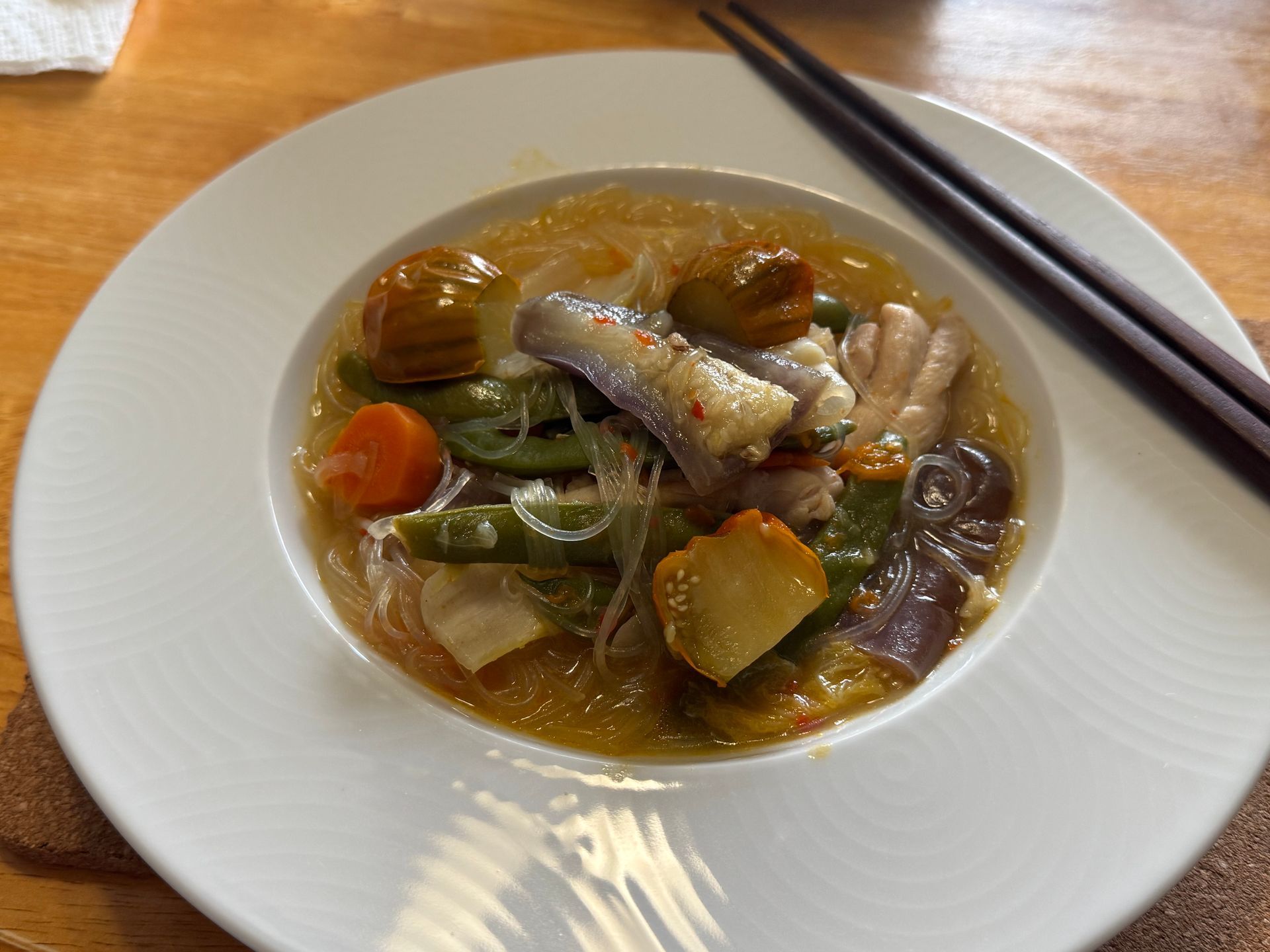
Chef Tom's Cooking Class Minute: Week 4 Cooking Summer Eggplant
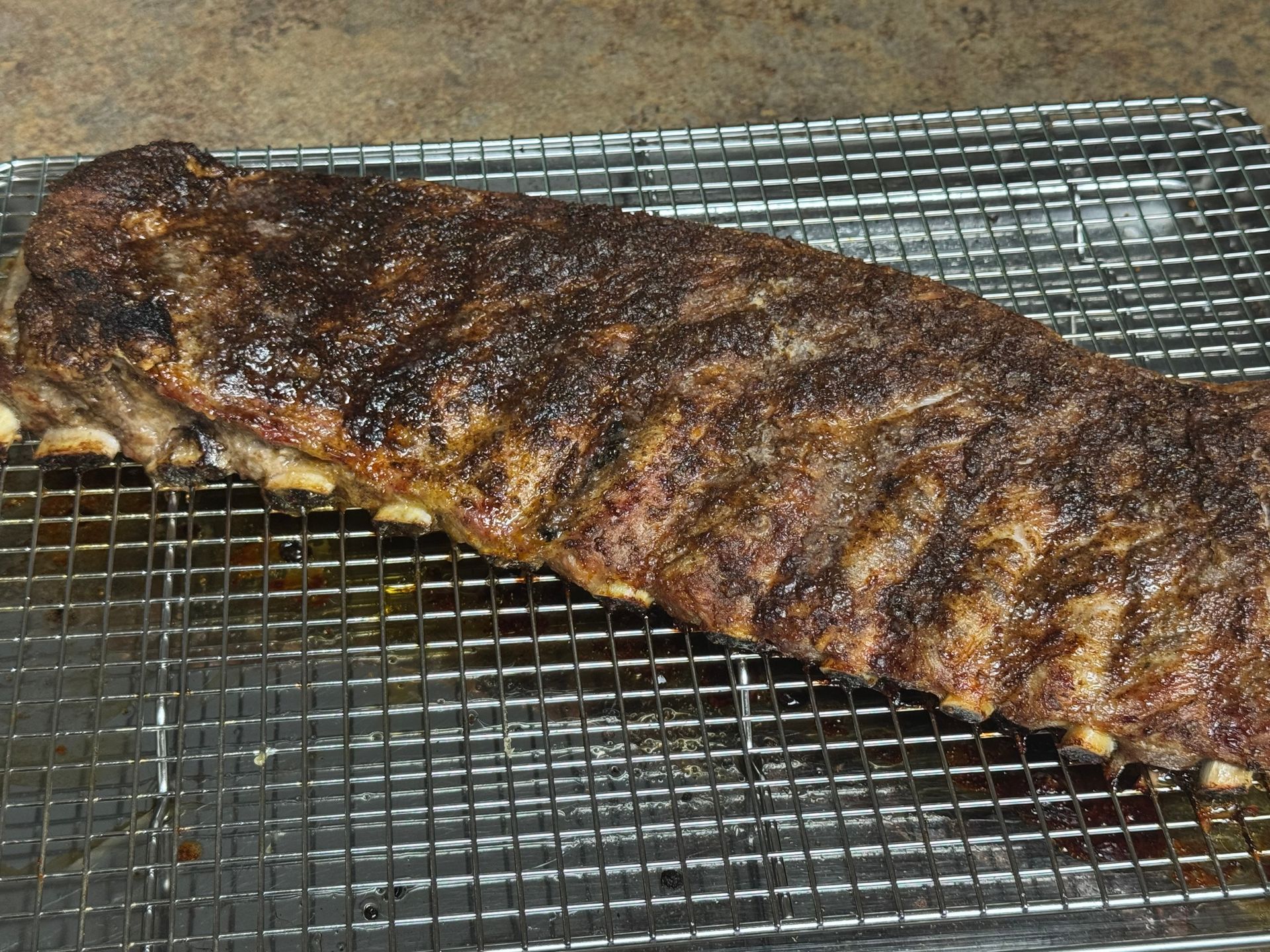
Chef Tom's Cooking Class Minute: Week 3 Cooking Pork Spare Ribs
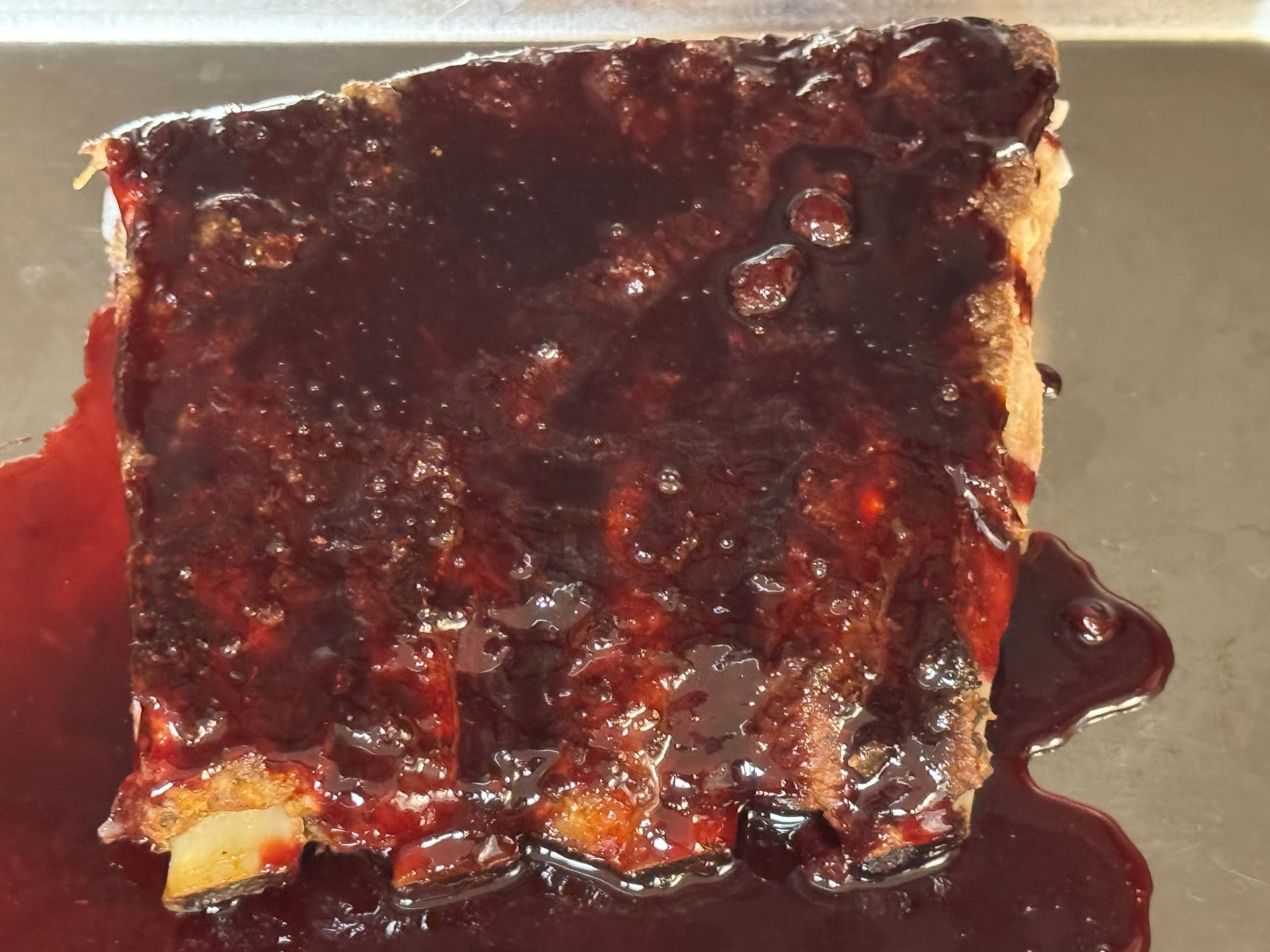
Years ago I traveled around the south for a few weeks researching some of the amazing foods of each region. In Charleston, I was introduced to a local pig farmer, Tank Jackson who manages Holy City Hogs. Tank and his wife raise heritage breed pigs and distribute the pigs around the country. He offers on-site cooking whole pig roasts, primal cuts and sausages, and I believe he produces the best pork in the country.
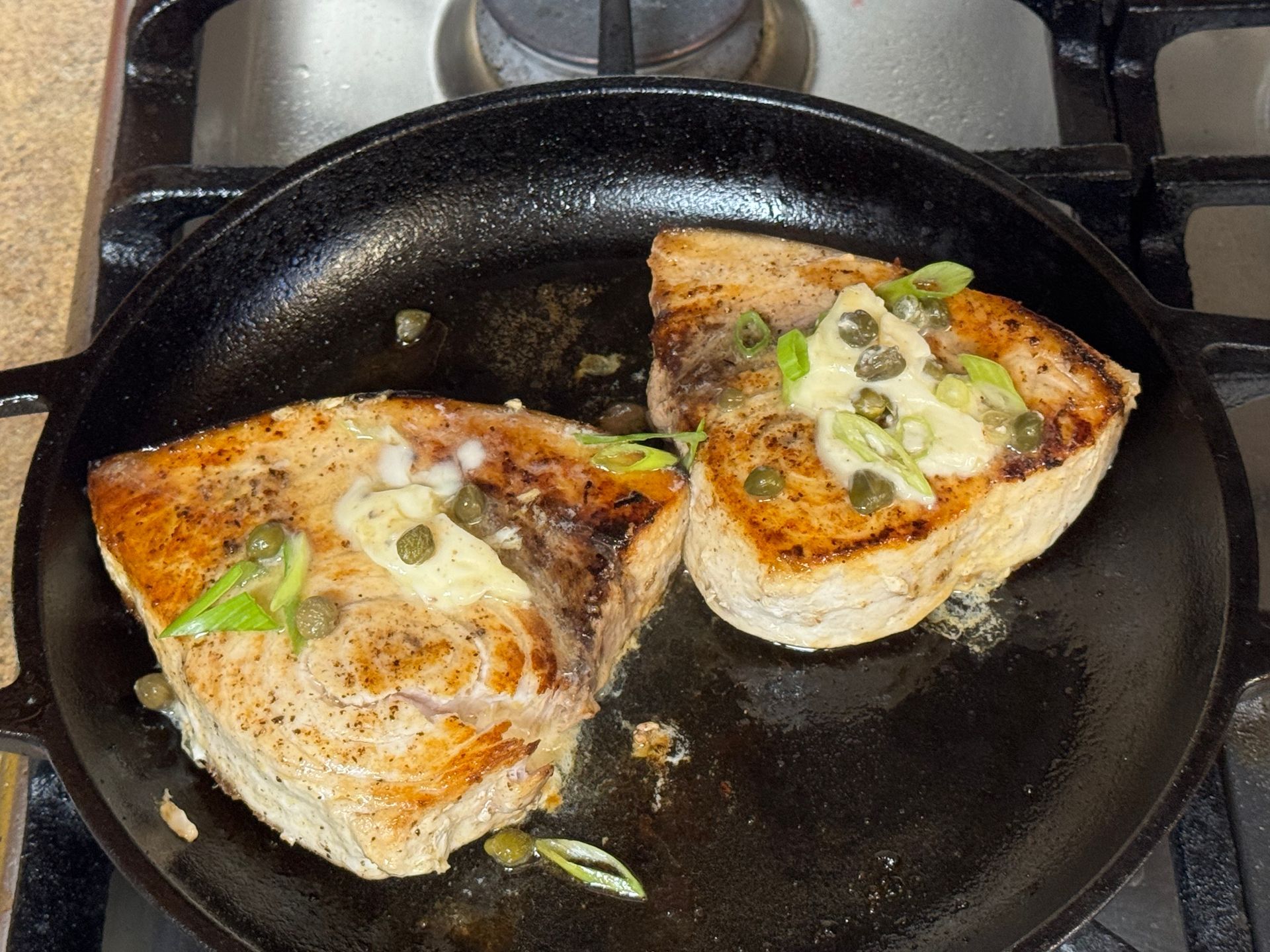
Years ago, while working as a chef in a busy continental restaurant, we featured grilled, fresh swordfish on the menu—finished with a generous spoonful of herbed compound butter and capers. It was popular and delicious. One afternoon, a seafood purveyor stopped by with a sample of frozen swordfish steaks, fully thawed and ready for evaluation. Curious, we grilled it side by side with the “fresh” swordfish we had been serving—fish we believed to be of high quality. The result was surprising. The frozen swordfish was superior—firmer, cleaner in flavor, and more consistent in texture. In contrast, our “fresh” fish, likely several days out of the water, lacked the same integrity. It was a defining moment and an important reminder: in many cases, properly handled and quickly frozen seafood can offer better quality than fish labeled as fresh. For chefs, understanding sourcing and handling is just as critical as technique—especially with a product as prized as swordfish.
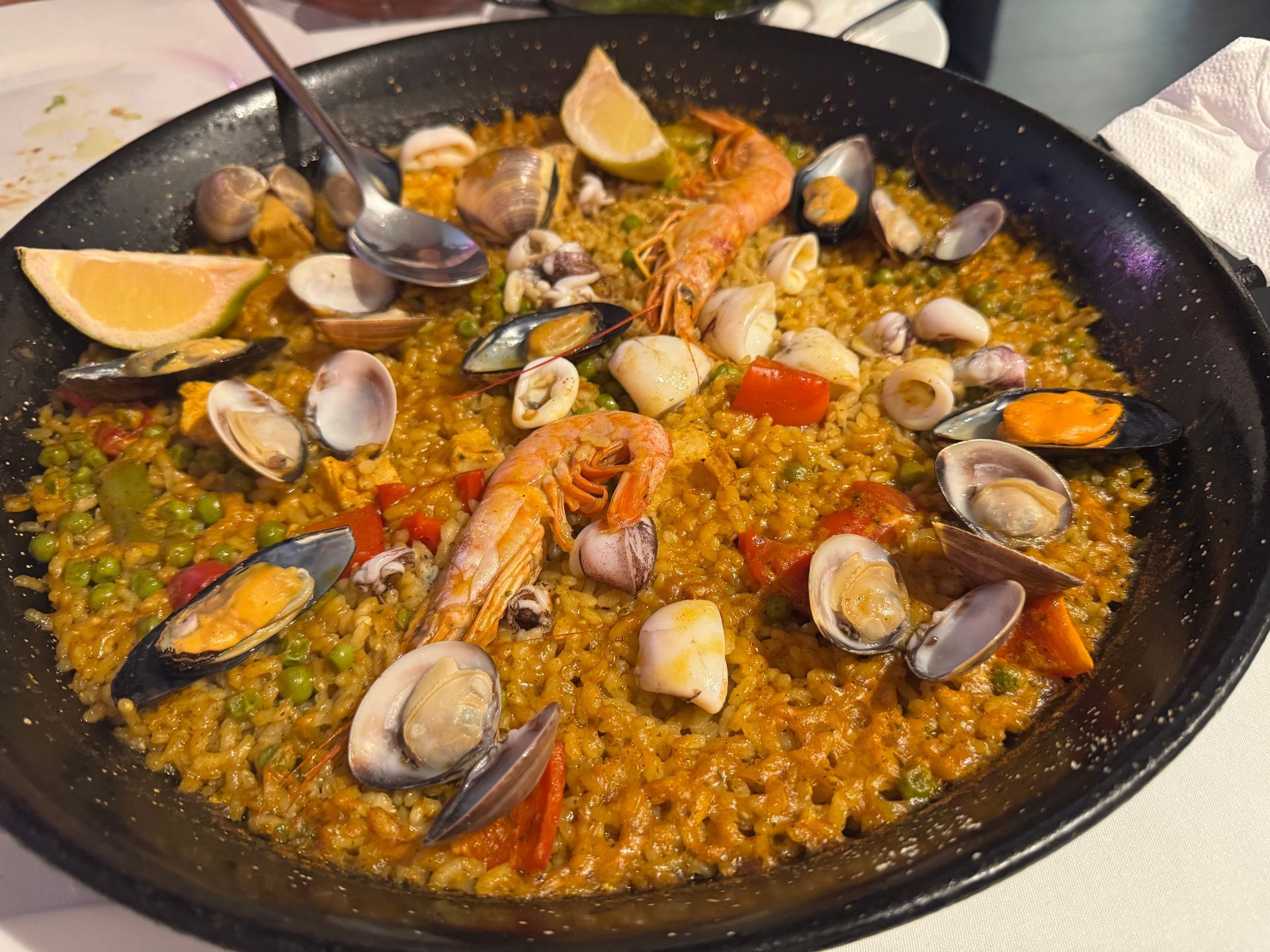
Chef Tom's Cooking Class Minute: Week 2 Cooking Rice: creating socarrat—
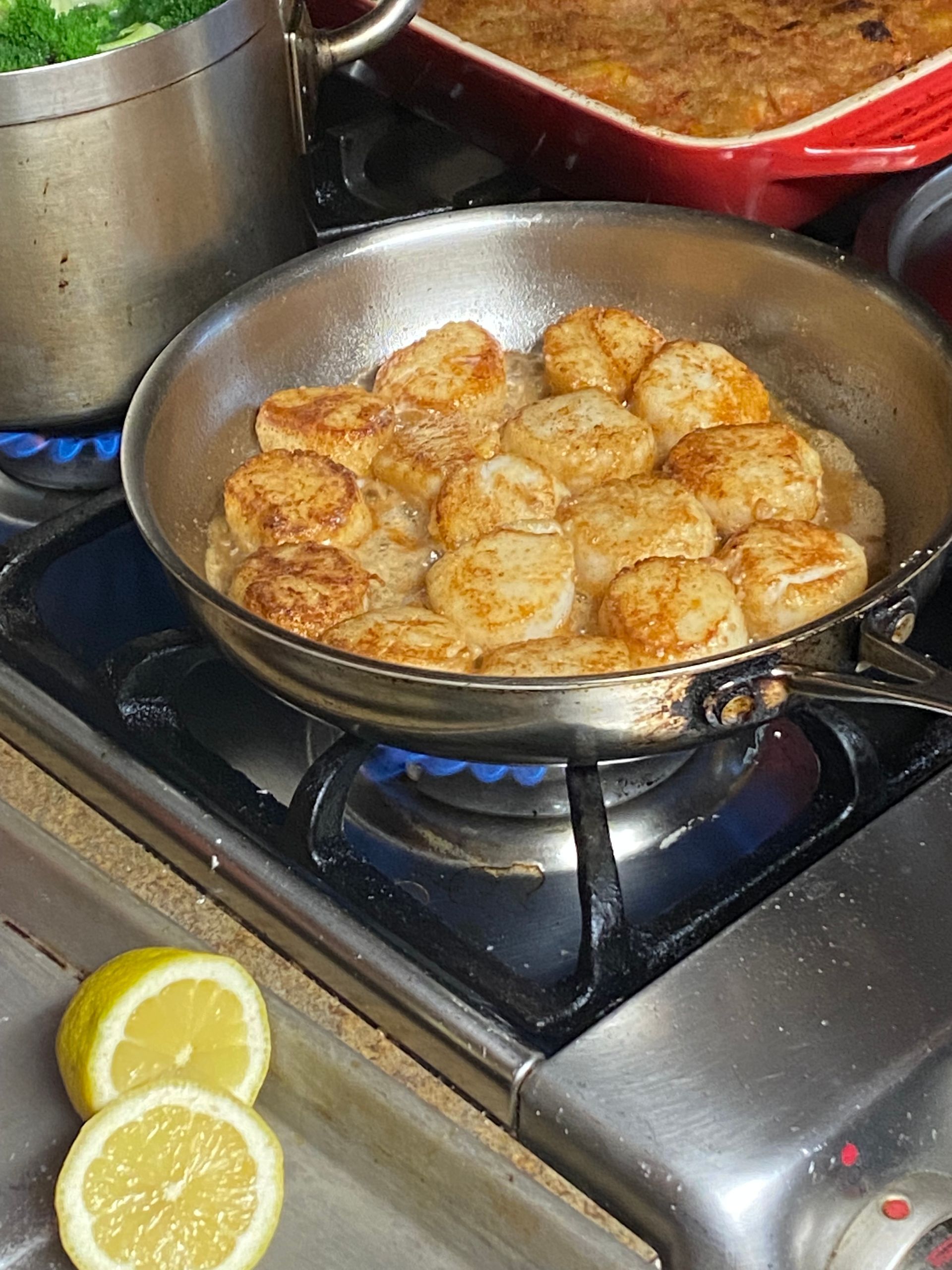
Chef Tom's Cooking Class Minute: Week 1 The Biggest Mistake People Make When Cooking Scallops
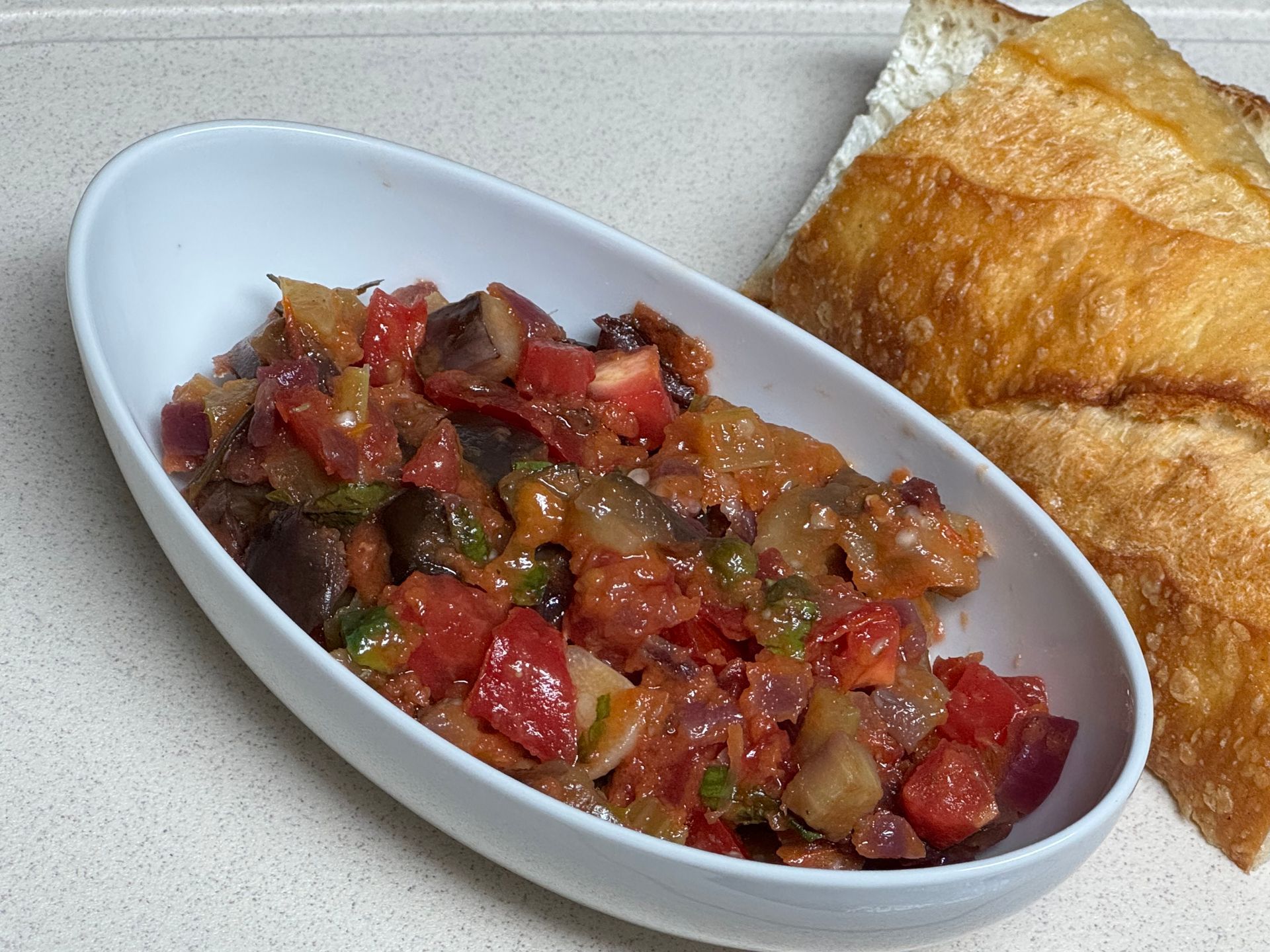
The name "caponata" itself has a fascinating origin story. One popular theory suggests it derives from capone, the Sicilian word for mahi-mahi. Historically, wealthy Sicilian aristocrats enjoyed a sweet-and-sour fish dish. Because seafood was too expensive for the working class, local home cooks substituted fish with affordable, meaty eggplant. Over time, this creative peasant food evolved into the beloved antipasto we celebrate today, often rounded out with celery, olives, and capers.
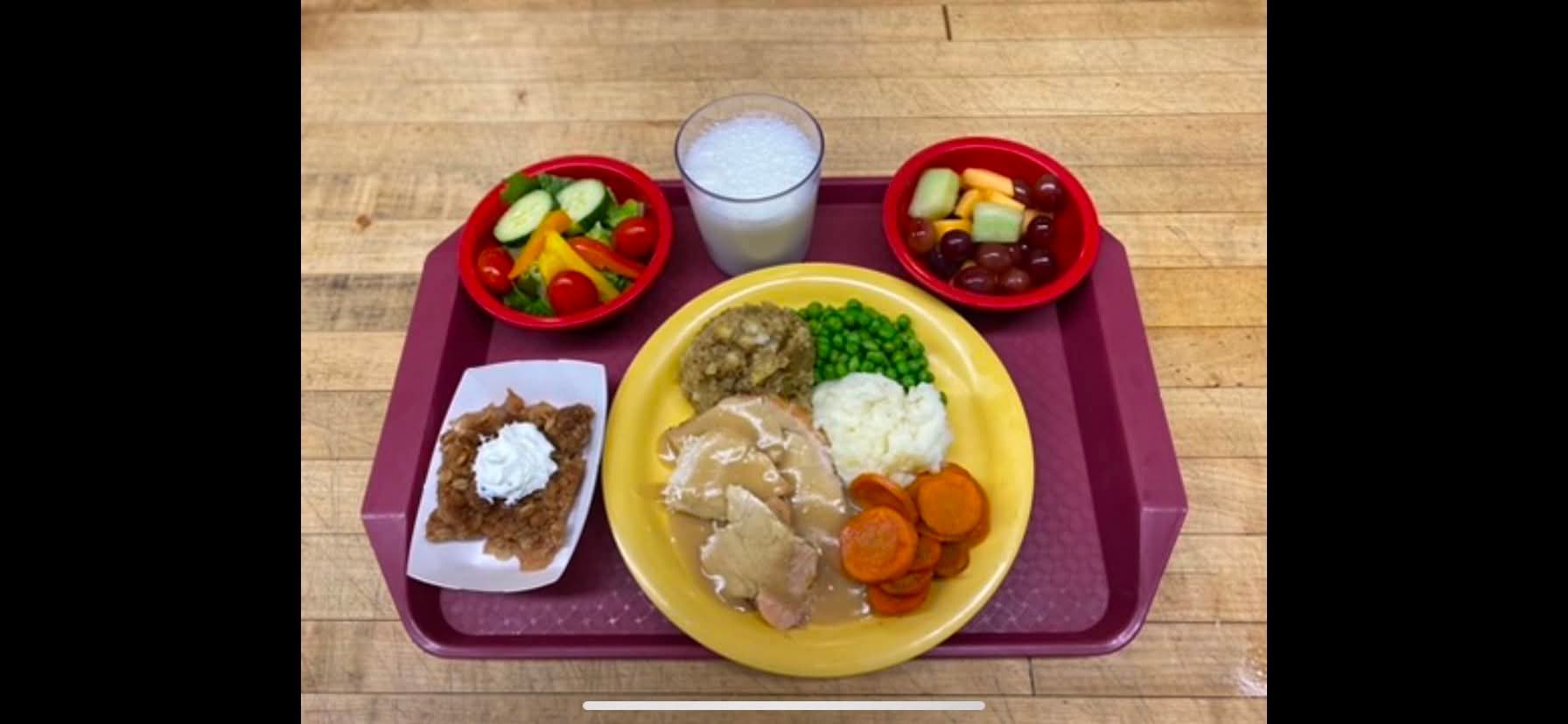
From Talk to Action: A Chef’s Challenge for School Lunches