Mastering Food Cost Management Without Compromising Quality

Food costs are rising. Margins are tight. And still, we’re expected to prepare delicious food, oh and by the way… make a profit*. It’s a tough spot—and if you’re feeling that pressure, you’re not alone.
I’ve spent decades inside kitchens and alongside entrepreneurs who pour everything they’ve got into their food. I've seen the pride in a well-executed dish, and I’ve also seen what happens when financials don’t keep pace with flavor. For many operators, this tension between creativity and control becomes a daily tug-of-war.
Here’s the truth: Whether you're running a kitchen or building a food brand from scratch, managing food costs isn't optional—it’s foundational. Get it wrong, and profitability slips through your fingers. Get it right, and you unlock the freedom to invest in what really matters: better ingredients, better equipment, better people.
In this article, I’ll share the strategies I’ve used to help restaurants and food businesses keep food costs in check—without taking the soul out of the plate.
Understanding Your True Food Costs
You Can’t Fix What You Don’t Measure
If you’re not tracking your food costs with precision, you’re leaving money on the table. The numbers don’t lie—but they only speak if you’re looking at the right ones.
Every operation should know their target food cost percentage. For most restaurants, that sweet spot falls somewhere between 28% and 35%, but it depends on your concept. A fast-casual kitchen and a high-end tasting menu are playing two different games. What matters most is knowing what percentage works for your model—and building your pricing and portions around it.
To get there, you need a clean, basic formula:
(Beginning Inventory + Purchases – Ending Inventory) ÷ Food Sales = Food Cost %
It sounds simple enough, but the details trip people up. One of the most common problems I see is recipe costing sheets that haven’t been touched in months—or never existed at all. Many people I consult for contact me when they realize they are losing money, regularly! They simply never found the time to document their costs. Some felt they had the experience to a create pricing without knowing cost or simply guessed what the market would support.
Without these, you're flying blind. A well-built sheet includes the current price of every ingredient, accurate yields, and exact portion sizes. It's not a one-time setup—it’s a living document.
Another blind spot? Ignoring yield loss. That gorgeous brisket doesn’t deliver 100% after trimming and cooking. If you’re pricing based on raw weight, you’re undercutting your margins before the dish even leaves the pass.
And let’s talk about portions. If you haven’t dialed in consistency, your math means nothing. Whether it’s a line cook in a rush or someone eyeballing instead of using a scoop or a scale, those little overages add up fast. One extra ounce of protein per plate might not sound like much, but multiply that by every order, every shift, every week—and it becomes a problem. I remember studying food cost at the CIA and one thing really resonated, you can’t take a percent to the bank. Let’s say you have a popular chicken breast entrée that has a 30% food cost. The chicken meal costs $4.00 to prepare and you sell it for $14.00 so it’s a $10.00 profit each time you sell a chicken dinner. You have a strip loin steak meal which has a 34% food cost and this meal costs $6.00 to prepare. But… you sell the steak dinner for $18.00 and the profit is $12.00. The food cost for the steak is higher but you make more money selling the steak dinner. I imagine the labor is also lower, especially if you purchase portioned steaks.
Pro tip: Focus on your top sellers. These dishes move the most volume, so even small inaccuracies can have an outsized impact. Audit them regularly. Make it part of your monthly rhythm.
Design Your Menu to Work Smarter, Not Just Look Pretty
Too often, I see menus built for ego, not for performance. Dishes that sound good but don’t sell. Items that sell well but drain the kitchen or kill the margin. Menu engineering is about cutting through all of that. It’s not about being flashy—it’s about being focused.
I remember cross training to instruct at one of the CIA restaurants years ago. The chef instructor served a delicious, Asian spring roll, filled with poached lobster, mango, avocado, mint, cilantro and noodles-it was fantastic! It was labor intensive but when I took over I put it on the regular menu… ‘that ego thing I just mentioned’. We prepared mise en place for a dozen spring rolls on the first day and then scrambled to mise en place twenty more! This meant having to poach and clean lobsters, cut mango and avocado, etc. putting my kitchen in the weeds! I quickly learned my lesson about working smarter.
Every dish should pull its weight. That means it needs to be evaluated for two things: profitability and popularity. Years ago, I learned to sort menu items into four buckets:
- Stars: High-profit, high-appeal. Feature them prominently.
- Plow Horses: They sell well, but don’t earn much. Look for portion or pricing tweaks.
- Puzzles: Great margins but low demand. These need marketing love or a rework.
- Dogs: They don’t perform and they don’t pay. Time to cut them loose.
Another trap I see often is building a menu the kitchen can’t handle. If your grill is already maxed out on Friday nights, adding another grilled item only slows everything down. Instead, design the menu around the kitchen’s capabilities. An example is preparing a popular braised meal such as braised veal shanks or short ribs. It’s much easier to braise twenty or thirty portions of a protein hours before the busy ‘customer rush’ than to cook the same amount to order. And braised foods are delicious, popular and very forgiving!
The hope is that customers will order food from different stations and not bog down one station. For example, if a table of 10 all ordered hot soup from the soup station or salad from the garde manger/pantry station, it would slow service down.
And remember: your menu isn’t fixed. It should evolve with what’s working, what’s selling, and what your team can execute reliably. I always recommend a regular review—at least quarterly—to assess item performance, ingredient costs, and team feedback. Your line cooks and servers often know what’s dragging or what’s getting sent back. Use that intel.
Smarter Sourcing & Inventory Management
You can’t control food costs if you don’t control what comes through the back door. Many cost issues start before a single dish is prepped—at delivery, receiving, and inventory. That’s where small leaks turn into real losses.
First, let’s talk about supplier relationships. If you're only ordering out of habit, you’re missing opportunities. Build real connections with your reps. Compare prices across vendors. Ask about off-cuts, house brands, and seasonal deals. The more you know, the more leverage you have.
Don’t be afraid to negotiate. Suppliers understand the pressures operators face, especially now. If you can commit to consistent volume or flexible delivery windows, there’s often room for cost breaks or extras that help your numbers.
One of the most underused cost controls? Buying what’s in season. When product is at its peak, it’s more abundant, better priced, and tastes the way it should. If you’re using asparagus or strawberries in winter, you’re paying too much and getting too little. Align your menu with the calendar, and you’ll not only cut costs—you’ll offer something guests value: freshness.
Consistency is the Unsung Hero of Profitability
It doesn’t matter how well you’ve priced a meal if your team changes the recipe or portion size on different shifts. Inconsistent portions are one of the fastest ways to chip away at your profit—quietly and constantly.
The fix? Tools, discipline, training, and clarity.
Let’s start with the tools. Every station should have the right scoops, ladles, scales, and containers for the job. Not suggestions—standards. A four-ounce scoop means four ounces, every time. A digital scale beats eyeballing portions.
And yes, the guest experience matters here too. If a regular customer comes in and sees a different portion than they had last week, it creates doubt. They might not say anything—but they notice.
That brings us to training. Most kitchens do a good job at onboarding. But what about two months later? Six months? People forget. Staff turns over. Bad habits creep in. It’s not enough to show someone once and hope it sticks.
Retraining should be part of your rhythm. Quick refreshers before service. A five-minute focus during pre-shift. Keep expectations visible and current.
Here’s where visuals help. In addition to recipes, laminated photos of what the finished plate should look like or a step-by-step videos of preparing each meal takes the guesswork out of the process.
Consistency in the kitchen is one of those quiet advantages that separates strong operators from the rest. It’s not flashy—but it works.
Creativity in the Kitchen Isn’t Just for Plating
Reducing waste doesn’t mean cutting corners. It means making the most of what you’ve already paid for.
Start with trim. Onion, celery, carrot trim are ingredients for stocks. Chicken and beef bones get used in stocks and broths. These aren’t scraps—they’re ingredients, as long as you’re thinking ahead. But let’s agree, these ingredients also need to be measured as you would measure any ingredient for a recipe. I am not suggesting setting up a stock pot and the cooks simply toss trim into it. And I’ve seen this too frequently.
Years ago I served a popular, vegetarian black bean soup for lunch at the CIA. It was garnished with small, perfectly cut dices of cooked red and yellow peppers. I noticed there was usually more pepper trim than garnish. It made sense to me to use the trim from the peppers, onions, garlic to create a vegetable stock to cook the black beans for the soup. I wouldn’t consider using a basic vegetable stock (possibly carrot, celery, onion, cabbage, mushroom) for a Latin American inspired flavor. That was a creative way to minimize waste and deliver a delicious dining experience for my customers.
Cross-utilization is another strong move. A single ingredient like cauliflower can be used in a variety of ways:
- Roasted cauliflower steak as a main course
- Smooth cauliflower puree or Cream of Cauliflower Soup from the cauliflower trim
- Pickled cauliflower florets as a garnish
- Cauliflower rice for a low-carb side
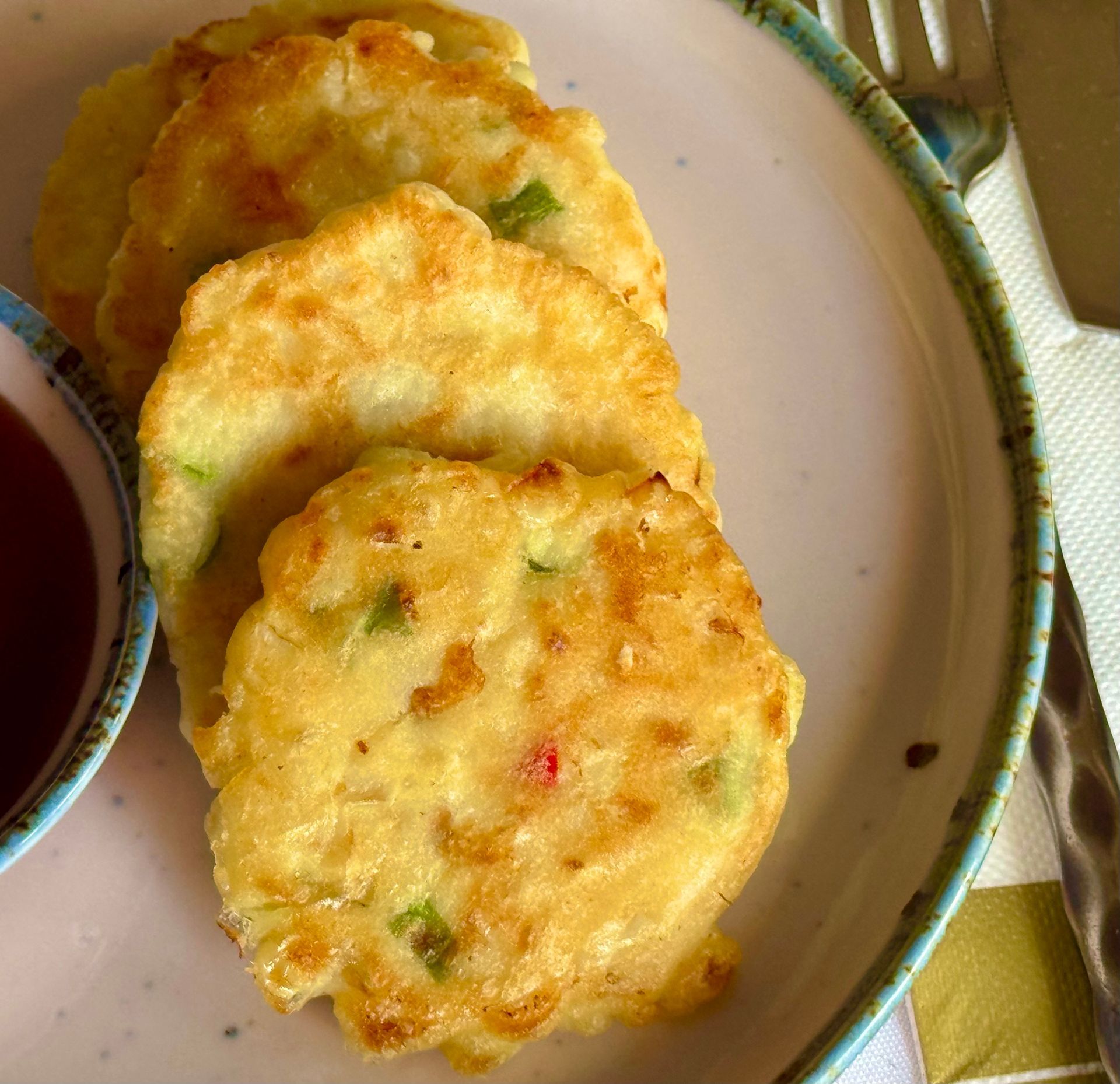
- Crispy cauliflower fritters as an appetizer
It’s Not Just About Math—It’s About Mindset
There’s a shift happening in how we talk about food cost. It’s no longer just a number you review after the fact. It’s a way of thinking—one that touches every part of how you manage your business.
Managing cost properly gives you the room to invest in quality where it counts—whether it’s better cuts of meat or house baked breads. Customers may not see your numbers, but they notice quality.
There’s also something to be said for planned margin trade-offs. Maybe your signature burger runs a little lean on profit, but it pulls in more traffic and opens the door for high-margin add-ons like cocktails or desserts. It simply may make sense to have a few, amazing signature items to attract loyal customers.
For delivery-focused brands, cost control looks a bit different. Packaging is extremely important and now plays a bigger role in the overall cost of goods as well as customer perception. That compostable clamshell might look sharp, but it needs to be accounted for just like the sauce inside it. The goal is to find that balance—presentation that travels well without eating into your earnings.
Profitability Without Compromise
Controlling food cost is not about optimization and it certainly is not about lowering quality. It’s about sharpening your process. It’s about knowing where the waste lives, where the margin hides, and where your operation can work cleaner and leaner—without losing what makes your food delicious and special.
Many businesses hire me to improve their food. Often times, while improving the recipe I find large, unintended cost savings simply by auditing recipes and limiting unnecessary or excessive ingredients. It goes back to my earlier comments about ego… many food developers, cooks and chefs simply have the need to put their own, special twist on a recipe. The recipe is already great but they have to add that special touch, which cuts in to profit and does not add value.
I’ve helped teams find money in their menus, clarity in their systems, and confidence in their pricing. And the results stick—because they’re built on real-world logic and a shared goal of serving better food, more sustainably.
If you’re ready to take a closer look at your margins and your menu, I’d love to help.