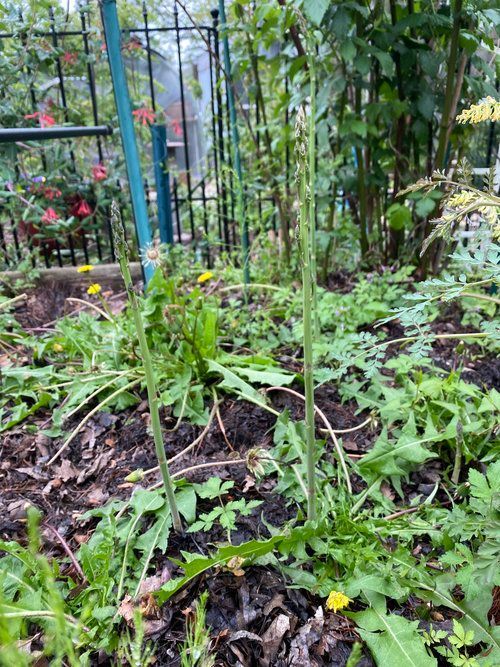
Each spring, I look forward to seeing colorful tulips, crocuses and hyacinths in my garden, and the first spears of asparagus pushing up through the soil in. I’ve had an asparagus bed for over 15 years now, and it continues to produce the most delicious, juicy asparagus I’ve ever tasted.

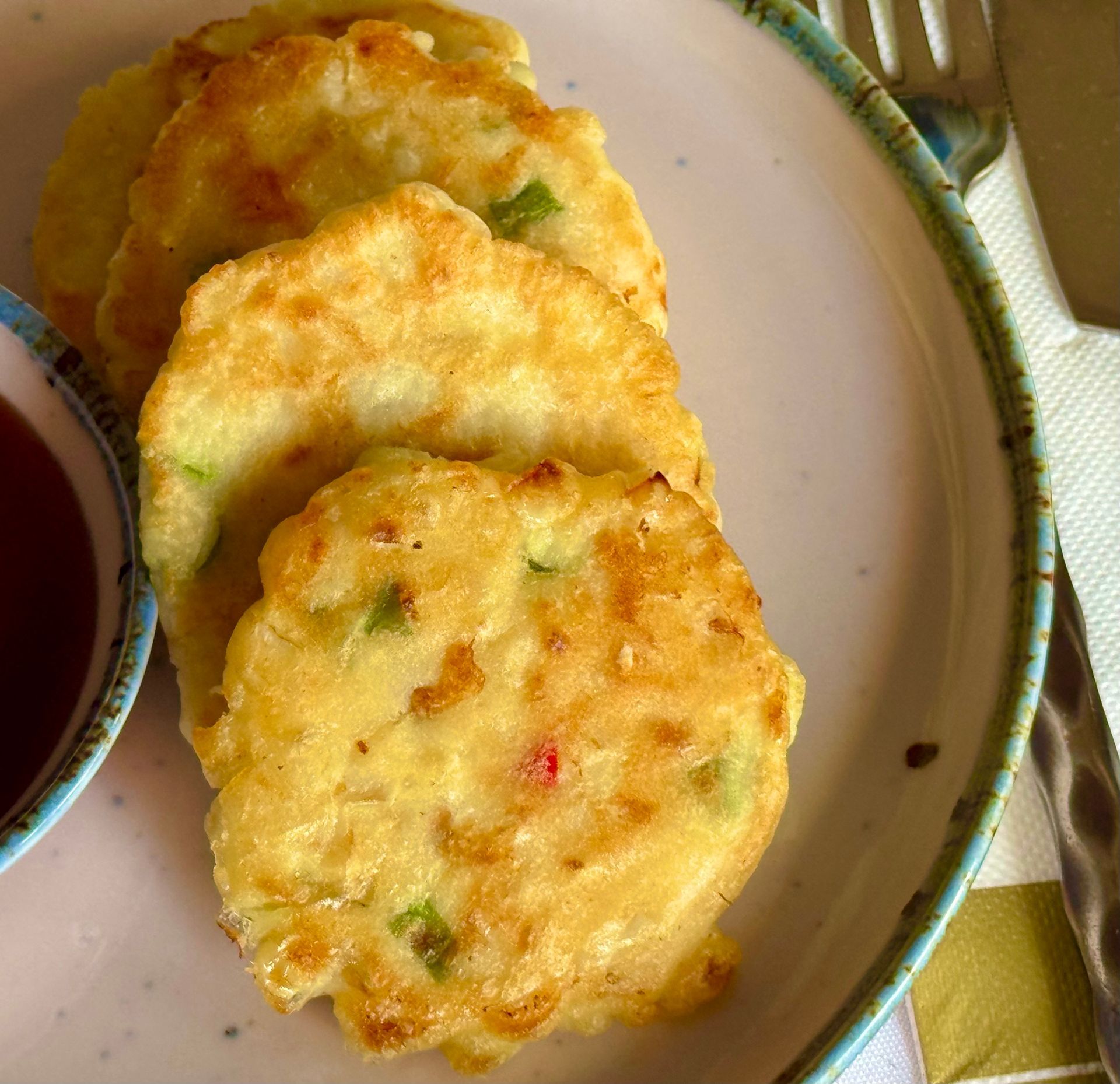
I love to slice the asparagus for salads and omelettes or grill them with lamb but my favorite asparagus recipe is fritters! I prepare a simple batter. add fresh herbs from the garden and shaved Italian cheese-then simply prepare like small pancakes. Fantastic with Prosecco or Cava!
Green Asparagus

I love cooking with the seasons-Summer tomatoes and corn, Autumn apples and pumpkins and strawberries and asparagus in the spring. 

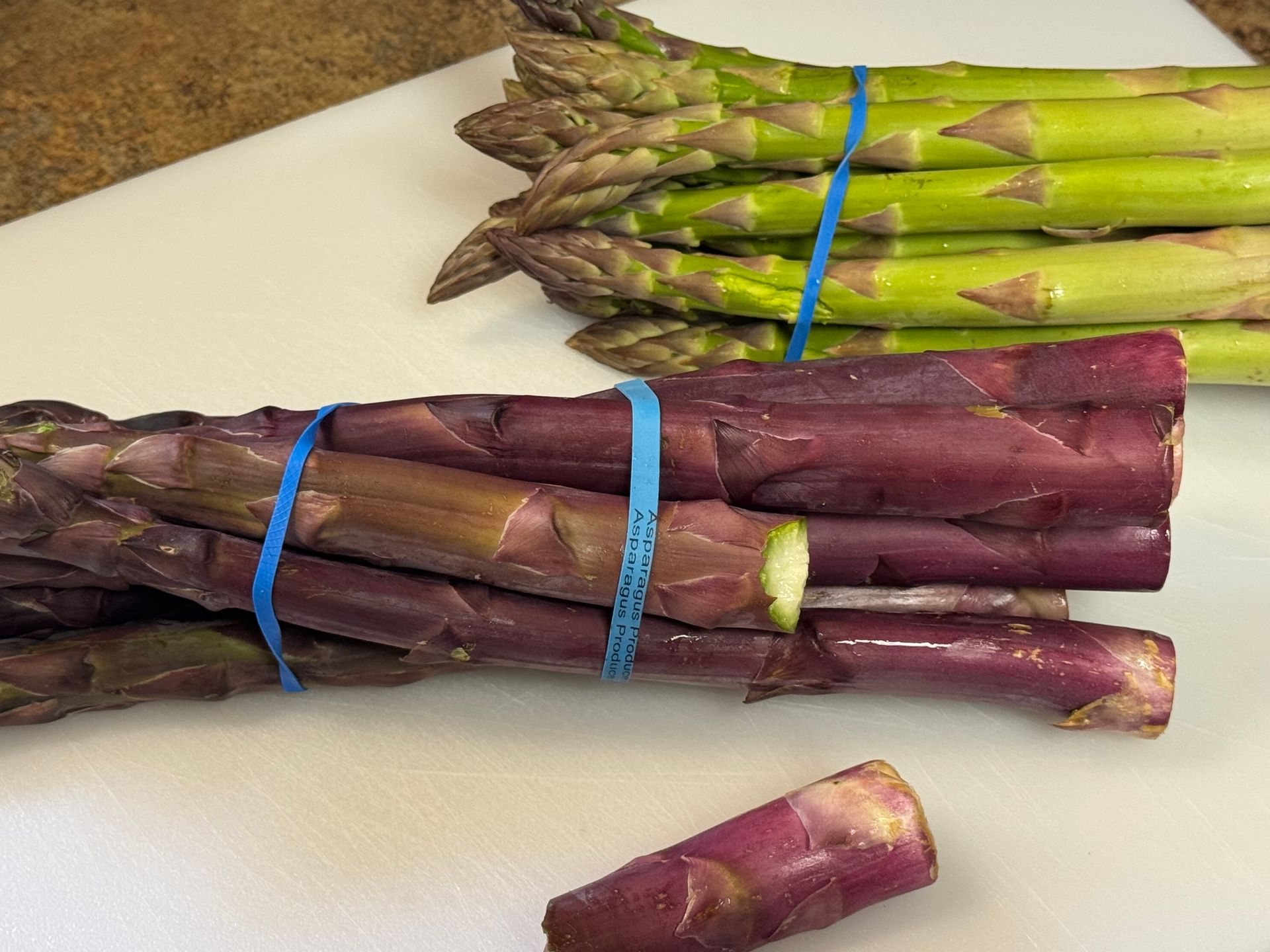
Asparagus are available in a range of sizes—from thin, pencil-like spears to larger, fat and juicy stalks—and in green, white, and even purple varieties, asparagus offers versatility both in flavor, color and technique.

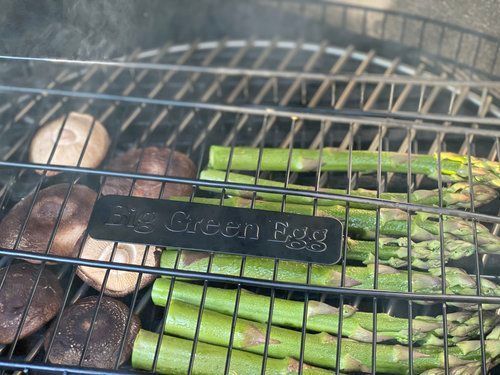
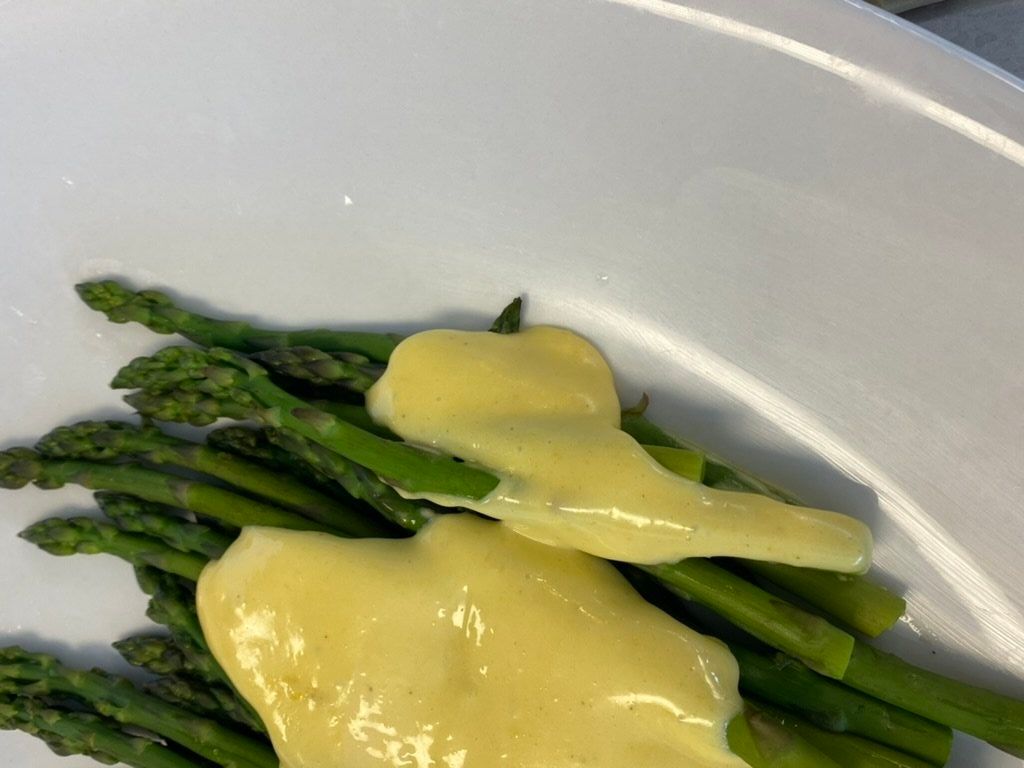
From a culinary standpoint, the preparation defines the result. Roasting or grilling asparagus concentrates flavor and enhances natural sweetness. Steaming or boiling asparagus give a delicious, juicy flavor which is great with a vinaigrette or Hollandaise sauce.

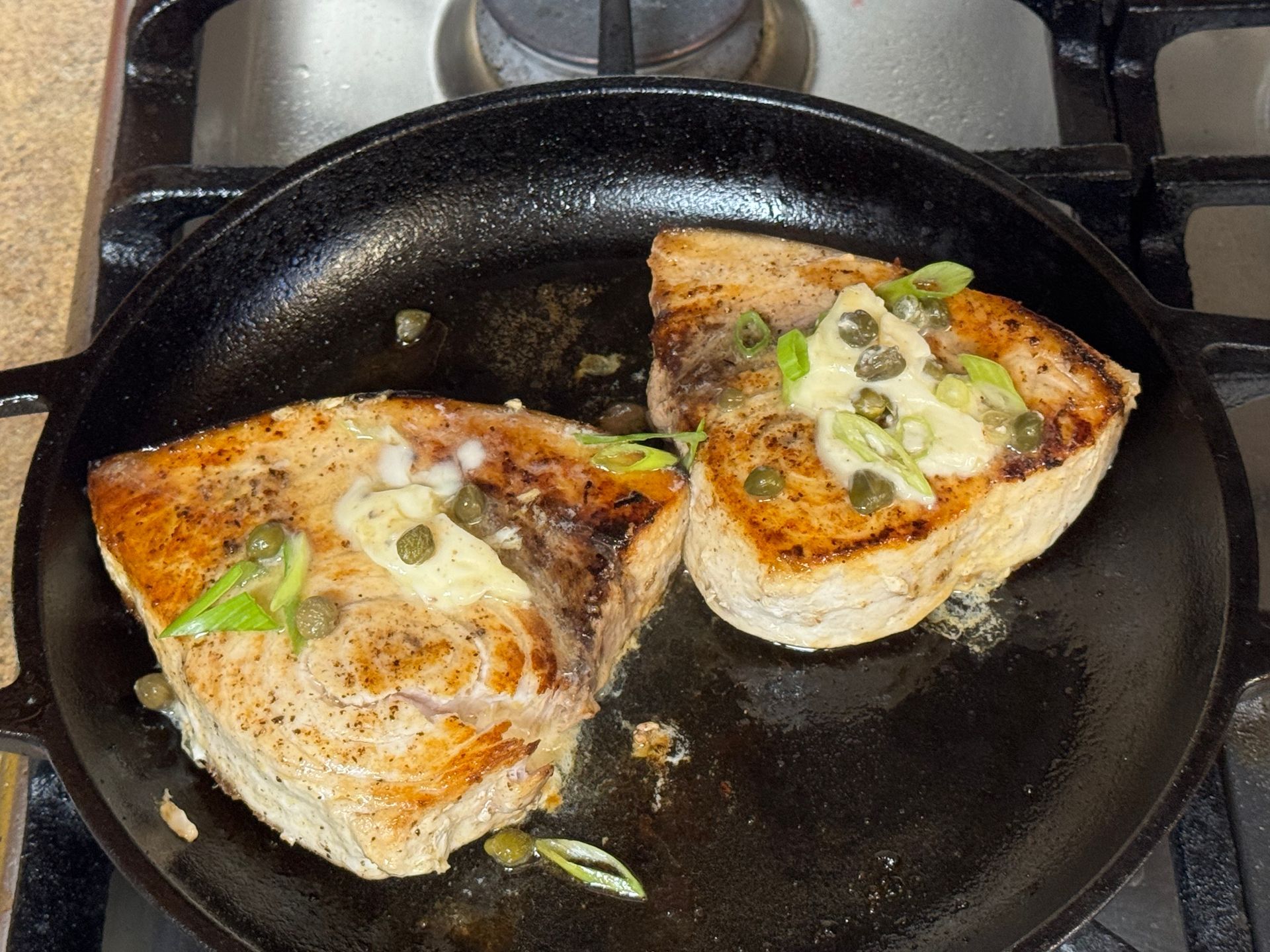
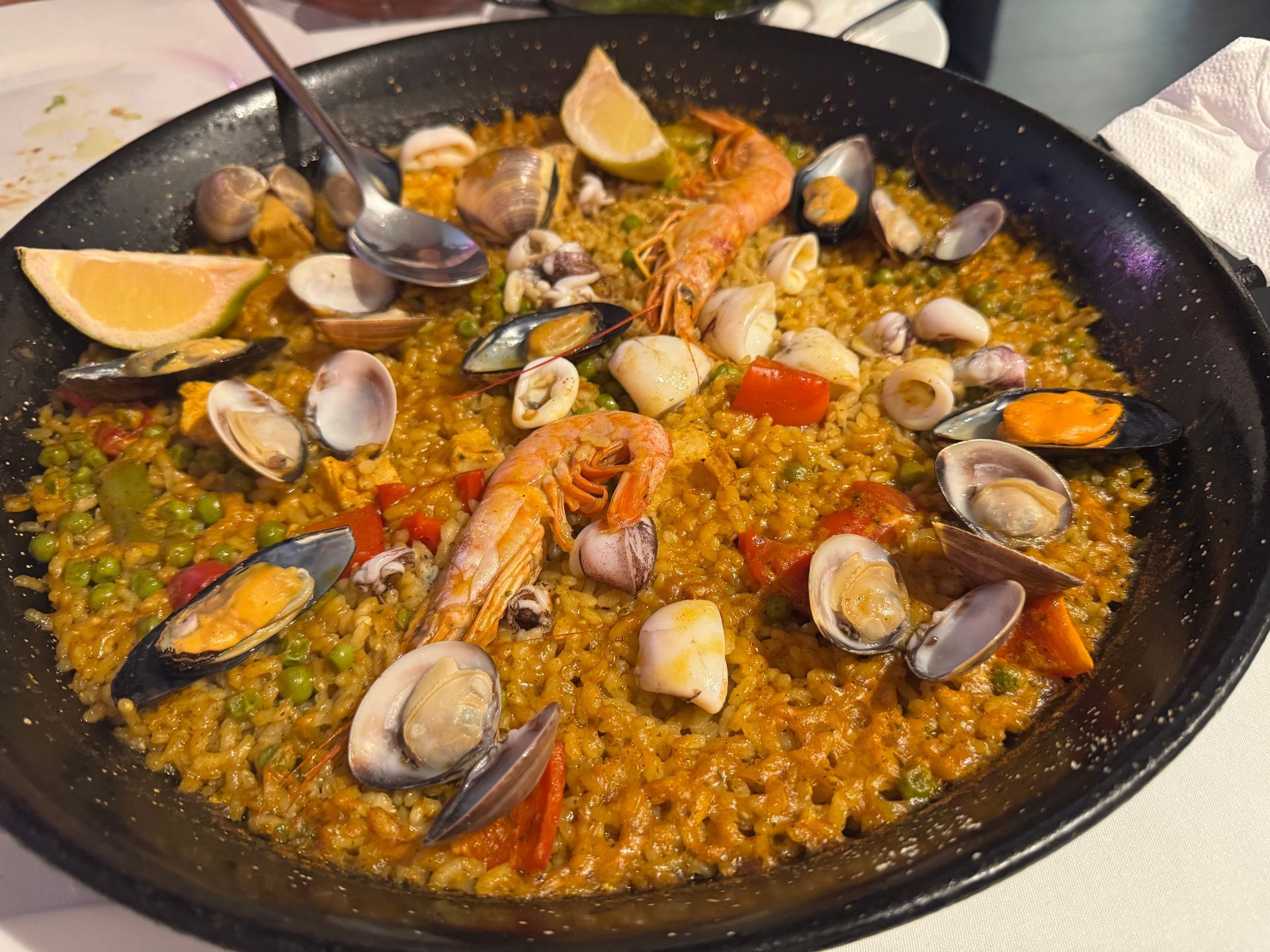
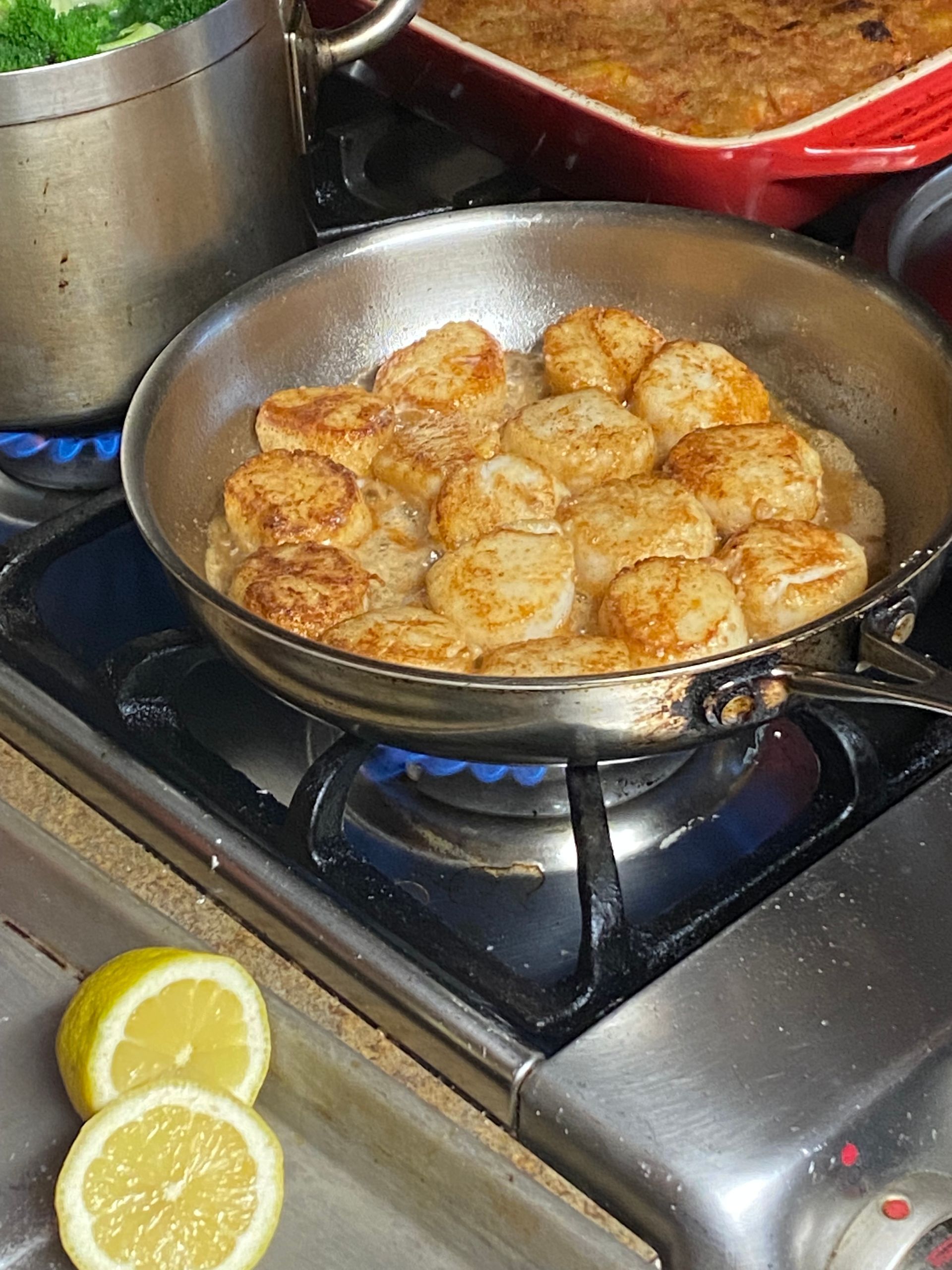
Asparagus adapts well to a range of applications: shaved raw in salads, gently steamed, sautéed, or incorporated into composed dishes like omelets, fritters, or even pizzas. I especially like serving asparagus with seafood!


Asparagus is also highly nutritious—naturally low in calories and rich in fiber, folate, and vitamins A, C, and K—making it as beneficial as it is flavorful.
Grilled Asparagus

Prep Time: 10 min

Cooking Time: 20 min

Yield: 4 portions


Ingredients      

20 ea.         Asparagus, fresh   

                     Kosher Salt for boiling                                    

2 qts           Water, boiling

1/2 tsp       Kosher Salt                                       

t.t.               Black pepper     


How to cook Asparagus
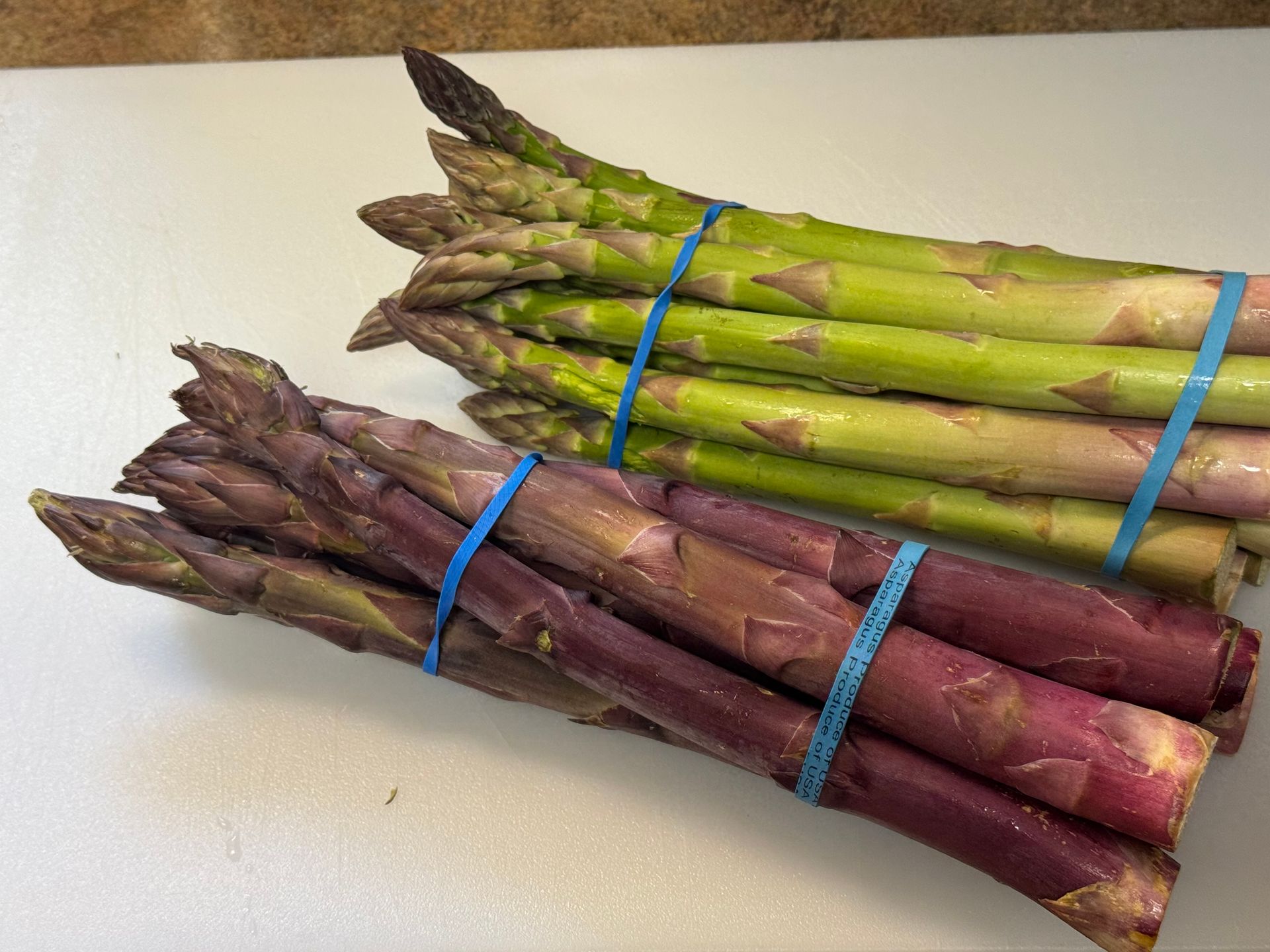
Step 1

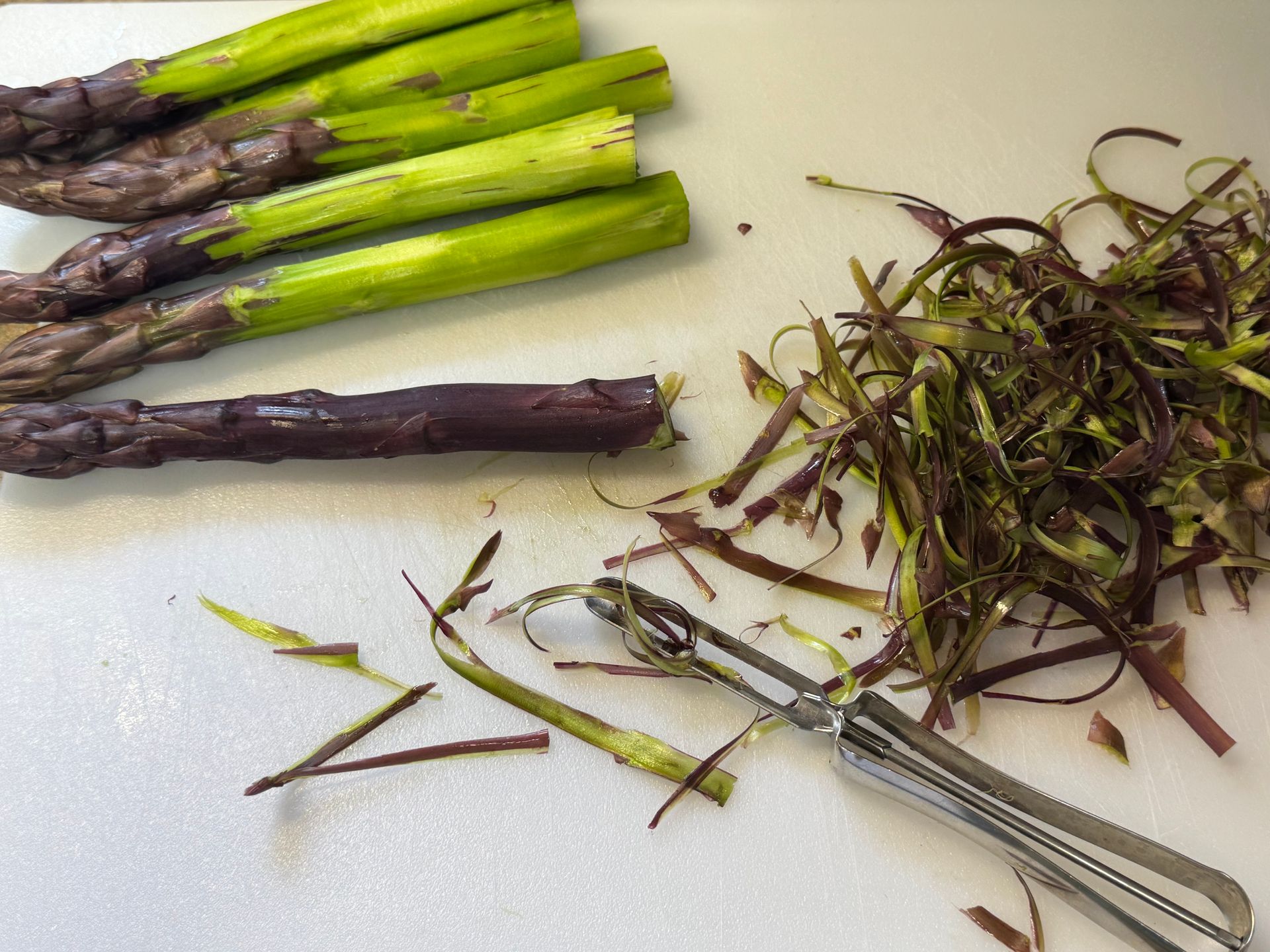
Rinse the asparagus in cool water, snap near the bottom to see where the tender part of the aparagus is. Then cut the harder, bottom inch or so where the asparagus snapped and reserve for fritters or compost.

If the asparagus are thick, peel the stems.


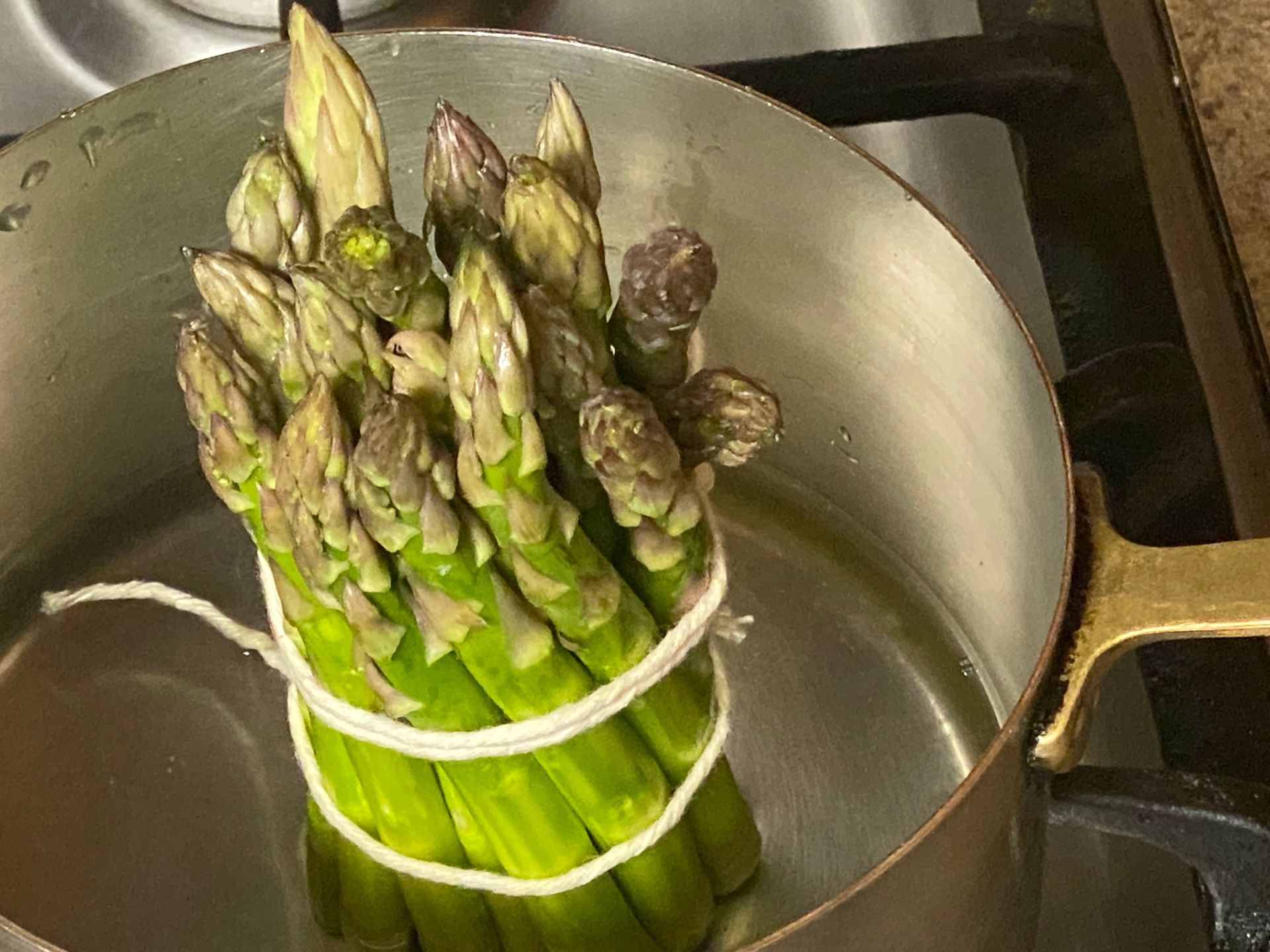
If I'm boiling the asparagus, I tie them gently into a 'bundle' like the photo below.
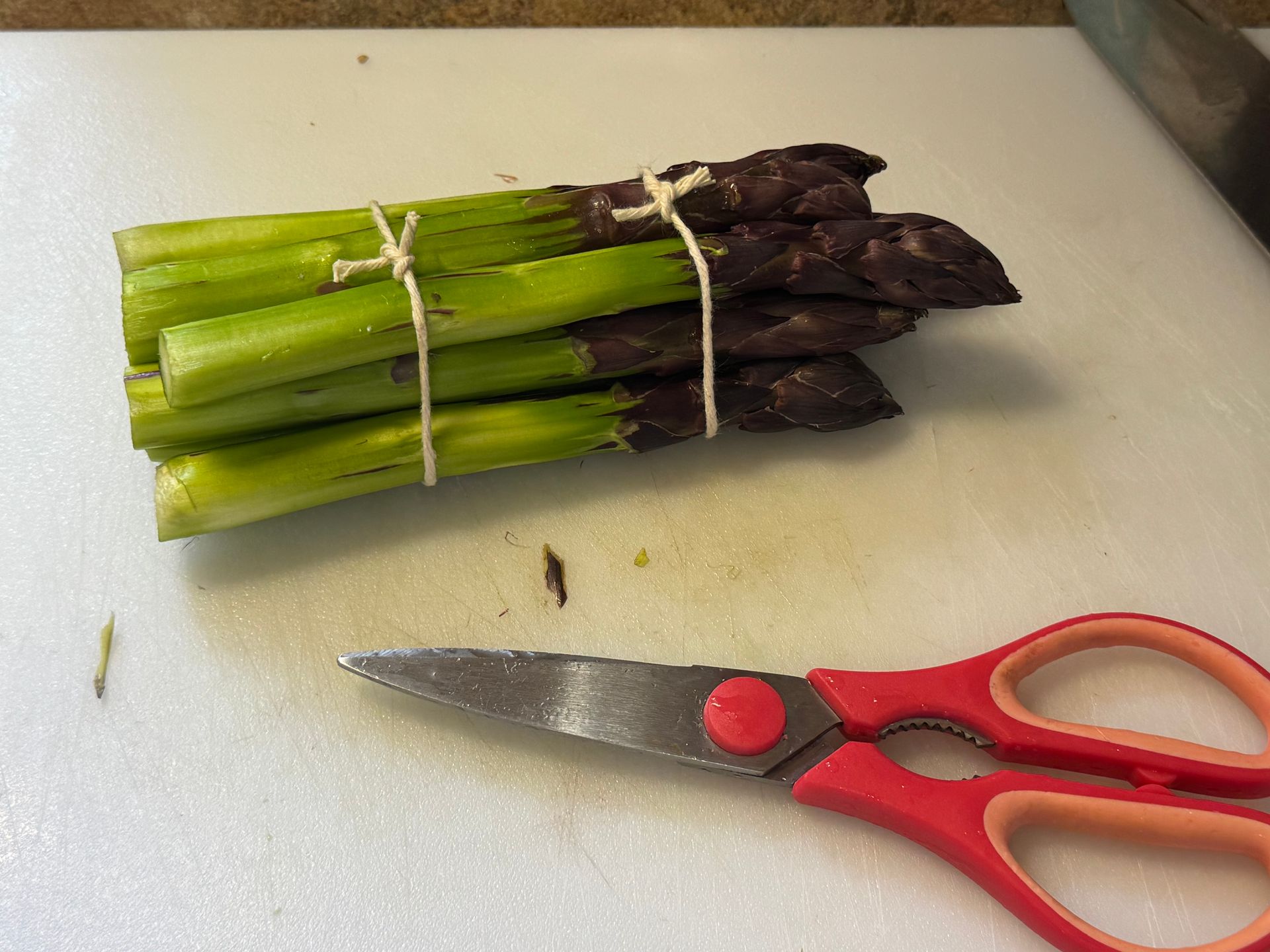
Step 2

Optional: Blanch the asparagus (bottom section) by simply placing the bundle of tied asparagus into a pot of boiling, salted water. The water should have enough salt so it has a 'sea water' saltiness to the taste. Boil the stems section until tender, about 3 minutes. 
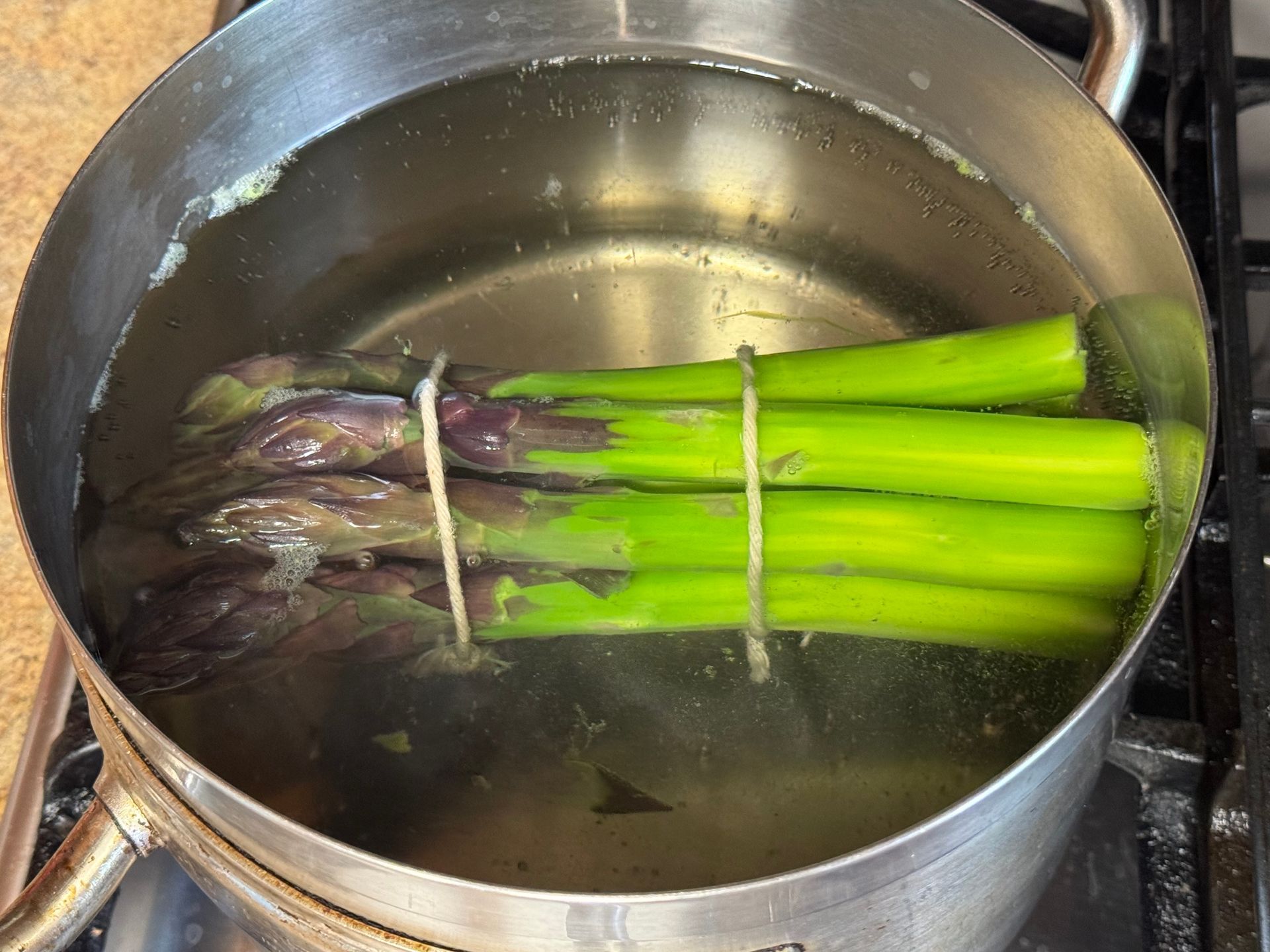
Step 3

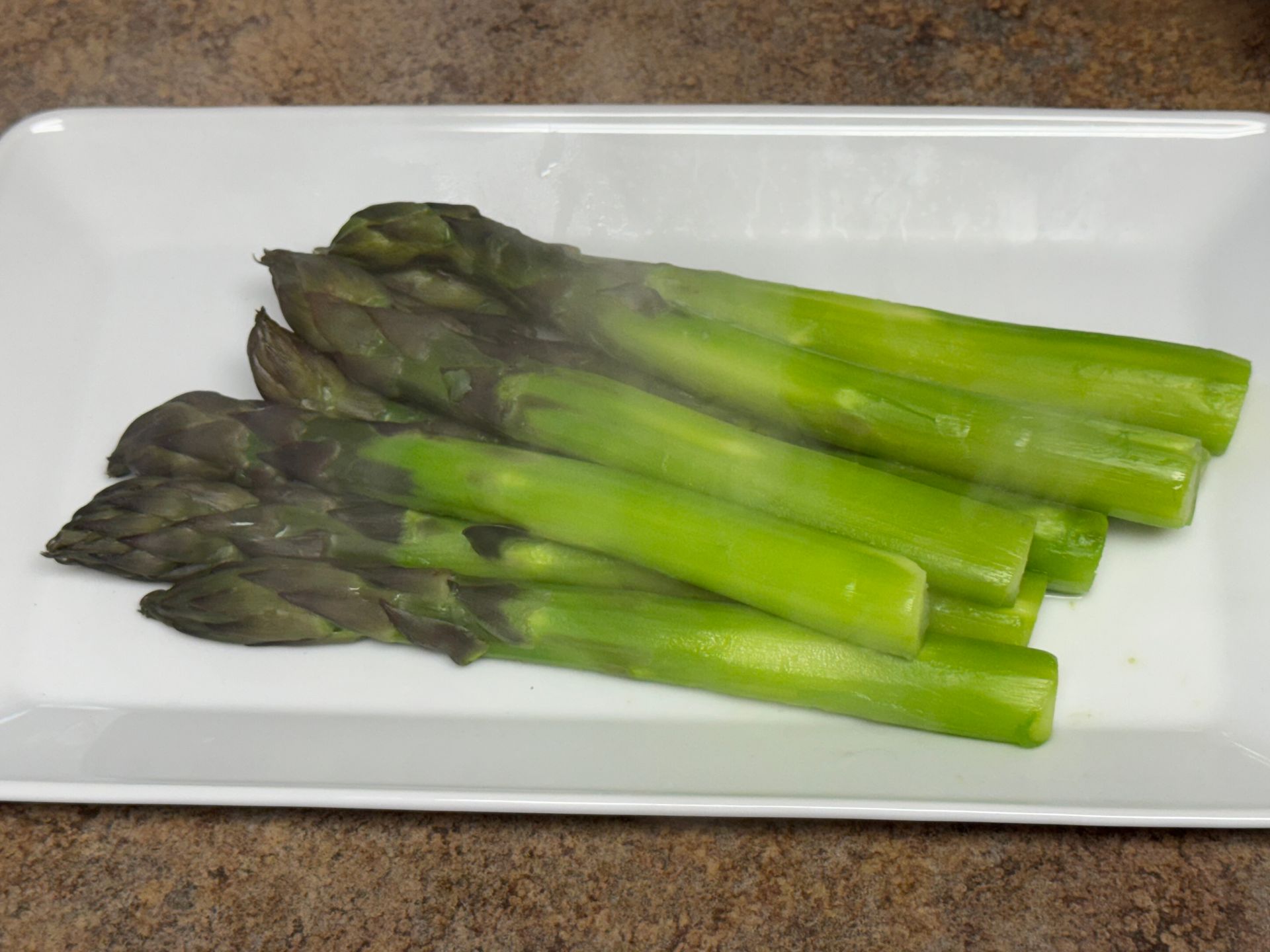
Plunge the blanched asparagus into a larger pot of boiling salted, water and cook the entire aspargus. The blanched bottom cooks in about the same time as the raw top so it's evenly cooked.

It seems like a lot of work to have two pots of water but the results are amazing!

Cook for about 4 minutes, strain and enjoy as is, with melted butter or Hollandaise Sauce.


You can also plunge the cooked asparagus in ice water and serve cold as a salad.
By Tom Griffiths April 23, 2026
Beyond Sweet Basil: An Herb with History, Health, and Global Range 
By Tom Griffiths April 11, 2026
Our Easter and Christmas meals were feasts... my mother's family all met at Aunt Flora's home in Jersey City to enjoy and celebrate the holidays. Dinner began with platters of fresh mozzarella, roasted peppers, olives, Italian bread, then a pasta course (manicotti or lasagna for the religious holidays), a roast or sausages with plenty of vegetables and traditional Italian desserts with dark coffee.We ate Italian Easter Wheat Pie one day each year—and it was never store-bought. My Aunts brought Easter cookies and baked goods-the wheat pie was my favorite. I loved the slight 'bite' of the wheat and flavors of cinnamon, vanilla and citrus. My father sometimes let me have a sip of his espresso with the dessert. I'm not sure if my mother used lard for the pie crust-she was a fan of butter and Crisco but the crust was always flaky.
By Tom Griffiths April 8, 2026
There are certain dishes that stay with you—not just for their flavor, but for what they represent. For me, roasting a leg of lamb over Pommes boulangère is one of those meals. I don't recall having lamb at any occasions growing up so this was a dish that I proudly introduced to our family. As a young cook, it was something I could prepare with limited experience, and it provided deeply satisfying results. The lamb roasts in the oven over a bed of potatoes, onions, and garlic, allowing its natural juices and fat to baste the vegetables below. It's actually a simple preparation but becomes a complete, delicious meal—the potatoes absorbing flavor and becoming just as important as the roast itself. These days I'm developing delicious recipes using spice blends such as Ras el hanout, Baharat, Za'atar, Togarashi and even Harissa. I also love roasting leg of lamb outdoors on a grill or rotisserie. I like the subtle smokiness from applewood or dried herbs when I'm roasting lamb outdoors.
By Tom Griffiths April 8, 2026
There are certain dishes that stay with you—not just for their flavor, but for what they represent. For me, Pommes boulangère is one of those dishes. As a young cook, it was a delicious meal I could prepare for my family with my limited culinary experience. I often return to this preparation when roasting whole chicken, pork, or lamb—letting the potatoes, onions, and garlic absorb the natural juices from the protein as it cooks. The potatoes becomes more than a side dish; it’s the foundation of the meal.
By Tom Griffiths April 7, 2026
There are countless versions of Potatoes au gratin , many of them heavy with cheese. I prefer a more restrained approach—using little or no cheese—so the flavor of the potatoes remains the focus rather than being masked. Milk produces a lighter, more delicate gratin, while light or heavy cream creates a richer, more structured dish. Both are valid—it simply depends on the desired outcome. One constant, however, is nutmeg. Used sparingly, it acts as a quiet “secret weapon,” adding depth without calling attention to itself. This recipe is inspired by Xavier LeRoux, one of the finest chefs I’ve had the privilege to work with. His method includes an extra step—gently simmering the potatoes in cream before baking—which yields a noticeably superior result. The potatoes begin to release their starch into the cream early, ensuring a more uniform texture and a fully integrated dish from the first bite to the last.
By Tom Griffiths March 19, 2026
There are plenty of brownie recipes—and then there is the one that lives in memory. This is the only brownie recipe I bake, from Julia Child, whose influence reached far beyond French cuisine and into the home kitchens of passionate bakers like my mother. A devoted admirer, she baked these brownies often—usually for the dessert trolley at my restaurant. We featured a brownie freeze... brownie cubes with homemade vanilla ice cream, warm melted chocolate and freshly whipped cream-amazing! For me, this recipe is more than a classic—it’s a reflection of how great cooking is passed down: through admiration, repetition, and a deep love of craft.
By Tom Griffiths March 19, 2026
I taught garde manager for many years at the CIA and this is one of my favorite recipes from class. I actually developed this recipe with one of my students, inspired by a recipe he had learned on his externship.
By Tom Griffiths March 17, 2026
We ate Irish soda bread one day each year—and it was never store-bought. Soda bread wasn’t part of our cultural lineage, but it earned its place through something more universal: respect for tradition. My mother was not an occasional baker— growing up, her baking centered on Italian traditions: special Christmas cookies, the Vigna family birthday cake, and beautifully braided Easter breads that reflected heritage. Later, like many serious home bakers of her generation, she was influenced by Julia Child . That influence expanded her repertoire into classic European pastry—Paris-Brest, pound cakes, even German chocolate cake. The iconic cross cut into the top of the loaf is often said to “let the fairies out,” though in professional kitchens we recognize its functional role: allowing heat to penetrate and the loaf to expand evenly during baking.
By Tom Griffiths February 26, 2026
Authentic Guacamole, Hospitality, and the Responsibility of Feeding People
By Tom Griffiths January 16, 2026
I recently volunteered to prepare vegetable paella for a church Bible group potluck. I was very excited to develop a delicious, new paella recipe and spent time preparing fresh vegetable stock with flavors of the Mediterranean. I always prepare vegetable and fish stocks fresh, as I intend to use them. I’m not a fan of bases or frozen stocks but I sometimes add a small amount of quality base to my stocks.  A vegetable stock with mirepoix, cabbage, mushrooms makes sense in certain applications, for certain recipes—but why would we use a mushroom or cabbage-forward stock in a paella? It doesn’t make culinary sense. Paella is a Mediterranean dish originating in the Valencia region of Spain as a humble meal cooked on an open fire. I’ve enjoyed wonderful paella meals in Valencia prepared with water-not stock, prepared with rabbit, snails and local beans. While traveling through Spain this spring I researched and sampled many styles of paella… no mushrooms, no carrots, no celery and no cabbage.