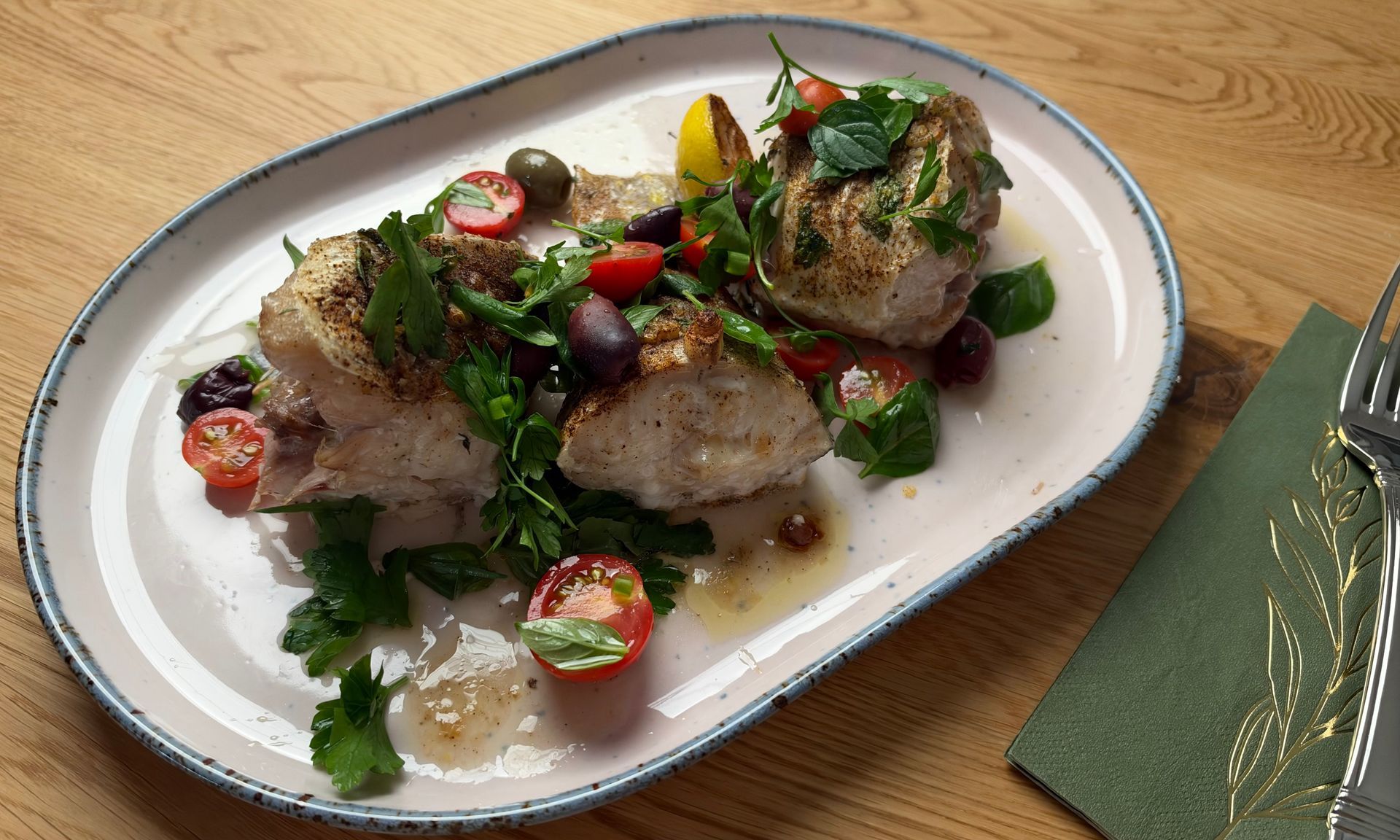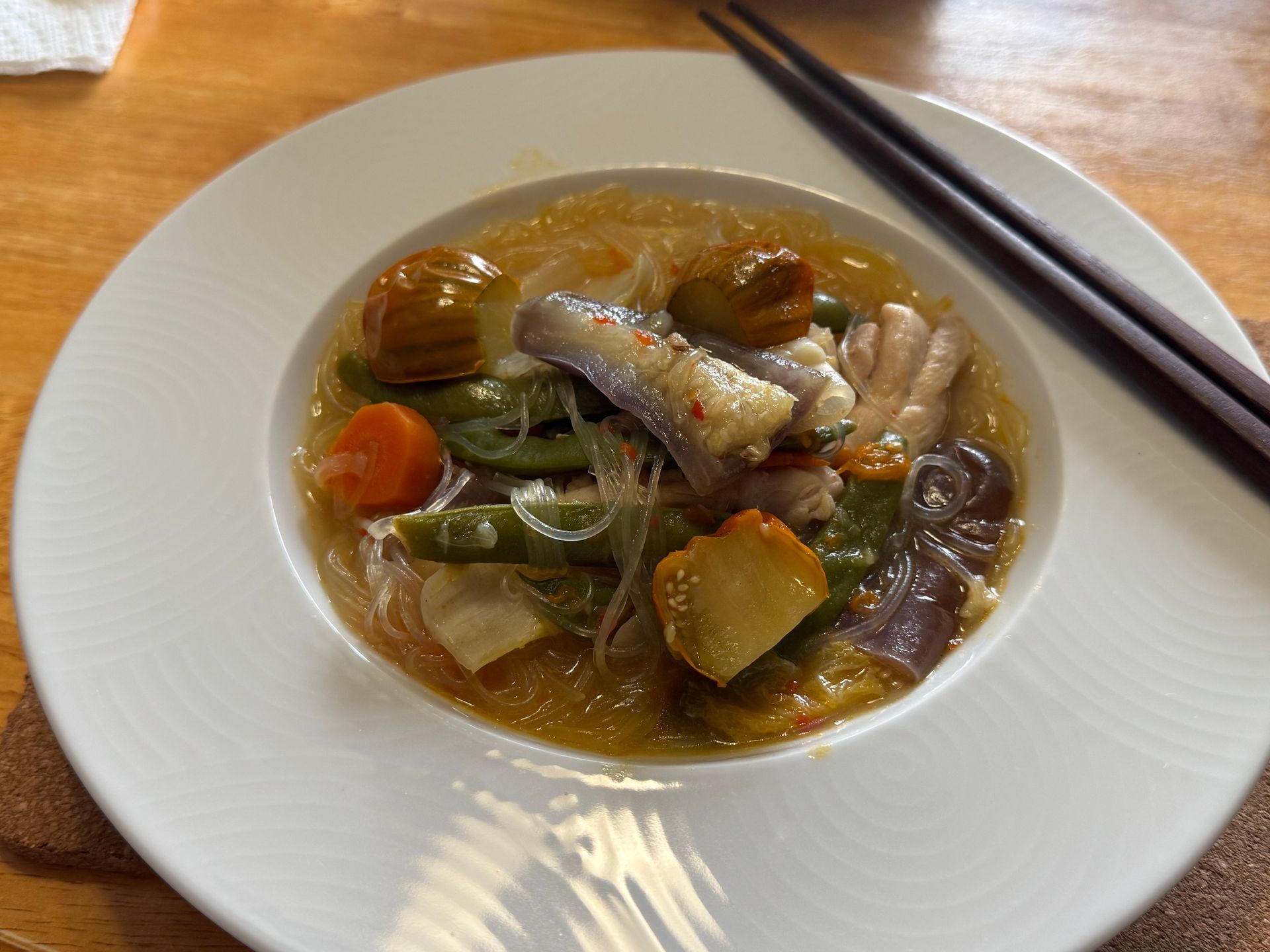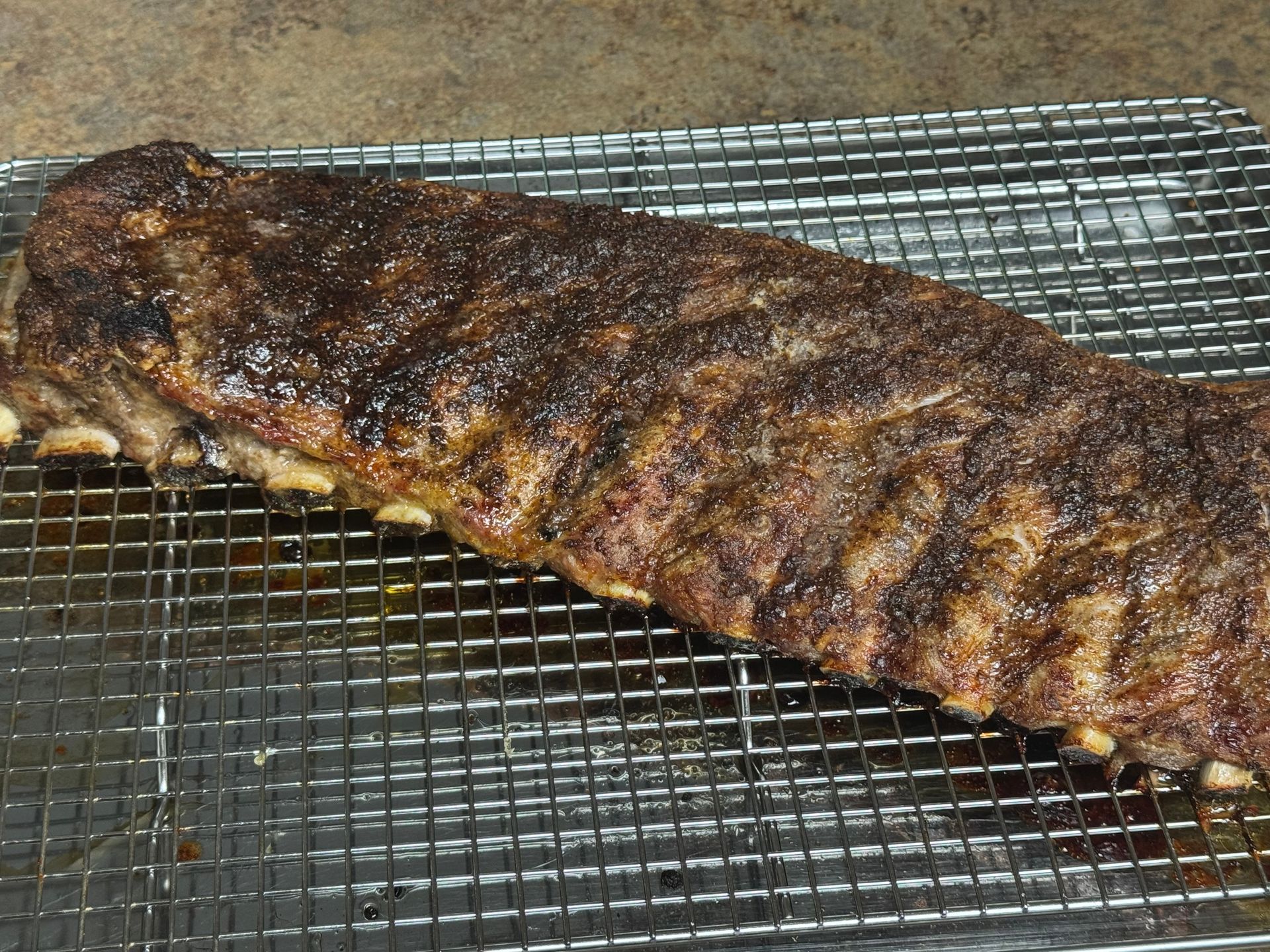
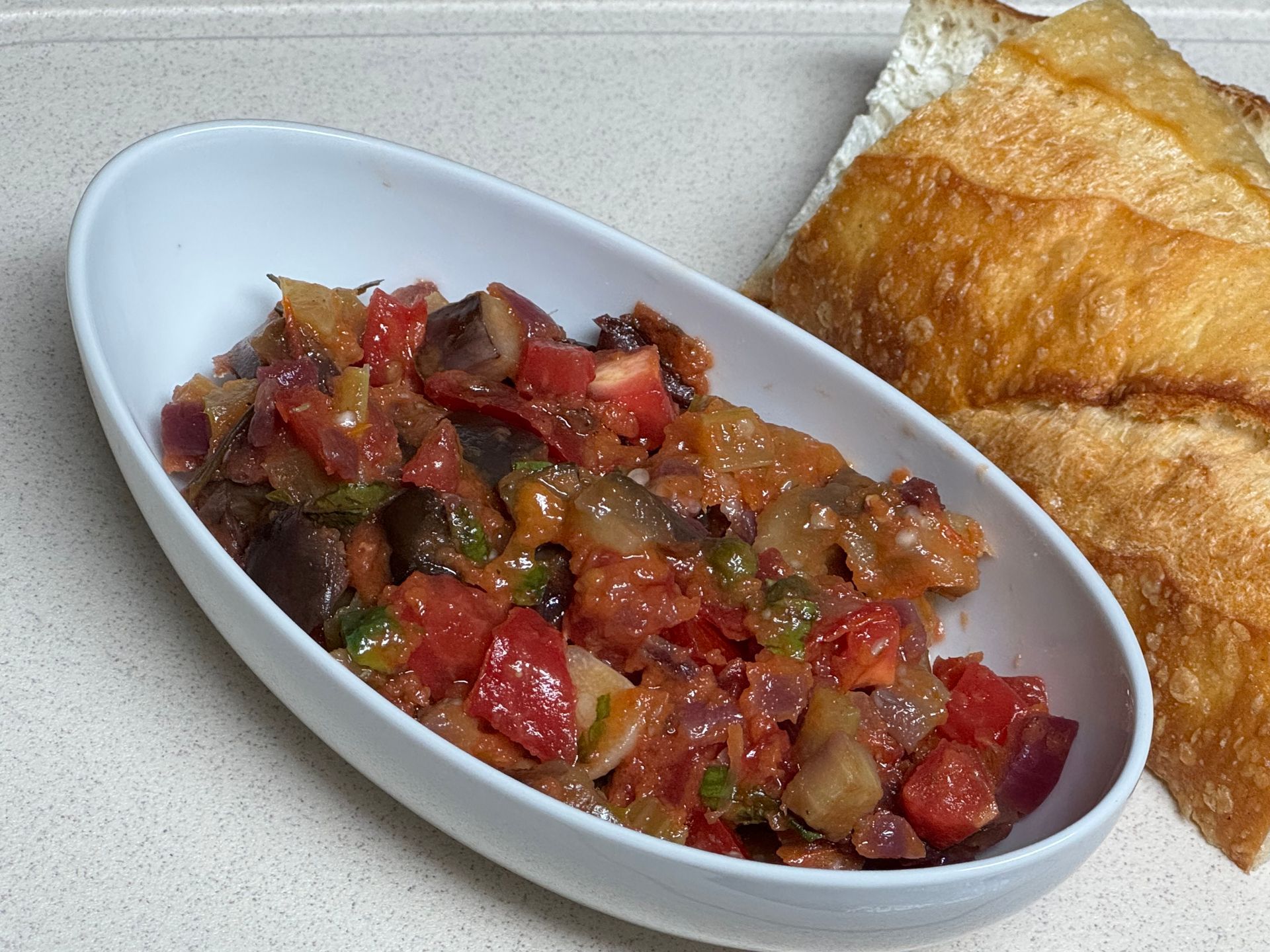
The name "caponata" itself has a fascinating origin story. One popular theory suggests it derives from capone, the Sicilian word for mahi-mahi. Historically, wealthy Sicilian aristocrats enjoyed a sweet-and-sour fish dish. Because seafood was too expensive for the working class, local home cooks substituted fish with affordable, meaty eggplant. Over time, this creative peasant food evolved into the beloved antipasto we celebrate today, often rounded out with celery, olives, and capers.
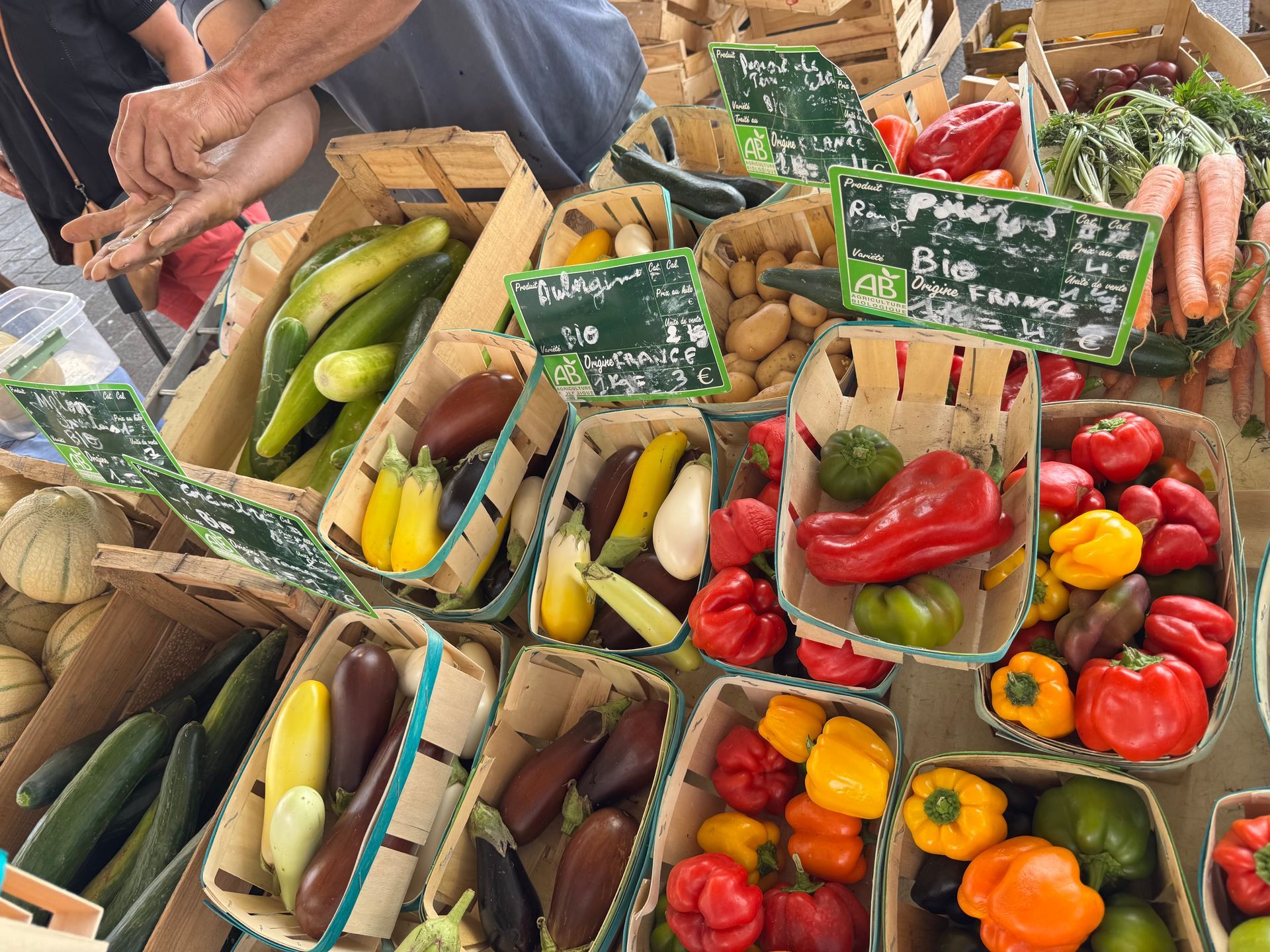
Globe (American) Eggplant: The most common variety in Western supermarkets. They are large, pear-shaped, and deeply purple. Their thick skin and high water content mean they require proper salting, but their abundant flesh makes them excellent for bulking up a hearty caponata.
Italian Eggplant: Similar to Globe eggplants but smaller, and slightly sweeter. The flesh is more delicate, making it the traditional and ideal choice for authentic Sicilian recipes.
Japanese and Chinese Eggplants: Long, slender, and ranging from light lavender to deep purple. They have thin skin, and a sweet, creamy flesh.
Eggplant Caponata
I love growing tomatoes, squash, melon, cucumbers and eggplant in my vegetable garden in the hot summer months.
I've tried growing a variety of eggplant and find the long, asian variety to be my favorite! I like that there are less seeds and it works perfectly for eggplant caponata.
Eggplant caponata is a delicious southern Italian recipe, made with sweet and savory flavors known as agrodolce. While the dish is synonymous with Sicily today, its roots are tied to the island's history of foreign conquest. The defining sweet-and-sour profile, along with ingredients like raisins and pine nuts, was introduced by Arab rulers during the Middle Ages.
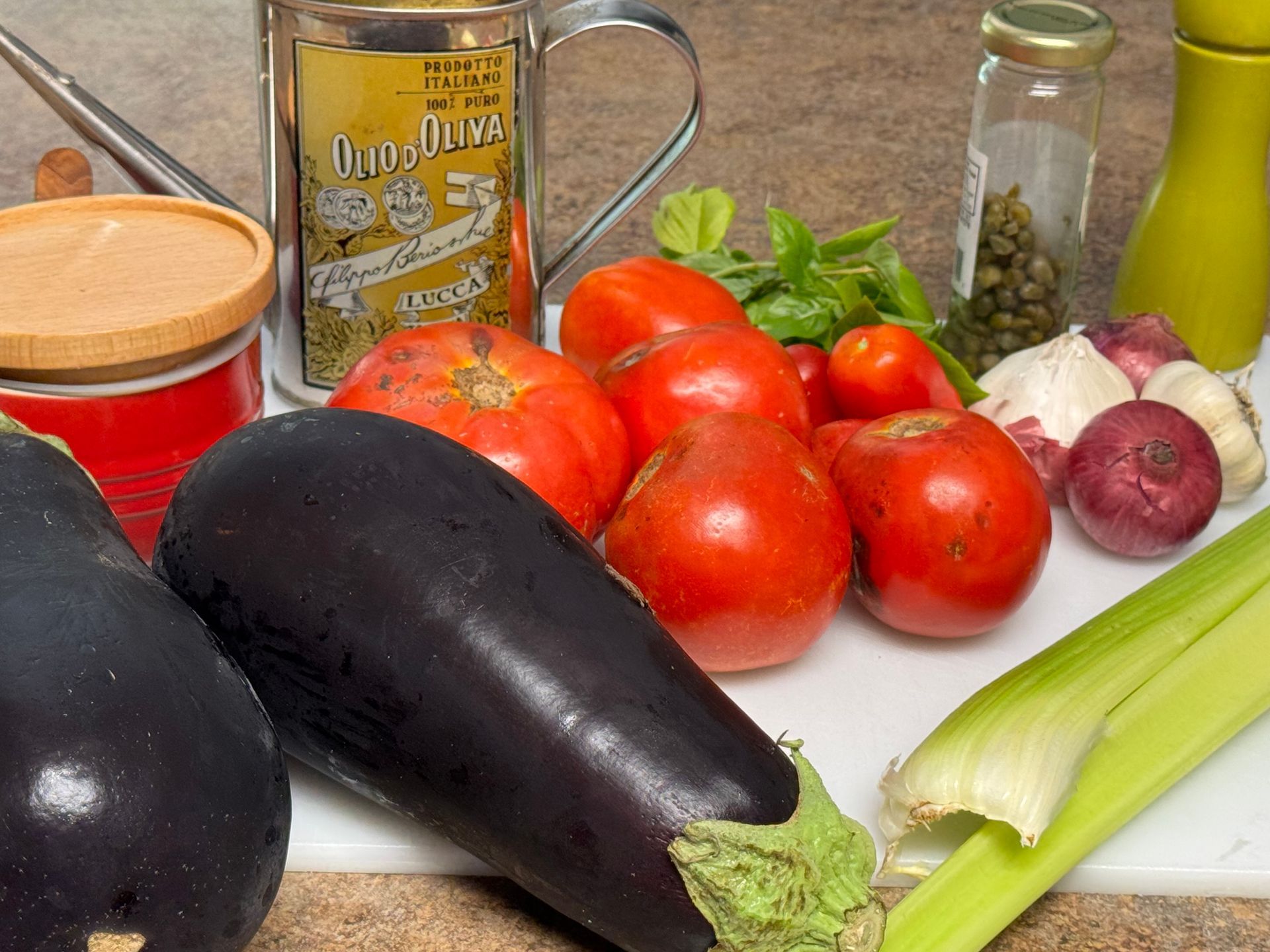
Eggplant is an excellent choice for health-conscious diners because it is naturally low in calories and carbohydrates, yet highly satisfying due to its dense texture.
Many people peel the skin of an eggplant but the skin is rich in a powerful antioxidant called nasunin. Nasunin is an anthocyanin that helps protect brain cells from oxidative stress and supports cellular health. Additionally, eggplants are packed with dietary fiber, which aids digestion and promotes heart health by managing cholesterol levels. When simmered into a caponata alongside olive oil, tomatoes, and garlic, it transforms into a heart-healthy, Mediterranean diet staple rich in vitamins C and B6, potassium, and magnesium.
Eggplant Caponata
Prep Time: 30 min
Yield: 2 Cups
Ingredients
1 ea Eggplant, diced (2 cups)
4 Tbsp. Red Onion, peeled and cut into 1/8 inch dice
4 Tbsp. Celery, peeled and cut into 1/8 inch dice
1 Tbsp. Garlic, peeled and minced
4 Tbsp. Olive oil
tt Kosher salt
tt Crushed Black pepper
1/2 Cup Tomato, diced
2 Tbp Capers
1 tsp Red wine vinegar
4 Tbsp Basil, chiffonade
How to Prepare Eggplant Caponata
Step 1
Rinse all of the vegetables in cool water. Wipe dry.
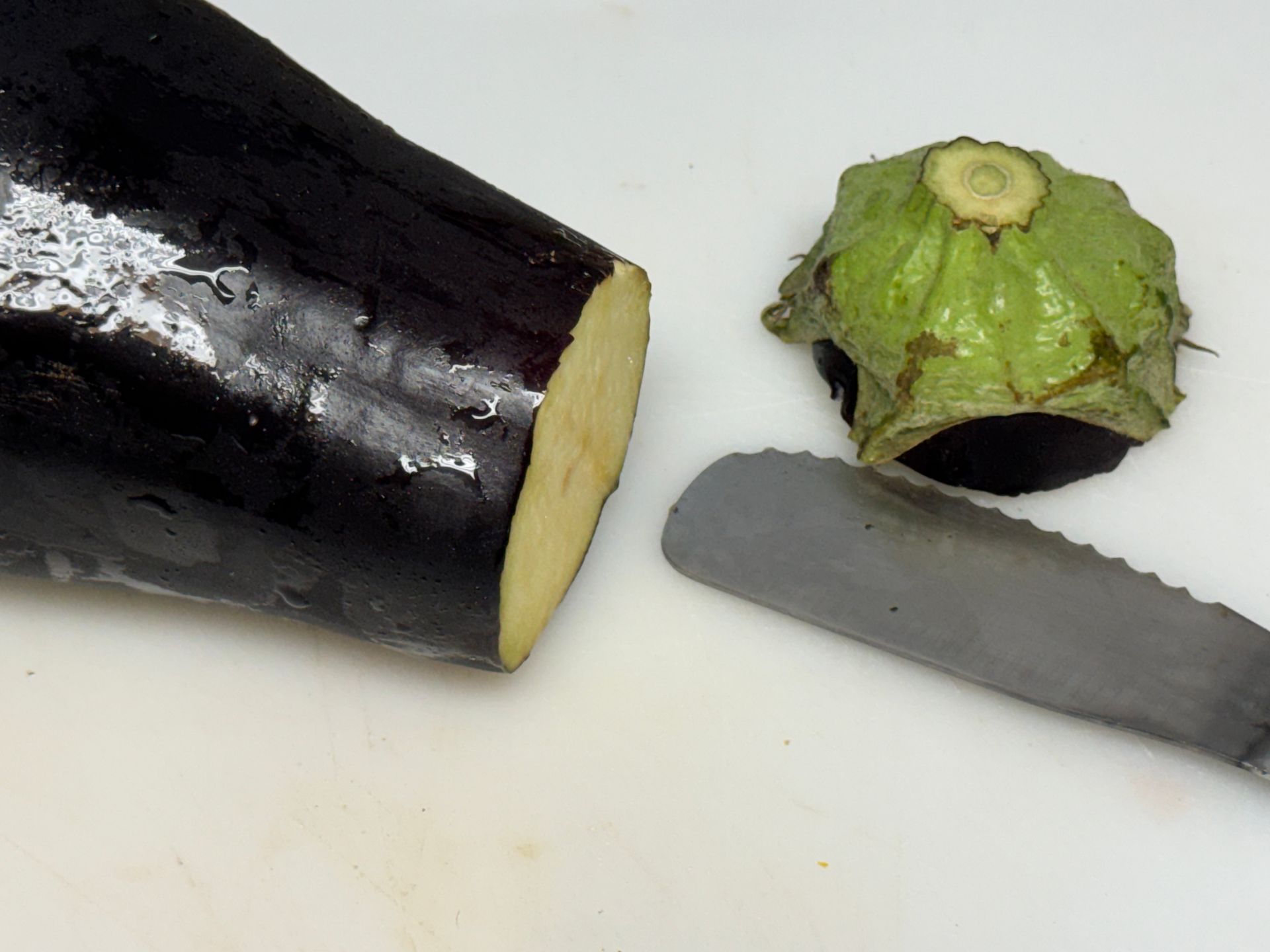
Carefully cut the core off of the egplant, discard.
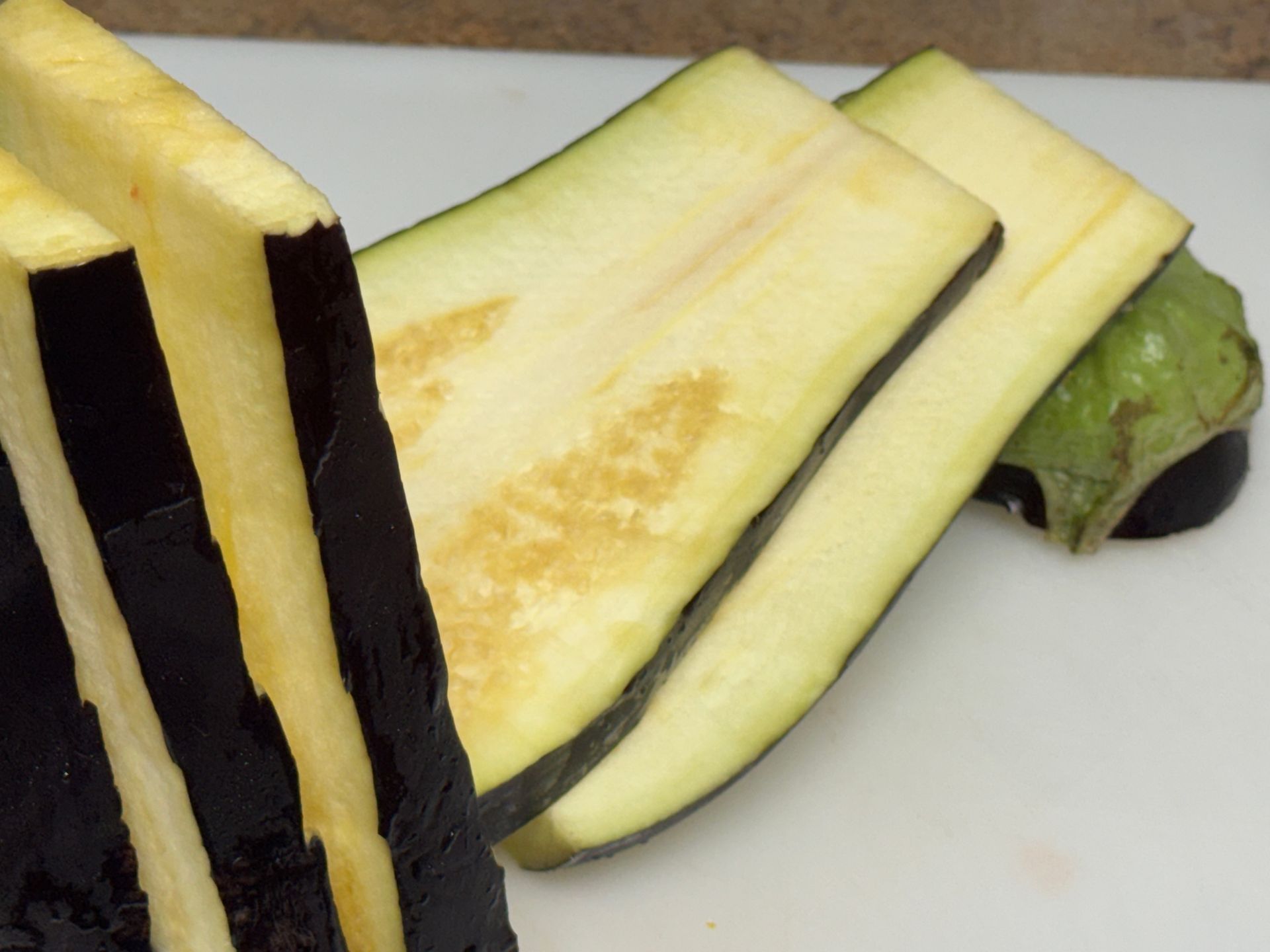
Cut into 1/4 slices and then dice the eggplant.
Cut the red onion, garlic and celery into 1/8 inch dice.
Step 2
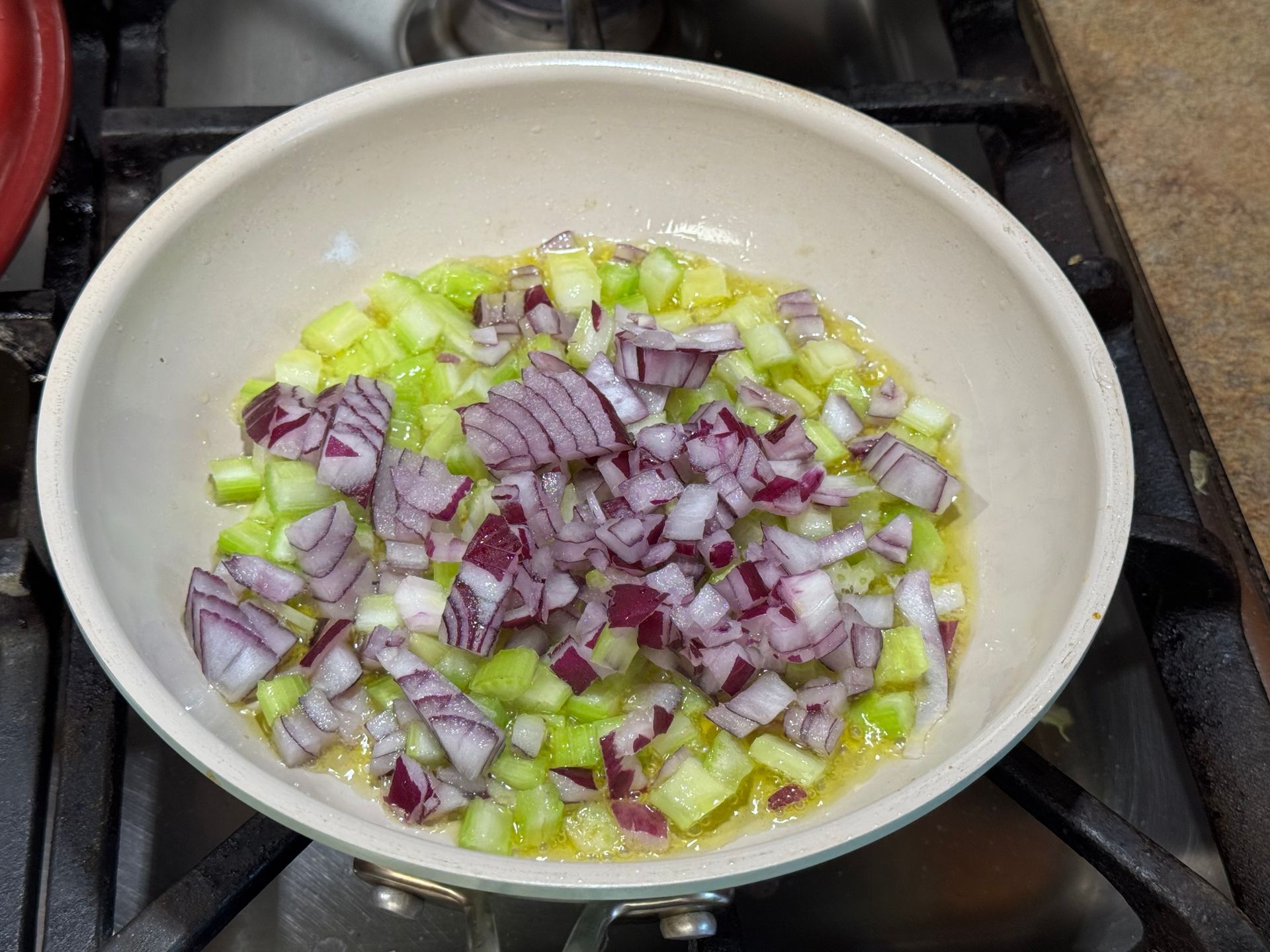
Heat olive oil in a saute pan (about 30 seconds), add the celery, garlic and red onions and sweat for 2 minutes. Stir with a wooden spoon to avoid browning the vegetables, we want to gently cook them. Season to taste with salt and pepper.
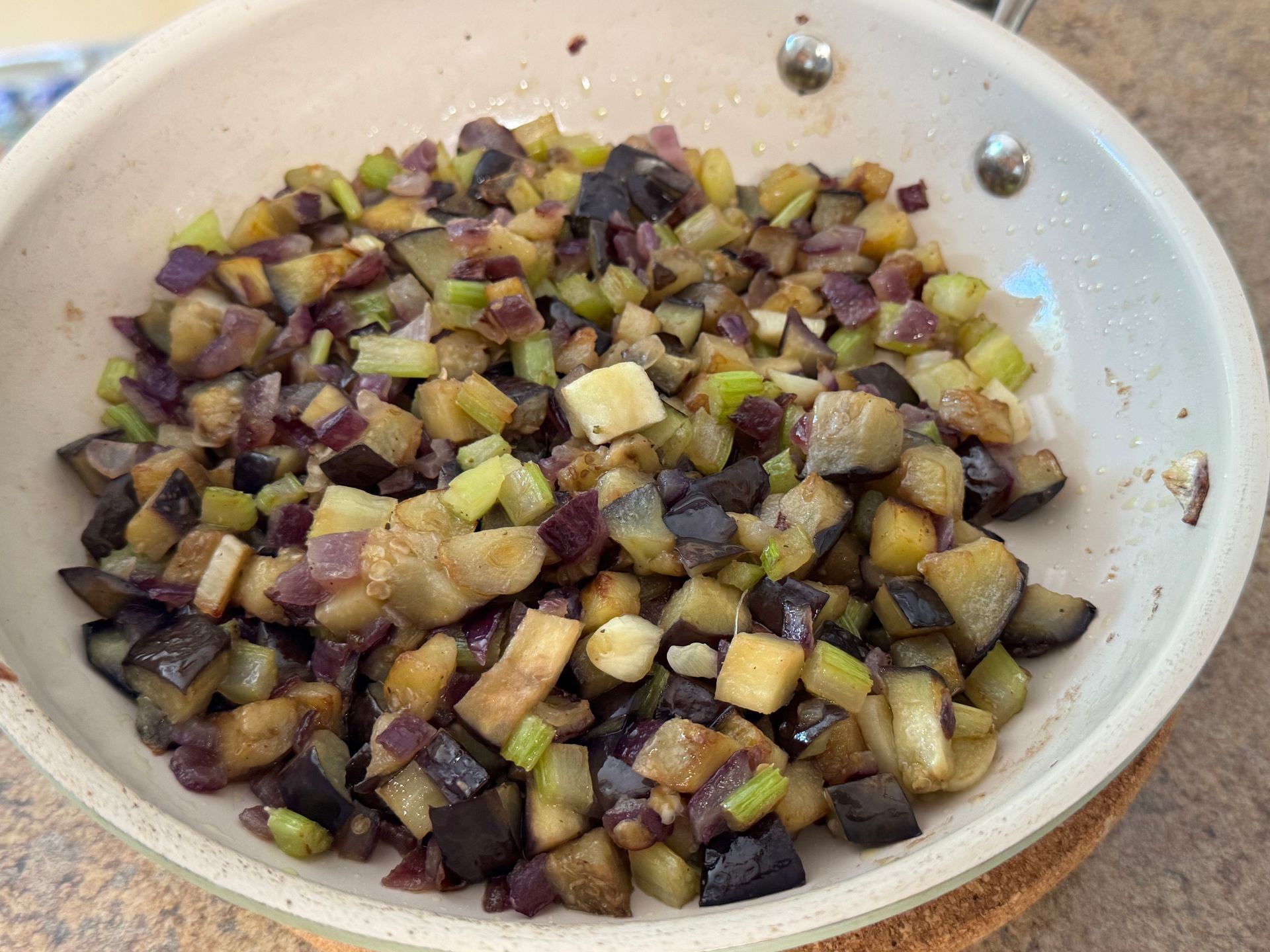
Add the eggplant and continue to cook for 5 minutes, until all of the vegetables are tender. Let cool for 20 minutes at room temperature.
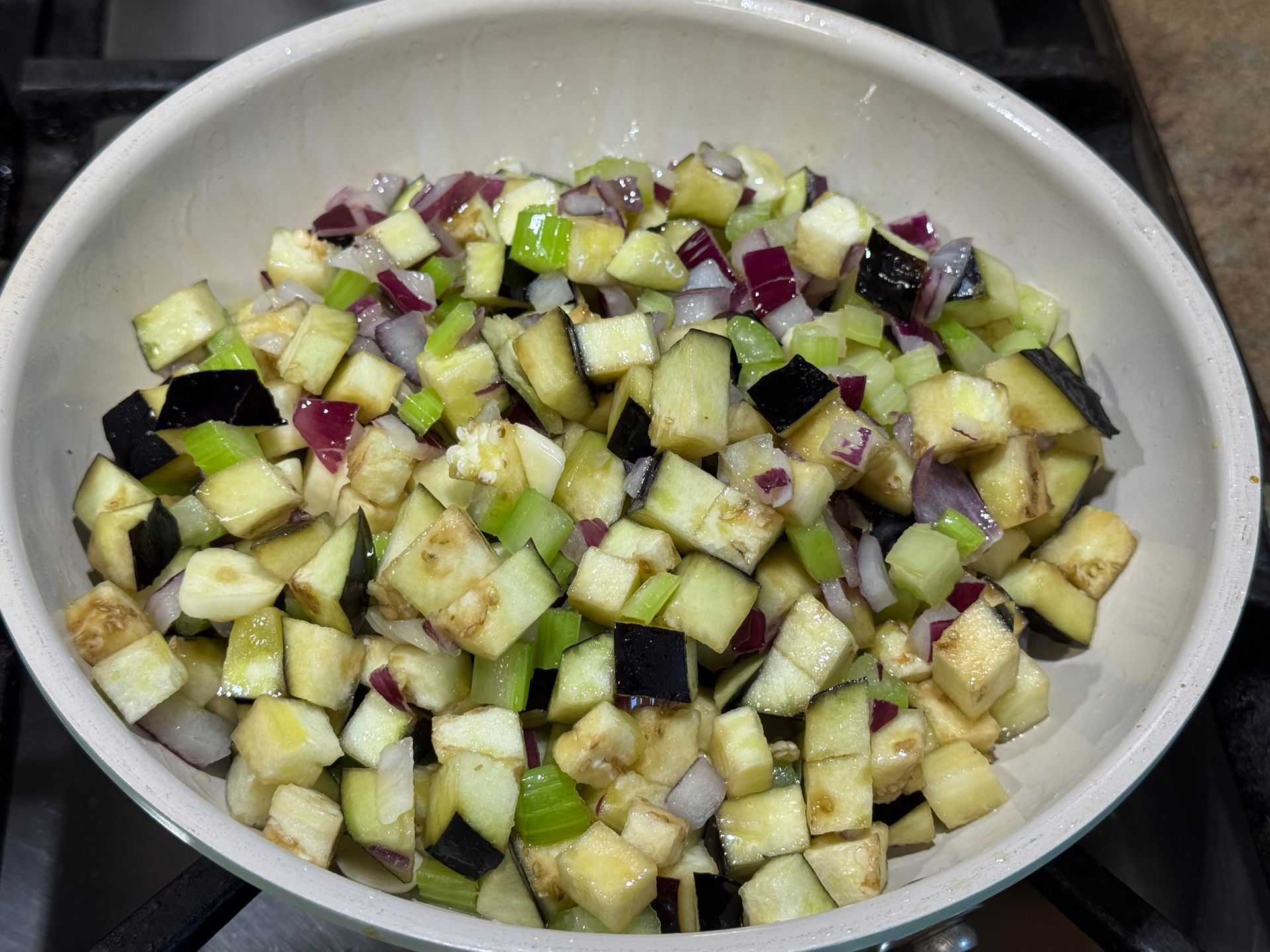
Heat olive oil in a saute pan (about 30 seconds), add the celery, garlic and red onions and sweat for 2 minutes. Stir with a wooden spoon to avoid browning the vegetables, we want to gently cook them. Season to taste with salt and pepper.
Add the eggplant and continue to cook for 5 minutes, until all of the vegetables are tender. Let cool for 20 minutes at room temperature.
Step 3
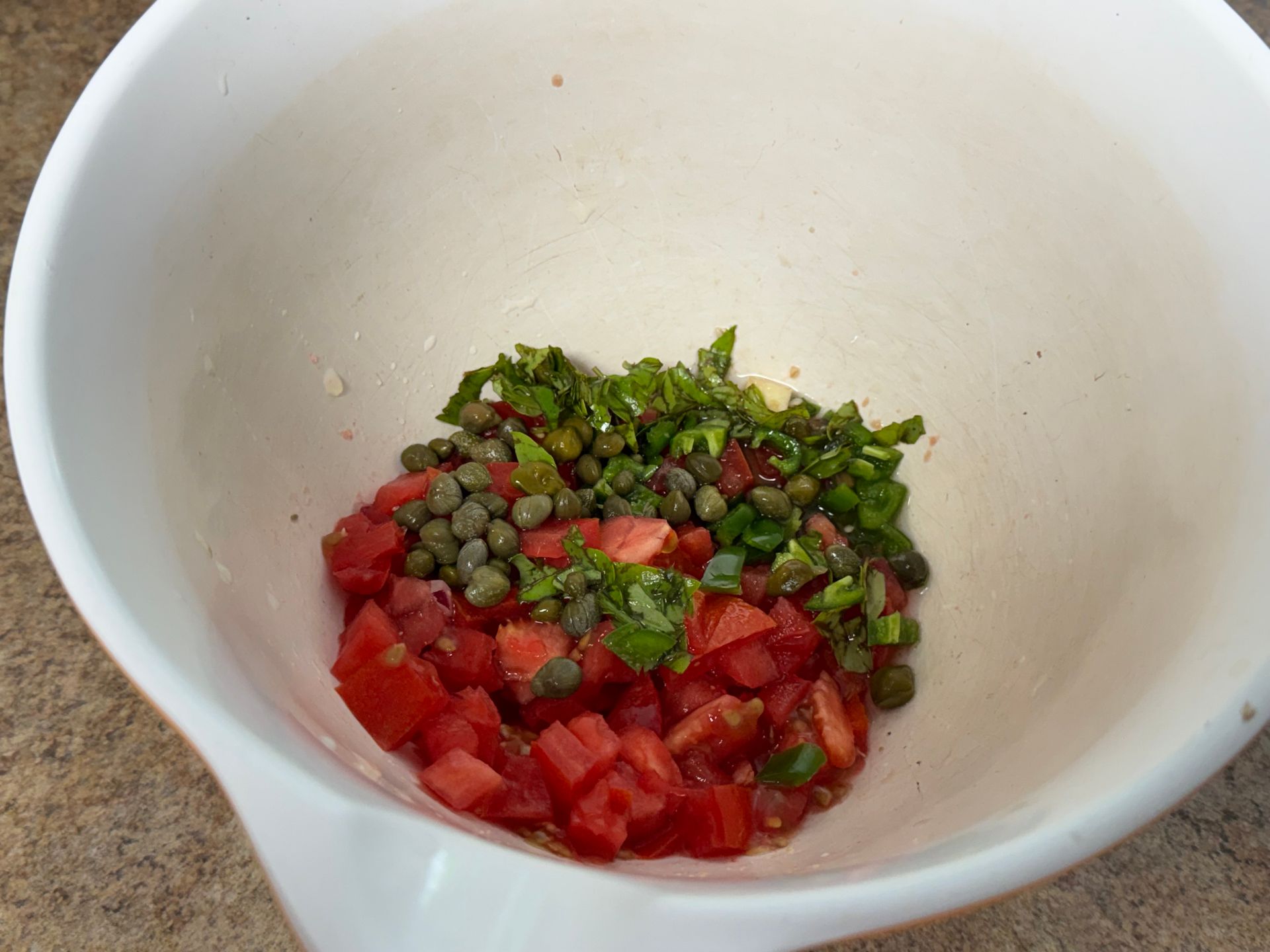
Put the tomatoes, capers and basil into a bowl, blend. Add the sweated eggplant blend (room temperature) to the tomatoes and blend. Adjust seasoning and enjoy with crusty bread, fresh mozzarella etc....