From Talk to Action: A Chef’s Challenge for School Lunches
I remember walking into a food bank where I was brought in to consult. I expected to see large equipment and plenty of scratch cooking! I expected to see a kitchen buzz, that proud feeling when the kitchen is producing, especially producing meals for children’s lunches. Instead, I was shocked to find chefs overseeing teams of volunteers, plating purchased, frozen cold-cut sandwiches, high-sodium commercial sauces, and pre-made meatballs, etc...
The talent was there, but the connection was broken. ‘Respect runs the kitchen’-there was no respect! After the meals were packed, I sat down and met the team. We introduced ourselves and talked... I imagine I was a little, let’s call it passionate… We didn’t talk about high-level logistics; we talked about the respect our student diners deserved. We talked about the pride of being a chef. We talked about barriers which might be prohibiting scratch cooking. I listened. That shift in mindset changed everything. Within six months, that exact same team threw out the processed junk foods. They were scratch-cooking an entire menu... homemade soups, fresh sauces, hand-rolled meatballs, and scratch-breaded chicken at full scale. They didn't need a new academic framework. They just needed to reconnect with their craft.
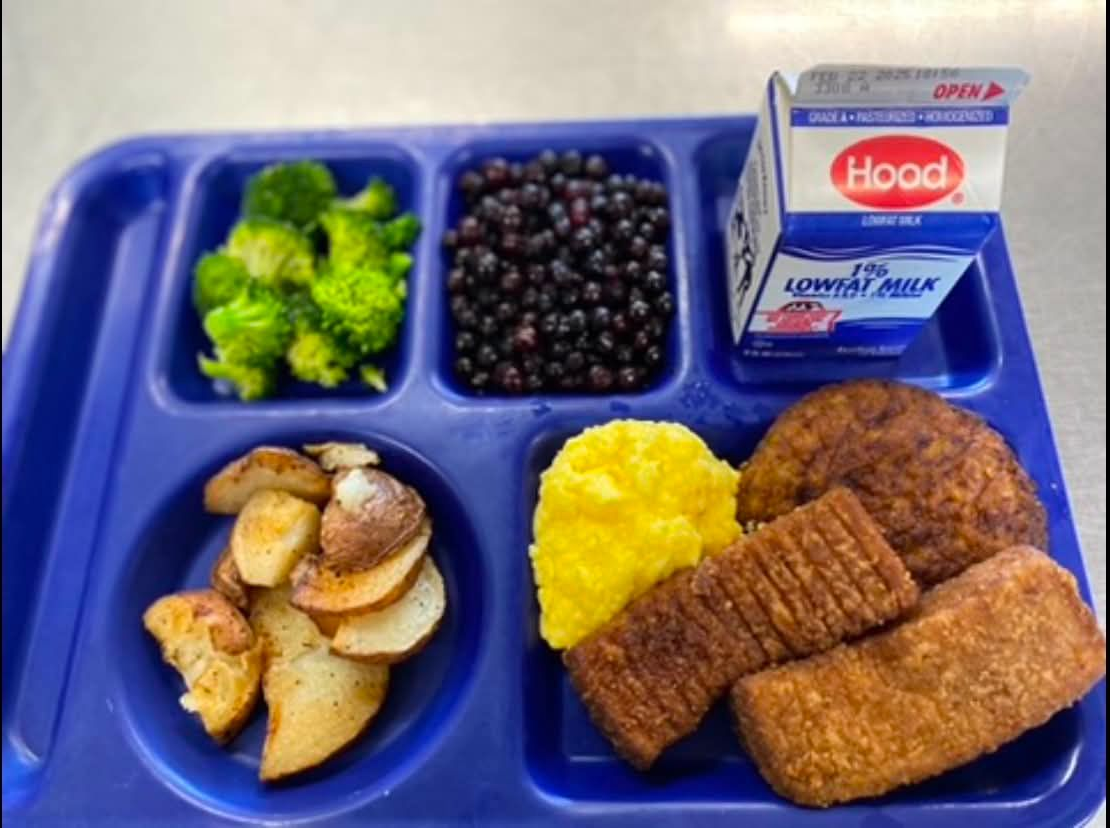
We often make the excuse that scratch cooking at scale is too complicated or too expensive for institutional settings. But action doesn't require a massive bureaucracy; it requires willingness. Years ago, my daughter Faith asked me to come up to Bennington, Vermont, to teach her 20 college housemates how to cook dinner. I arrived at the house and was met by two barefoot kids drinking something out of mason jars. They looked at me and said, "We’re the team cooking dinner for the house tonight." I wondered what I had gotten myself into. But the three of us got to work. In just four hours, we cooked a complete, beautiful dinner from scratch. It was the operational equivalent of a class of 18 culinary students cooking for 60 people, and I was absolutely amazed by what these two young people accomplished. They weren't using processed shortcuts. They had artisan breads, local cheeses, and fresh, local, seasonal vegetables. If a small group of food bank chefs can cook hundreds of meals from scratch daily and two barefoot students can pull off a seasonal, scratch-cooked feast for dozens of peers in an afternoon, why are our school cafeterias still opening bags of frozen, pre-processed pucks and nuggets?
Higher education has already proven that scale and quality can coexist. Many colleges do campus dining exceptionally well. I’ve visited several colleges and find the food to be outstanding. But we have to look at the underlying motivation. Is the incentive to create great food simply a marketing tool to attract students who pay hefty tuition? Or is it driven by a deeper institutional pride? Our K-12 school lunch programs do not have the luxury of high tuition dollars, but they deserve that same pride.
Final Thought
We do not need more academic studies telling us that fresh food is better for kids. We need passionate, trained hands in the kitchens. If you are graduating from culinary school, or looking for an externship that matters, step away from the fine-dining lines for a year. Bring your skills, your knife rolls, and your pride to a public school kitchen. Let’s stop discussing the problem and go feed the kids.
As a chef and consultant, I work with operators, producers, and brands to translate culinary fundamentals into scalable, profitable solutions.
If you’re looking to elevate your products or menus, let’s connect.
Book a free consultation with TWG Consulting
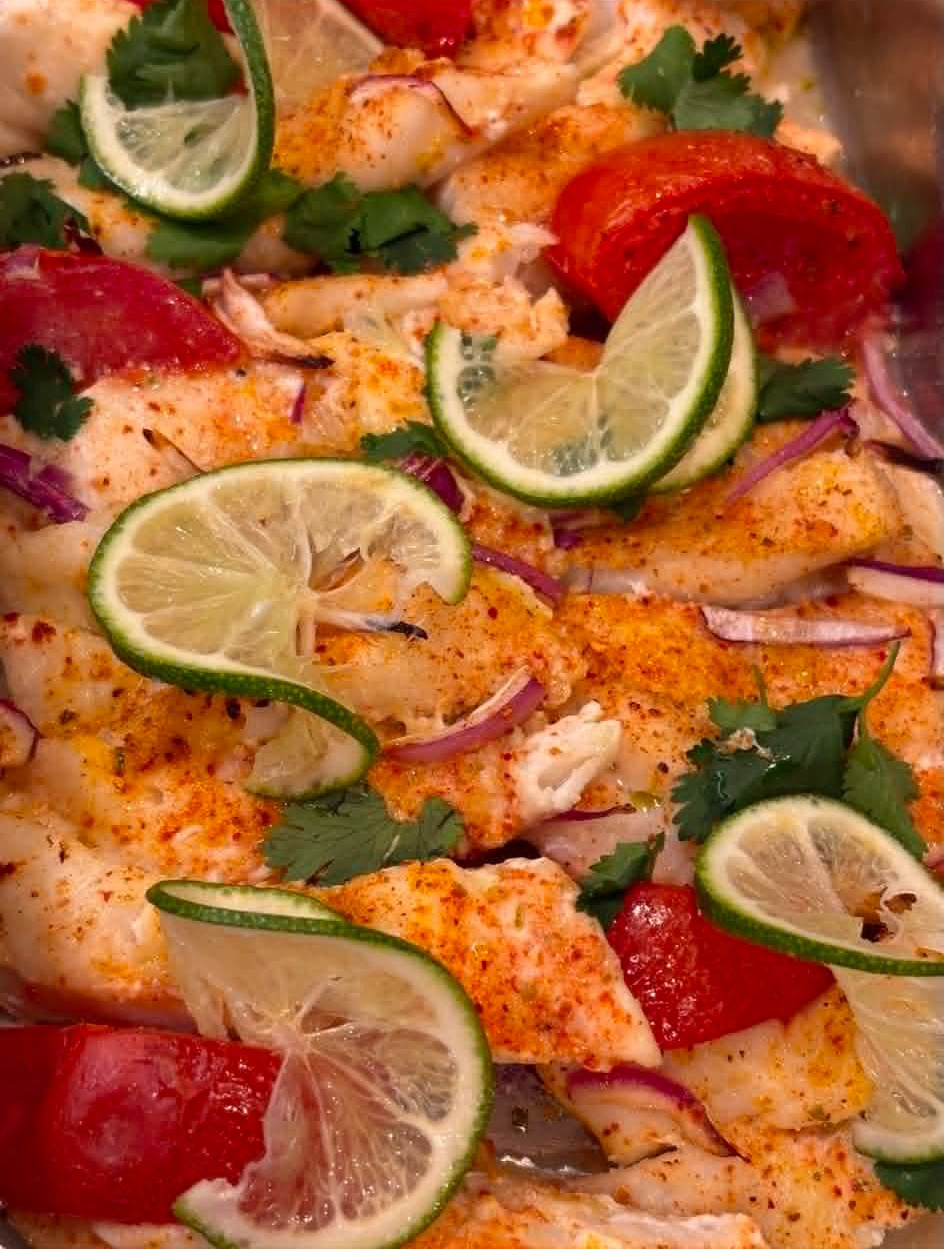
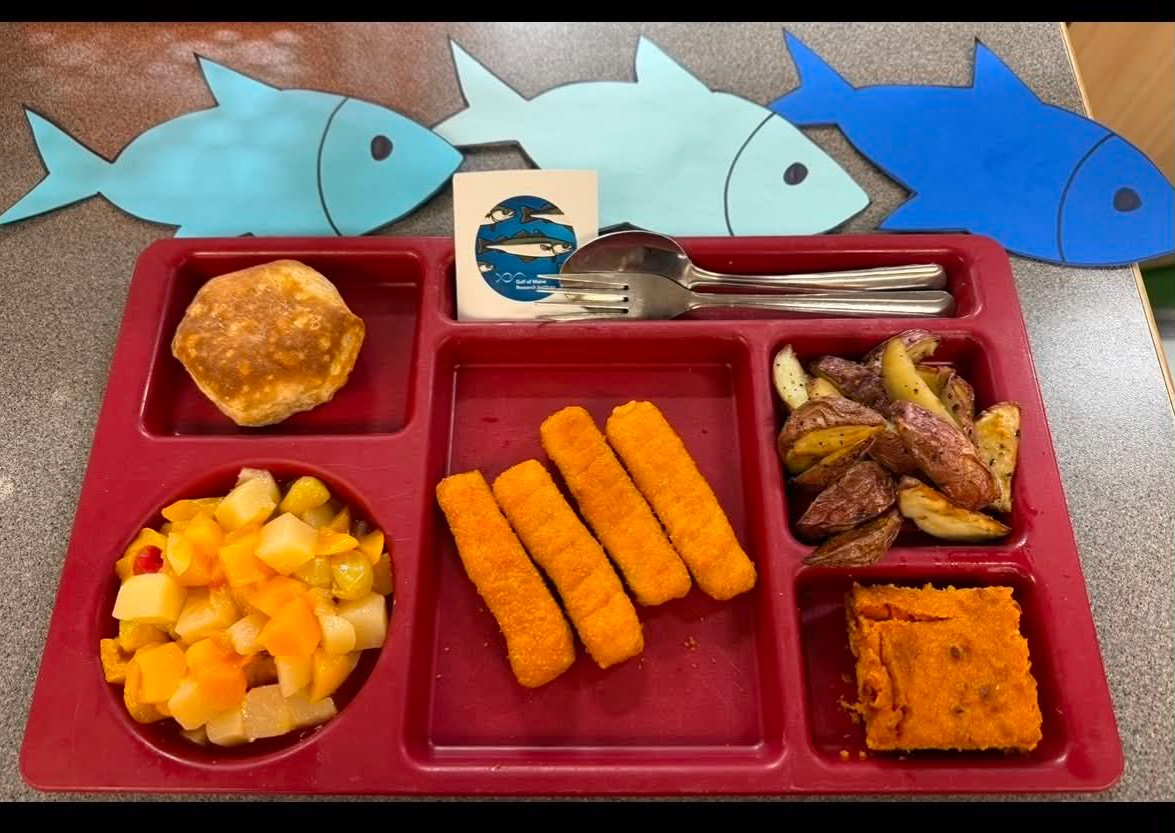
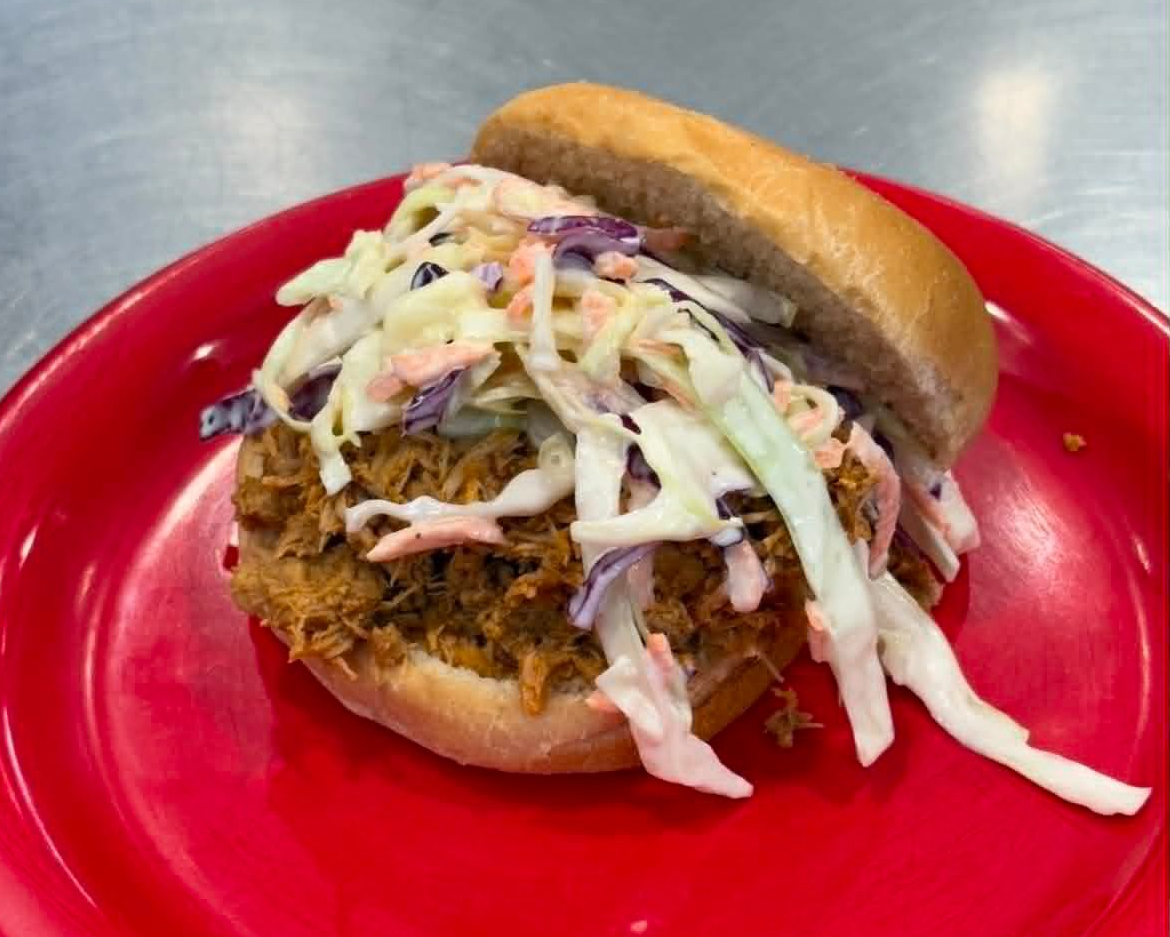
How can we collaboratively improve the food our children eat at school lunch?
I am issuing a challenge to culinary leadership and the culinary graduates and externs across the country: commit to cooking for just one year in a school lunch program. People talk endlessly in academic circles about food insecurity, childhood obesity, and systemic nutrition issues. They write papers, attend panels, and debate policy. Meanwhile, the solution is waiting for us exactly where the food meets the tray.
It requires people who stop talking and start doing… it requires CHEFS!
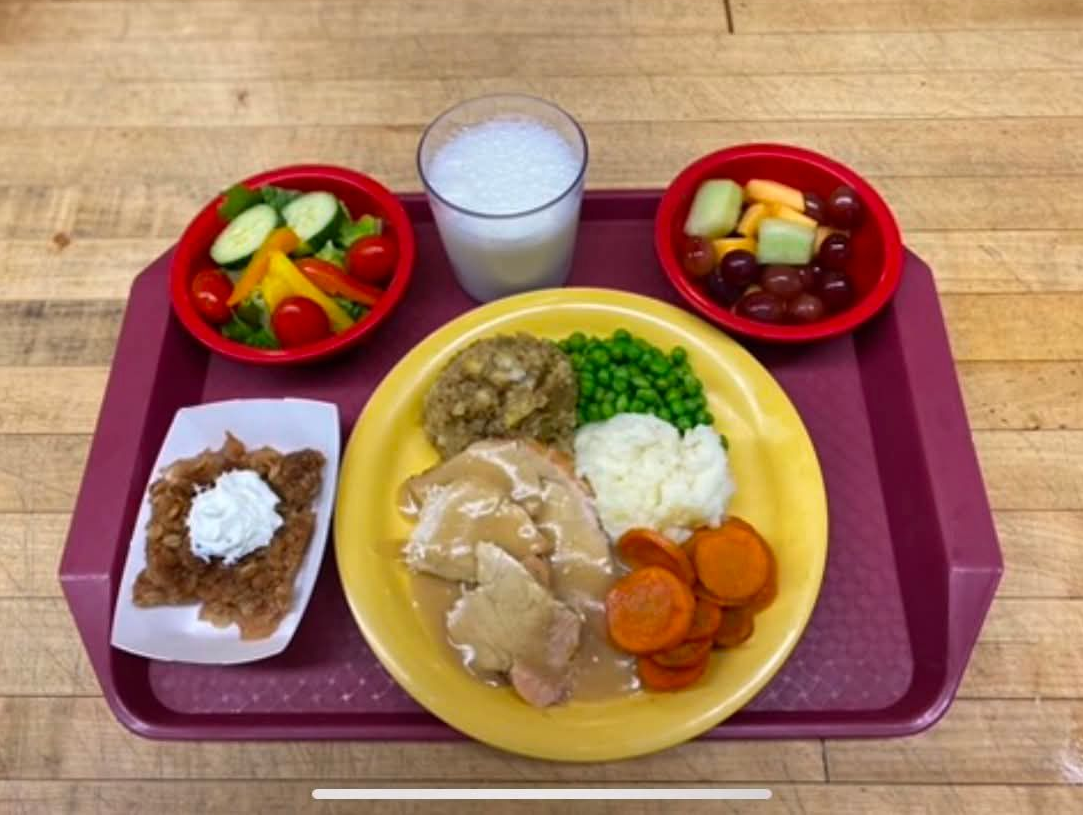
I post quarterly invitations to mentor, coach and just listen to people in the hospitality field. I chat with hundreds of people and find this to be incredibly rewarding. I’ve had so much support in my career-it’s good to pay it back. I was recently on a call with Chef Paul Fucello. Paul is pioneering a lunch program in VT and serving amazing food to the children. His team is sourcing local produce, cheeses and meats and breads to provide delicious and healthy food daily. He hopes other chefs will follow his lead.