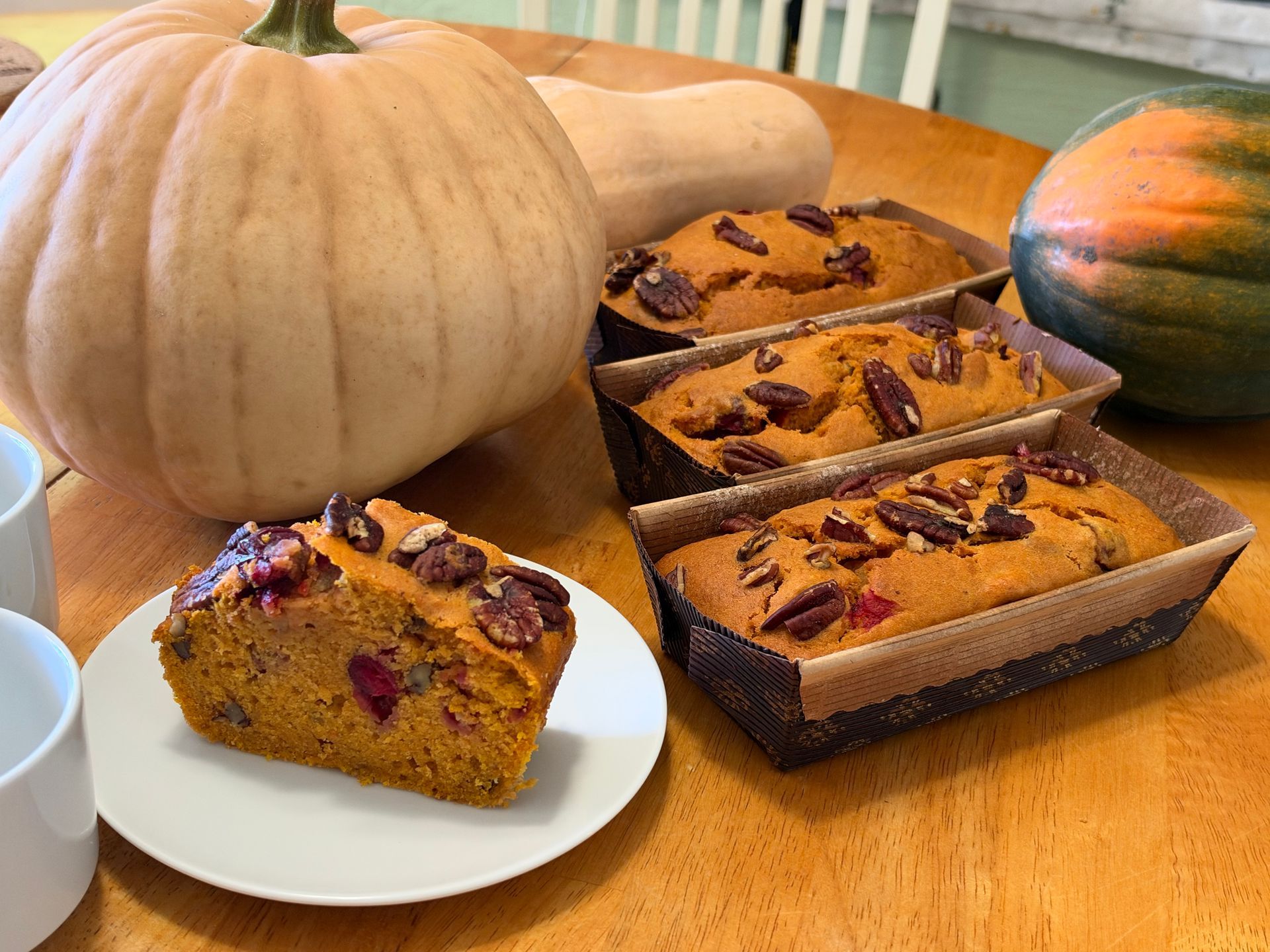
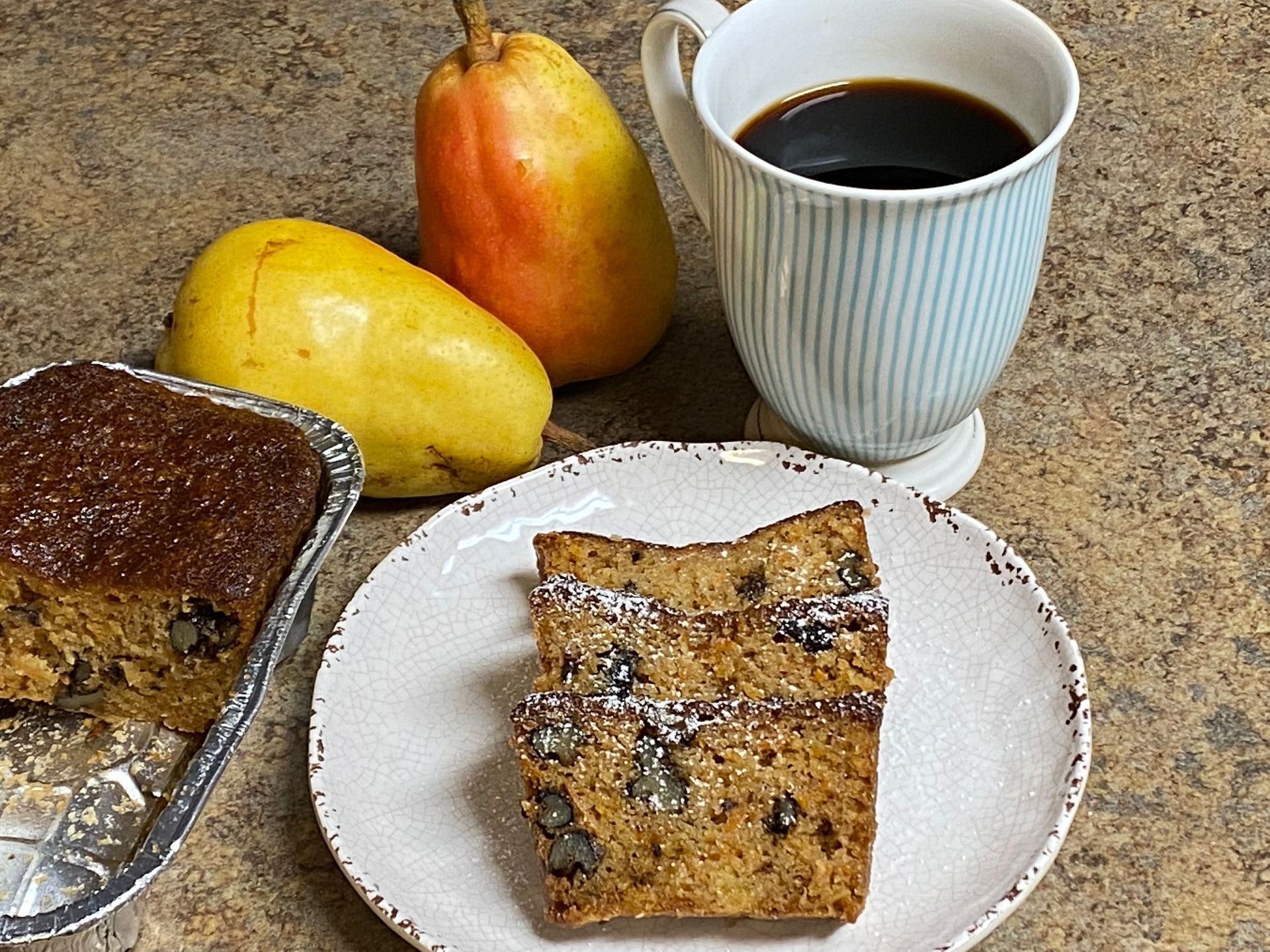
A slice of banana bread is on a plate next to a cup of coffee and pears.
To me, Carrot Cake is a vegetable!
There aren't too many childhood food memories I have of which weren't Italian...
My mother 'Claire's Carrot Cake' is one of the best!
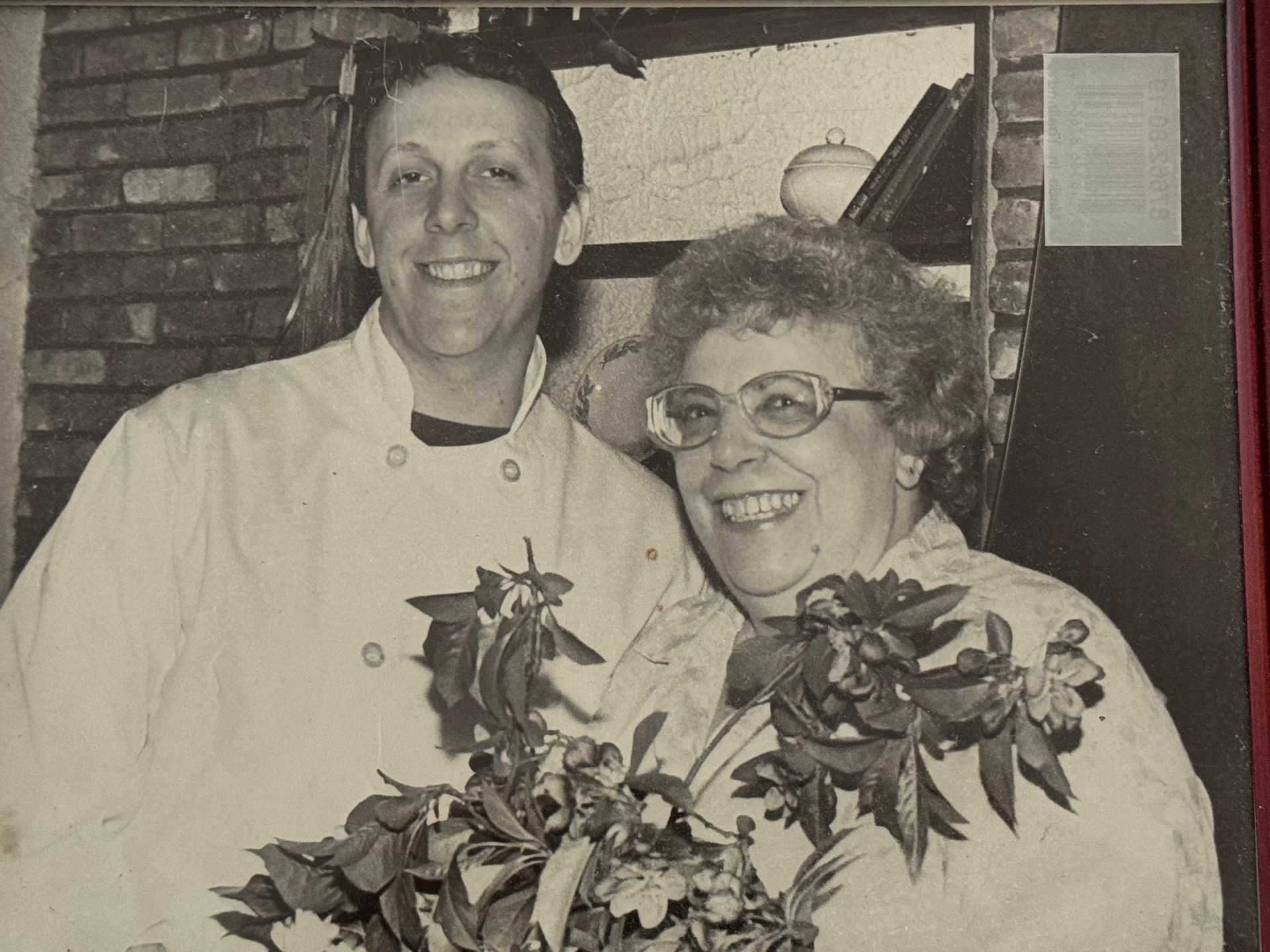
A black and white photo of a man and woman holding flowers
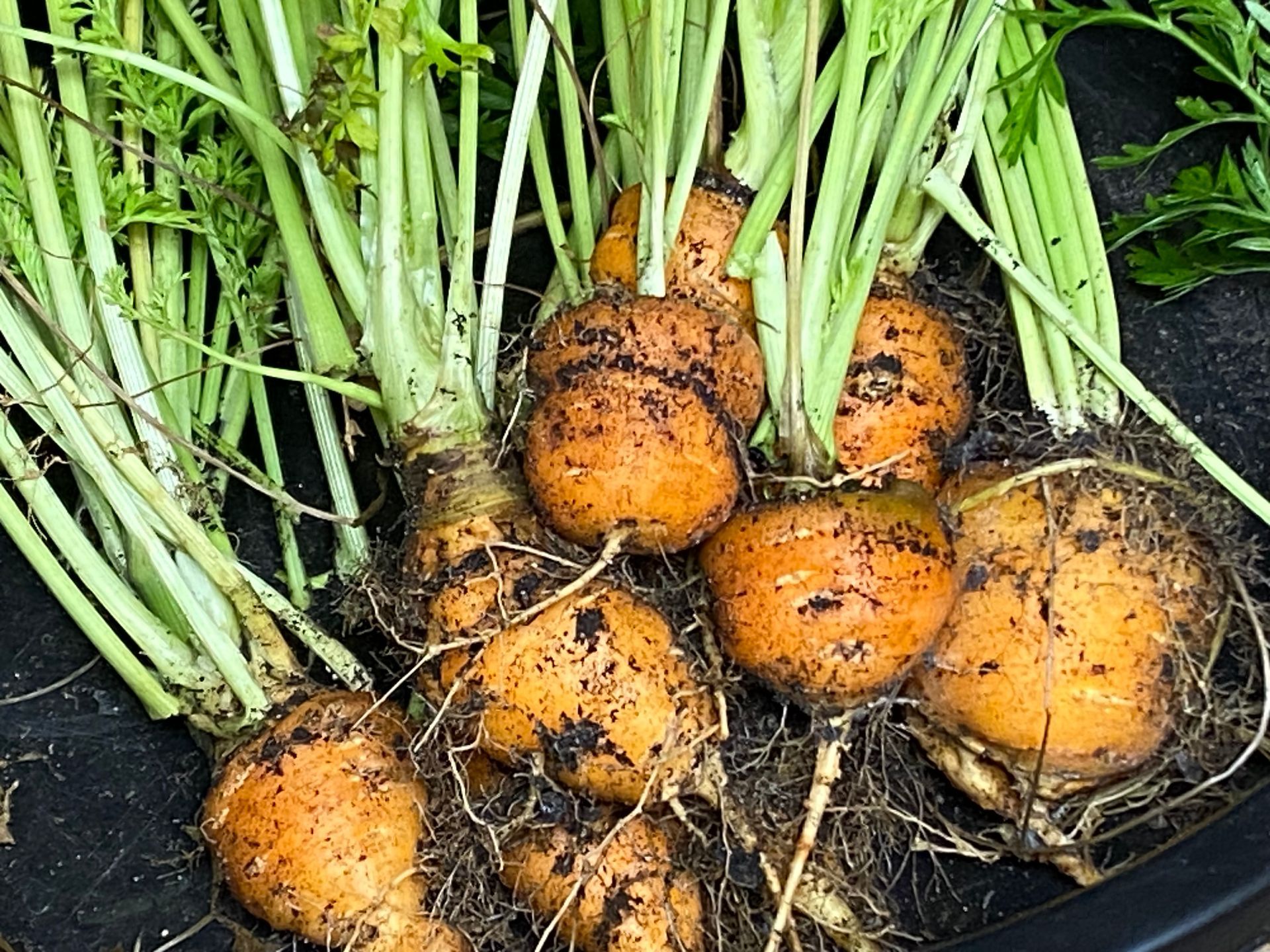
A bunch of carrots are sitting on a black surface.
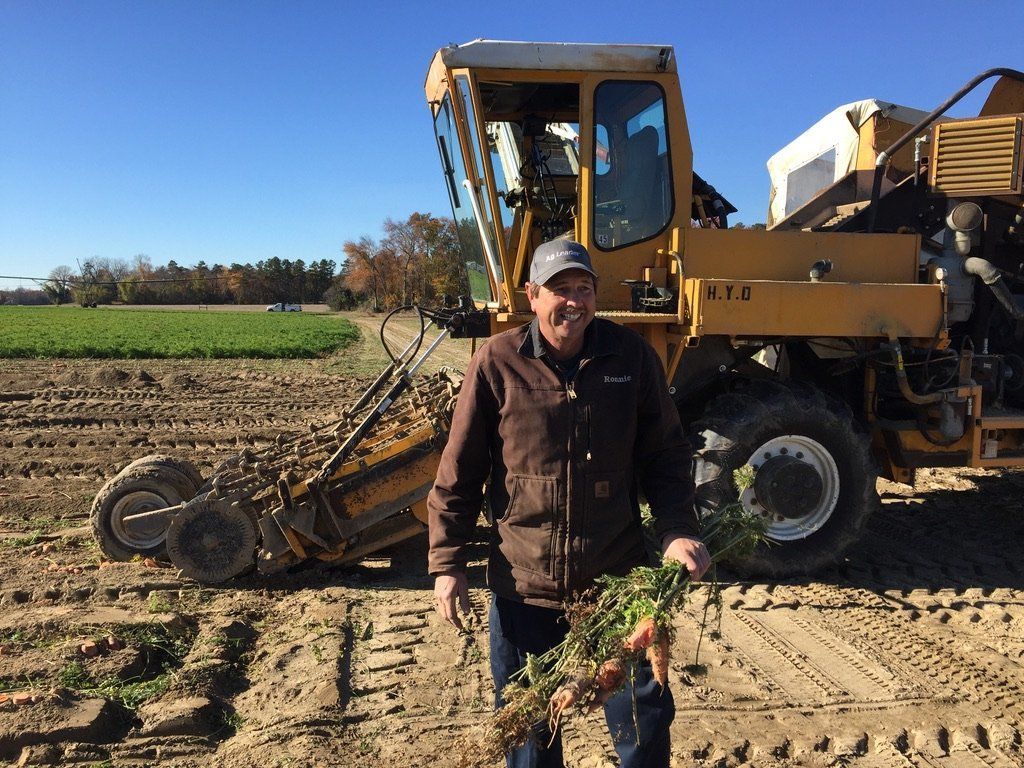
A man is holding a bunch of carrots in front of a tractor.

Prep Time: 20 min

Cooking Time: 30 min

Yield: 6 portions


Ingredients

2 Cups        AP Flour

2 Cups        Sugar

2 tsp            Baking powder

1 1/2 tsp     Baking soda

2 tsp            Cinnamon

1 Cup            Oil

4 ea.             Eggs, cracked &  whisked (no shells)

3/4 Cups     Crushed Pineapple, drained

2 Cups         Carrots, shredded (from your garden)

3/4 Cups     Golden raisins

3/4 Cups     Walnuts, toasted, chopped    

                          (rub the walnut skins off w a towl)


Cream Cheese Frosting

6 oz         Cream cheese

2 Tbsp     Milk

2 tsp         Vanilla extract

41/2  C     Confectioners' sugar


How to Prepare Carrot Cake

Step 1

Blend the flour, sugar, baking powder, baking soda, cinnamon, oil and eggs together in a mixing bowl.

Step 2

Add the pineapple, shredded carrots and blend. Fold in the golden raisins & toasted walnuts.

Step 3

Pour the batter into an oiled/buttered cake mold (I use my brownie pan) and bake at 350 F (preheated oven) for 35 minutes or until the cake is cooked.

Cool at room temperature.

Step 4

To prepare the cream cheese frosting, simply blend the cream cheese, vanilla and sugar together (slow speed at first so the powdered sugar doesn't fly all over the kitchen) until smooth.


I enjoy carrot cake with powdered sugar shaken on top like a spice cake but you can frost the top and/or split and frost middle and top with cream cheese frosting as well.

For special occasions I usually color some of the frosting green and orange and pipe carrot decorations on top of the cake.


Claire's Carrot Cake

At some point my mother learned about Julia Child & began baking Paris Brest, strudels, chocolate cakes &  Carrot cake.

I remember she actually won a baking contest with this Carrot Cake recipe.


I owned a little restaurant & we had a nice, dessert trolley at dinner every night. I made simple 'chef desserts' such as floating islands, mousses, tarts & my mother baked fantasic pound cakes, cookies, pies, cream puffs, etc... & her famous carrot cake! This is us at the restaurant, TW Griffy's on Mother's Day.


Now, I actually grow a few varieties of carrots in the garden at home. I like growing sweet carrots like danvers, dantes and especially the small, round, Thumbelina. The carrots actually get sweeter after being in the ground over the winter.


I'm experimenting with carrot ketchup, bbq and sriracha recipes as well as carrot top pesto and soup recipes.


I did a good amount of carrot research with Ronnie Abrams, an amazing, local carrot farmer in my area. He actually grows acres and acres of carrots for large soup companies & taught me a lot about different varieties of carrots.
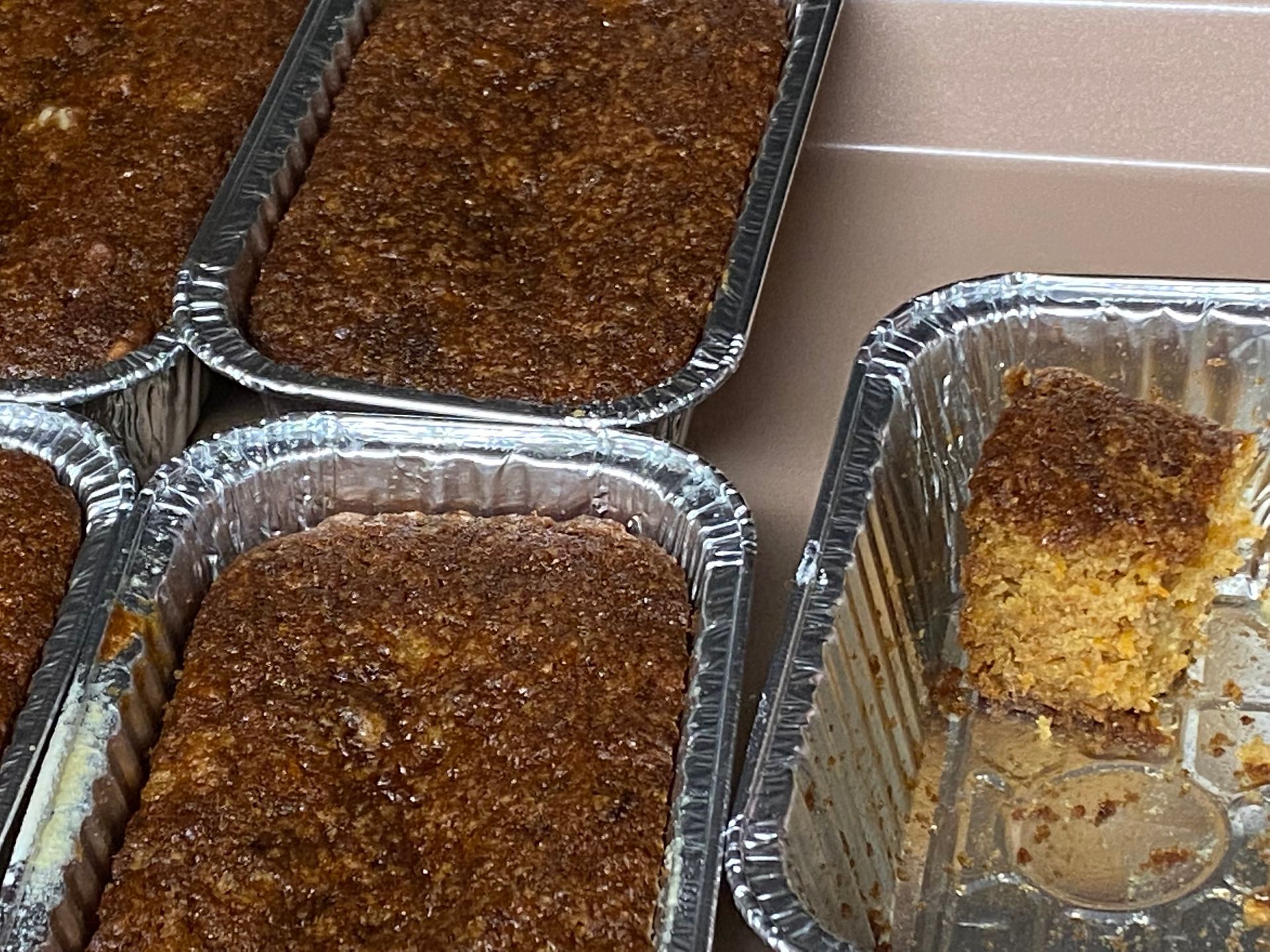


A tray of food with a slice taken out of it
By Tom Griffiths • October 28, 2026
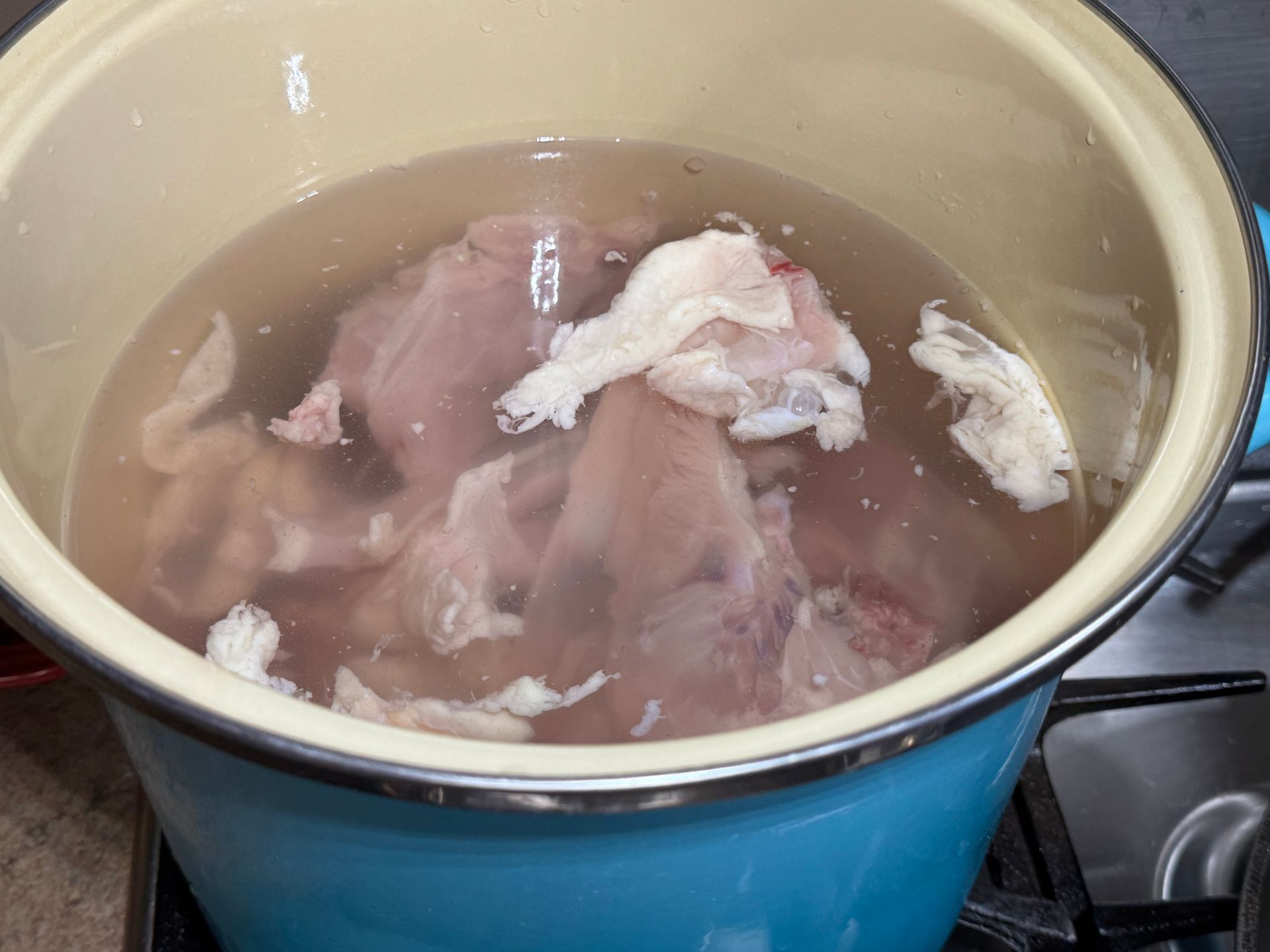
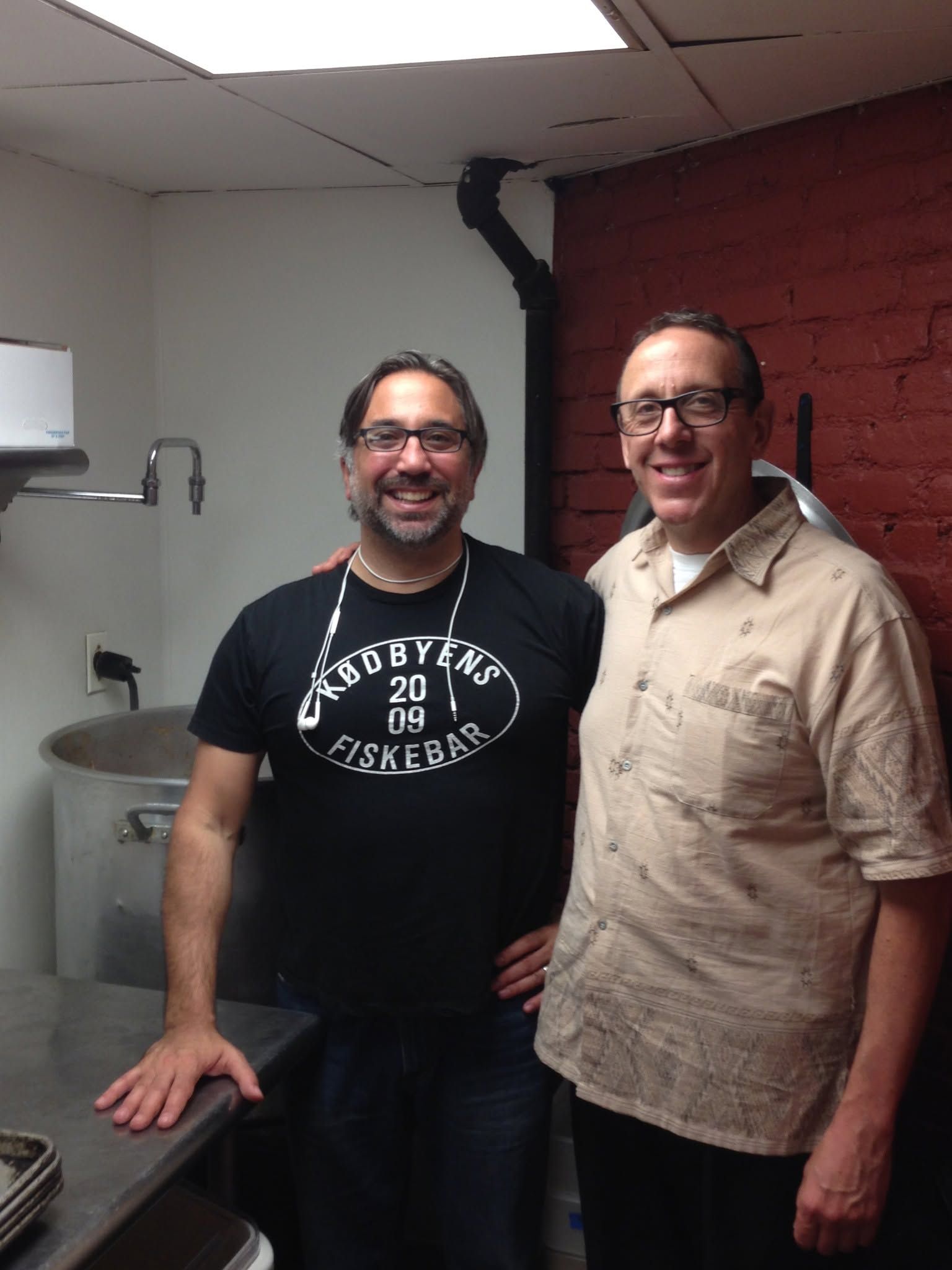
Chef Tom's Cooking Class Minute-Week 13 What the Heck Is Bone Broth? What’s your take on bone broth? Is it a new name for an old culinary tradition, or do you prepare yours differently? It's soup season! I use stock as the foundation for most of my soups. I’m clear on what a stock is, but what exactly is bone broth? I’m not totally sure where the culinary definition ends and the marketing begins. Broths seem to be healthy for us; they can provide protein, gelatin, collagen, electrolytes and amino acids, depending on the ingredients and how they’re prepared. The nutritional value varies, but they can help with hydration and protein intake. I’ve traveled throughout Asia & Europe to learn about stocks, broths and soups-I didn't find much information on bone broths. I even visited Chef Marco Canora, bone broth expert to discuss the recipes & techniques he uses to prepare his delicious Brodo bone broths at his restaurant Hearth in NYC. I think of bone broth as a traditional broth, similar to French petite marmite, Italian brodo, or the rich broths used as the foundation for Japanese ramen. One thing I know for sure: bone broth is not simply a collection of leftover meat and vegetable scraps you’ve saved in the freezer and boiled together when you feel like it! Chef Tom’s Tips: What’s the Difference? Stock: Traditionally prepared with bones, aromatics, seasonings & water. Broth: Prepared with meaty bones, aromatics, seasonings & water. Cooking time depends on the bones and the type of stock you’re making. Fish stock, or fumet, needs only about 30–40 minutes. Chicken stock generally simmers for 3–4 hours. White beef stock may take 5–6 hours. A few important points: I prefer to keep stock at a gentle simmer rather than a rolling boil. Some chefs bring the stock to a boil, strain and rinse the bones, and then start again with fresh water. I prefer not to use this method because I feel we may lose some flavor in the process. Carefully skim fat and impurities from the surface as the stock simmers. This helps produce a cleaner, clearer stock. Remember, stocks are recipes, too. Use consistent measurements so you can standardize your results and reproduce the same quality every time. Generally very little salt is added since stocks are used for a variety of cooking recipes. I also like to experiment with ingredients that add flavor and acidity, such as tomatoes and leeks. Mushrooms, ginger, lemongrass, saffron, star anise and Parmesan cheese rinds can all add another dimension to a broth. Each ingredient brings something different to the pot, so consider the flavor you want in the finished product.  Check out my new Soup e-cookbook, 'From the Pot to the Table' only $9.95! Order your copy here: https://www.globalcuisineconsulting.com/.../from-the-pot...
By Tom Griffiths • October 28, 2026
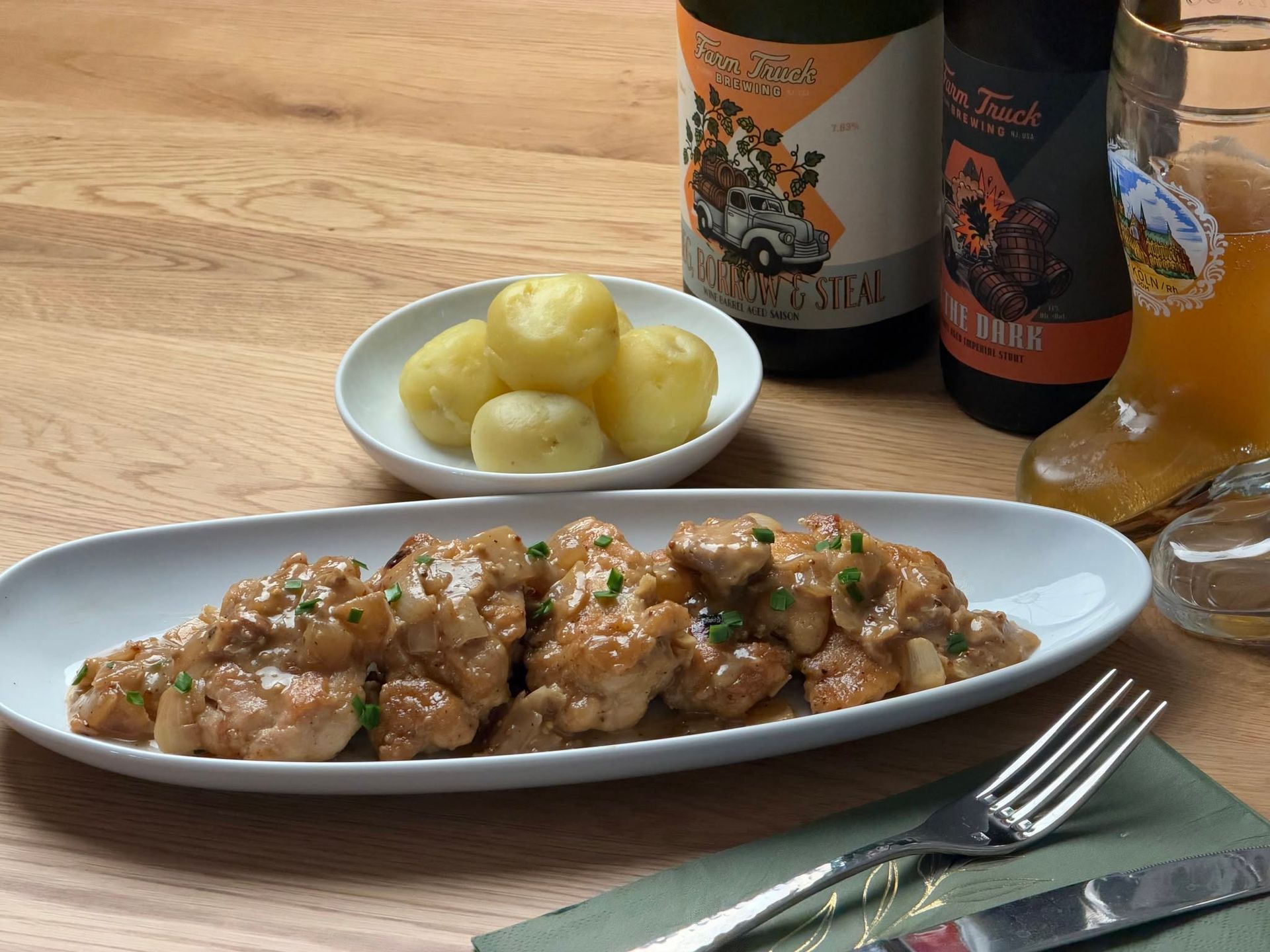
Chef Tom’s Cooking Class Minute – 𝐖𝐞𝐞𝐤 12 𝐌𝐨𝐢𝐬𝐭-𝐇𝐞𝐚𝐭 𝐂𝐨𝐨𝐤𝐢𝐧𝐠: 𝐁𝐞𝐞𝐫 𝐚𝐧𝐝 𝐚 𝐆𝐨𝐨𝐝 𝐁𝐫𝐚𝐢𝐬𝐞 I like beer! And of course, beer is good for more than drinking! It adds a wonderful depth of flavor to soups, stews and braised meats. The trick is choosing the right beer for the dish. A light lager, a malty brown ale and a dark stout each bring something different to the dish. And no, you don't need to use your most expensive bottle to make a good stew! I was reminiscing about International Cuisine class at the Culinary Institute of America. Chef Bruno Ehlmer was my instructor. I still remember the delicious foods we made in class; goulash soup, coulibiac, paella and carbonnade à la flamande, the traditional Flemish beef & onion stew made with dark beer. These were my favorites. There are several local breweries in town, so I recently stopped by to pick up a Belgian-style brown beer for my beer-braised chicken stew with onions. I use local, seasonal ingredients whenever I can, & this seemed like a good excuse to visit a brewery and bring a little Belgian inspiration into my kitchen. I had a fantastic Octoberfest in my research that day… hahaha 𝐀 𝐅𝐞𝐰 𝐓𝐢𝐩𝐬 𝐟𝐨𝐫 𝐚 𝐩𝐫𝐨𝐩𝐞𝐫 𝐁𝐫𝐚𝐢𝐬𝐞 𝐋𝐨𝐰 𝐚𝐧𝐝 𝐬𝐥𝐨𝐰 cook it slowly in a flavorful, fairly thick gravy. In my experience, cooking at too high a temperature or in a thin liquid leaves the meat stringy instead of tender & succulent. 𝐁𝐮𝐢𝐥𝐝 𝐭𝐡𝐞 𝐟𝐥𝐚𝐯𝐨𝐫 𝐟𝐢𝐫𝐬𝐭 dredge the seasoned meat in sifted flour & brown it in clarified butter with sliced onions. This dish is flavored with mustard, vinegar, a little brown sugar & thickened with bread. 𝐋𝐞𝐭 𝐭𝐡𝐞 𝐨𝐯𝐞𝐧 𝐝𝐨 𝐭𝐡𝐞 𝐰𝐨𝐫𝐤 braise or stew in a covered pot in the oven. I like Le Creuset pots & pans. The heat is more even, and there is less chance of scorching the bottom of the pan. Uncover the pan for the final 30 minutes so the sauce can reduce and form a delicious glaze over the meat. 𝐂𝐡𝐨𝐨𝐬𝐞 𝐲𝐨𝐮𝐫 𝐜𝐡𝐢𝐜𝐤𝐞𝐧. I like Bell & Evans chicken thighs for this method. I often leave the skin on for flavor and brown it well before braising. I leave the bones in, but boneless thighs are perfectly fine. You can even cut them into bite-sized pieces for easier serving. The skin can be left on the plate or eaten, depending on your preference. Serve the stew with buttered noodles or boiled potatoes. Both are excellent for soaking up the gravy. One last tip: Don't assume that any beer will give you the same result. Think about how the bitterness, maltiness or roasted flavors will work with the meat & sauce. What beer do you like to cook with?
By Tom Griffiths • October 22, 2026
In my opinion, a great broth begins with a properly prepared stock. Homemade stock is one of the fundamentals I encourage every cook to learn. It is quite simple to prepare but takes some time, but much of that time is hands-off, and the results are worth the effort. I understand that there are plenty of stock 'products' on the market-bases, bouillon cubes, shelf stable boxes etc... these are simply not good. My approach is straightforward: start with good ingredients and give them the time they need. Fish stock requires only about 30–40 minutes, while chicken stock generally takes three to four hours. Beef stocks can take considerably longer, depending on the bones and the result you want. I prefer a gentle simmer rather than a rolling boil. It helps keep the stock clear, and careful skimming and proper straining make a difference in the finished product. There is plenty of room to experiment, too. Mushrooms, ginger, lemongrass, herbs, spices and Parmesan rinds can add their own character to a broth.
By Tom Griffiths • October 9, 2026
Chef Tom’s Cooking Class Minute — Week 11 The Garden Is Telling Me It’s Fall
By Tom Griffiths • October 1, 2026
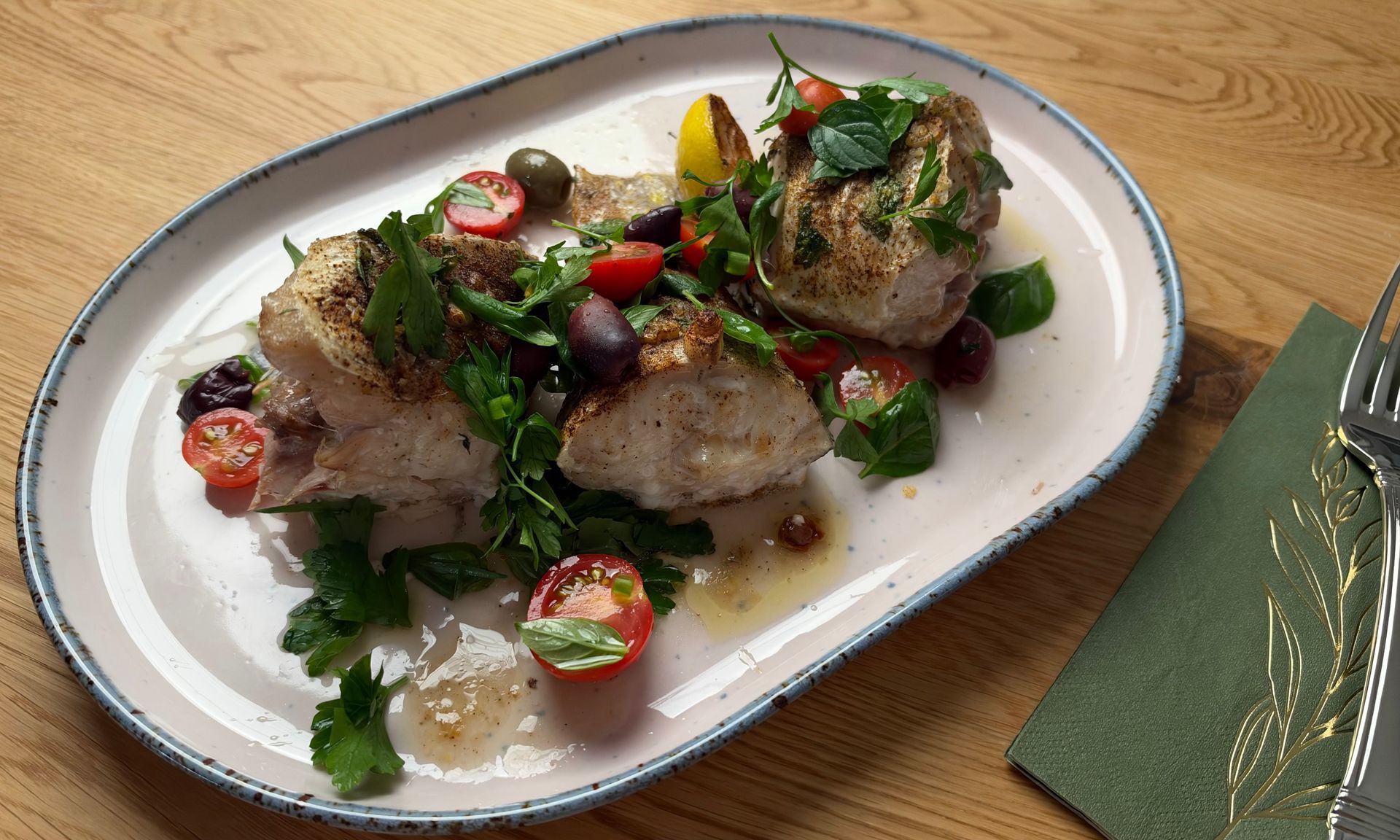
Chef Tom’s Cooking Class Minute — Week 10 Roasting Fish Let the Fish Taste Like Fish
By Tom Griffiths • October 1, 2026
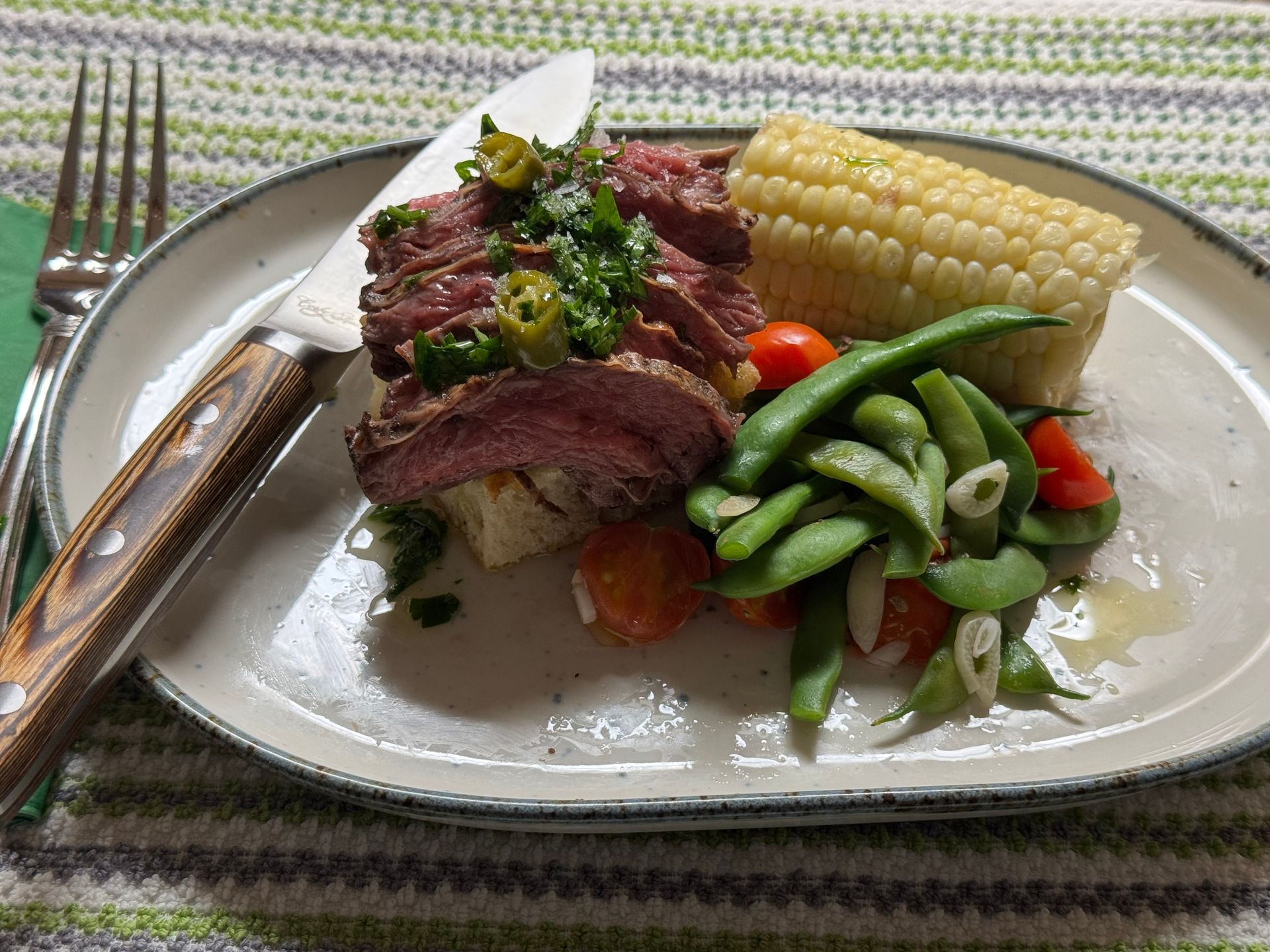
Chef Tom's Cooking Class Minute: Week 9 Late Summer Grilling: Great Steak Doesn’t Have to be a Ribeye
By Tom Griffiths • October 1, 2026
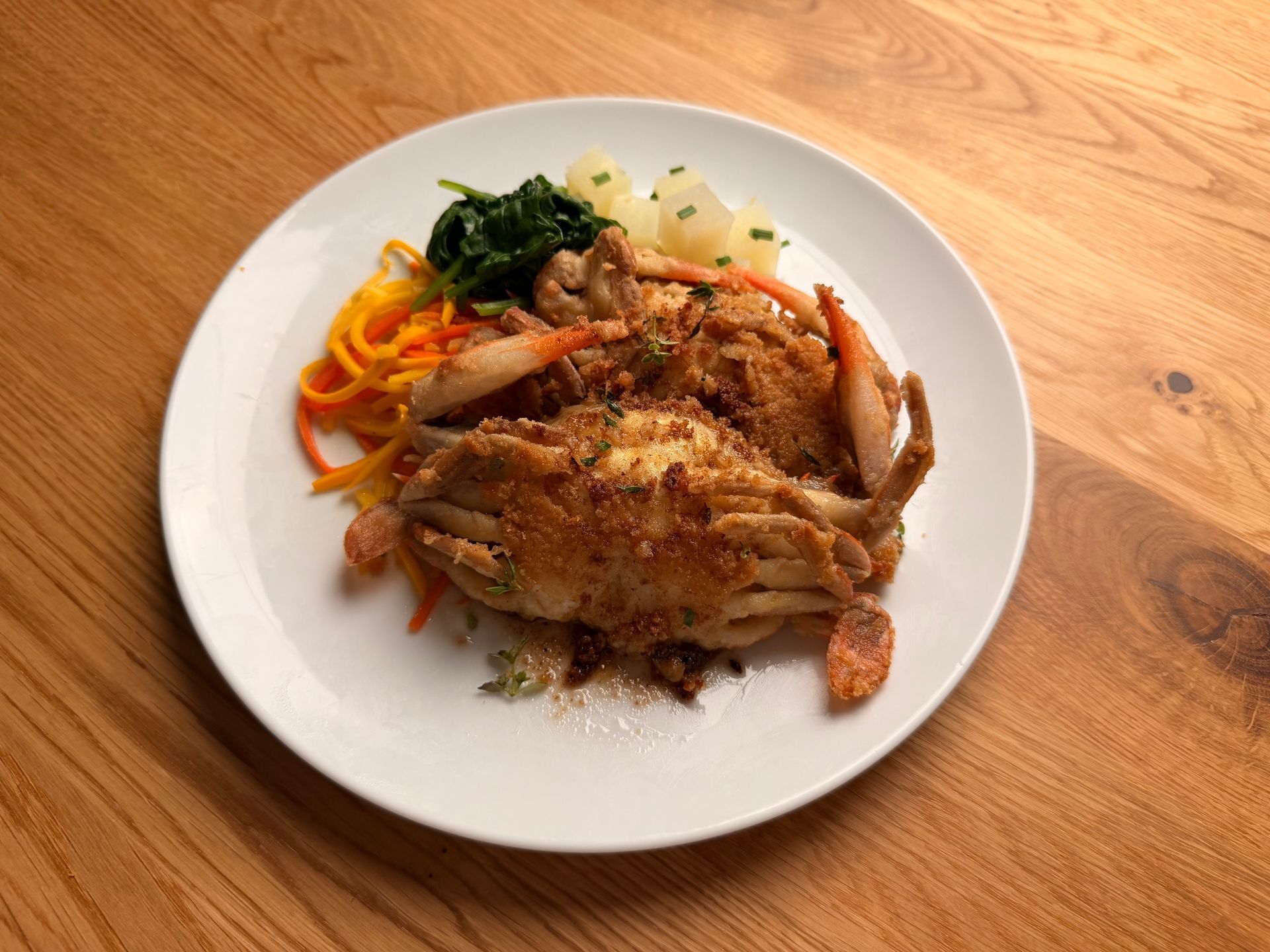
Chef Tom's Cooking Class Minute: Week 8 Soft Shell Crabs-What’s Your Favorite Way to Eat Them?
By Tom Griffiths • October 1, 2026
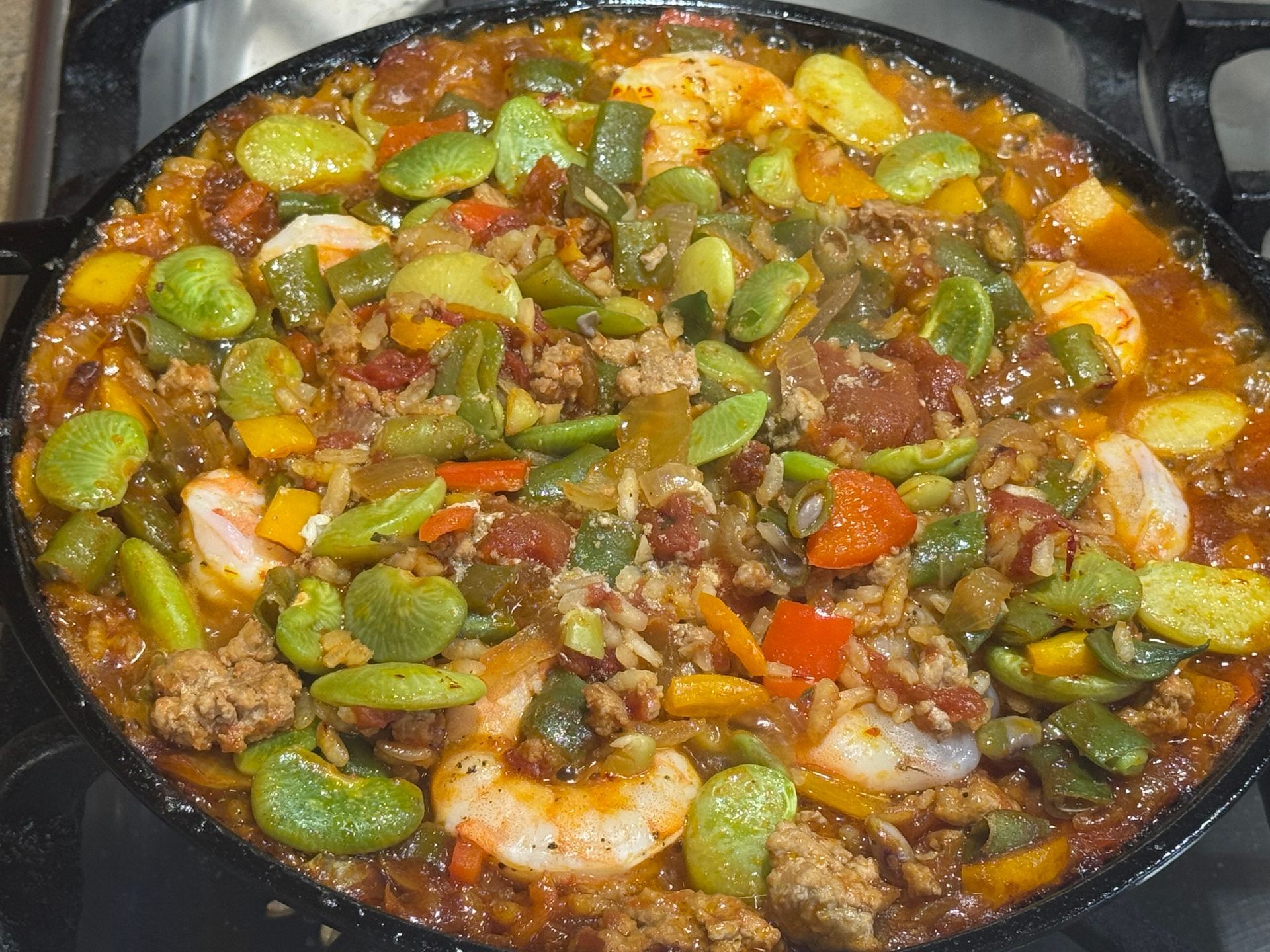
Chef Tom's Cooking Class Minute: Week 7 Fava Beans
By Tom Griffiths • September 4, 2026
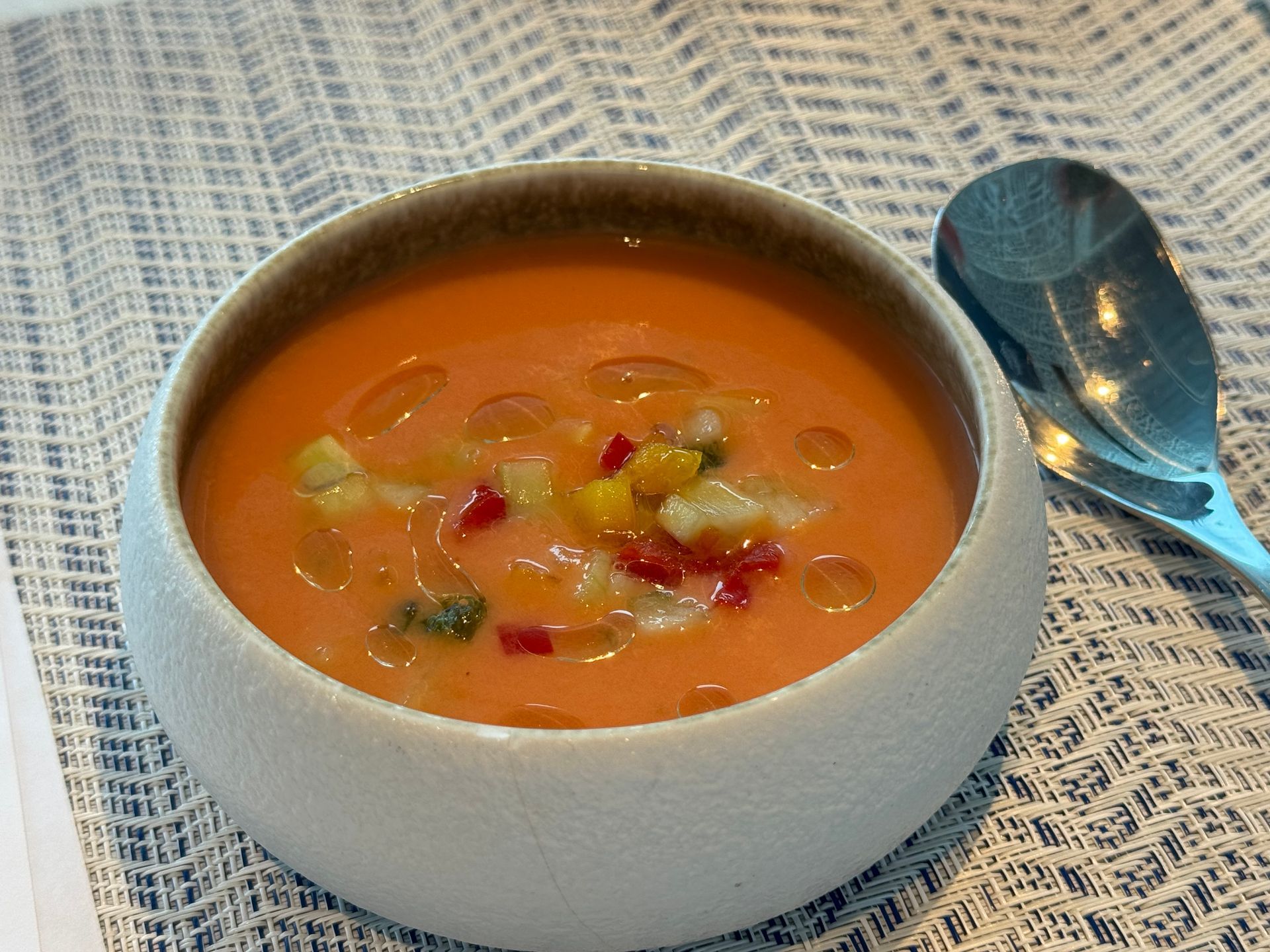
Chef Tom's Cooking Class Minute: Week 6 Gazpacho & Summer Tomatoes
By Tom Griffiths • September 4, 2026
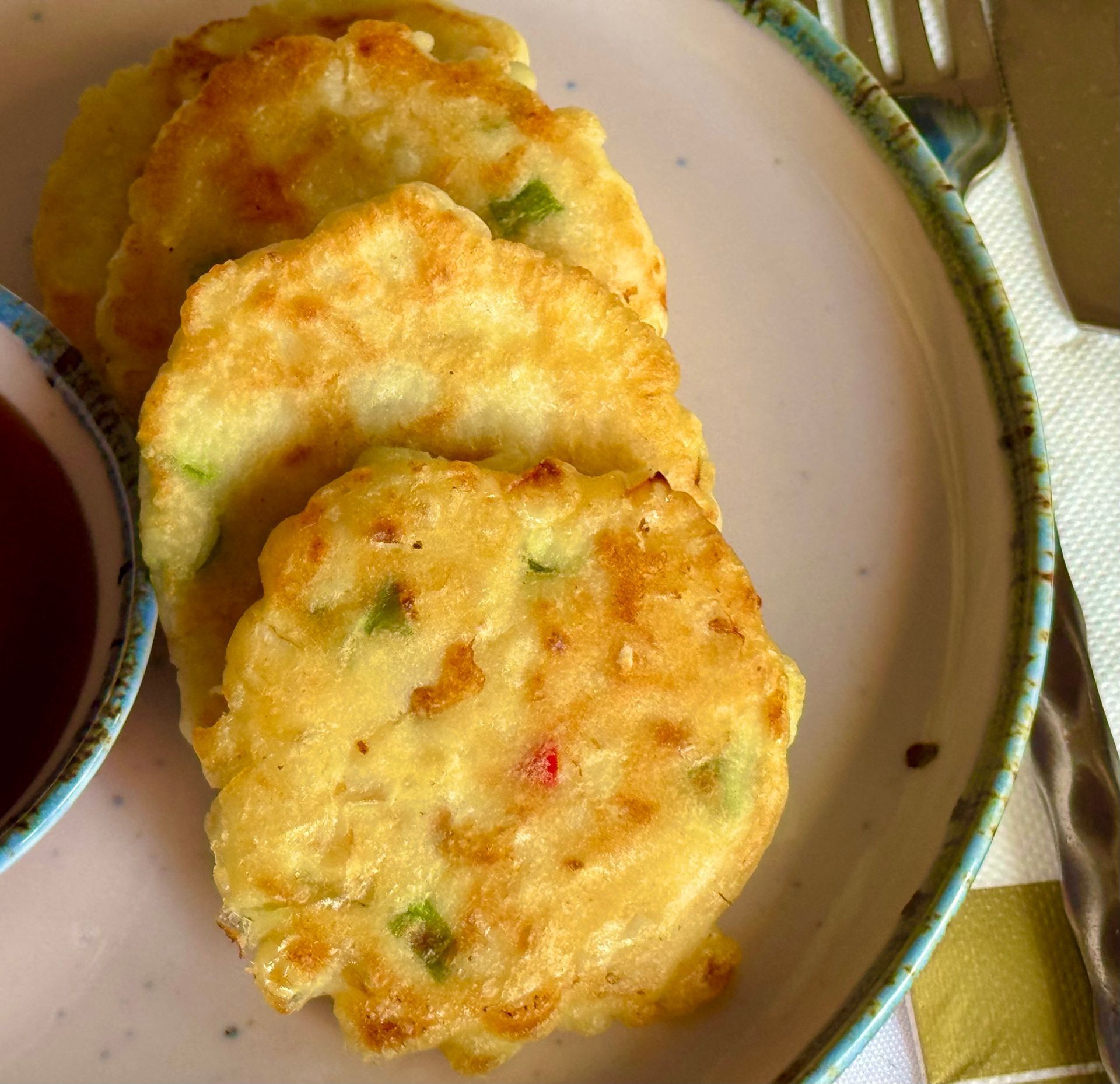
Chef Tom's Cooking Class Minute: Week 5 Summer Corn: Soup, Grill, Roast or Fritters?