My first professional cooking job was in a continental restaurant built on a large, docked ship. I was hired as the garde manger cook for my culinary school externship.

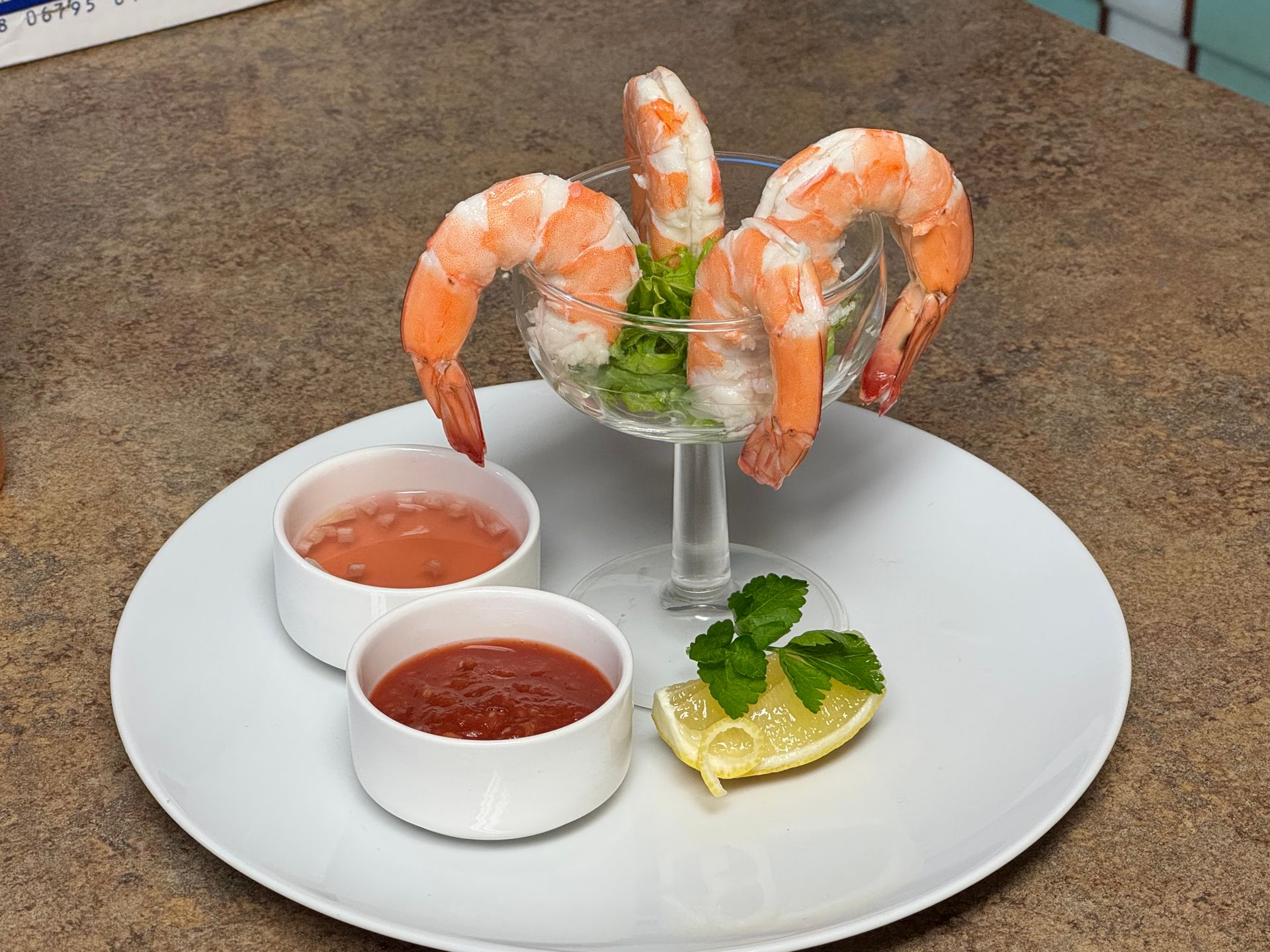
During my externship I must have cooked and peeled hundreds of pounds of shrimp, opened thousands of clams and oysters and prepared gallons of tangy, cocktail sauce during that five month period.

I can still remember the aroma of the chili sauce when I opened the number 10 cans...

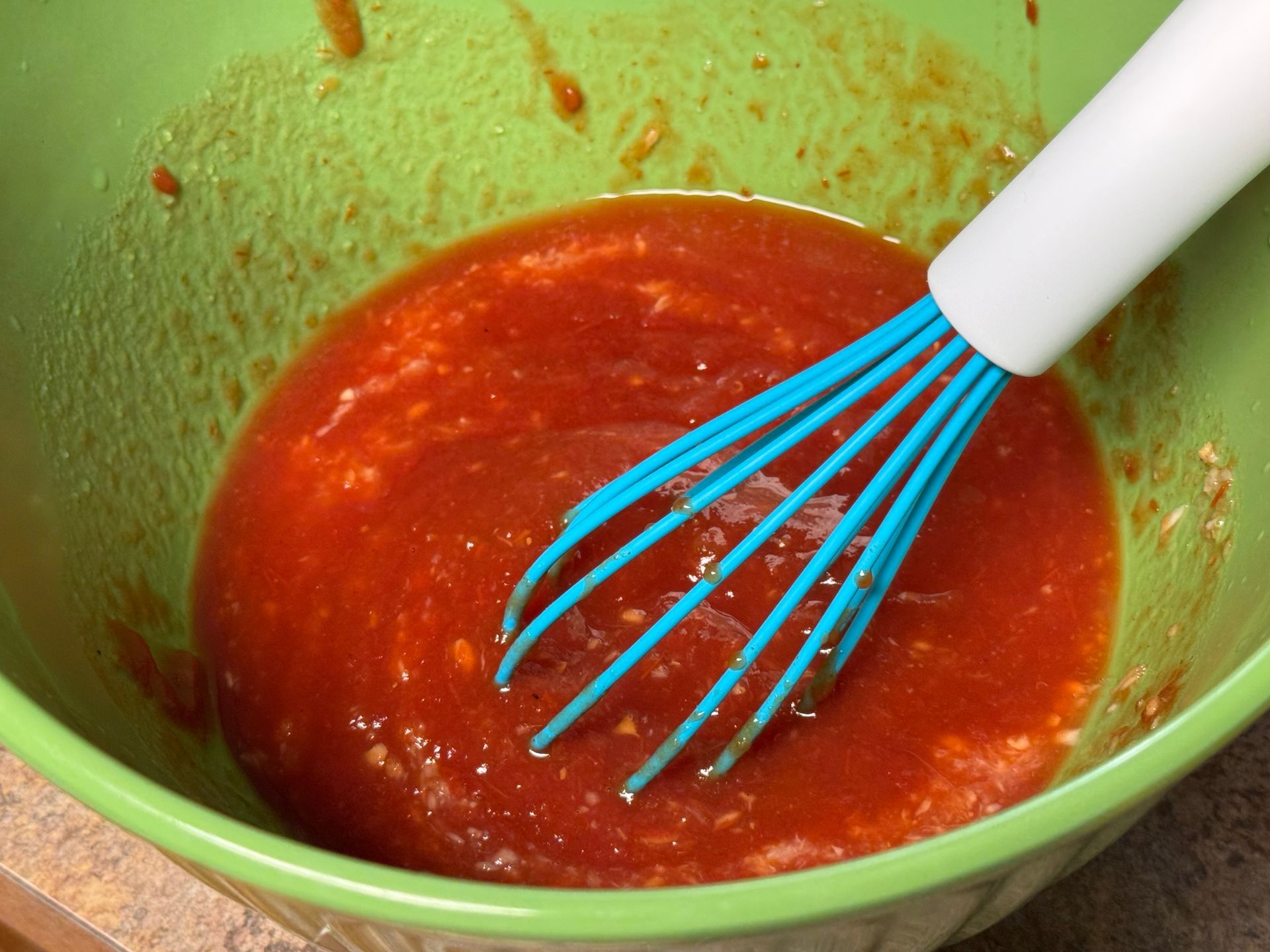
Cocktail Sauce

Condiments have become very popular as sauces in modern cooking. One of my favorite condiments is Cocktail sauce, as it’s known today.

Cocktail sauce emerged in the late 19th to early 20th century, with the growing popularity of chilled seafood in the United States. Early versions were influenced by European sauces served with shellfish—particularly horseradish-based accompaniments common in Britain and northern Europe.

In America, these sauces evolved into a standardized blend of ketchup, chili sauce, prepared horseradish, lemon juice, worcestershire and seasonings, creating the familiar sweet and tangy cocktail sauce we enjoy with shrimp, clams and oysters.

Cocktail sauce pairs well with seafood because it provides contrast. The acidity brightens mild, briny shellfish, the sweetness balances salinity, and the sharp heat of horseradish cuts through richness while stimulating the palate. 

Cocktail Sauce

Prep Time: 30 min

Yield:  1 Qt


Ingredients                                          

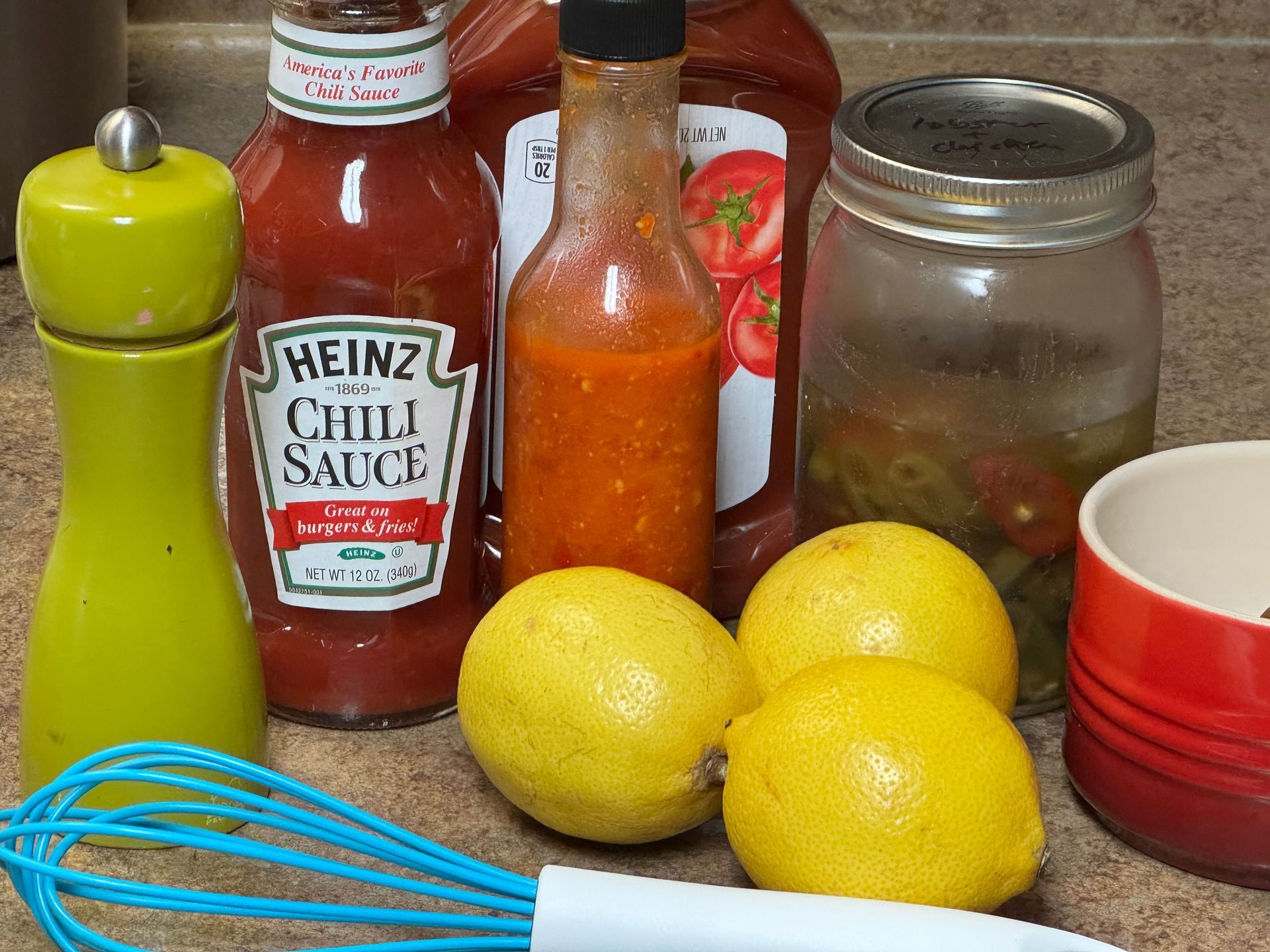
2 Cups             Chili sauce

1 1/2 Cups       Ketchup

3 Tbsp.            Cider Vinegar (I like homemade vinegar with sliced peppers for flavor)

1 tsp.                Worcestershire Sauce

tt t                    Prepared Horseradish (I like it tangy & add 3 Tbsp)

2 tsp                Lemon juice

t.t.                    Hot sauce (I like Sriracha)

tt                      Kosher Salt & Black Pepper


How to Prepare Cocktail Sauce

Step 1

Assemble all of the ingredients;


Add all of the ingredients into a bowl and blend together with a whisk to incorperate.


Season to taste.
By Tom Griffiths January 1, 2026
One of my most memorable roast duck meals with in Lyon, France. I was in France with two other CIA instructors, cooking a dinner for expats with the local, French chefs. We dined at Paul Bocuse's restaurant one night and Chef Bocuse came to our table to greet us. He announced he would be roasting a duck for us in the hearth that evening! Can you imagine-the room fell silent and all of the diners looked at us (rather jealousy)...  Three of my favorite duck preparations, each showcasing a different culinary tradition are: Peking Duck (China) A highly refined preparation where the duck is air-dried, roasted until the skin is exceptionally crisp, and traditionally served with thin pancakes, scallions, cucumber, and hoisin sauce. The focus is on lacquered skin and precise carving. I had this meal several times in Beijing with some of the amazing Campbell Soup leadership team. Duck à l’Orange (France) A hallmark of French cuisine, this dish pairs roasted duck with a bittersweet orange sauce made from a gastrique (bitter, caramelized sugar), vinegar, citrus, and stock—highlighting the balance of richness and acidity. Confit de Canard (France) Duck legs are salt-cured, slowly cooked in their own fat, and then crisped before serving. Originally a preservation method, confit delivers deeply savory flavor and meltingly tender meat. I enjoyed duck confit many times with Beaujolais while in France.
By Tom Griffiths December 31, 2025
My favorite shrimp are 16/20 tiger shrimp! I love the crunchy bite and visual appearance. I always get 'shell on' so I can use the shells for stocks and sauces. Shrimp are classified primarily by size, typically expressed as a count per pound (for example, 16/20 or 26/30), with smaller numbers indicating larger shrimp. For shrimp cocktail, larger sizes—such as U10, 16/20, or 21/25—are preferred for their dramatic presentation and juicy bite. Shrimp can be purchased fresh or frozen, head on or off, raw, cooked, peeled... Common types include white shrimp (mild and tender), brown shrimp (slightly firmer with a deeper, iodine-rich flavor), pink shrimp (sweet and delicate), and tiger shrimp or prawns (large, meaty, and visually striking).
By Tom Griffiths December 27, 2025
One of the first thing students at the CIA learn to cook is vegetables. I suspect cabbages are not the most popular veggies in the United States but I'm certainly a fan!  I actually prepared braised red cabbage with a poached, sliced stuffing roll and roasted goose on the 10th and final day of the CMC exam. The CMC proctor made me julienne the core of the cabbage... Chefs know all about adding vinegar to keep red cabbage from turning blue!
By Tom Griffiths December 27, 2025
I would consider stuffing poached in a napkin as a roullade or torchon (like a foie gras torchon). It is a European technique where seasoned bread stuffing is formed into logs, wrapped tightly in a damp linen napkin or cheesecloth (or plastic wrap), and then gently poached to create moist, cohesive, flavorful stuffing 'log', perfect for slicing and serving with gravy. I like to slice and gently toast in butter to serve with pork or poultry.  I learned to prepare stuffing, rolled in a cloth napkin and poached in chicken broth at the CIA. I actually prepared this and served this stuffing roll sliced with roasted goose and braised red cabbage on the 10th and final day of the CMC exam.
By Tom Griffiths December 17, 2025
Butter, spices, and traditional family recipes bring us together in the simplest—and most meaningful—ways. This is a cookie my mother baked at Easter time. The lemon sugar crust is delicious... perfect with coffee or tea.
By Tom Griffiths December 17, 2025
Butter, spices, and traditional family recipes bring us together in the simplest—and most meaningful—ways. Christmas cookies are more than nostalgic treats; they’re a celebration of childhood memories, and maybe cookies help to make us all a little more patient, thoughtful & friendly each holiday season. I remember driving with my father to the city each Christmas to pick up Aunt Flora. She would send us out with decorative plates of homemade, Italian Christmas cookies to deliver to the local relatives. It was always snowing-we would spend a few minutes visiting each family, have a few cookies and a glass of sweet wine or coffee. My mother and aunts began baking cookies the day after Thanksgiving. They filled the freezer with shoe boxes of cookies lined with wax paper for protection... frozen cookies are pretty delicious!
By Tom Griffiths December 15, 2025
Years ago I traveled to Santa Fe and Alburque with my son Ciro. We enjoyed fantastic Southwest cuisine at local shops and cafes. A highlight was purchasing fresh pine nuts in the shell- a little challenging to get the nuts out of the shells but the flavor was fantastic.
By Tom Griffiths December 15, 2025
I taught garde manger for years at the CIA... it was one of my favorite classes. I love caviar, foie gras, preparing hors d' oeuvres, decorative platters and especially forcemeats. And yes... I love making watermelon carvings too!
By Tom Griffiths December 8, 2025
I was amazed to learn of a French Tomato sauce (Sauce Tomat) as a young, CIA students many years ago. It's very different than the Italian sauce my mother made each week for Sunday dinner. I enjoy purchasing cases of inexpensive, local tomatoes in late summer called 'seconds'. These tomatoes are generally ripe, bruised tomatoes which I wash, chop and freeze to invite a taste of summer in my kitchen during the cold, winter months.
By Tom Griffiths December 3, 2025
Choosing Garlic: For the best flavor, select firm, heavy heads with tight skins. Hardneck garlic varieties (such as Music or German Red) offer more complexity and a cleaner heat than most supermarket softneck varieties. Preventing Bitterness: Garlic burns quickly. Add minced garlic to warm—not scorching—fat, and cook just until fragrant. Overcooking turns it harsh and metallic. Balancing Butter & Olive Oil: A blend of butter for richness and extra-virgin olive oil for aroma delivers a more nuanced flavor and prevents the butter from over-browning under the broiler. their color and freshness.