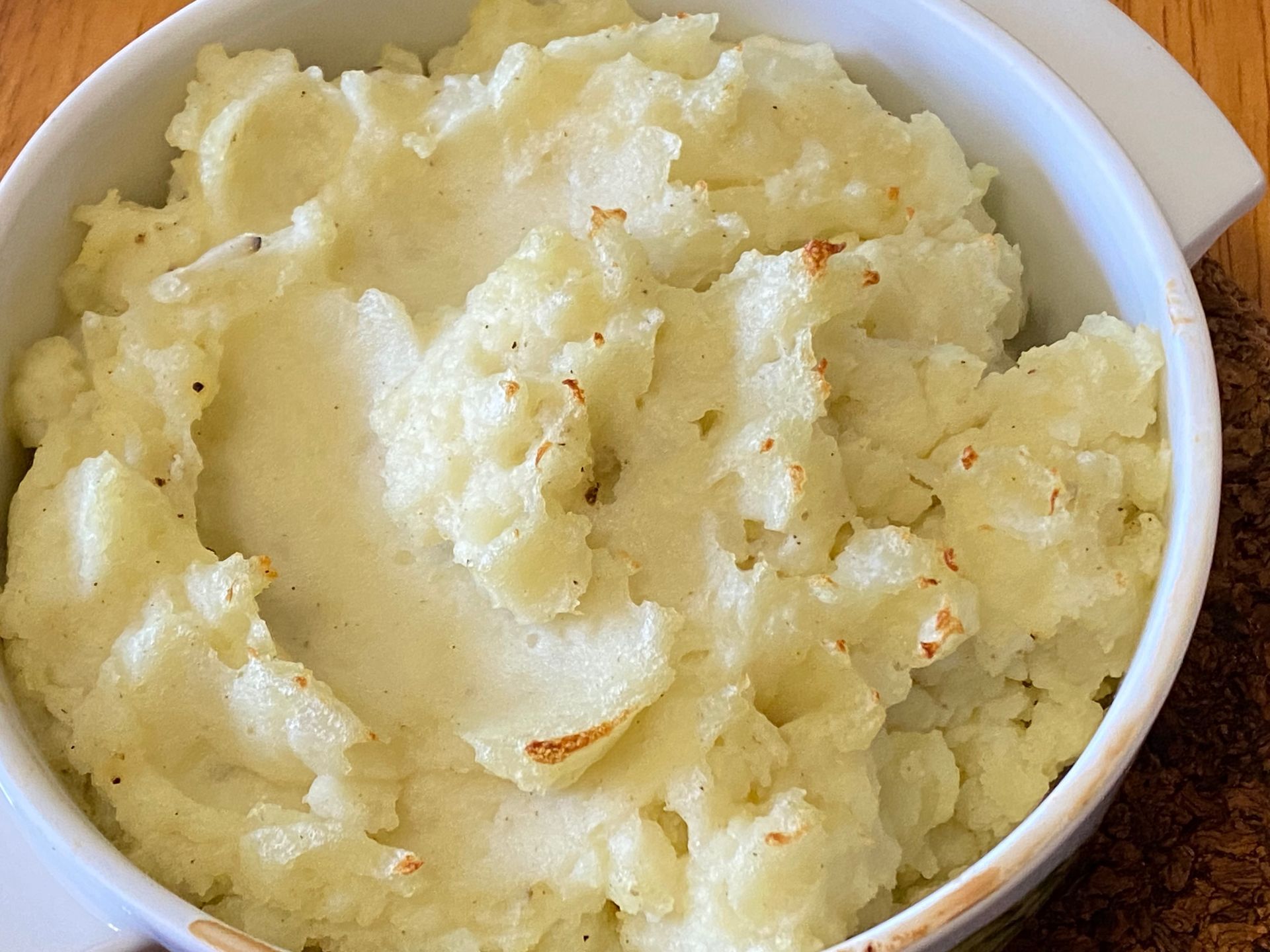
A bowl of mashed potatoes is sitting on a wooden table.

Mashed Potatoes

This is a simple, delicious recipe with very few ingredients. I prefer starchy potatoes such as russet or yukon gold for mashed potatoes. I think red potatoes are great for salads-I'm not a fan of 'smashed potatoes' as I find the red skins to be bitter.

Prep Time: 10 min

Cooking Time: 30 min 

Ingredients

5 ea.        Idaho potatoes                                                                                                     

1/4 lb       Butter, softened                                                                                             

3-4 tbsp  Milk/ Heavy cream, warm                                                                                                

t.t.            Kosher Salt & Black pepper                                                                           

1/4 tsp    Nutmeg                               

How to prepare Mashed Potatoes
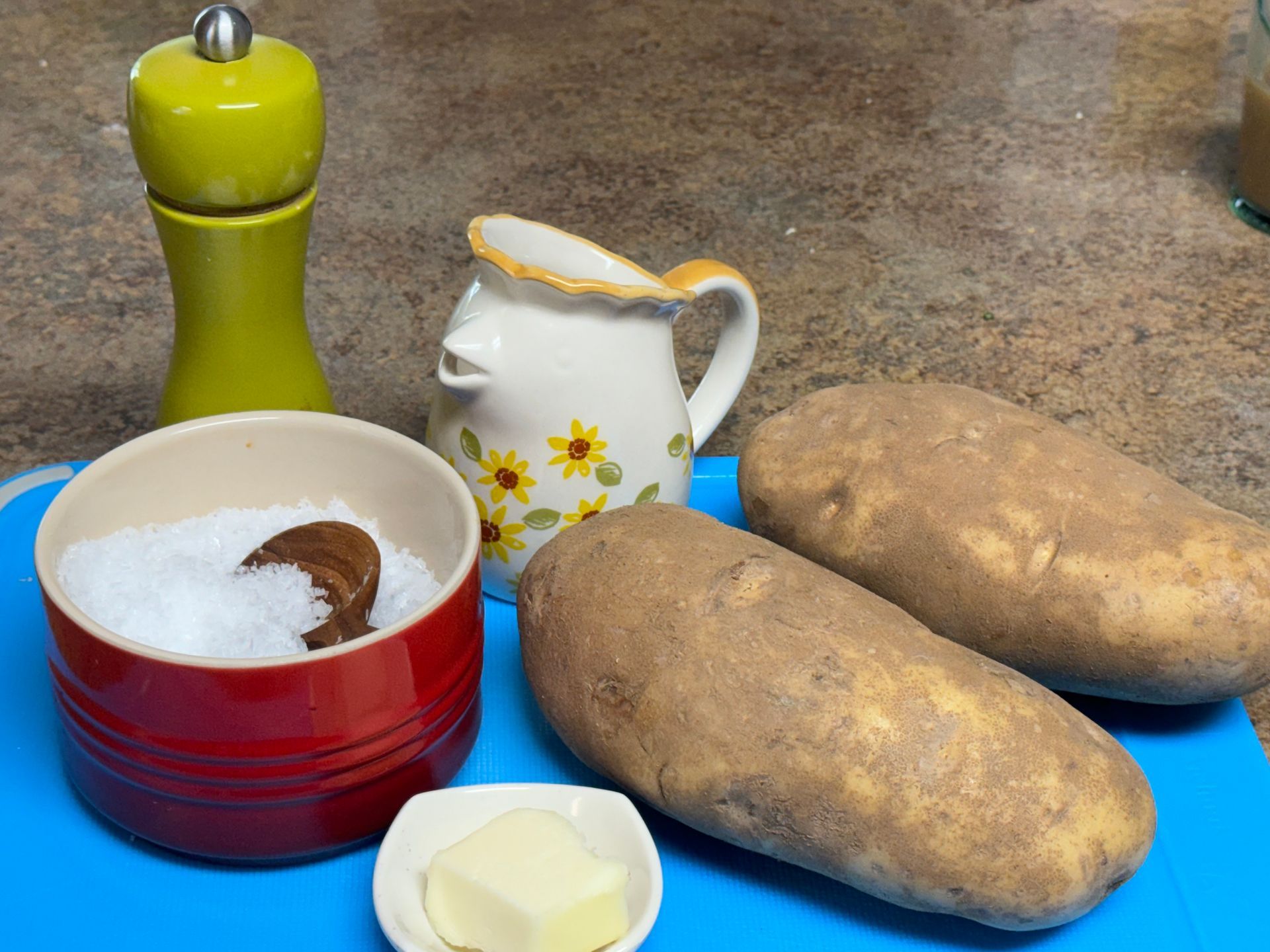
Potatoes , butter , salt and pepper are on a blue cutting board.
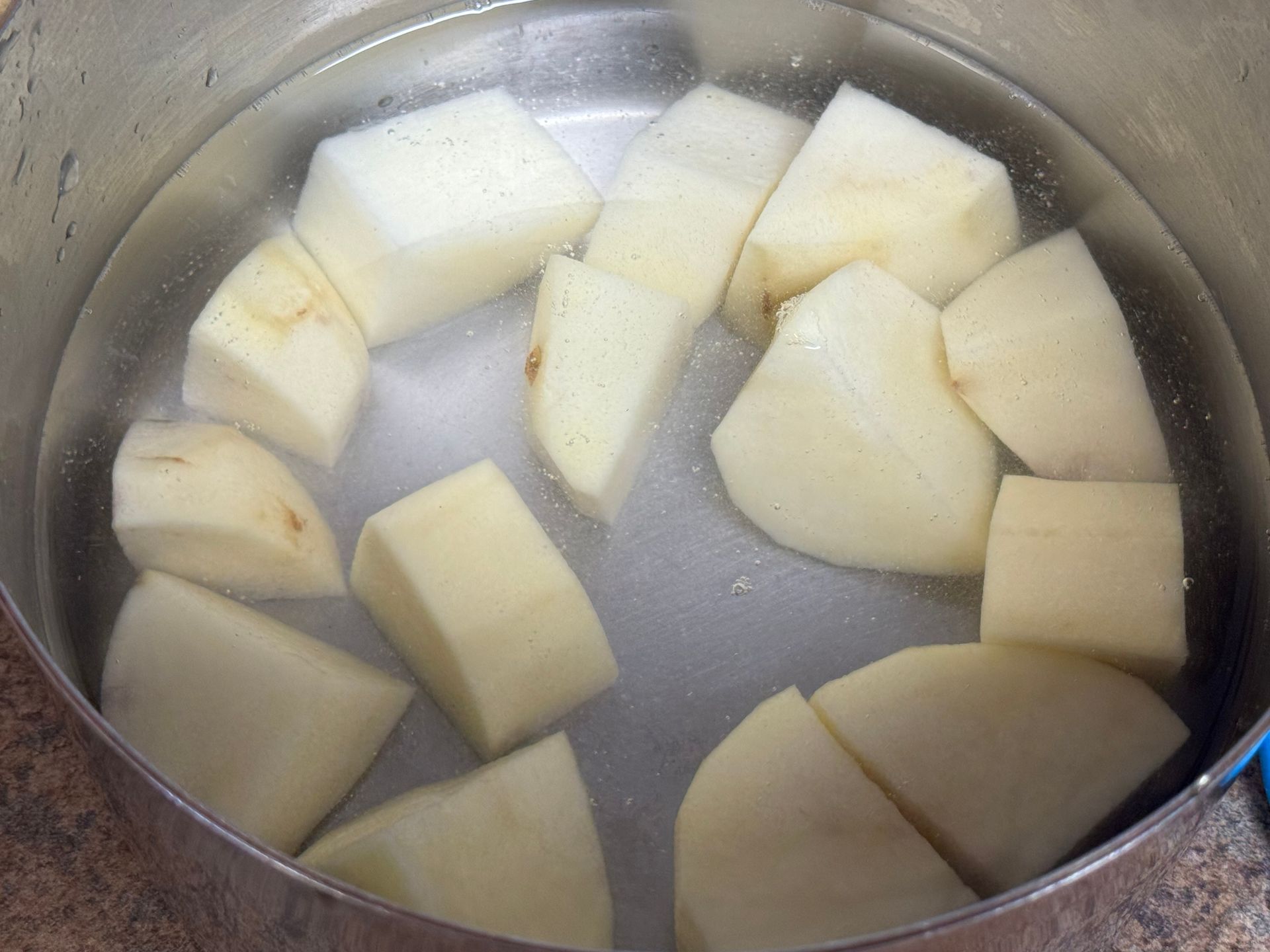
Potatoes are being cooked in a pot of water.

Step 1

Peel the potatoes, cut into 2 inch chunks; place into salted, room temperature water and bring to a simmer, cook until tender and strain. To test if the potatoes are cooked, I use a fork to poke and see if the potatoes split.


Dry in the pot or oven to remove all moisture.


I generally add 1/2 tsp salt to a quart of cooking water.
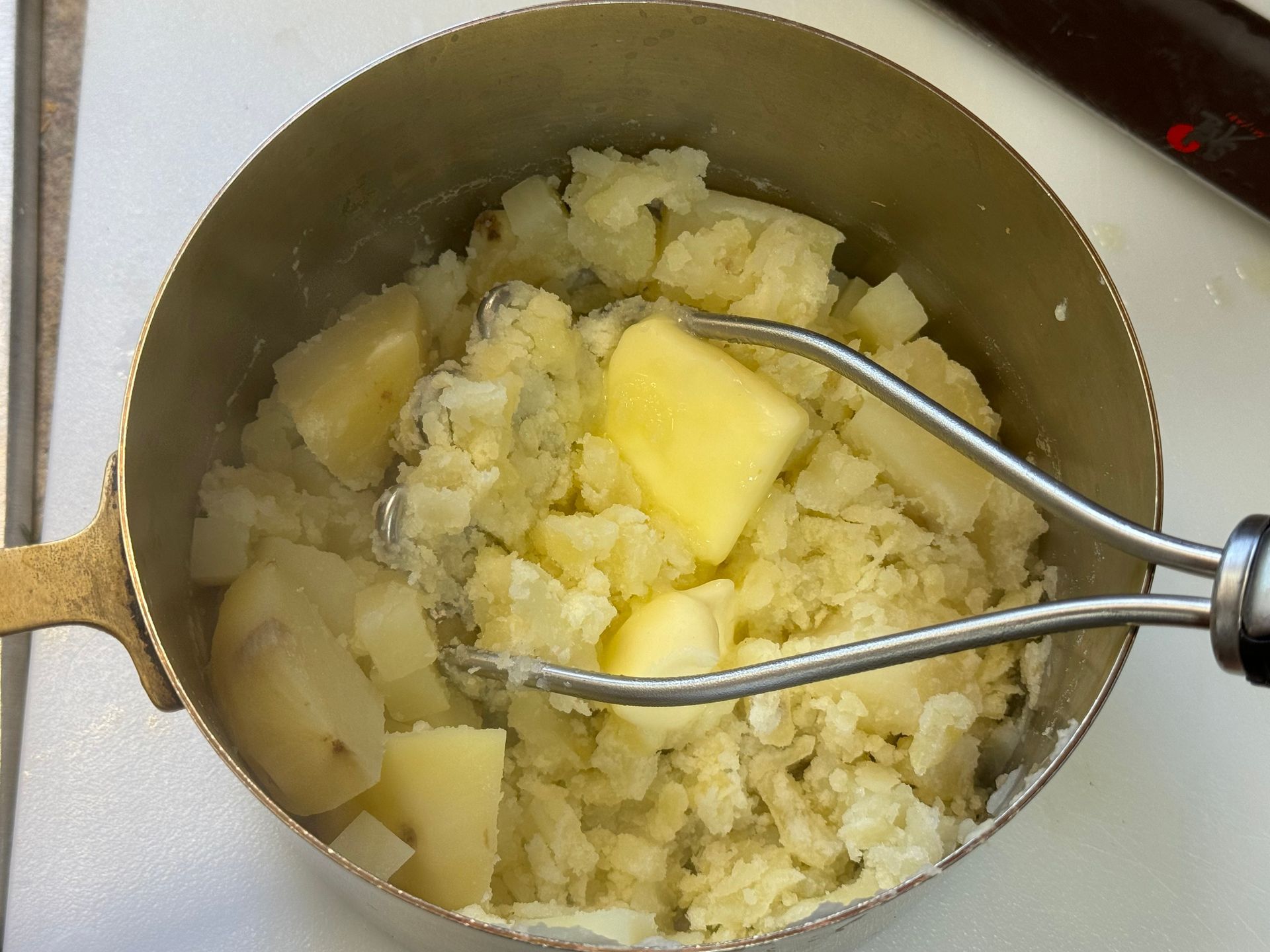
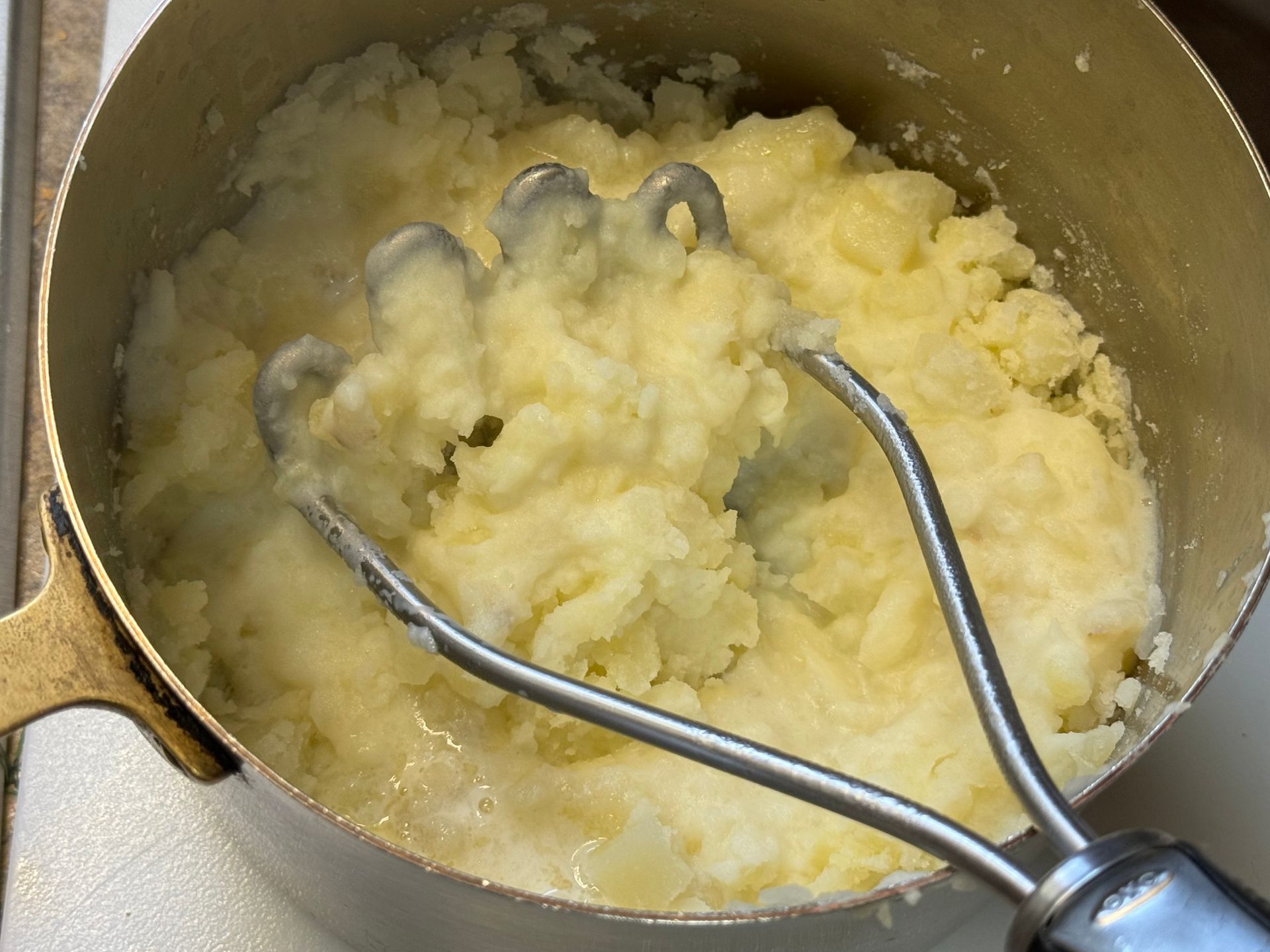
A pot of mashed potatoes with butter in it
A pot of mashed potatoes with tongs in it
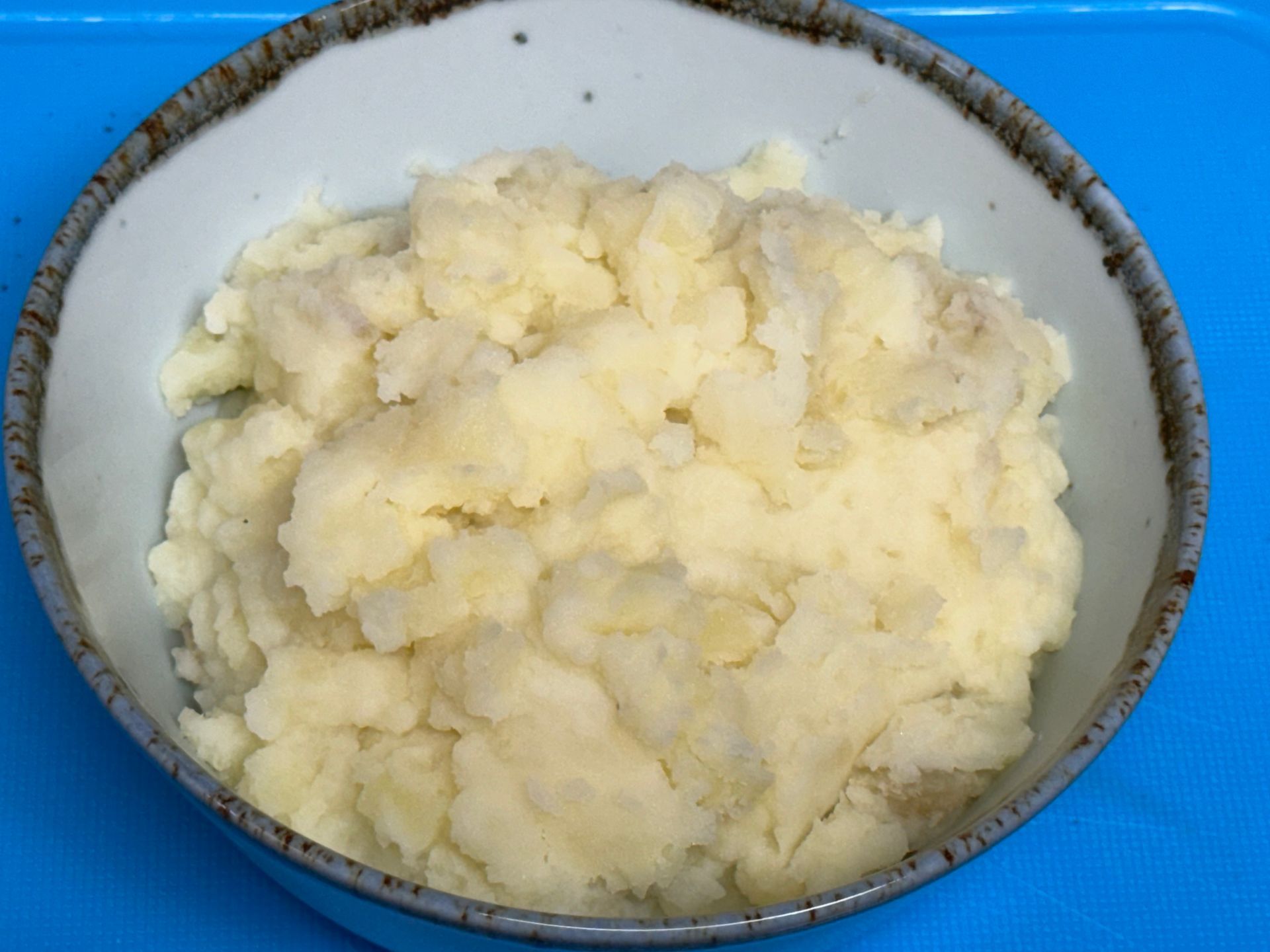
A bowl of mashed potatoes on a blue surface

Step 2

Rice or mash the potatoes while hot, add softened butter so that the butter melts into the potatoes, season with salt, pepper and nutmeg and gently fold to incorporate.


Add hot milk or cream and adjust seasoning.

Some people prefer white pepper but I'm a fan of the black pepper for this recipe.


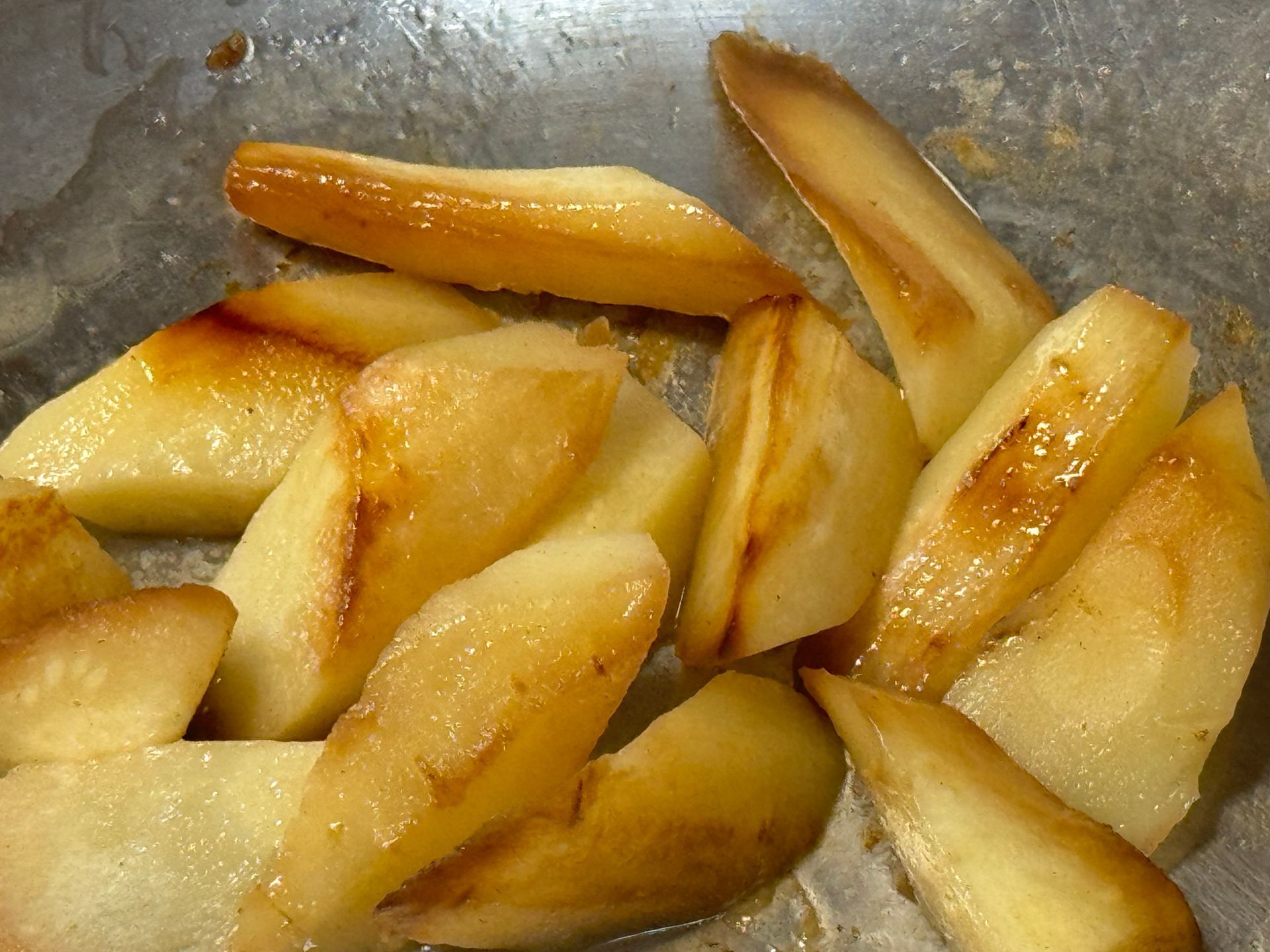
Note: at this time I sometimes add roasted parsnips (pictured), cheese, sour cream, roasted garlic, crispy bacon, chives...  depends on the meal.
A close up of sliced apples in a pan
By Tom Griffiths • September 4, 2026
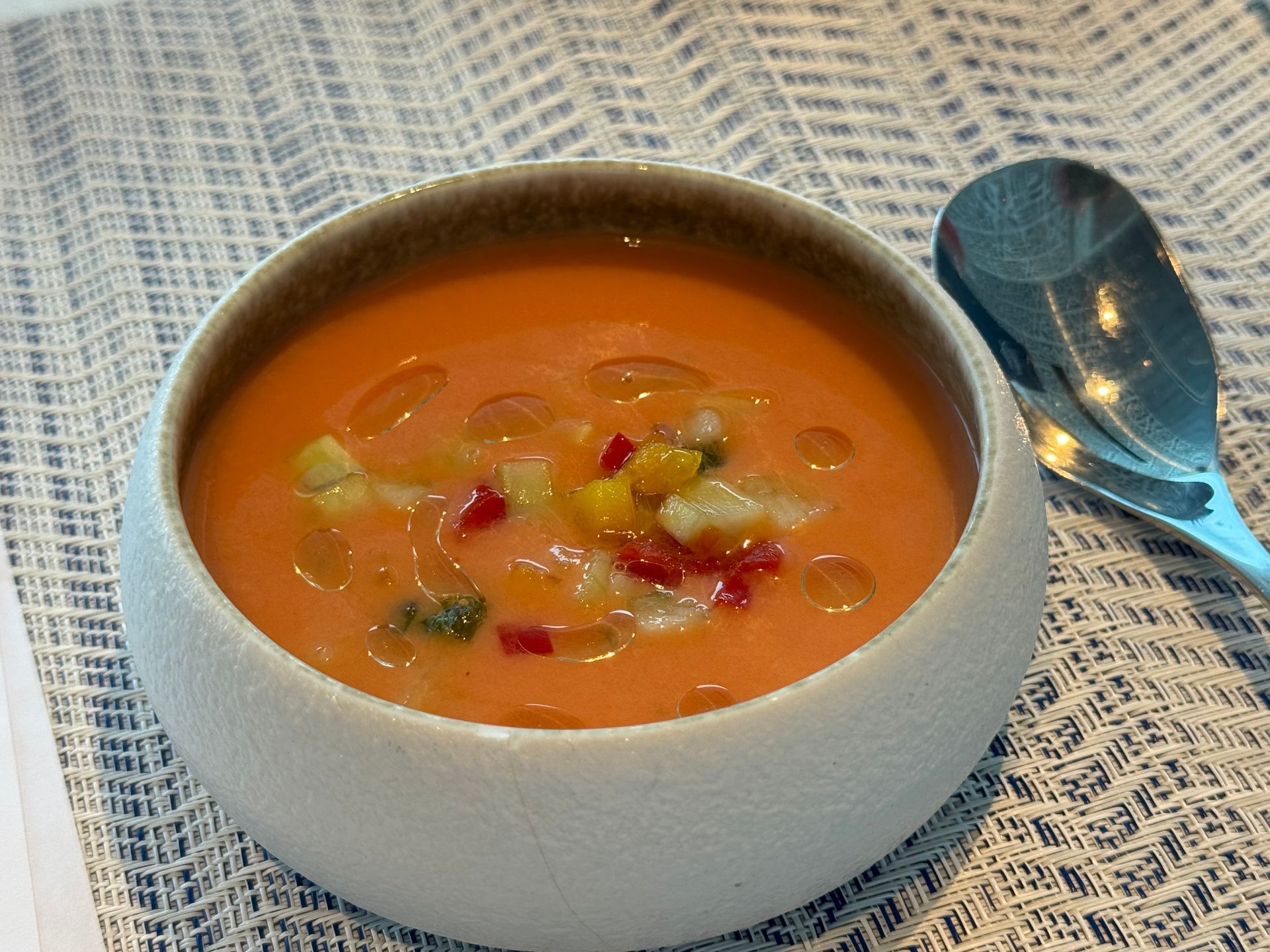
Chef Tom's Cooking Class Minute: Week 6 Gazpacho & Summer Tomatoes
By Tom Griffiths • September 4, 2026
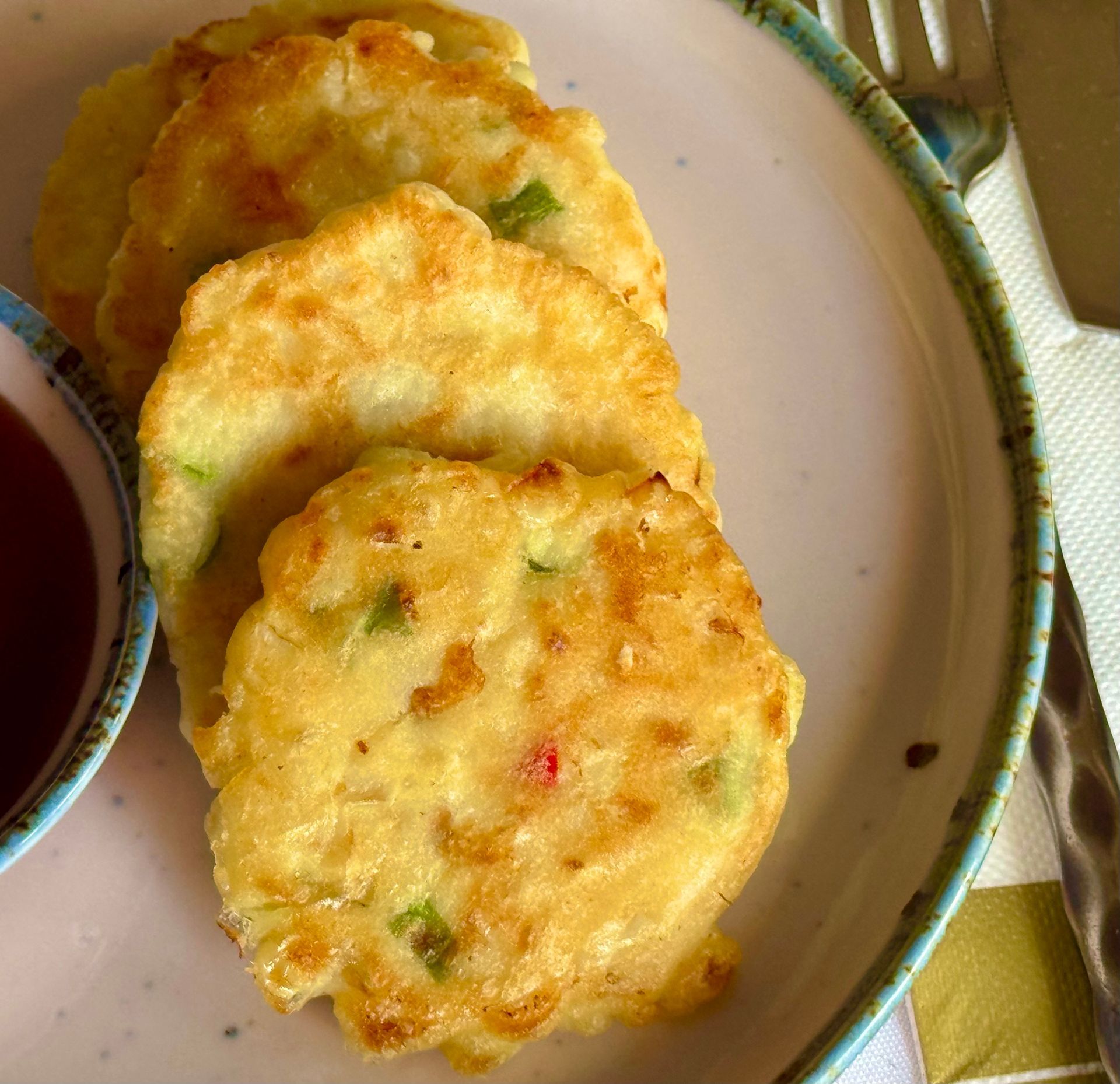
Chef Tom's Cooking Class Minute: Week 5 Summer Corn: Soup, Grill, Roast or Fritters? 
By Tom Griffiths • September 4, 2026
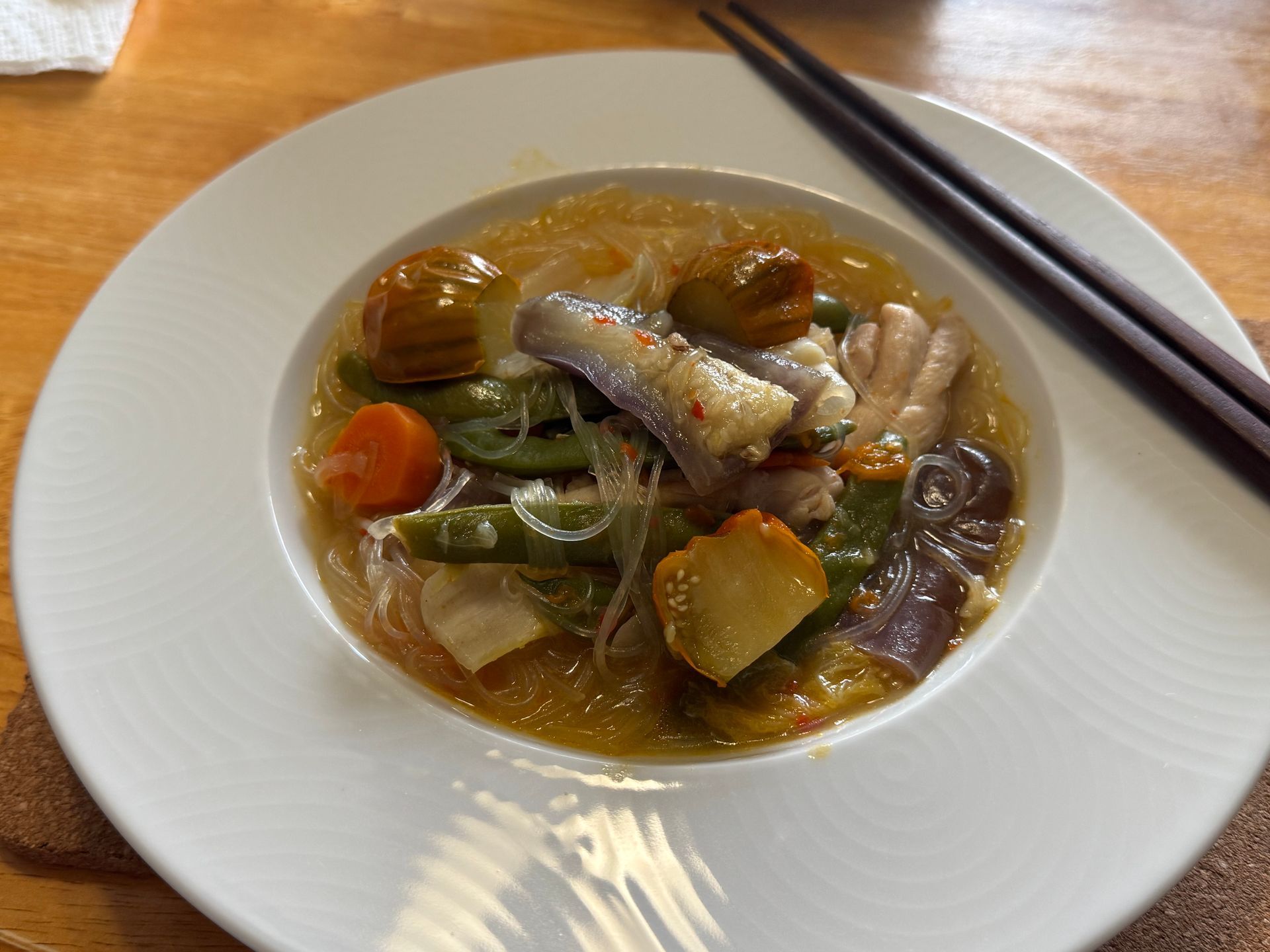
Chef Tom's Cooking Class Minute: Week 4 Cooking Summer Eggplant
By Tom Griffiths • August 11, 2026
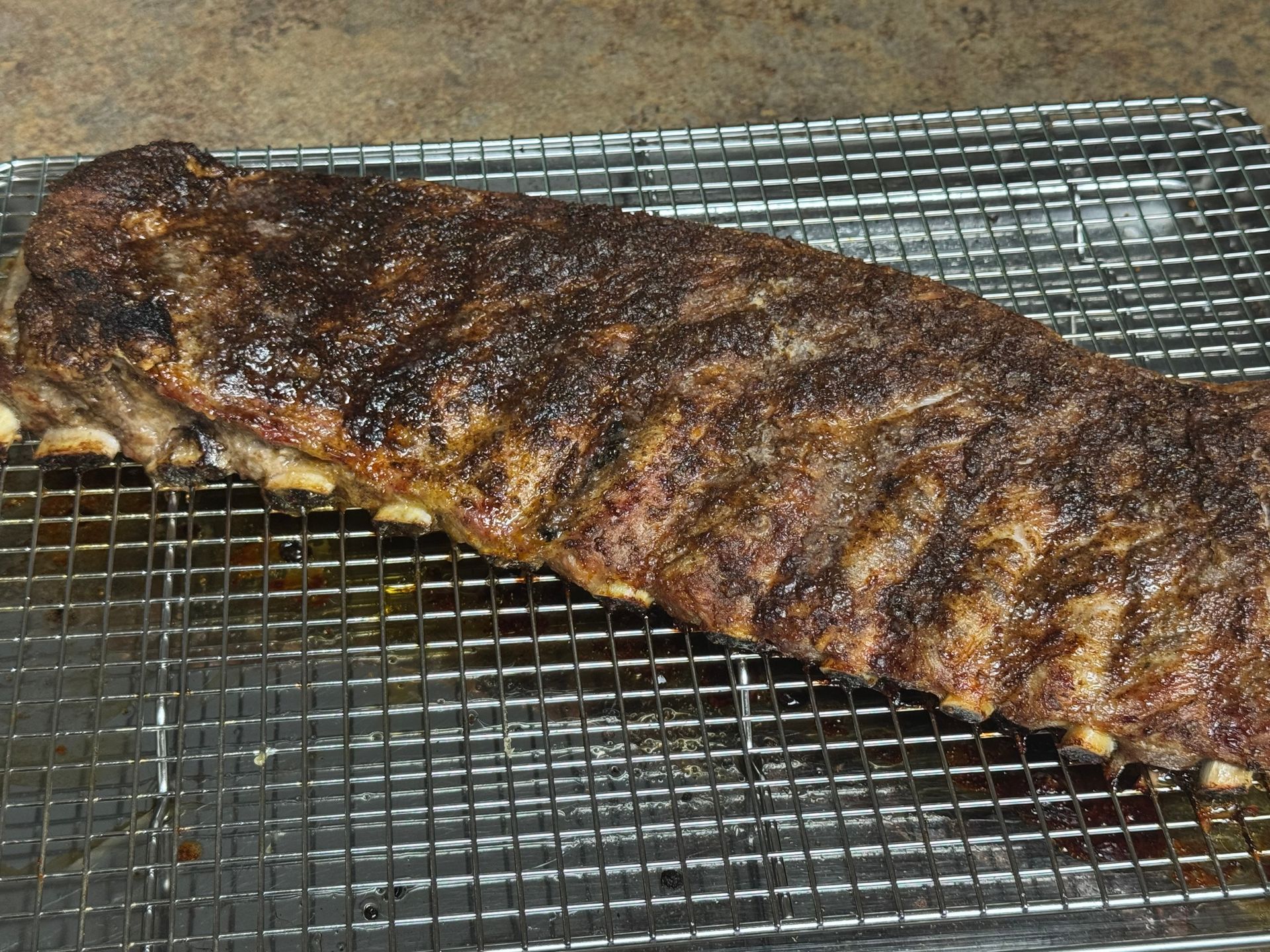
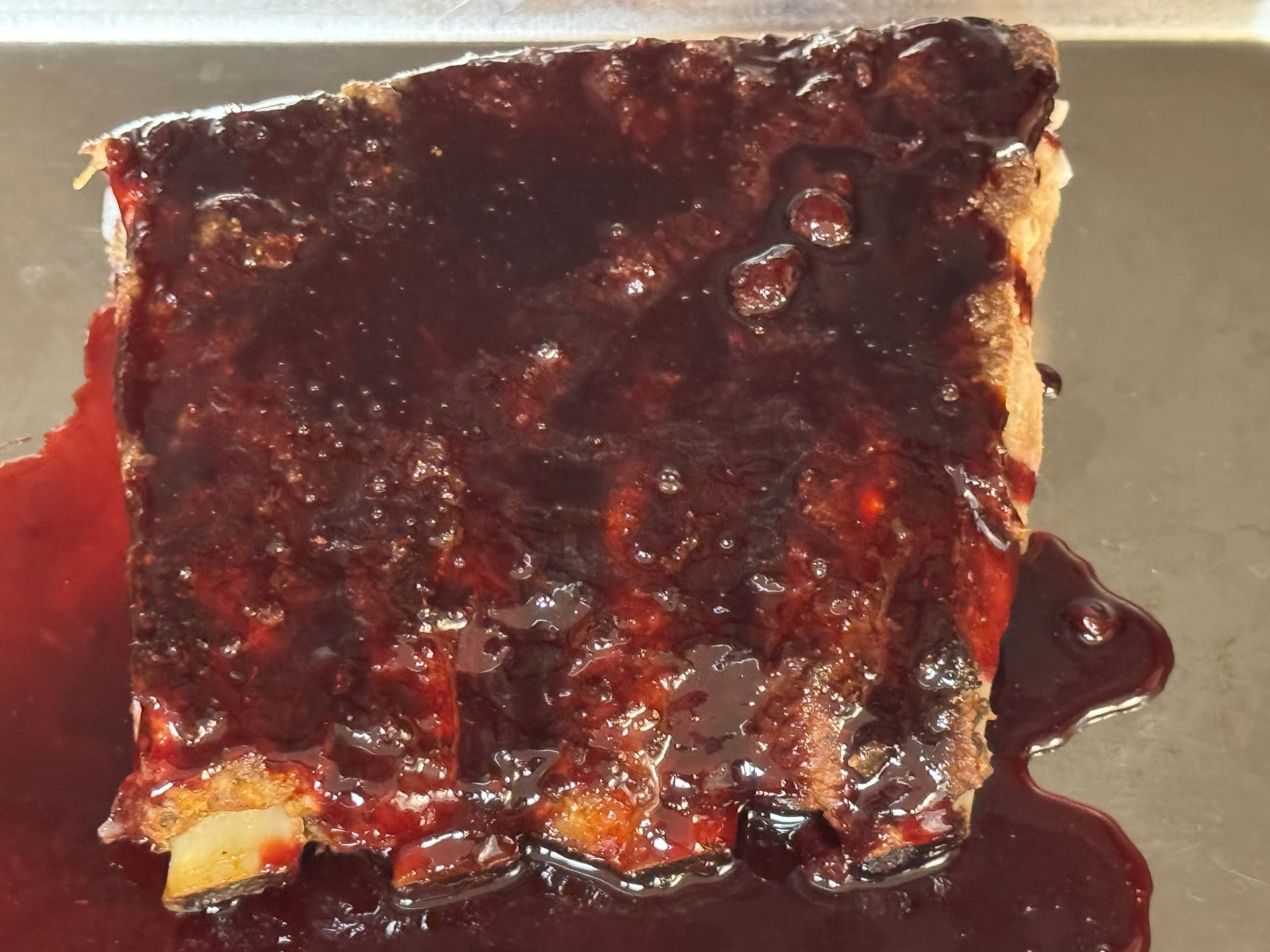
Chef Tom's Cooking Class Minute: Week 3 Cooking Pork Spare Ribs
By Tom Griffiths • August 8, 2026
Years ago I traveled around the south for a few weeks researching some of the amazing foods of each region. In Charleston, I was introduced to a local pig farmer, Tank Jackson who manages Holy City Hogs. Tank and his wife raise heritage breed pigs and distribute the pigs around the country. He offers on-site cooking whole pig roasts, primal cuts and sausages, and I believe he produces the best pork in the country.
By Tom Griffiths • August 8, 2026
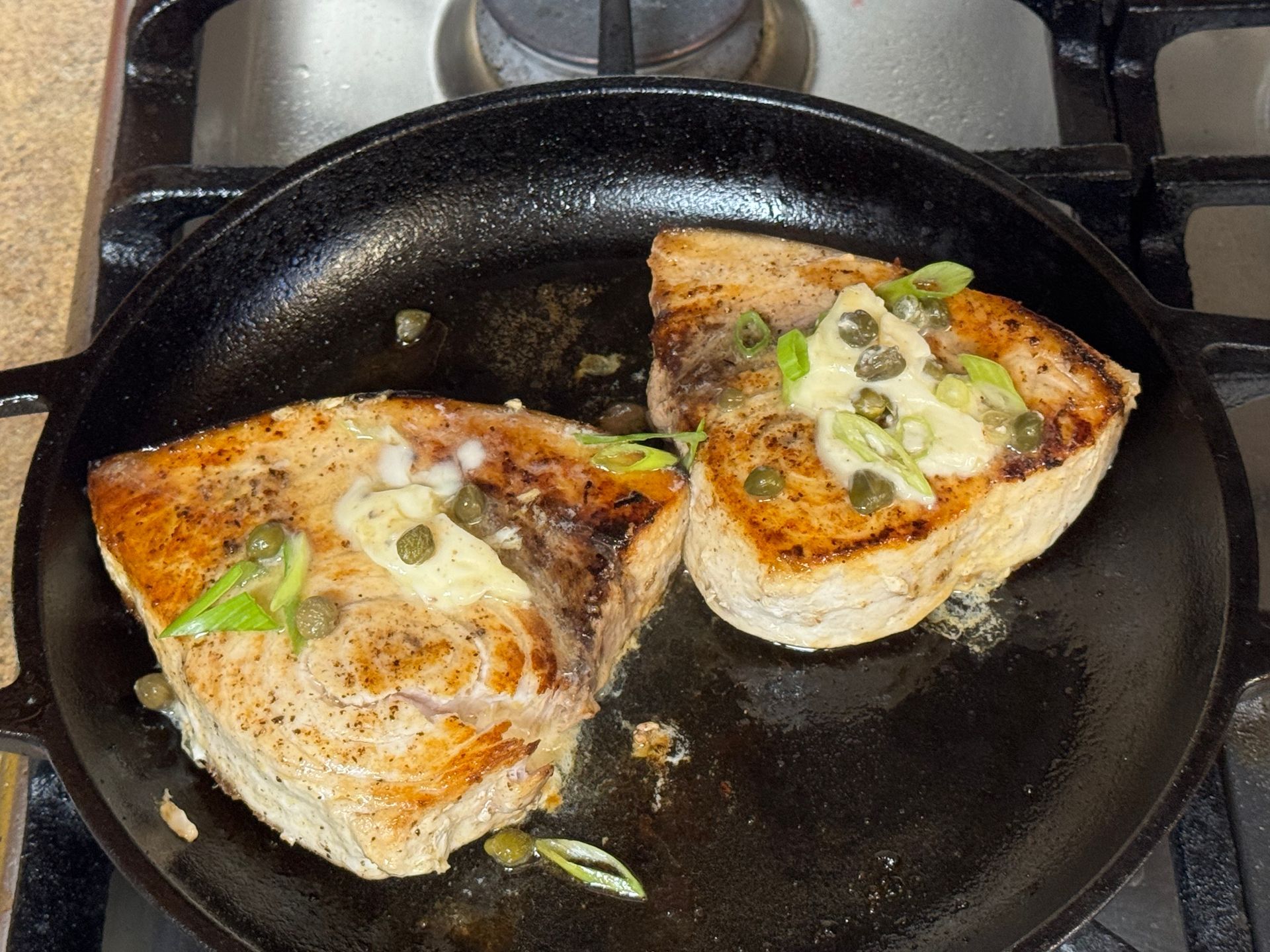
Years ago, while working as a chef in a busy continental restaurant, we featured grilled, fresh swordfish on the menu—finished with a generous spoonful of herbed compound butter and capers. It was popular and delicious. One afternoon, a seafood purveyor stopped by with a sample of frozen swordfish steaks, fully thawed and ready for evaluation. Curious, we grilled it side by side with the “fresh” swordfish we had been serving—fish we believed to be of high quality. The result was surprising. The frozen swordfish was superior—firmer, cleaner in flavor, and more consistent in texture. In contrast, our “fresh” fish, likely several days out of the water, lacked the same integrity. It was a defining moment and an important reminder: in many cases, properly handled and quickly frozen seafood can offer better quality than fish labeled as fresh. For chefs, understanding sourcing and handling is just as critical as technique—especially with a product as prized as swordfish.
By Tom Griffiths • August 8, 2026
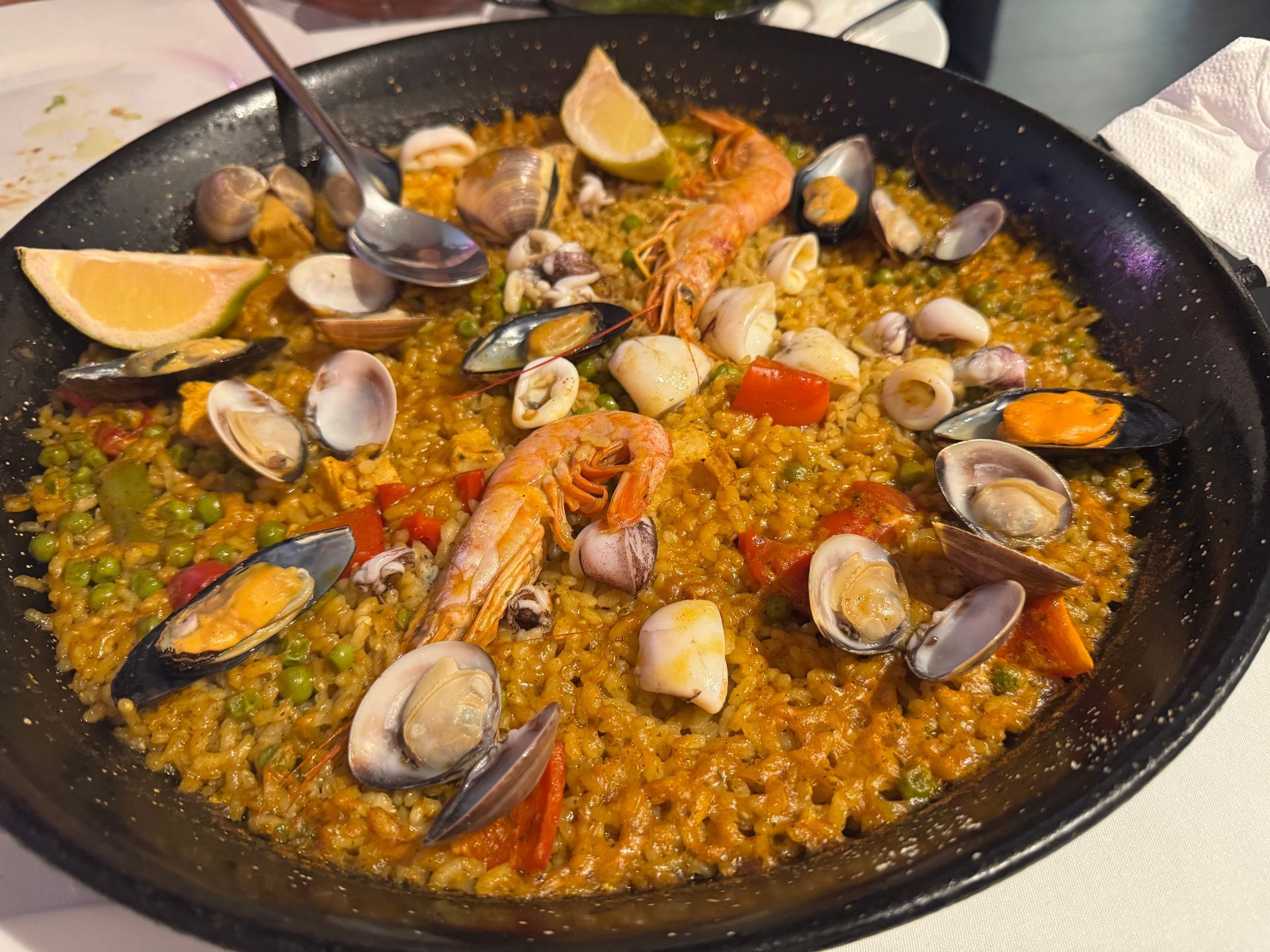
Chef Tom's Cooking Class Minute: Week 2 Cooking Rice: creating socarrat—
By Tom Griffiths • August 6, 2026
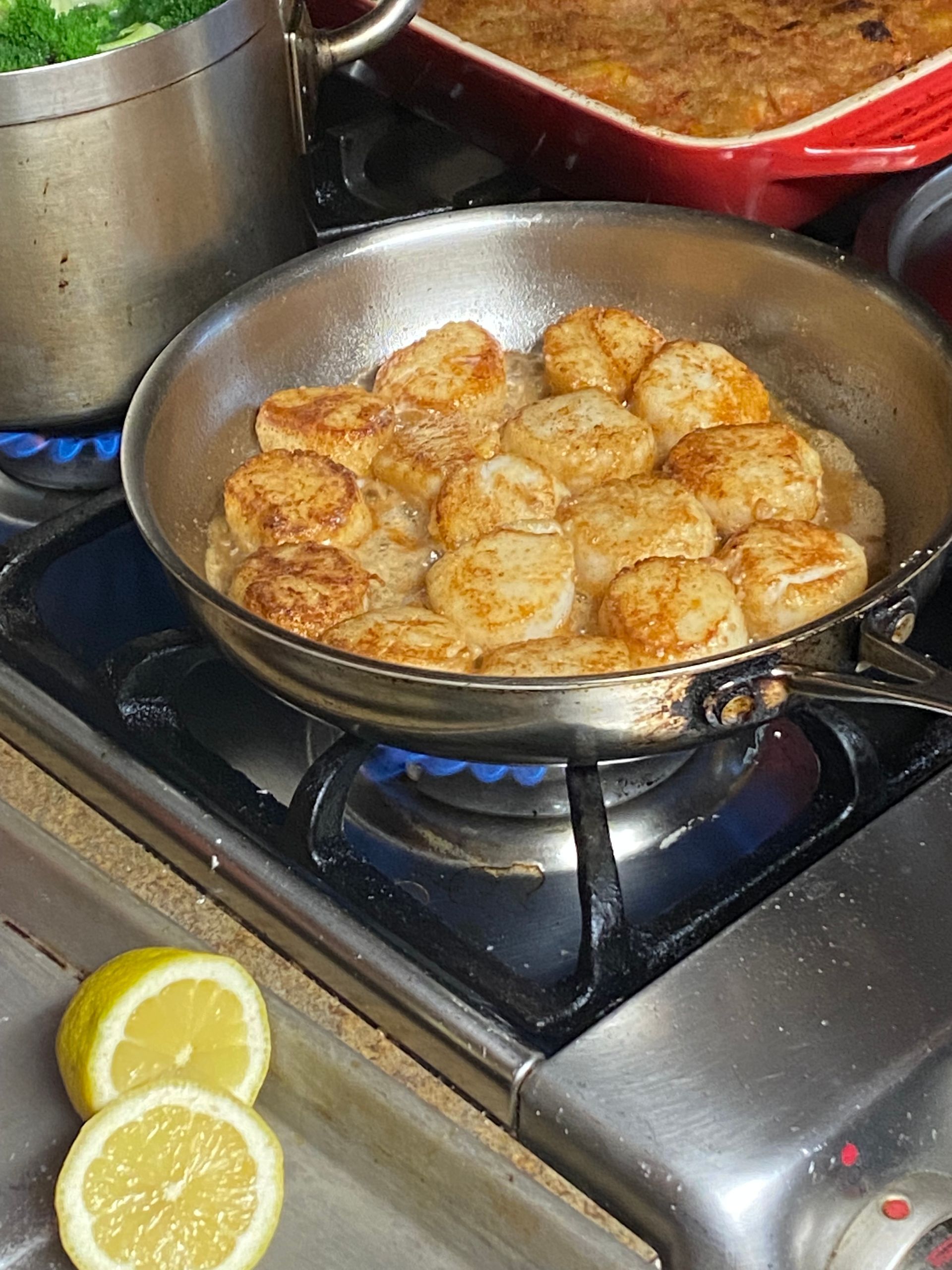
Chef Tom's Cooking Class Minute: Week 1 The Biggest Mistake People Make When Cooking Scallops 
By Tom Griffiths • July 27, 2026
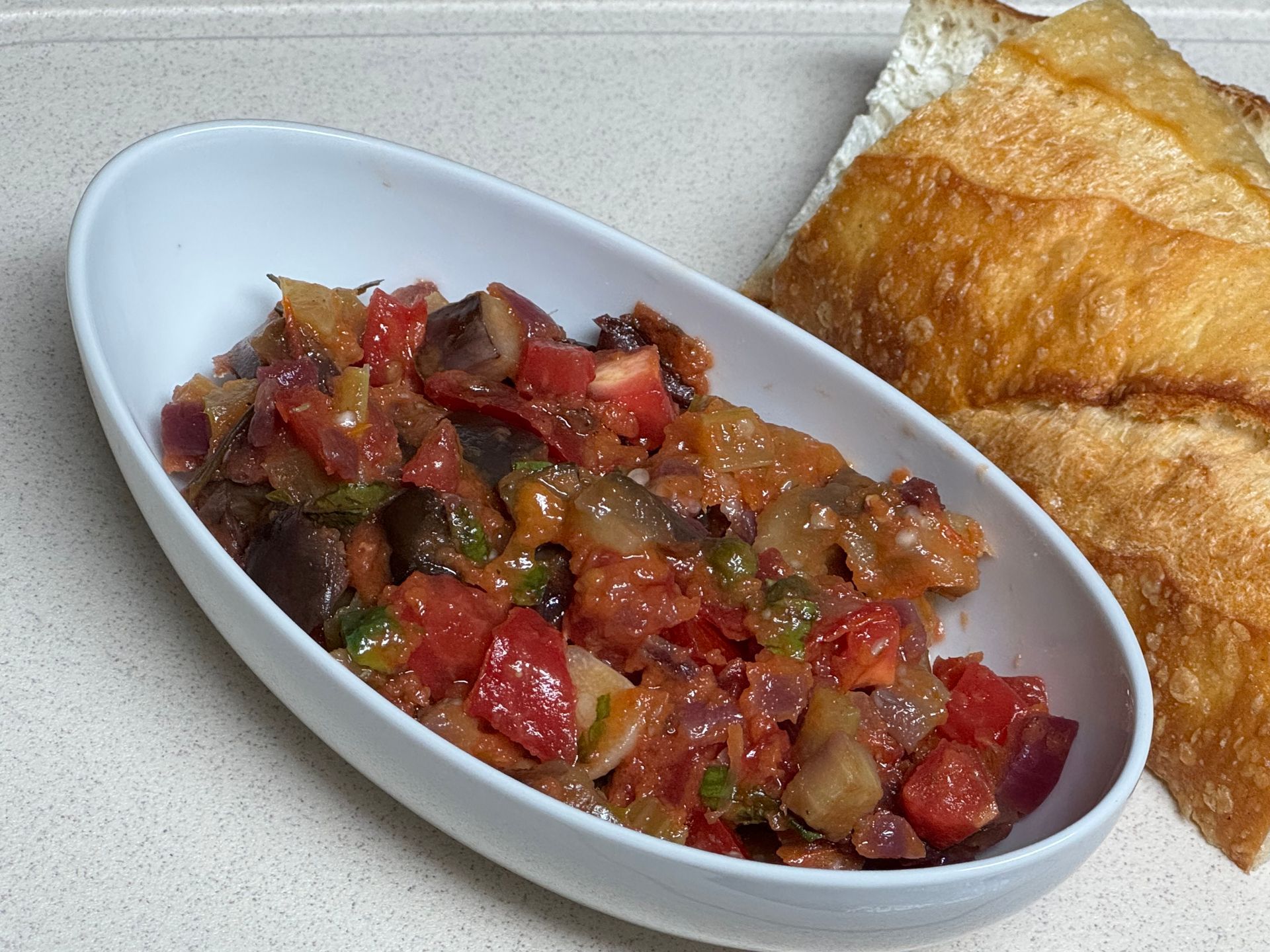
The name "caponata" itself has a fascinating origin story. One popular theory suggests it derives from capone, the Sicilian word for mahi-mahi. Historically, wealthy Sicilian aristocrats enjoyed a sweet-and-sour fish dish. Because seafood was too expensive for the working class, local home cooks substituted fish with affordable, meaty eggplant. Over time, this creative peasant food evolved into the beloved antipasto we celebrate today, often rounded out with celery, olives, and capers.
By Tom Griffiths • July 23, 2026
From Talk to Action: A Chef’s Challenge for School Lunches