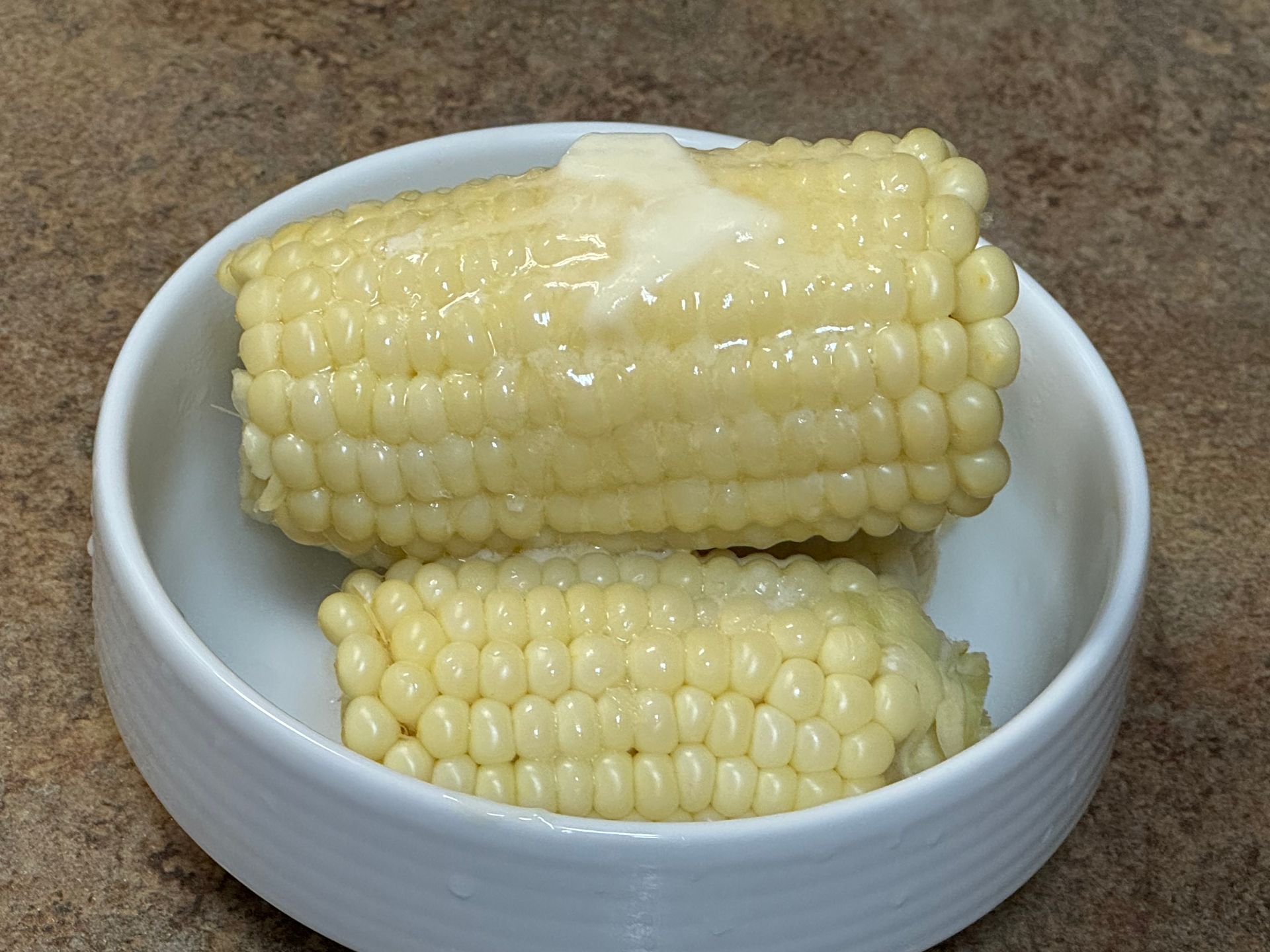
I liked to begin each class day of Skills Development class at the CIA with a quote. One of my favorites went something like this, 'You can walk to the corn fields but you must run back to the kitchen'. Basically it speaks to the sugars in sweet quickly converting to starch when it's harvested.


We Chefs know a thing or two about food chemistry...

Corn on the Cobb for Beginner's

I'm a fan of enjoying seasonal foods. In New Jersey, we love our fresh fruits and vegetables, especially our local tomatoes and corn.


A simple way to cook corn is boiling in water. I've tried adding sugar to the water and feel it's not necessary (if you have fresh, local corn!). I've tried starting the corn in cold water and hot water-no big difference.

It's important to cook the corn until it is tender so that the starches have converted to sugars. You can simply test a few kernels of corn throughout the cooking process and note how starchy it is after simmering for 3 minutes and how much sweeter the corn becomes in 5 or 6 minutes.

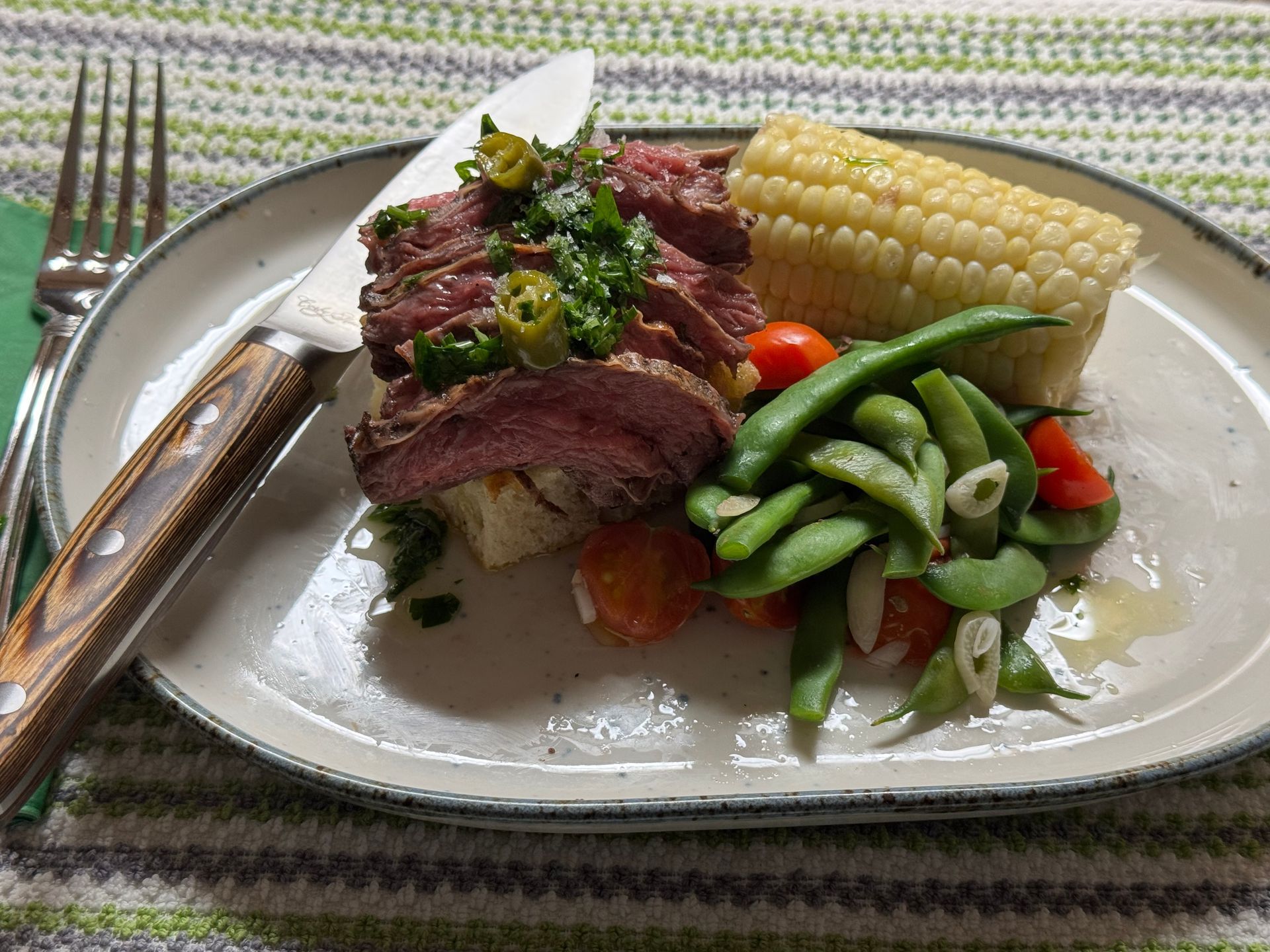
Serve hot with melted butter, salt and optional spices.

Roasting in the oven or on a grill is always a great option.

Beginner's Corn on the Cob

Prep Time: 10 min

Cooking Time: 20 min

Yield:  4 ea


Ingredients                                          

4 ea           Corn on the Cob

      Water to cover


1/4 tsp    Salt

4 Tbsp  Unsalted Butter, melted over the corn


How to Corn on the Cob
Step 1 Mise en place

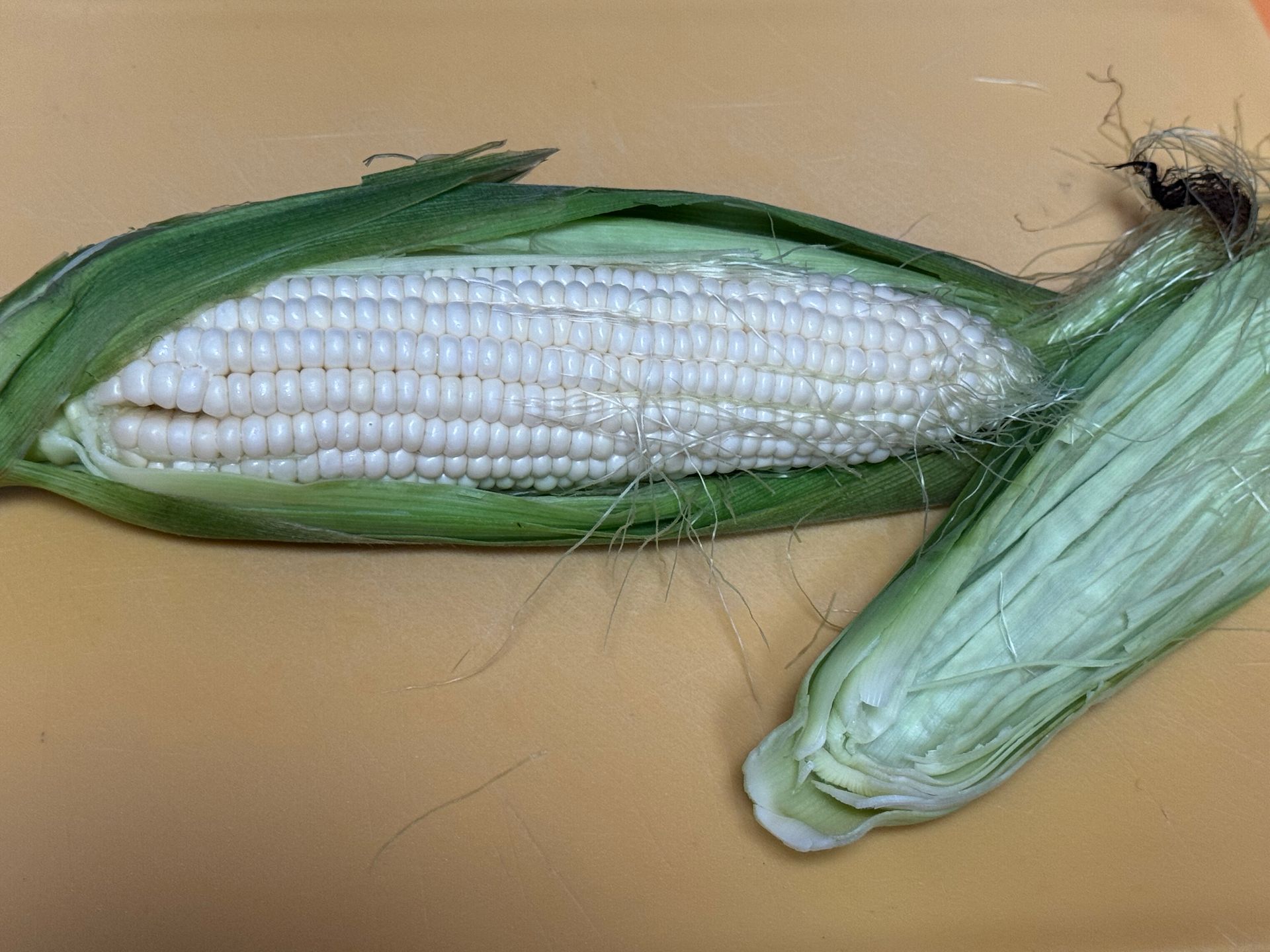
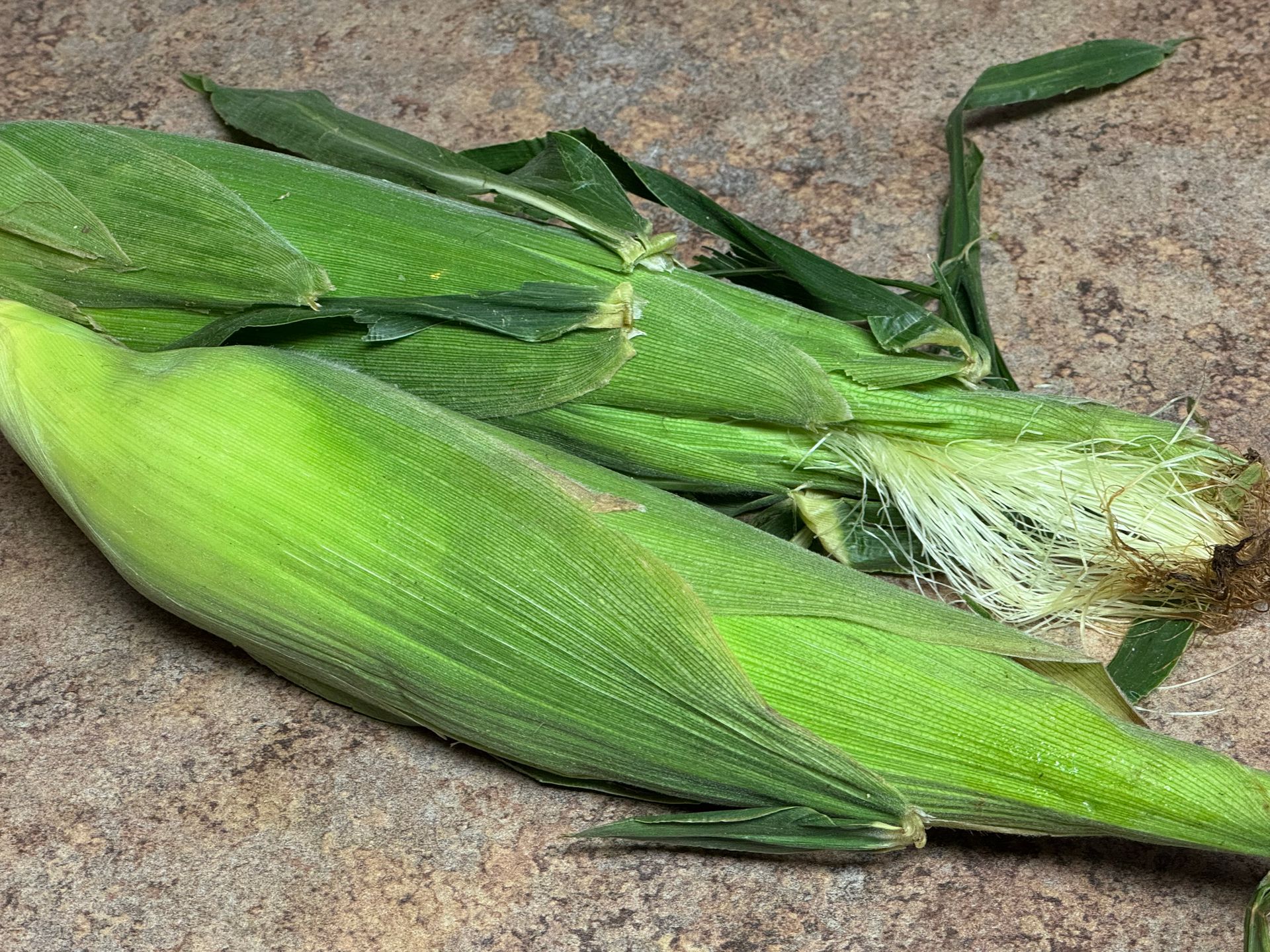
Husk the corn, being careful to remove all of the silk from the corn.                                                                                                                  Corn husks are great for composting...

When I choose corn at the market, I always try to get fatter cobs which have the corn kernels all the way to the top. Most markets do not allow you to peel back the husks so you have to feel to see how far the kernels go-you don't want a cob which isn't full

I would never purchase corn with the husk removed.... it just doesn't seem 'chef-like'!

I like both white and yellow, local corn.


Step 2 Simmering the Corn

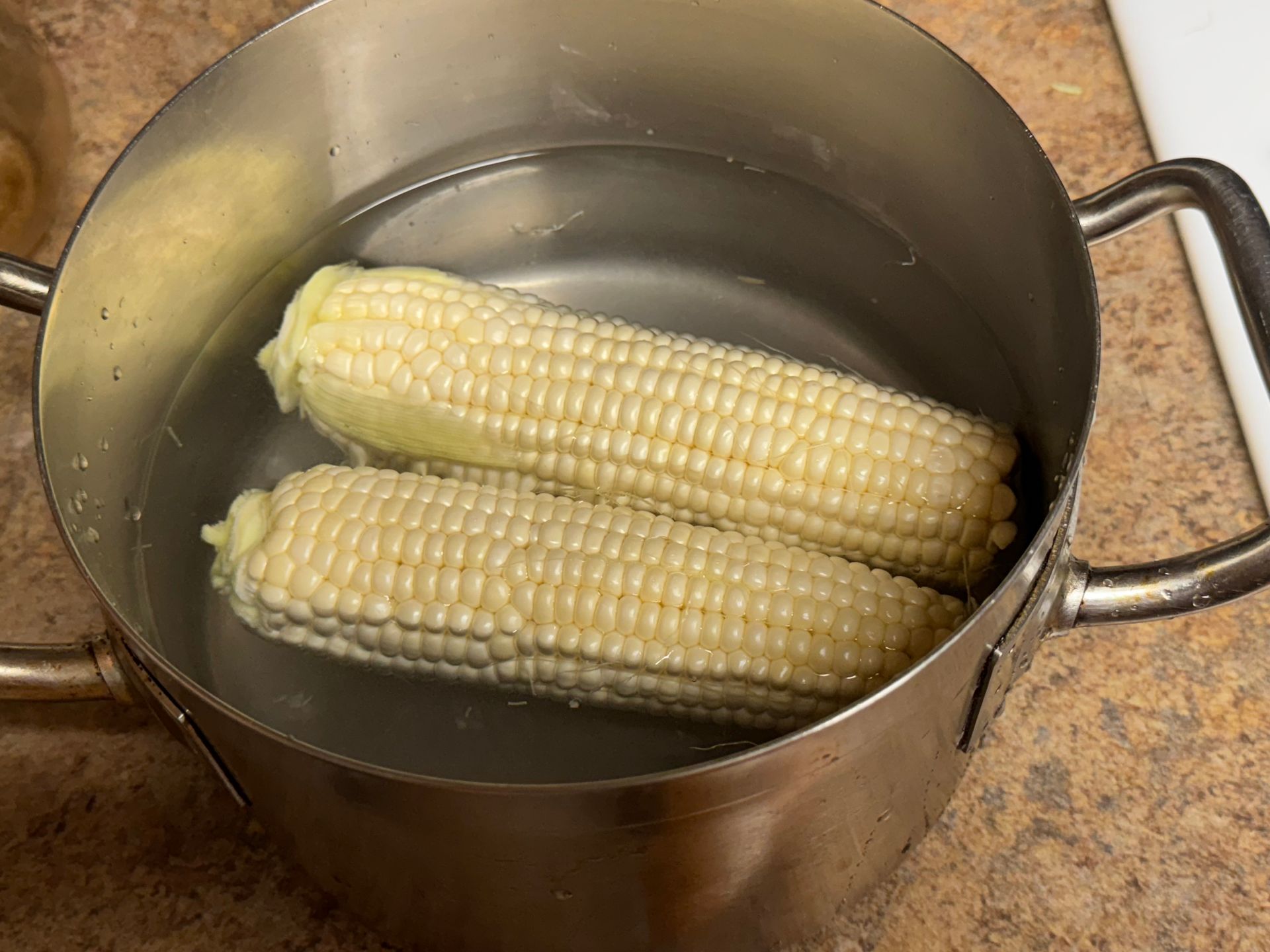
Place the corn in a pot of water (salt optional) and bring to a simmer. Simmer for 5 minutes and carefully take a kernel or two off to taste. Careful-it's HOT!

I like to break the cobs in half as it is a little easier to cook and handle.


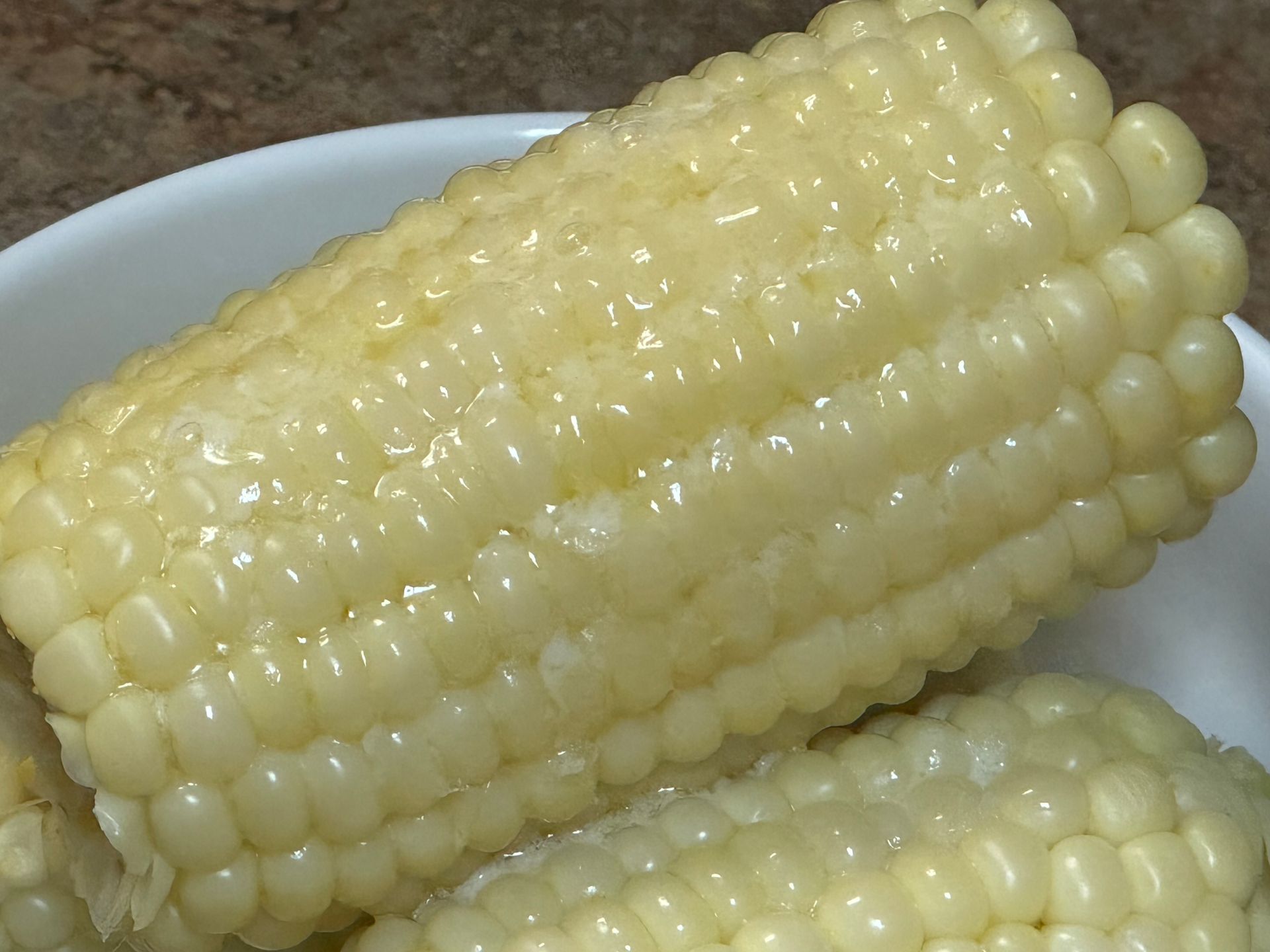
When the corn is tender, strain and enjoy. I like whole butter and kosher salt.

By Tom Griffiths April 8, 2026
There are certain dishes that stay with you—not just for their flavor, but for what they represent. For me, roasting a leg of lamb over Pommes boulangère is one of those meals. I don't recall having lamb at any occasions growing up so this was a dish that I proudly introduced to our family. As a young cook, it was something I could prepare with limited experience, and it provided deeply satisfying results. The lamb roasts in the oven over a bed of potatoes, onions, and garlic, allowing its natural juices and fat to baste the vegetables below. It's actually a simple preparation but becomes a complete, delicious meal—the potatoes absorbing flavor and becoming just as important as the roast itself. These days I'm developing delicious recipes using spice blends such as Ras el hanout, Baharat, Za'atar, Togarashi and even Harissa. I also love roasting leg of lamb outdoors on a grill or rotisserie. I like the subtle smokiness from applewood or dried herbs when I'm roasting lamb outdoors.
By Tom Griffiths April 8, 2026
There are certain dishes that stay with you—not just for their flavor, but for what they represent. For me, Pommes boulangère is one of those dishes. As a young cook, it was a delicious meal I could prepare for my family with my limited culinary experience. I often return to this preparation when roasting whole chicken, pork, or lamb—letting the potatoes, onions, and garlic absorb the natural juices from the protein as it cooks. The potatoes becomes more than a side dish; it’s the foundation of the meal.
By Tom Griffiths April 7, 2026
There are countless versions of Potatoes au gratin , many of them heavy with cheese. I prefer a more restrained approach—using little or no cheese—so the flavor of the potatoes remains the focus rather than being masked. Milk produces a lighter, more delicate gratin, while light or heavy cream creates a richer, more structured dish. Both are valid—it simply depends on the desired outcome. One constant, however, is nutmeg. Used sparingly, it acts as a quiet “secret weapon,” adding depth without calling attention to itself. This recipe is inspired by Xavier LeRoux, one of the finest chefs I’ve had the privilege to work with. His method includes an extra step—gently simmering the potatoes in cream before baking—which yields a noticeably superior result. The potatoes begin to release their starch into the cream early, ensuring a more uniform texture and a fully integrated dish from the first bite to the last.
By Tom Griffiths March 19, 2026
There are plenty of brownie recipes—and then there is the one that lives in memory. This is the only brownie recipe I bake, from Julia Child, whose influence reached far beyond French cuisine and into the home kitchens of passionate bakers like my mother. A devoted admirer, she baked these brownies often—usually for the dessert trolley at my restaurant. We featured a brownie freeze... brownie cubes with homemade vanilla ice cream, warm melted chocolate and freshly whipped cream-amazing! For me, this recipe is more than a classic—it’s a reflection of how great cooking is passed down: through admiration, repetition, and a deep love of craft.
By Tom Griffiths March 19, 2026
I taught garde manager for many years at the CIA and this is one of my favorite recipes from class. I actually developed this recipe with one of my students, inspired by a recipe he had learned on his externship.
By Tom Griffiths March 17, 2026
We ate Irish soda bread one day each year—and it was never store-bought. Soda bread wasn’t part of our cultural lineage, but it earned its place through something more universal: respect for tradition. My mother was not an occasional baker— growing up, her baking centered on Italian traditions: special Christmas cookies, the Vigna family birthday cake, and beautifully braided Easter breads that reflected heritage. Later, like many serious home bakers of her generation, she was influenced by Julia Child . That influence expanded her repertoire into classic European pastry—Paris-Brest, pound cakes, even German chocolate cake. The iconic cross cut into the top of the loaf is often said to “let the fairies out,” though in professional kitchens we recognize its functional role: allowing heat to penetrate and the loaf to expand evenly during baking.
By Tom Griffiths February 26, 2026
Authentic Guacamole, Hospitality, and the Responsibility of Feeding People
By Tom Griffiths January 16, 2026
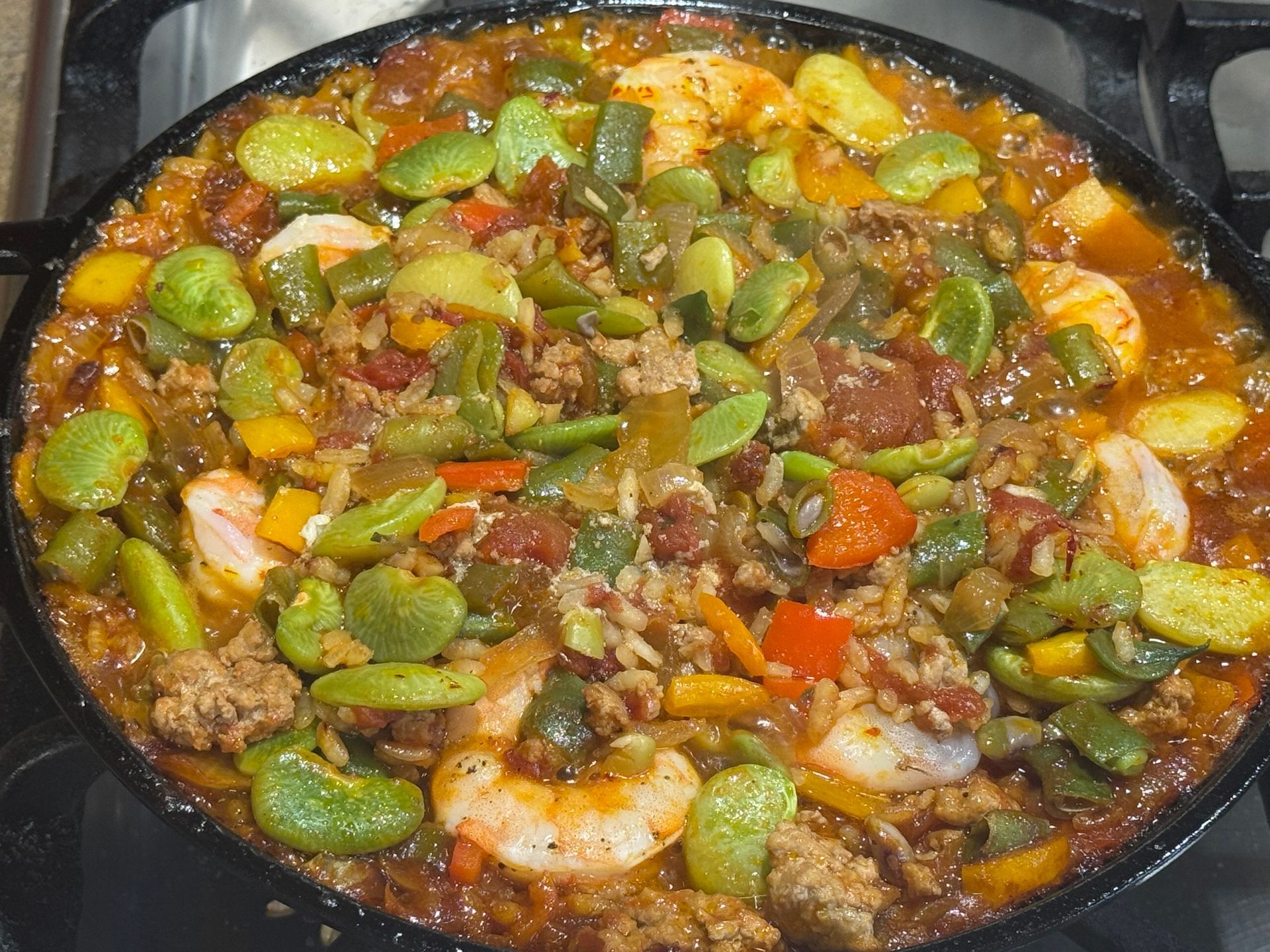
I recently volunteered to prepare vegetable paella for a church Bible group potluck. I was very excited to develop a delicious, new paella recipe and spent time preparing fresh vegetable stock with flavors of the Mediterranean. I always prepare vegetable and fish stocks fresh, as I intend to use them. I’m not a fan of bases or frozen stocks but I sometimes add a small amount of quality base to my stocks.  A vegetable stock with mirepoix, cabbage, mushrooms makes sense in certain applications, for certain recipes—but why would we use a mushroom or cabbage-forward stock in a paella? It doesn’t make culinary sense. Paella is a Mediterranean dish originating in the Valencia region of Spain as a humble meal cooked on an open fire. I’ve enjoyed wonderful paella meals in Valencia prepared with water-not stock, prepared with rabbit, snails and local beans. While traveling through Spain this spring I researched and sampled many styles of paella… no mushrooms, no carrots, no celery and no cabbage.
By Tom Griffiths January 16, 2026
I still remember cooking breakfast burritos with my son Daniel, for volunteer workers at church events—simple, hearty, and made to fuel a long day of service. The workers were always so appreciative. Years later, I served a crowd favorite, nicknamed “The Bacon-ator,” a breakfast superstar inspired by the over-the-top spirit of fast-food indulgence. We had a popular food booth at the local country fair, where we cooked hundreds of breakfast burritos each day-stuffed with Mexican cheeses, extra bacon, fluffy scrambled eggs, and fresh salsa—nothing pre-made, nothing rushed. Every burrito was warm, fresh, and full of flavor. When food is made with love, even the most straightforward breakfast is memorable.
By Tom Griffiths January 15, 2026
Chefs often share a bond that transcends politics, religion, and borders. While working in Saudi Arabia with a diverse group of chefs, I experienced this firsthand on my final day. To mark the occasion, they prepared special dishes representing their home countries—a generous feast rooted in tradition and pride. At the center of the table was a beautiful tray of stuffed peppers, zucchini, cabbages, squash, and other vegetables, each prepared with care and respect. As we shared the meal, the chefs beamed with pride, and the room filled with a sense of genuine camaraderie. It was a powerful reminder that food remains one of the most universal languages we have.